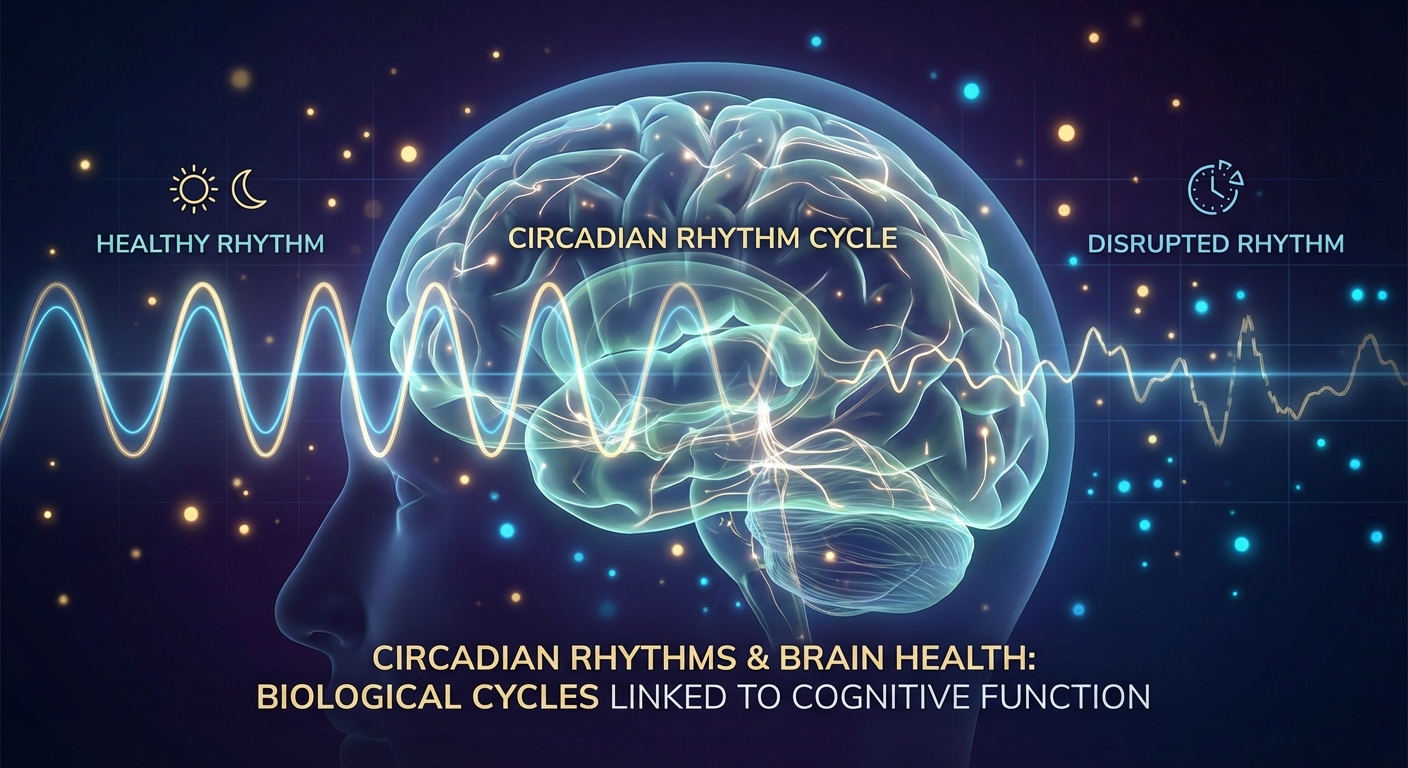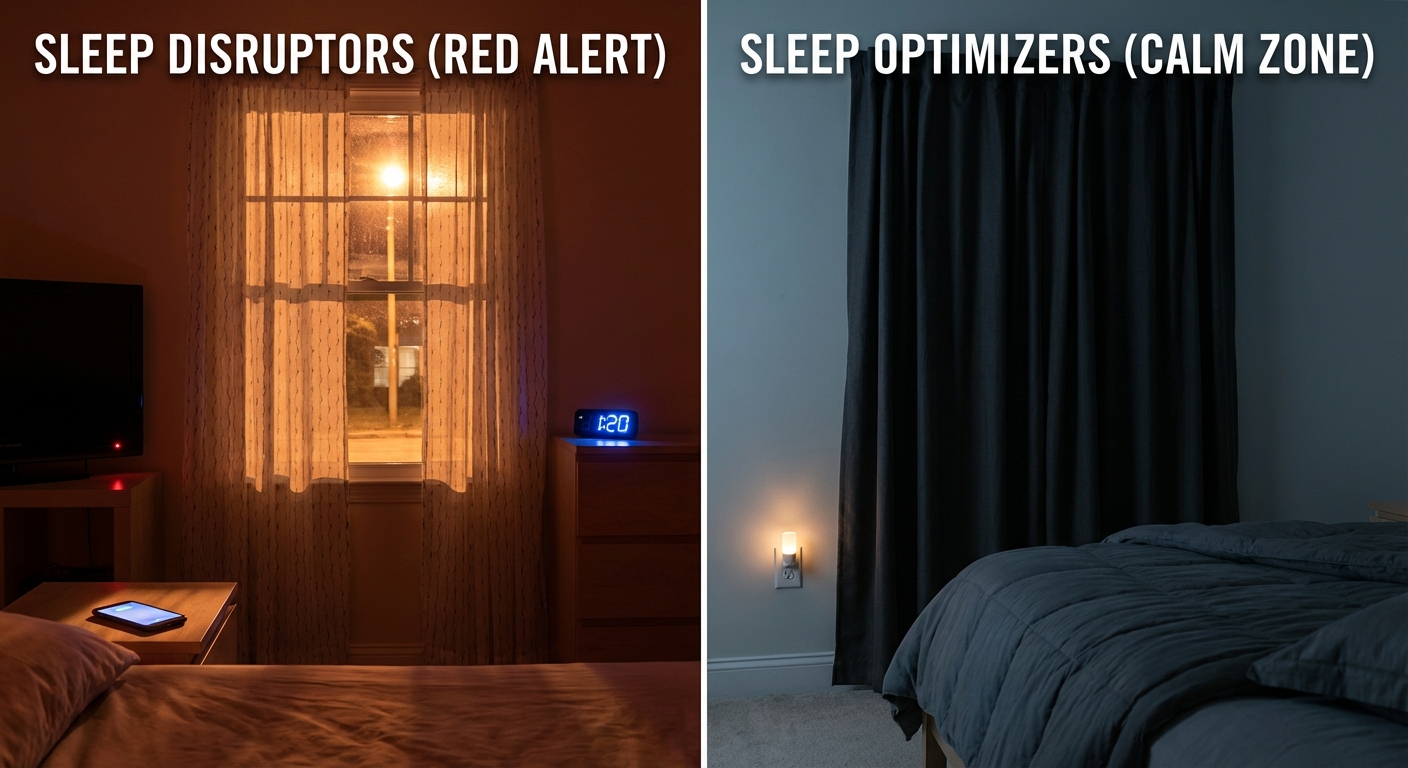
That glow from your phone charger. The streetlight seeping through your blinds. The bathroom nightlight you leave on for midnight trips. These seemingly insignificant light sources might be quietly damaging your heart while you sleep. New research from Harvard, analyzing nearly 89,000 participants over nine years, found that nighttime light exposure increases cardiovascular disease risk by up to 50% compared to sleeping in complete darkness. The findings, published in December 2025, add to a growing body of evidence that our 24-hour light-saturated world is taking a measurable toll on our health.
The study isn’t just about bright lights or screens. Even dim ambient light, the kind you might not consciously notice, appears to disrupt the biological processes that protect your cardiovascular system during sleep. Your body has evolved to expect darkness at night, and when it doesn’t get it, the consequences cascade through multiple systems simultaneously.
What the Research Actually Shows
The Harvard team analyzed data from 88,905 participants in the UK Biobank, using wrist-worn devices to measure light exposure during sleep. They then tracked health outcomes over approximately 9.5 years through electronic medical records. The results were striking: participants with the highest nighttime light exposure had a 50% greater risk of developing cardiovascular disease compared to those who slept in the darkest conditions.
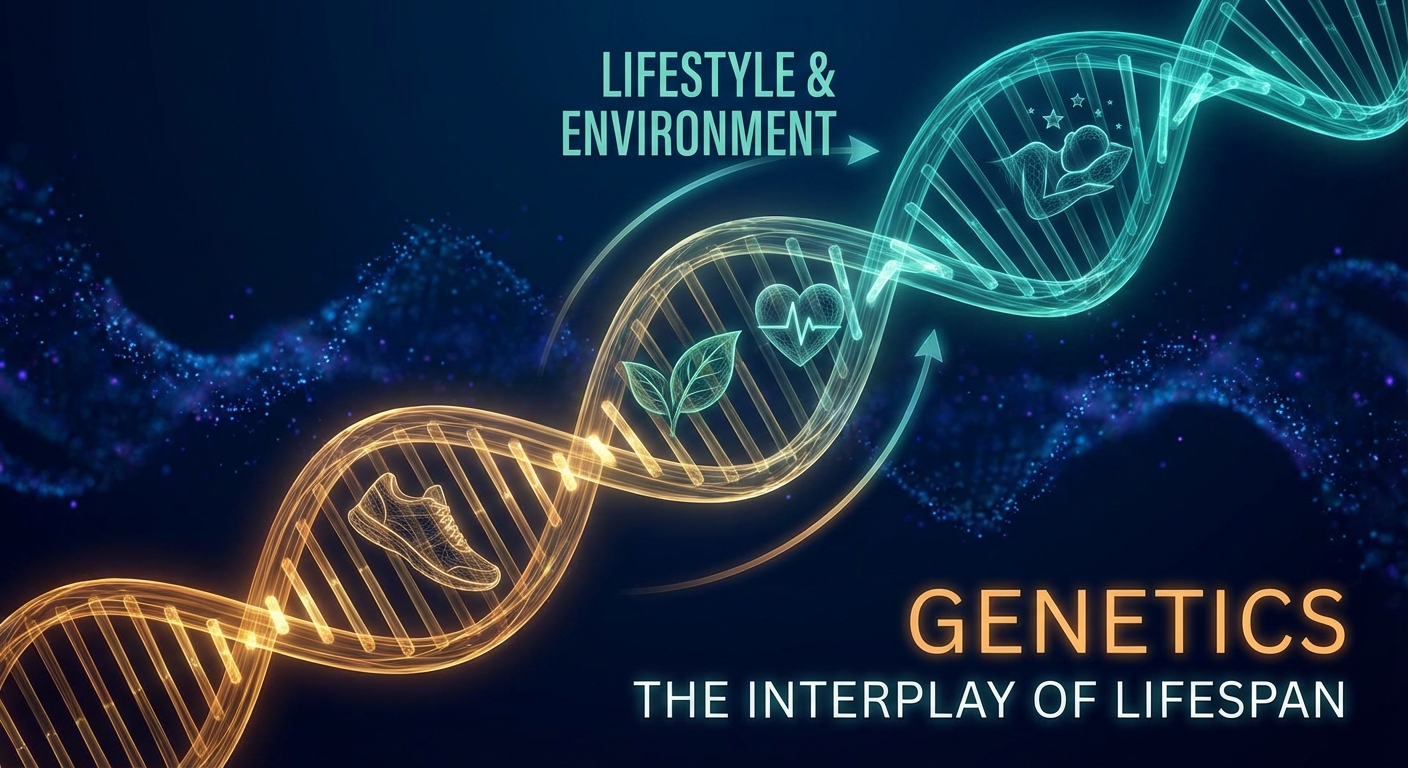
The mechanism appears to involve circadian disruption, the misalignment between your internal body clock and environmental cues. Lead researcher Dr. Daniel Windred noted that “markers and determinants of circadian disruption, like bright night light exposure, are strong predictors of poor health outcomes.” The team found that sleep regularity, which captures circadian disruption, proved to be a stronger predictor of mortality than sleep duration alone. In other words, when you sleep and how dark your environment is may matter more than hitting a specific number of hours.
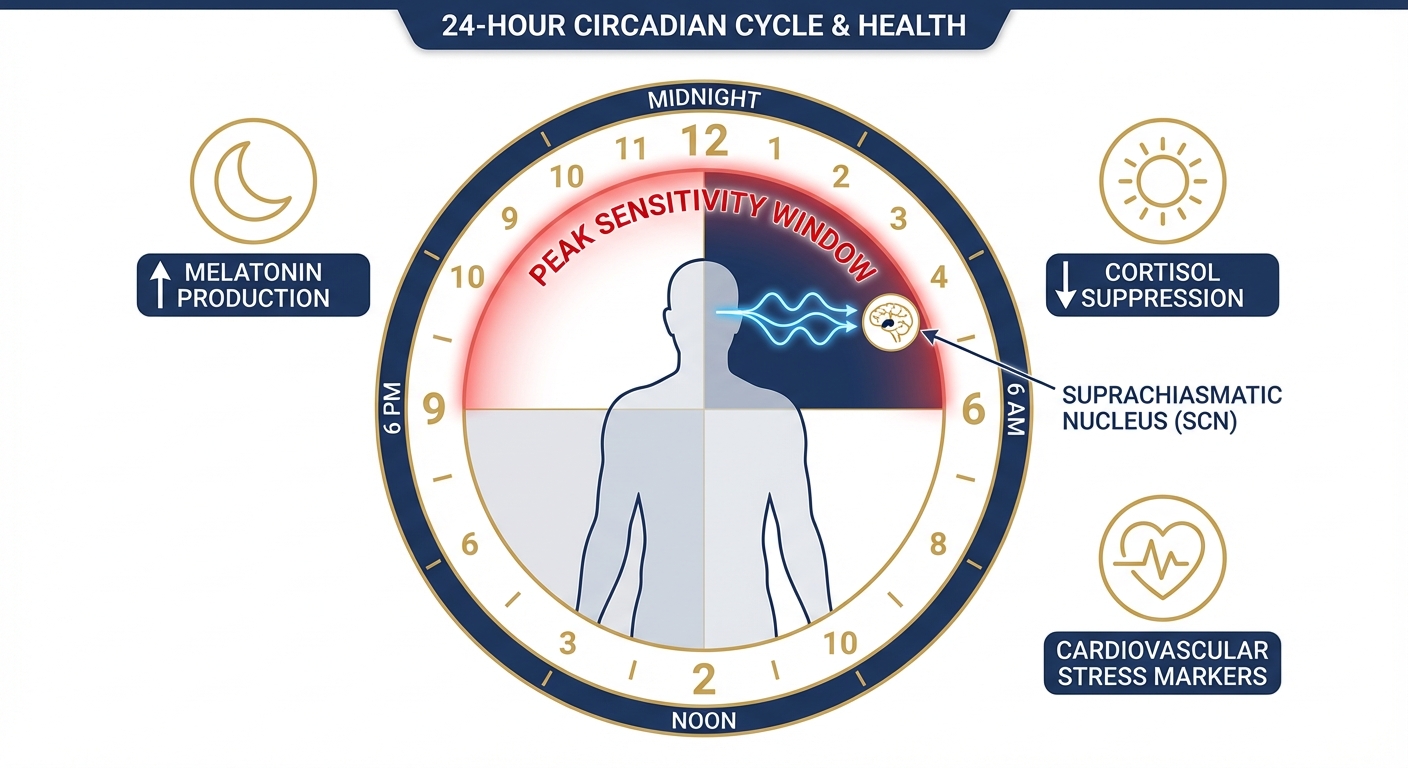
The biological vulnerability window is surprisingly specific. Research shows our bodies reach peak sensitivity to light stimulus between midnight and 6 AM. Exposure during this period, particularly to bright light or blue-spectrum light, causes the body clock to begin resetting. This isn’t a gentle nudge; it’s a fundamental disruption to the hormonal and metabolic processes that normally occur during darkness.
Why Light at Night Damages Your Heart
The connection between nighttime light and cardiovascular damage involves several interconnected pathways. First, light exposure suppresses melatonin production. Melatonin isn’t just a sleep hormone; it’s a potent antioxidant that protects blood vessels from oxidative damage during the night. When melatonin is suppressed, your cardiovascular system loses this protective effect.
Second, light exposure activates your sympathetic nervous system, the fight-or-flight response. Even if you don’t consciously wake up, your body responds to light as a signal to increase alertness. This raises heart rate, blood pressure, and stress hormones, none of which are supposed to be elevated during sleep. Over years, this chronic low-level activation contributes to arterial stiffness, inflammation, and cardiovascular remodeling.
Third, circadian disruption affects glucose metabolism and insulin sensitivity. Studies have shown that even a few days of circadian misalignment can induce prediabetic levels of glucose intolerance in otherwise healthy individuals. Chronic exposure compounds this effect, contributing to metabolic syndrome, a cluster of conditions that dramatically increases heart disease risk.
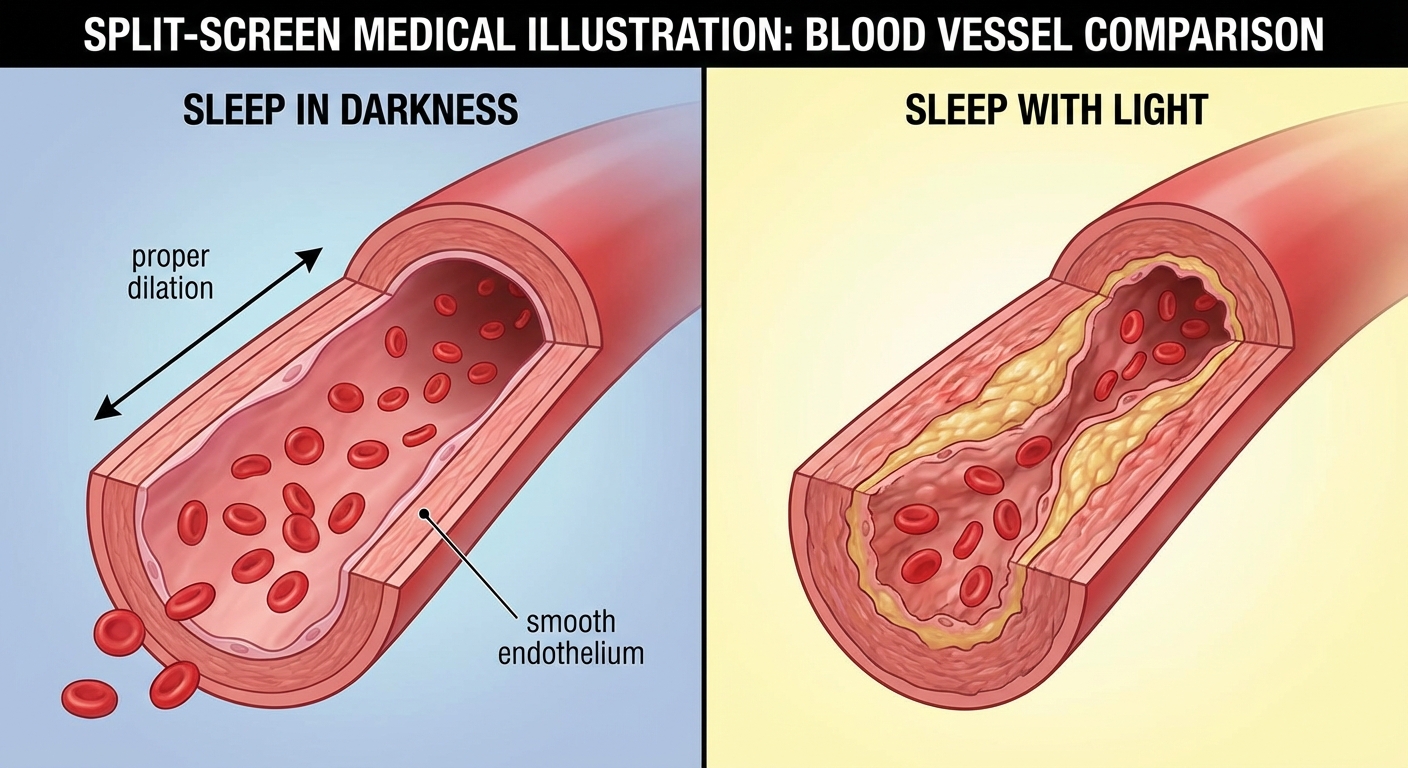
Research published in November 2025 from Oregon Health & Science University found that people with obstructive sleep apnea experienced circadian-driven impairment of blood vessel function overnight. This was the first study to demonstrate that the circadian system itself, independent of breathing disruptions, can impair vascular health. The implication is that even without diagnosed sleep disorders, circadian disruption from light exposure may cause similar vascular damage.
The Broader Cardiovascular Picture
The Harvard findings don’t exist in isolation. They build on a converging body of research linking circadian disruption to cardiovascular disease through multiple independent pathways. A 2024 analysis published in the European Heart Journal found that shift workers, who experience chronic circadian disruption from nighttime light exposure, had a 26% higher risk of major cardiovascular events compared to day workers even after controlling for other lifestyle factors. The risk was dose-dependent: the more years of shift work, the greater the cardiovascular burden.
Blood pressure regulation provides another window into the mechanism. Healthy individuals experience a natural “dipping” pattern where blood pressure drops by 10-20% during sleep. This nocturnal dip gives the cardiovascular system time to recover from daytime stress. Research has shown that light exposure during sleep can attenuate or eliminate this dip, creating a “non-dipping” blood pressure pattern that is independently associated with increased risk of stroke, heart failure, and cardiac death. Even modest light levels, equivalent to a dim hallway light, appear sufficient to blunt the nocturnal blood pressure decrease.
Endothelial function, the ability of blood vessel linings to dilate and regulate blood flow, also follows circadian patterns. When these patterns are disrupted by nighttime light, endothelial function deteriorates measurably within days. This impairment reduces the blood vessels’ ability to respond to changing demands and accelerates the development of atherosclerosis over time.
The Insomnia Connection
Australian researchers recently discovered another piece of the puzzle. A study published in Sleep Medicine found that people with chronic insomnia showed fundamentally different patterns of cognitive activity across the 24-hour cycle. Unlike good sleepers, whose mental state shifted predictably from daytime problem-solving to nighttime disengagement, those with insomnia failed to “downshift” as strongly.
Most intriguingly, cognitive peaks in insomnia patients were delayed by approximately six and a half hours compared to healthy sleepers. This suggests their internal clocks may be encouraging alert thinking well into the night, a phenomenon that light exposure can both cause and exacerbate. The relationship is bidirectional: light at night disrupts circadian rhythms, which promotes insomnia, which leads to more light exposure as people reach for phones or turn on lights during wakeful periods.
How to Protect Yourself
Creating a truly dark sleep environment requires more attention than most people realize. The goal is to achieve darkness comparable to a windowless room or a moonless night in a rural area, far darker than most bedrooms currently are.
Start with window treatments. Standard curtains allow significant light penetration; blackout curtains or blinds are necessary for true darkness. If your bedroom faces a street with lighting, even blackout curtains may not be sufficient. Consider blackout shades that fit within the window frame, eliminating light gaps at the edges. Some people find that wearing a high-quality sleep mask is more practical than achieving perfect room darkness.
Eliminate electronic light sources systematically. This includes charging indicator lights, standby LEDs on televisions, router lights, and digital clocks with bright displays. If you need a clock visible at night, choose one with red or amber light, which has less circadian impact than blue or white light. Alternatively, use a clock that only illuminates when you press a button.
Address bathroom visits strategically. If you typically use the bathroom at night, install a dim red or amber nightlight rather than turning on overhead lights. A single exposure to bright light during the midnight-to-6-AM window can suppress melatonin for the rest of the night. Some people find that keeping a red-filtered flashlight by the bed allows navigation without significant light exposure.
Consider light exposure timing during the day as well. Bright light exposure in the morning, particularly within the first hour of waking, helps anchor your circadian rhythm and may make you less susceptible to the effects of inadvertent nighttime light. Aim for 10-30 minutes of outdoor light exposure, or use a 10,000-lux light therapy box if morning outdoor time isn’t practical. This morning light signal reinforces the day-night contrast that your circadian system depends on, effectively strengthening the same biological rhythms that nighttime light undermines.
The Bottom Line
The evidence linking nighttime light exposure to cardiovascular disease has reached a critical mass. The Harvard study’s finding of a 50% increased risk represents a magnitude of effect comparable to traditional cardiovascular risk factors like smoking or hypertension. Unlike those factors, however, light exposure is relatively easy to modify.
Your bedroom likely isn’t as dark as you think it is. Take an honest assessment tonight: lie in bed with the lights off for five minutes while your eyes adapt. You’ll probably notice multiple light sources you’ve been ignoring, from the power strip under your desk to the smoke detector LED to the streetlight leaking around your curtains. For comprehensive strategies on optimizing your sleep environment and timing, see our guide on biohacking your sleep, and consider how morning walking benefits can reinforce the circadian rhythms that protect your heart.
Next Steps:
- Audit your bedroom for light sources tonight and eliminate or cover each one
- Invest in blackout curtains or a high-quality sleep mask if window light is significant
- Replace any blue or white nightlights with red or amber alternatives
- Avoid turning on bright lights during the midnight-to-6-AM window
- Get bright light exposure within an hour of waking to strengthen your circadian rhythm
Sources: Harvard Gazette December 2025 light exposure study, UK Biobank data (88,905 participants), Sleep Medicine research on circadian cognitive patterns, Oregon Health & Science University cardiovascular circadian research, Stanford Medicine daylight saving time analysis.