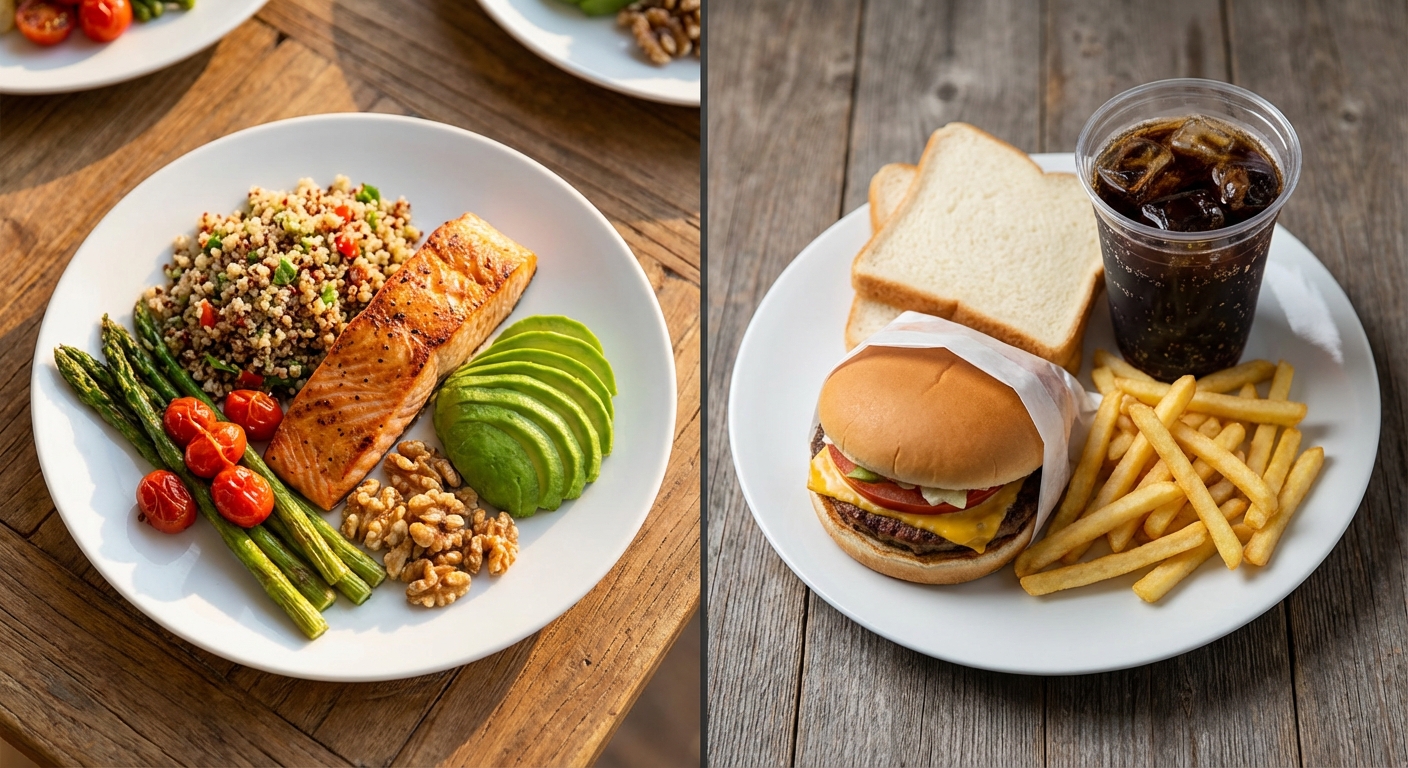
You made the switch to plant-based eating last January, motivated by promises of better heart health and lower disease risk. You replaced beef burgers with plant-based patties, swapped dairy milk for oat milk, and traded chicken nuggets for their meatless equivalents. The packages all featured health claims and images of vegetables. The nutrition labels showed less saturated fat than their animal counterparts. You felt confident you were protecting your cardiovascular system. Then a major new study landed with uncomfortable news: your ultra-processed plant-based diet might actually be increasing your heart disease risk by nearly 50%.
A December 2025 study published in The Lancet Regional Health, Europe, analyzing data from 63,835 adults over 11 years, has fundamentally challenged the assumption that plant-based automatically means heart-healthy. The French NutriNet-Sante cohort study found that participants with the highest adherence to an ultra-processed plant-based diet had a 46% higher incidence of coronary heart disease and a 38% higher incidence of overall cardiovascular disease compared to those eating minimally processed plant foods. The processing level of food, not just whether it came from plants or animals, emerged as the dominant factor predicting cardiovascular outcomes.
This finding doesn’t indict plant-based eating itself. The same study found that participants eating minimally processed, nutritionally healthy plant foods had 44% lower coronary heart disease risk and 32% lower overall cardiovascular disease risk. The protective effects of whole plant foods remain robust. But the research makes clear that the industrial processing of those plants can completely erase, and even reverse, the cardiovascular benefits that motivated many people to adopt plant-based diets in the first place.
What Makes Plant Foods “Ultra-Processed”
Understanding the distinction between beneficial and harmful plant foods requires familiarity with the NOVA food classification system, developed by researchers at the University of Sao Paulo and now used in nutritional research worldwide. This system categorizes foods into four groups based on the extent and purpose of their industrial processing, not just their nutrient content.
Group 1 includes unprocessed or minimally processed foods: fresh vegetables, fruits, legumes, whole grains, nuts, and seeds. These foods may be cleaned, cut, dried, or frozen, but they remain recognizable as the original plant. Group 2 covers processed culinary ingredients like oils, butter, sugar, and salt, which are used in cooking but rarely consumed alone. Group 3 includes processed foods, which combine Group 1 and Group 2 items: canned vegetables with added salt, fresh bread made from flour, water, salt, and yeast, or traditionally fermented foods. These remain relatively simple combinations of recognizable ingredients.
Group 4, the ultra-processed category, is where problems emerge. These products contain five or more ingredients, typically including substances not used in home cooking: emulsifiers, flavor enhancers, colorings, humectants, non-sugar sweeteners, and other industrial additives. The purpose of these additives is to create hyperpalatable products with extended shelf life and consistent sensory properties at low cost. Common examples include packaged snacks, instant noodles, reconstituted meat alternatives, many commercial breads, breakfast cereals, and sweetened beverages.

The plant-based food industry has exploded with Group 4 products designed to mimic the taste and texture of animal foods. These products often carry health halos because they’re marketed as vegan, vegetarian, or plant-based. But a plant-based burger containing methylcellulose, soy protein isolate, cultured dextrose, and natural flavors is an ultra-processed food regardless of its plant origin. The distinction matters because the health effects of ultra-processed foods appear to be driven by factors beyond their macronutrient composition, including their effects on the gut microbiome, their impact on satiety signaling, and the inflammatory potential of their additive ingredients.
The French study’s lead researcher, Mathilde Touvier, emphasized that their findings “highlight the need to consider both the nutritional quality and the degree of processing of foods, alongside the plant-to-animal balance in the diet.” A diet can be entirely plant-based and still be dominated by ultra-processed products. Conversely, a diet that includes some animal foods but is built primarily on whole plant foods may produce better cardiovascular outcomes than an ultra-processed vegan diet.
The Cardiovascular Evidence in Detail
The NutriNet-Sante study provides the most comprehensive look to date at how plant food processing affects heart health independently of overall plant-to-animal food ratios. The researchers created diet scores that captured both the nutritional quality of foods and their processing level, then followed participants for over a decade to track cardiovascular outcomes.
The dose-response relationship was striking. For each standard deviation increase in adherence to an ultra-processed, nutritionally poor plant-based diet, the risk of coronary heart disease increased by 25%. The association persisted after controlling for total energy intake, body mass index, physical activity, smoking, education, and other cardiovascular risk factors. The processing effect was not explained by obesity or metabolic syndrome, though these conditions were more common among high UPF consumers.

Interestingly, people who ate nutritionally higher-quality plant foods that were still ultra-processed, such as industrial wholemeal breads, store-bought soups, ready-made pasta dishes, or commercially prepared salads with dressing, did not experience reduced cardiovascular risk. The nutritional profile of these foods looked reasonable on paper: whole grains, vegetables, lower saturated fat. But the ultra-processing appeared to negate these benefits. This finding challenges the common assumption that choosing the “healthier” ultra-processed option is a meaningful improvement.
An earlier UK Biobank study involving over 118,000 participants found similar patterns. Eating plant-based ultra-processed foods was linked with a 7% increase in cardiovascular disease risk compared to eating unprocessed plant foods. That study also found that each 10% increase in ultra-processed food consumption was associated with a 6% increase in cardiovascular disease risk. The relationship between UPF intake and heart disease appears consistent across large European cohort studies.
The mechanisms driving these associations likely involve multiple pathways. Ultra-processed foods tend to be hyperpalatable and less satiating, promoting overconsumption. They often contain emulsifiers that damage intestinal barrier function and alter gut microbiome composition. They may trigger greater insulin responses than whole food equivalents with similar macronutrient profiles. Their inflammatory additive ingredients may directly affect vascular health. Research on how ultra-processed foods rewire brain hunger circuits has shown that these products alter brain structure in regions controlling appetite, potentially creating self-reinforcing overconsumption cycles.
Why Nutritional Equivalence Doesn’t Equal Health Equivalence
The finding that nutritionally similar foods produce different health outcomes depending on processing level challenges a core assumption of conventional nutrition science: that health effects can be predicted from macronutrient and micronutrient composition alone. A serving of instant oatmeal and a serving of steel-cut oats may have nearly identical fiber, protein, and carbohydrate content. Yet research consistently shows different metabolic responses to these foods.
The food matrix, the physical structure in which nutrients are embedded, affects how those nutrients are absorbed and metabolized. Whole grains require more mechanical breakdown during digestion, producing slower glucose release and lower insulin spikes compared to the same grains that have been pulverized, reconstituted, and extruded into convenient shapes. The fiber in a whole apple behaves differently than the same fiber extracted and added back to a processed fruit snack. Nutrients in isolation don’t predict the effects of nutrients in their native food context.

Ultra-processed foods also contain industrial additives with their own biological effects independent of the food’s nutritional profile. Emulsifiers like carboxymethylcellulose and polysorbate-80, commonly used in plant-based meat alternatives and dairy substitutes, have been shown in animal studies to damage the intestinal mucus layer, promote bacterial overgrowth in the small intestine, and increase intestinal permeability. These effects may contribute to low-grade chronic inflammation, a key driver of atherosclerosis and cardiovascular disease.
The inflammatory potential of ultra-processed diets shows up in biomarker studies. The French study found that C-reactive protein, a marker of systemic inflammation, was significantly elevated among high UPF consumers. Other research has linked ultra-processed food intake to elevated interleukin-6, tumor necrosis factor-alpha, and other inflammatory cytokines. These inflammatory markers are themselves predictors of cardiovascular events, suggesting inflammation as a mediating pathway between UPF consumption and heart disease.
Satiety differences further compound these effects. Ultra-processed foods are engineered to maximize palatability and consumption. They typically have weaker effects on satiety hormones like GLP-1 and PYY compared to whole food equivalents, leading to greater caloric intake. A 2019 NIH study that provided participants with either ultra-processed or unprocessed diets matched for available calories, macronutrients, sodium, sugar, and fiber found that participants ate approximately 500 additional calories per day on the ultra-processed diet and gained weight, while those on the whole foods diet lost weight. The foods were nutritionally matched, but the processing level fundamentally altered eating behavior.
Identifying Ultra-Processed Plant Foods
Navigating the grocery store requires learning to distinguish whole and minimally processed plant foods from their ultra-processed counterparts. Marketing language doesn’t help, as terms like “plant-based,” “natural,” and “made with whole grains” appear on highly processed products. The ingredient list provides the most reliable guide.
Ultra-processed foods typically contain ingredients you wouldn’t find in a home kitchen and couldn’t purchase in a grocery store. Look for emulsifiers (lecithin, carrageenan, xanthan gum, methylcellulose), protein isolates (soy protein isolate, pea protein isolate), modified starches, maltodextrin, dextrose, high-fructose corn syrup, inverted sugar, flavor enhancers (yeast extract, MSG, “natural flavors”), and colorings. A product containing five or more ingredients with several from this list is almost certainly ultra-processed.

Common ultra-processed plant foods include plant-based meat alternatives (burgers, sausages, nuggets, ground “meat”), many commercial plant milks (especially flavored varieties with added sugars and stabilizers), sweetened breakfast cereals (even those marketed as whole grain), packaged snacks and chips (including vegetable chips), instant noodles, commercial breads with long ingredient lists, ready-to-eat frozen meals, sweetened plant-based yogurts, and most packaged baked goods. These products may be vegan and may contain vegetables in some form, but their processing places them in the highest-risk category.
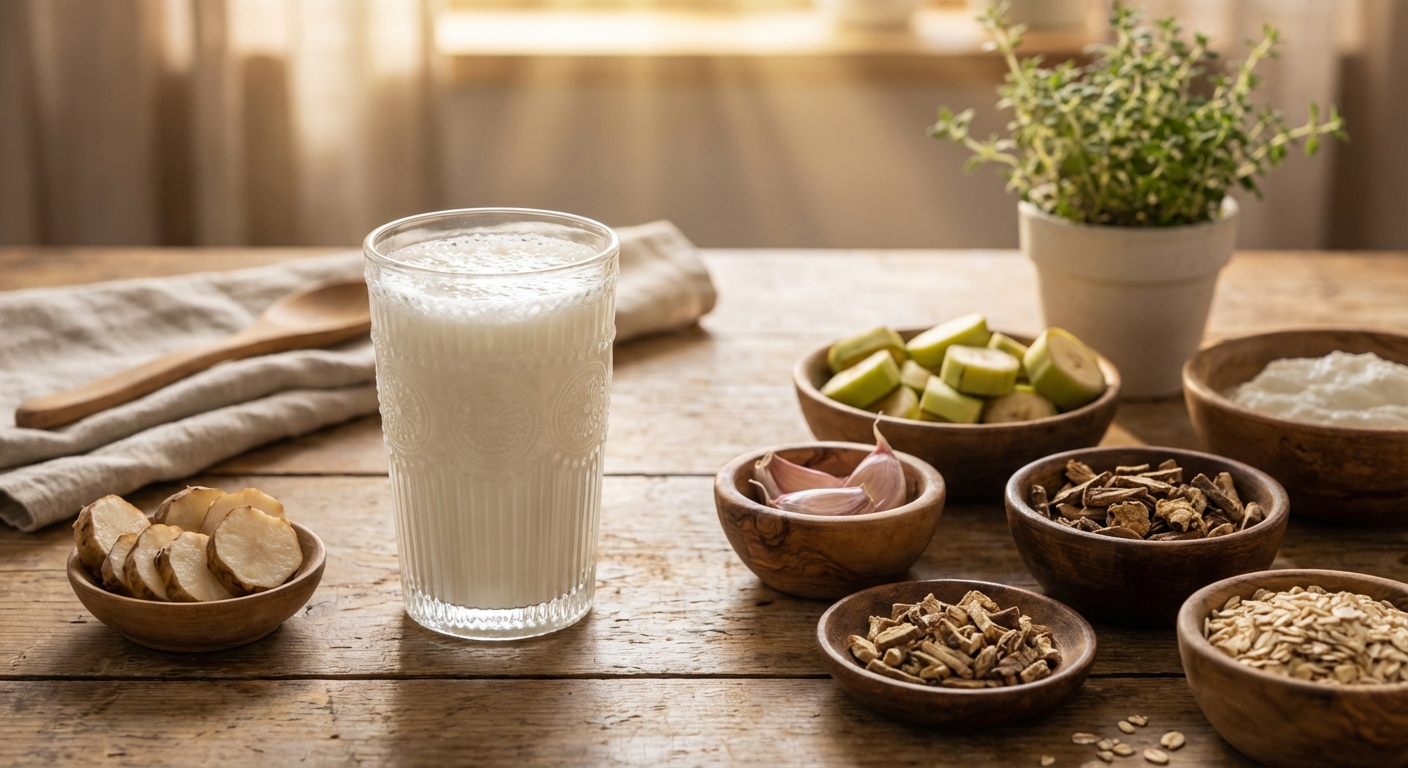
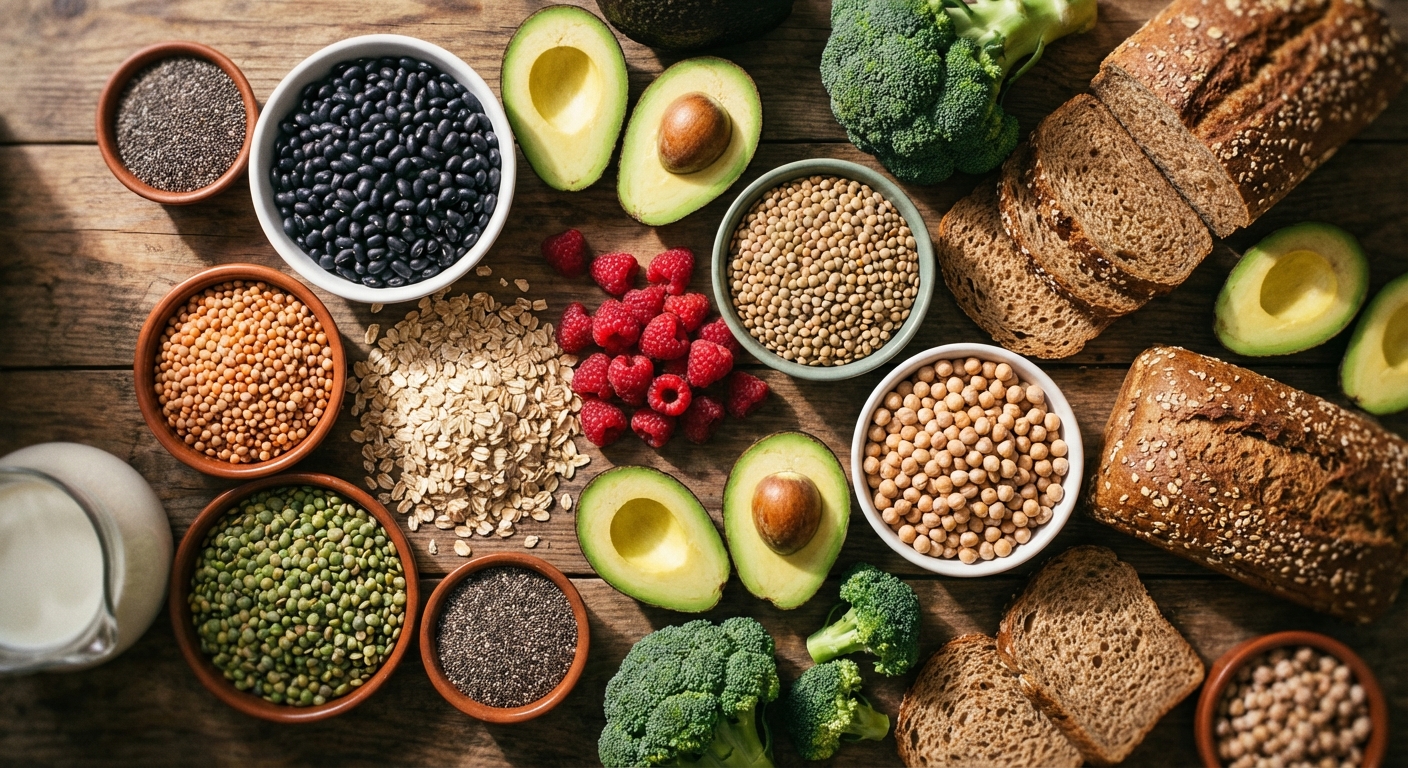
Minimally processed alternatives exist for almost every ultra-processed plant food. Instead of plant-based burgers, cook legume patties from whole black beans, chickpeas, or lentils at home. Instead of sweetened commercial oat milk, blend rolled oats with water and strain. Instead of instant oatmeal packets, cook steel-cut or rolled oats. Instead of vegetable chips, roast actual vegetables. Instead of packaged plant-based chicken, marinate and bake tofu or tempeh. These swaps require more time but preserve the cardiovascular benefits that motivated plant-based eating in the first place.
The 80/20 principle provides a reasonable framework. If 80% of your diet comes from NOVA Group 1 and Group 3 foods, minimally processed whole foods and simple traditional processed foods, occasional ultra-processed items are unlikely to significantly affect long-term cardiovascular risk. Problems arise when ultra-processed foods become dietary staples rather than occasional conveniences. For those interested in how nutrition timing can further optimize metabolic health, our guide on circadian-aligned eating explores how when you eat interacts with what you eat.
Practical Strategies for Whole-Food Plant-Based Eating
Transitioning from ultra-processed to minimally processed plant foods requires rethinking convenience rather than abandoning it entirely. Whole food plant-based eating can be practical for busy schedules with appropriate strategies and reasonable expectations.
Batch preparation transforms the economics of whole food cooking. Spending two hours on Sunday preparing a large pot of lentil soup, roasting a sheet pan of vegetables, cooking a batch of whole grains, and preparing overnight oats creates convenient building blocks for the week ahead. These components refrigerate well and combine into quick meals with minimal additional effort. The time investment compares favorably to the cumulative time spent on daily meal decisions and multiple cooking sessions.
Strategic equipment simplifies whole food preparation. A pressure cooker or Instant Pot reduces dried bean cooking time from hours to under an hour. A quality blender handles homemade plant milks, soups, and dressings. A food processor speeds vegetable preparation and makes homemade hummus and other spreads effortless. These one-time investments pay dividends in reduced reliance on processed alternatives.

The freezer extends the reach of batch cooking. Cooked grains, beans, and vegetable soups freeze well for months. Having these items ready to thaw means a whole food meal is always accessible, even on days when cooking isn’t possible. This eliminates the common excuse that processed foods are necessary for time-constrained moments.
Simple swaps accumulate into significant dietary change. Replace packaged cereal with overnight oats or cooked whole grains. Replace commercial bread with sourdough from a local bakery (check ingredients) or homemade bread. Replace plant-based meat products with marinated and baked tempeh, lentil-based dishes, or bean burgers made from whole ingredients. Replace sweetened plant milks with unsweetened varieties or homemade versions. Replace packaged snacks with fresh fruit, vegetables with hummus, or handfuls of nuts. None of these changes is difficult individually, and together they transform a diet’s processing profile.
Reading labels becomes a core skill. Fewer ingredients generally means less processing. Recognizable ingredients, things you could buy separately at a grocery store, indicate minimal processing. Short ingredient lists with items like “oats, almonds, salt” are fundamentally different from long lists containing methylcellulose, soy protein isolate, and natural flavors. When a product requires an industrial food science laboratory to manufacture, your body likely processes it differently than foods that could be made in a home kitchen.
The Bottom Line
The cardiovascular benefits of plant-based eating depend critically on how those plants are processed. Ultra-processed plant foods, despite their health halos and vegetable imagery, raise heart disease risk by up to 46% compared to minimally processed alternatives. The same study that demonstrated this harm found 44% reduced heart disease risk among those eating whole, minimally processed plant foods. The message isn’t that plant-based eating fails. It’s that ultra-processing undermines the very benefits people seek when they choose plants over animal foods.
The mechanisms involve more than nutrient profiles. Industrial emulsifiers damage gut barrier function. Hyperpalatable formulations override satiety signals. Inflammatory additives affect vascular health directly. These effects occur regardless of whether the product comes from plants or animals. A diet of ultra-processed vegan convenience foods may actually produce worse cardiovascular outcomes than a mixed diet built on whole foods from both plant and animal sources.
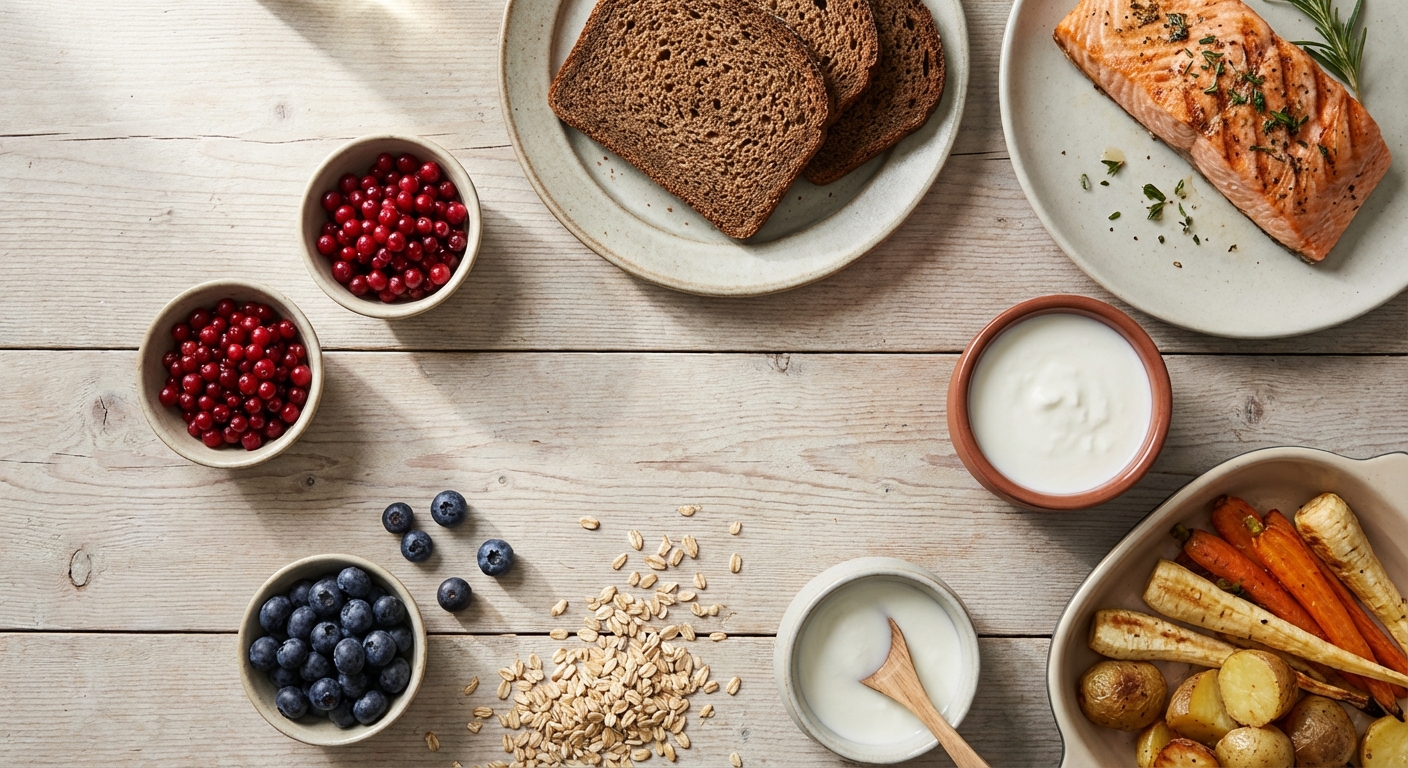
The practical path forward requires shifting from processed plant-based products back toward actual plants. Legumes, whole grains, vegetables, fruits, nuts, and seeds in their minimally processed forms provide the cardiovascular protection that plant-based eating promises. This means more time in the kitchen, more reliance on basic cooking techniques, and less dependence on industrial food science to manufacture convenient imitations of familiar foods. The trade-off is significant: a 44% reduction in heart disease risk among those who make this shift.
Action Steps:
- Audit your plant-based products using ingredient lists, looking for industrial additives and long ingredient lists
- Identify your most frequently consumed ultra-processed plant foods and research whole-food alternatives
- Implement batch cooking one day per week to create convenient building blocks for meals
- Replace plant-based meat alternatives with whole legumes, tofu, or tempeh at least three days per week
- Set an 80/20 target where minimally processed foods dominate and ultra-processed items become occasional rather than routine
Sources: The Lancet Regional Health, Europe (December 2025) French NutriNet-Sante cardiovascular outcomes study, UK Biobank plant-based UPF research (Imperial College London), NIH ultra-processed food feeding trial (2019), University of Sao Paulo NOVA classification system, Frontiers in Nutrition emulsifier research.