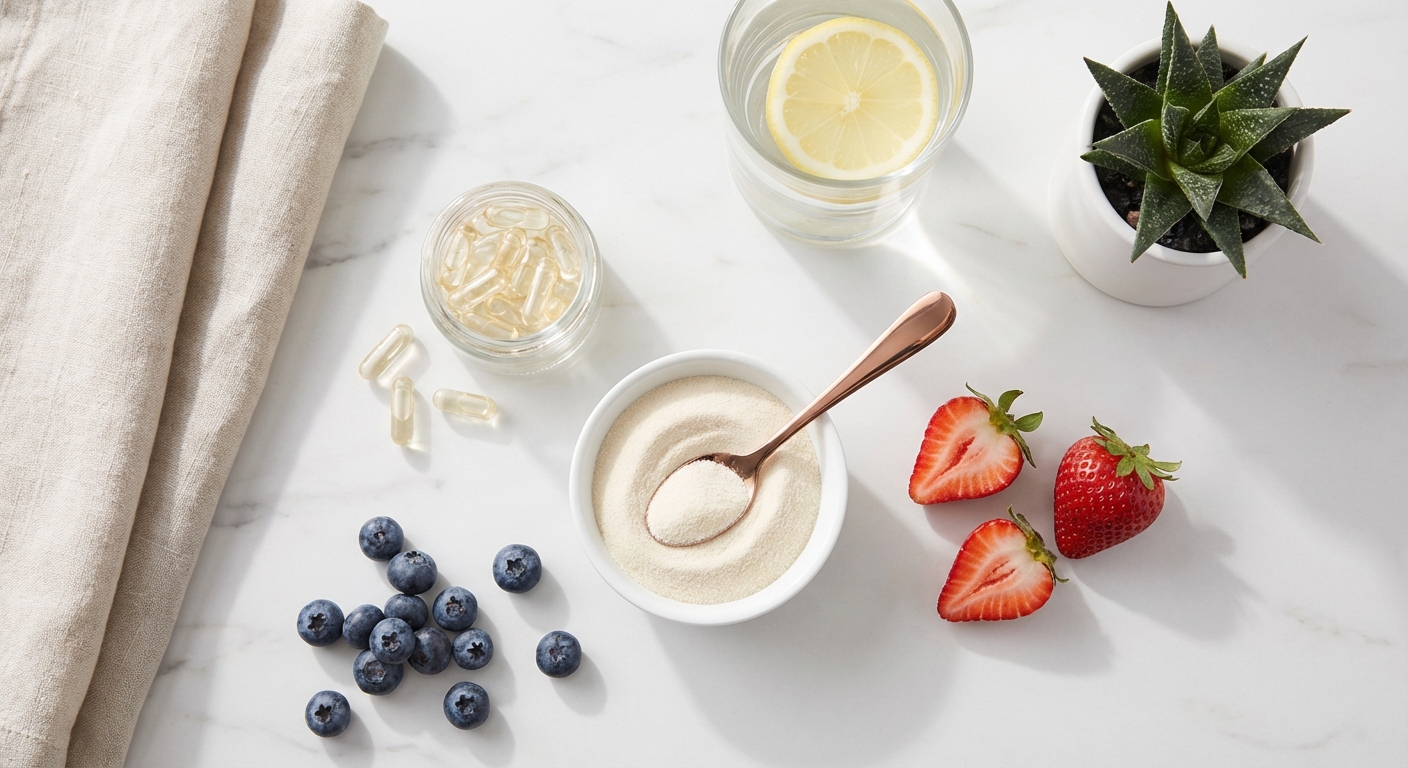
She’d spent over $15,000 on skincare products by age 35. Serums, creams, essences, toners, masks, devices. Her bathroom cabinet looked like a small retail operation. Yet the fine lines around her eyes kept deepening, the dullness persisted, and the promise of “radiant, youthful skin” remained perpetually unfulfilled despite the parade of products claiming breakthrough ingredients.
This story repeats itself across countless households because the fundamental approach is flawed. Topical skincare, no matter how sophisticated the formulation, faces a biological limitation: the skin’s outermost layer, the stratum corneum, exists specifically to keep things out. This barrier that protects us from pathogens and environmental insults also blocks most skincare ingredients from reaching the dermis, the deeper layer where collagen, elastin, and hyaluronic acid actually reside. The best topical products can hydrate the surface and provide modest improvement in texture, but they simply cannot deliver structural proteins to the depths where skin aging originates.
The nutricosmetics revolution, while perhaps overhyped in some marketing materials, represents a fundamentally different approach. By consuming beauty-supporting nutrients orally, we deliver them via the bloodstream directly to the dermis, hair follicles, and nail beds. This systemic delivery bypasses the barrier problem entirely. The global nutricosmetics market has grown to over $7 billion, and while industry growth doesn’t prove efficacy, the clinical evidence supporting certain interventions has become genuinely compelling. Not everything sold under the “beauty from within” banner works, but some approaches have earned their place in an evidence-based skincare strategy.
How Skin Actually Ages
Understanding why nutricosmetics might work requires understanding what’s actually happening as skin ages. The skin isn’t a static barrier but a dynamic organ undergoing constant turnover and remodeling. Several processes contribute to the visible signs of aging, and different interventions target different processes with varying degrees of success.
Collagen, the most abundant protein in your body, provides skin with its structural integrity and firmness. Your body produces less collagen each year after approximately age 25, with production declining roughly 1-1.5% annually. By age 50, you’ve lost approximately 25-30% of your skin’s collagen content compared to your younger self. This loss manifests as thinning skin, reduced firmness, and the development of lines and wrinkles where the underlying structural support has weakened. The dermis, which is approximately 70% collagen by dry weight, becomes progressively less dense and resilient.
Elastin, another structural protein, provides skin’s ability to snap back after stretching. Unlike collagen, elastin production essentially stops after puberty. The elastin you have now is largely the elastin you’ll have for life, which is why protecting it from UV damage and oxidative stress matters so much. Once degraded, elastin doesn’t regenerate meaningfully. The loss of elastin contributes to sagging and loss of skin’s bounce-back quality.
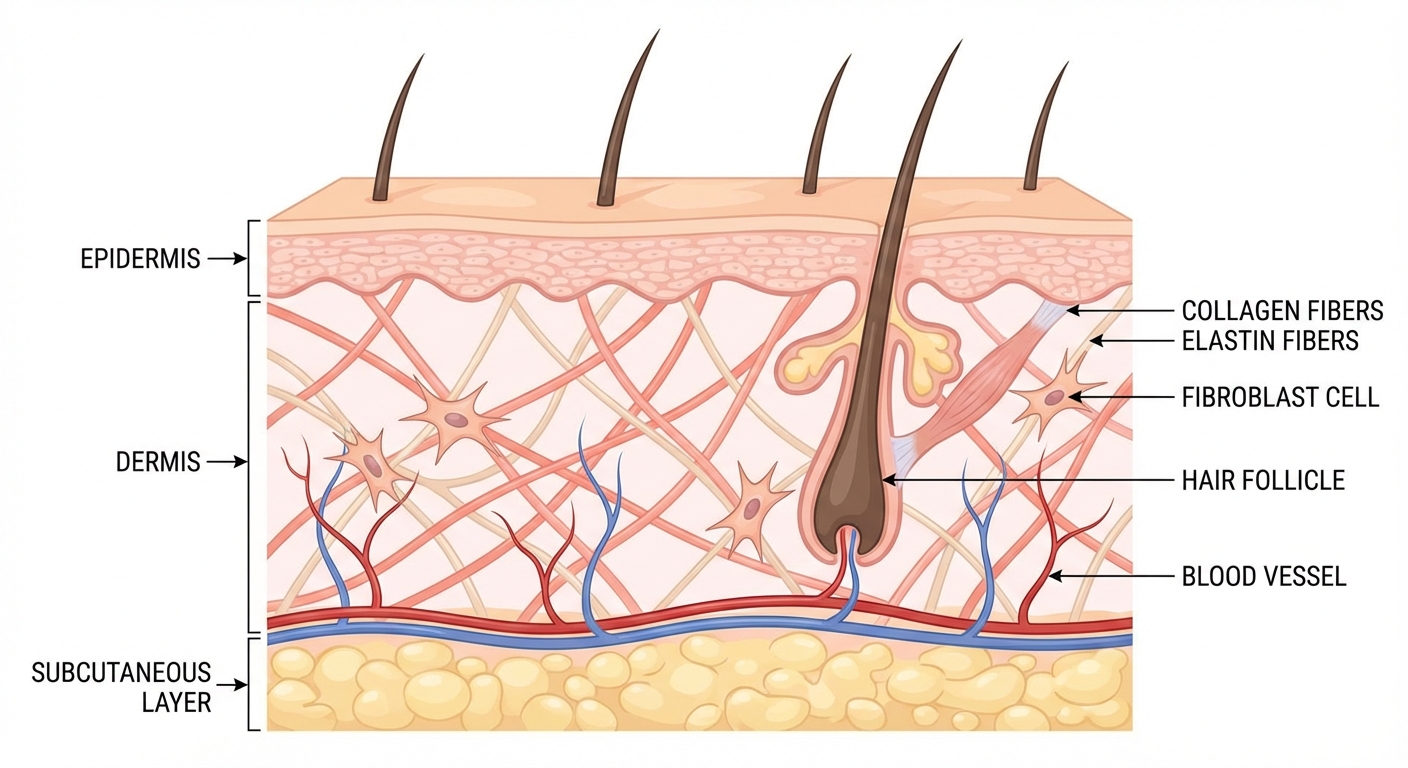
Hyaluronic acid, a glycosaminoglycan naturally present in skin, provides hydration by binding water molecules, up to 1,000 times its weight. Skin hyaluronic acid content decreases approximately 50% between ages 20 and 50. This decline contributes to loss of plumpness, increased appearance of fine lines, and the dehydrated, less-luminous quality that characterizes aging skin. Unlike the structural proteins, hyaluronic acid turns over rapidly, which means interventions that increase its levels can show relatively quick results.
The gut-skin axis represents an increasingly recognized connection between digestive health and skin appearance. Systemic inflammation originating in the gut, intestinal permeability allowing inflammatory compounds into circulation, and microbiome composition all influence skin health. Understanding how your gut microbiome affects overall wellbeing helps explain these connections. This explains why some people with chronic skin conditions like acne, rosacea, or eczema experience improvement when addressing gut health directly rather than treating only the skin’s surface.
Collagen Supplementation: What the Research Shows
Collagen supplements have become ubiquitous, appearing in everything from coffee creamers to protein bars. The fundamental question is whether consuming collagen actually increases collagen in your skin, or whether it’s simply digested into constituent amino acids like any other protein.
The answer appears to be more favorable than skeptics initially assumed. Hydrolyzed collagen, broken into smaller peptides (typically 2-10 kilodaltons) through enzymatic processing, does appear to reach the skin intact to a meaningful degree. Absorption studies using radiolabeled collagen peptides have tracked their distribution, finding that specific di- and tripeptides (particularly those containing hydroxyproline, an amino acid relatively unique to collagen) accumulate in skin tissue rather than being fully broken down and distributed generically.
The clinical trial evidence has become robust enough to warrant attention. For a deeper dive into the research, see our 2025 collagen supplements evidence review. A 2019 systematic review in the Journal of Drugs in Dermatology analyzed 11 randomized controlled trials involving 805 participants. The review found that collagen supplementation (2.5-10 grams daily) improved skin elasticity, hydration, and dermal collagen density compared to placebo. A 2021 meta-analysis in the International Journal of Dermatology, reviewing 19 studies with over 1,100 participants, reported that hydrolyzed collagen supplementation significantly improved skin hydration, elasticity, and wrinkle depth, with effects becoming apparent after 4-12 weeks of consistent use.
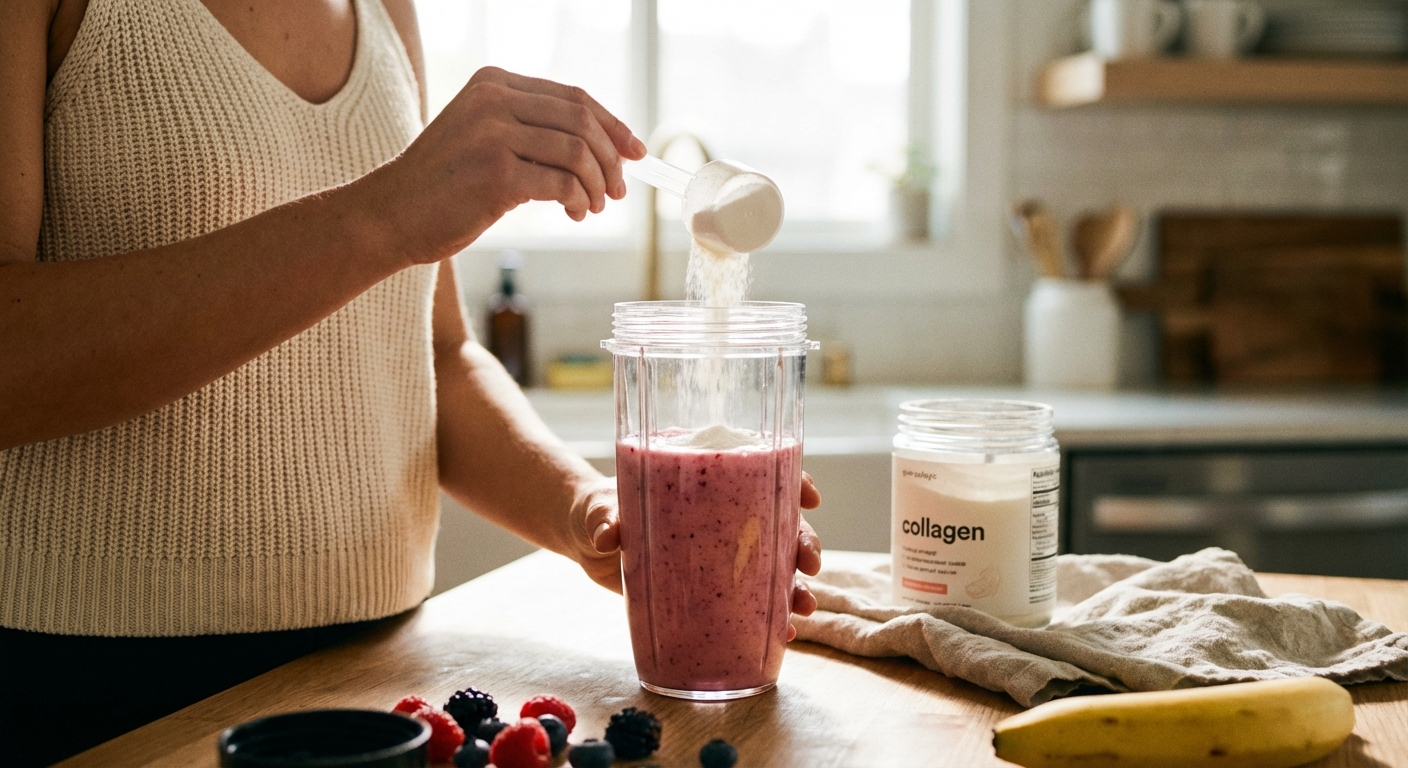
The mechanism appears to involve more than simply providing building blocks. Collagen peptides seem to act as signaling molecules that stimulate fibroblasts (the cells that produce collagen) to increase their activity. Research published in Skin Pharmacology and Physiology demonstrated that specific collagen peptides stimulate fibroblast proliferation and increase production of type I collagen, elastin, and fibrillin, the structural components of healthy dermis.
Practical implementation requires attention to dose and form. The effective doses in clinical trials typically range from 2.5-10 grams of hydrolyzed collagen peptides daily, with most studies using 5-10 grams. Marine collagen (from fish) and bovine collagen (from cattle) show similar efficacy in comparative studies, so choice can be based on dietary preferences or allergen considerations. Hydrolyzed (also called “collagen peptides”) is preferred over gelatin or native collagen because of superior absorption. Look for products specifying peptide molecular weight (2,000-5,000 daltons is typical) and third-party testing for purity.
Results require patience. Most studies show measurable improvement beginning at 4-8 weeks with progressive improvement continuing through 12 weeks and beyond. This isn’t a quick fix but rather a sustained intervention that becomes part of your daily routine.
Oral Hyaluronic Acid: Beyond Surface Hydration
Topical hyaluronic acid products are among the best-selling skincare items globally, but their benefits are largely limited to surface hydration since hyaluronic acid molecules are typically too large to penetrate the epidermis. Oral hyaluronic acid offers the possibility of increasing dermal hyaluronic acid content from within, though the evidence base is smaller than for collagen.
The theoretical concern is similar to collagen: would oral hyaluronic acid survive digestion intact? Research suggests that it does, at least partially. Studies using radio-labeled hyaluronic acid have demonstrated absorption from the gut and distribution to skin tissue. The mechanism may involve both direct incorporation of absorbed hyaluronic acid and stimulation of endogenous hyaluronic acid synthesis by skin cells.
Clinical evidence, while not as extensive as collagen research, shows promise. A randomized controlled trial published in the Journal of Clinical Biochemistry and Nutrition found that 120 mg daily of oral hyaluronic acid for 12 weeks significantly increased skin moisture content compared to placebo, with improvements measurable by both objective testing and subjective reporting. A 2017 study in the same journal using higher doses (240 mg daily) showed improved skin smoothness and reduced wrinkle appearance after 12 weeks.
The effective doses in research typically range from 120-240 mg daily of hyaluronic acid, with higher molecular weight forms (1,000+ kilodaltons) showing better results in some studies. Unlike collagen which is consumed in gram quantities, hyaluronic acid supplementation uses milligram doses. Products often combine hyaluronic acid with collagen peptides, which makes theoretical sense given their complementary roles in skin structure and hydration.
The Gut-Skin Axis: Probiotics for Complexion
The connection between gut health and skin health has moved from folk wisdom to established science over the past decade. The gut microbiome influences skin through several mechanisms: regulation of systemic inflammation, modulation of immune function, production of metabolites that affect skin cells, and maintenance of intestinal barrier integrity that prevents inflammatory compounds from entering circulation.
For acne specifically, the evidence for probiotic intervention has become compelling. A meta-analysis in Experimental Dermatology reviewing 14 clinical trials found that oral probiotics reduced acne lesion counts by an average of 25-30% compared to placebo, with effects comparable to some topical treatments and antibiotic regimens. The mechanism appears to involve reduction of systemic inflammation and direct antimicrobial effects, since some probiotic strains produce compounds that inhibit Cutibacterium acnes (the bacterium implicated in acne development).
Specific strains showing efficacy in research include Lactobacillus rhamnosus, Lactobacillus acidophilus, Bifidobacterium bifidum, and Saccharomyces boulardii. The effective doses typically range from 1 billion to 10 billion CFU daily, though some studies have used higher amounts. Strain specificity matters here; not all probiotics are equivalent for skin outcomes, and products should ideally specify the strains used rather than simply listing “probiotic blend.”
Beyond acne, preliminary research suggests probiotic supplementation may benefit other skin conditions including rosacea, eczema, and general skin barrier function. A study in the British Journal of Dermatology found that Lactobacillus rhamnosus supplementation reduced symptoms in adults with atopic dermatitis. The gut-skin axis represents an area of active research where evidence is accumulating rapidly, and stronger recommendations may emerge as more randomized trials complete.
Supporting Nutrients for Comprehensive Beauty
While collagen, hyaluronic acid, and probiotics receive the most attention in nutricosmetics, several supporting nutrients play essential roles in skin health that warrant consideration.
Vitamin C is required for collagen synthesis since it’s a necessary cofactor for the enzymes that stabilize collagen’s triple helix structure. Deficiency leads to impaired wound healing and fragile skin; even marginal insufficiency may limit collagen production capacity. Supplementation with 500-1,000 mg daily ensures adequate availability for collagen synthesis and provides antioxidant protection against UV-induced damage. Vitamin C also helps regenerate vitamin E, extending its antioxidant activity.
Vitamin E, the primary fat-soluble antioxidant in skin, protects cell membranes from oxidative damage and works synergistically with vitamin C. Dietary intake from nuts, seeds, and oils is generally sufficient, but supplementation (100-400 IU daily of mixed tocopherols) may benefit those with high oxidative stress exposure or limited dietary intake. Alpha-tocopherol is the most commonly supplemented form, but mixed tocopherols better reflect natural vitamin E composition.
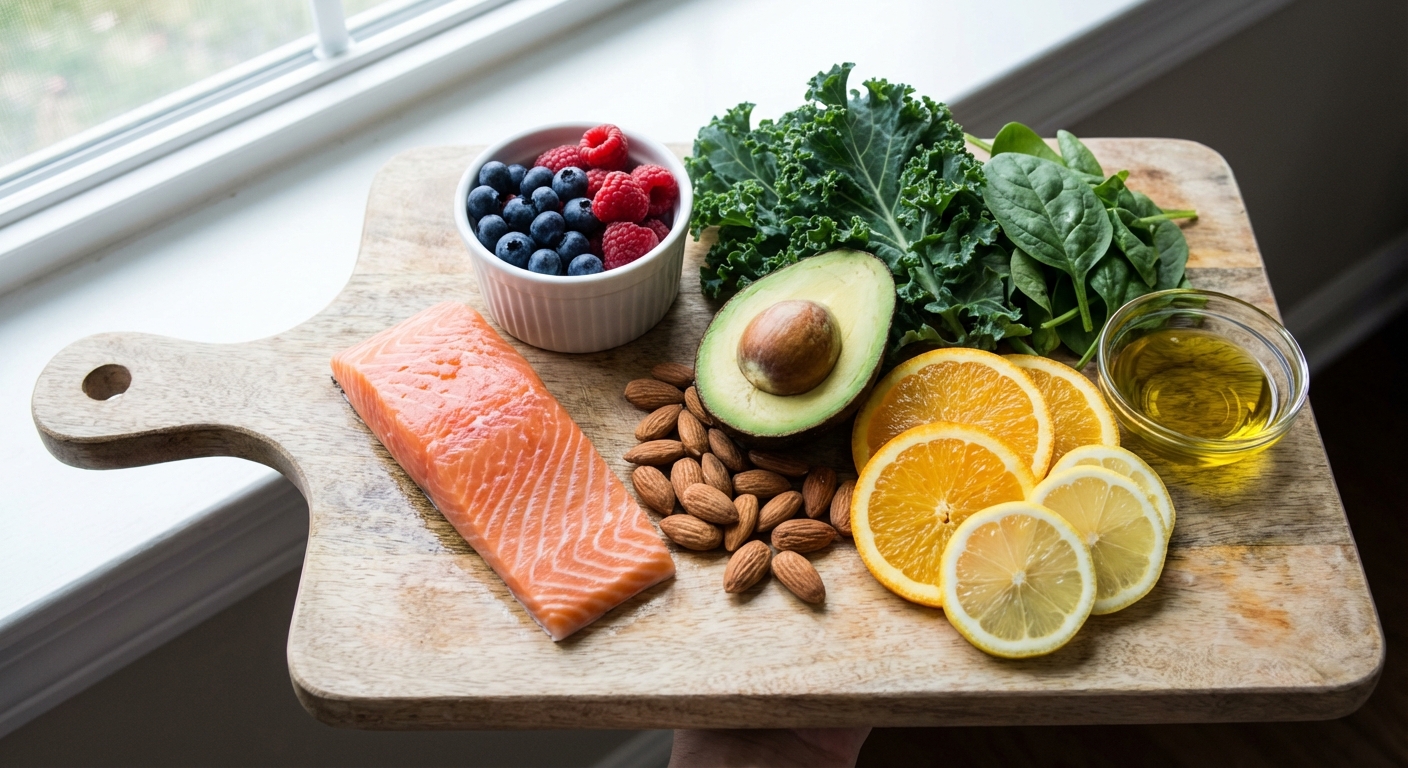
Biotin (vitamin B7) supports the keratin infrastructure that comprises hair and nails. While true biotin deficiency is rare, supplementation (2.5-5 mg daily) has shown benefits for brittle nails in multiple studies, with one trial demonstrating 25% improvement in nail thickness after 6 months. Evidence for hair benefits is less robust in people without deficiency, but biotin remains a common component of hair, skin, and nail formulations.
Omega-3 fatty acids from fish oil or algae (EPA and DHA, typically 1-2 grams combined daily) reduce inflammation, support skin barrier function, and may protect against UV damage. A diet chronically low in omega-3s is associated with dry skin, impaired barrier function, and increased inflammation. Supplementation particularly benefits those who don’t regularly consume fatty fish.
Astaxanthin, a carotenoid antioxidant from algae (the compound that gives salmon its pink color), has shown remarkable results for UV protection and skin aging in several clinical trials. Doses of 4-12 mg daily have demonstrated reduced wrinkle depth, improved moisture retention, and enhanced UV resistance, likely through its potent antioxidant activity and ability to accumulate in skin tissue.
Building a Practical Nutricosmetics Protocol
Given the evidence, a reasonable nutricosmetics stack might include hydrolyzed collagen peptides at 5-10 grams daily, added to morning coffee, smoothies, or simply mixed with water. The neutral taste of quality collagen products makes this easy to maintain. Expect initial changes in skin hydration within 4-6 weeks and progressive improvement in elasticity and fine lines over 3-6 months.
Hyaluronic acid at 120-240 mg daily can be taken with or without food. Some products combine hyaluronic acid with collagen in a single serving for convenience. Results typically appear faster than collagen, with hydration improvements often noticeable within 4-8 weeks.
A targeted probiotic containing strains with research support for skin health, typically Lactobacillus and Bifidobacterium species at 10+ billion CFU, taken daily with food. If you have specific skin conditions like acne, seek products containing strains shown to help those conditions specifically.
Vitamin C at 500-1,000 mg daily supports collagen synthesis and provides antioxidant protection. Vitamin E at 100-400 IU daily (mixed tocopherols preferred) complements vitamin C’s antioxidant activity. Omega-3s at 1-2 grams EPA+DHA daily if not consuming fatty fish multiple times weekly.
This protocol costs approximately $60-100 monthly depending on product quality and sources. That’s roughly equivalent to a single high-end serum that faces absorption limitations topical products cannot overcome.
The Holistic Context
Nutricosmetics work best as part of a comprehensive skin health strategy, not as a replacement for fundamental practices. Sleep (7-9 hours nightly) is when skin repair and collagen synthesis peak; chronic sleep deprivation accelerates skin aging through multiple mechanisms including elevated cortisol that degrades collagen. Sun protection remains the single most effective anti-aging intervention since UV exposure causes approximately 80% of visible skin aging through collagen degradation, elastin damage, and hyperpigmentation.
Hydration supports skin function, though the “drink 8 glasses of water for glowing skin” claim is oversimplified. Severe dehydration definitely affects skin appearance, but beyond ensuring adequate hydration, additional water consumption shows little evidence of incremental skin benefit. Similarly, while excessive alcohol and smoking demonstrably damage skin, moderate dietary variations probably matter less for skin appearance than the beauty industry suggests.
Stress management deserves mention because chronic stress elevates cortisol, which directly inhibits collagen synthesis and accelerates collagen breakdown. The person sleeping well, managing stress effectively, and using sun protection will see better results from nutricosmetics than someone ignoring these fundamentals while taking perfect supplements.
The Bottom Line
Nutricosmetics represent a legitimate, evidence-based approach to supporting skin health from within. The strongest evidence supports hydrolyzed collagen peptides (5-10g daily) for improving skin elasticity, hydration, and fine lines over 2-3 months of consistent use. Oral hyaluronic acid (120-240mg daily) offers complementary hydration benefits. Targeted probiotics can improve acne and potentially other inflammatory skin conditions through gut-skin axis modulation.
These interventions work by addressing skin aging at its source, in the dermis and through systemic pathways, rather than attempting to penetrate from the outside. They’re not miracle cures or replacements for sun protection and healthy lifestyle practices, but they represent genuine tools that research supports.
Your Next Steps:
- Start with hydrolyzed collagen peptides (5-10g daily) as the best-supported intervention
- Add after establishing the collagen habit: hyaluronic acid and a skin-targeted probiotic
- Ensure adequate vitamin C intake to support collagen synthesis
- Continue fundamental practices: sun protection, adequate sleep, stress management
- Evaluate results at 8-12 weeks; full benefits often take 3-6 months to manifest
The bathroom cabinet full of topical products isn’t necessarily wrong, but it’s incomplete. Real skin improvement comes from both directions: protecting and supporting from outside while nourishing the dermal layer from within.
Sources: Journal of Drugs in Dermatology systematic review 2019, International Journal of Dermatology meta-analysis 2021, Journal of Clinical Biochemistry and Nutrition, Skin Pharmacology and Physiology, Experimental Dermatology meta-analysis on probiotics, British Journal of Dermatology.