The average American consumes approximately 14 grams of fiber daily. The recommendation is 25 grams for women and 38 grams for men. That’s a shortfall of 40-60% for most people, and only about 5% of the population actually meets the target. This isn’t a minor nutritional gap; it’s a population-wide deficiency affecting virtually everyone, with consequences extending far beyond the digestive discomfort most people associate with fiber.
If there were a single nutritional intervention capable of reducing cardiovascular disease risk by 20-30%, cutting type 2 diabetes risk by 30-40%, lowering colorectal cancer incidence by 15-20%, improving weight management without calorie counting, and adding years to lifespan, it would be headline news. Fiber does all of this. The research is robust, replicated across dozens of large cohort studies and supported by clear biological mechanisms. A 2019 meta-analysis commissioned by the World Health Organization and published in The Lancet analyzed 243 studies and found that each 8-gram increase in daily fiber intake reduced cardiovascular disease, diabetes, and colorectal cancer risk by 5-27%, with benefits continuing up to intakes of 25-29 grams daily.
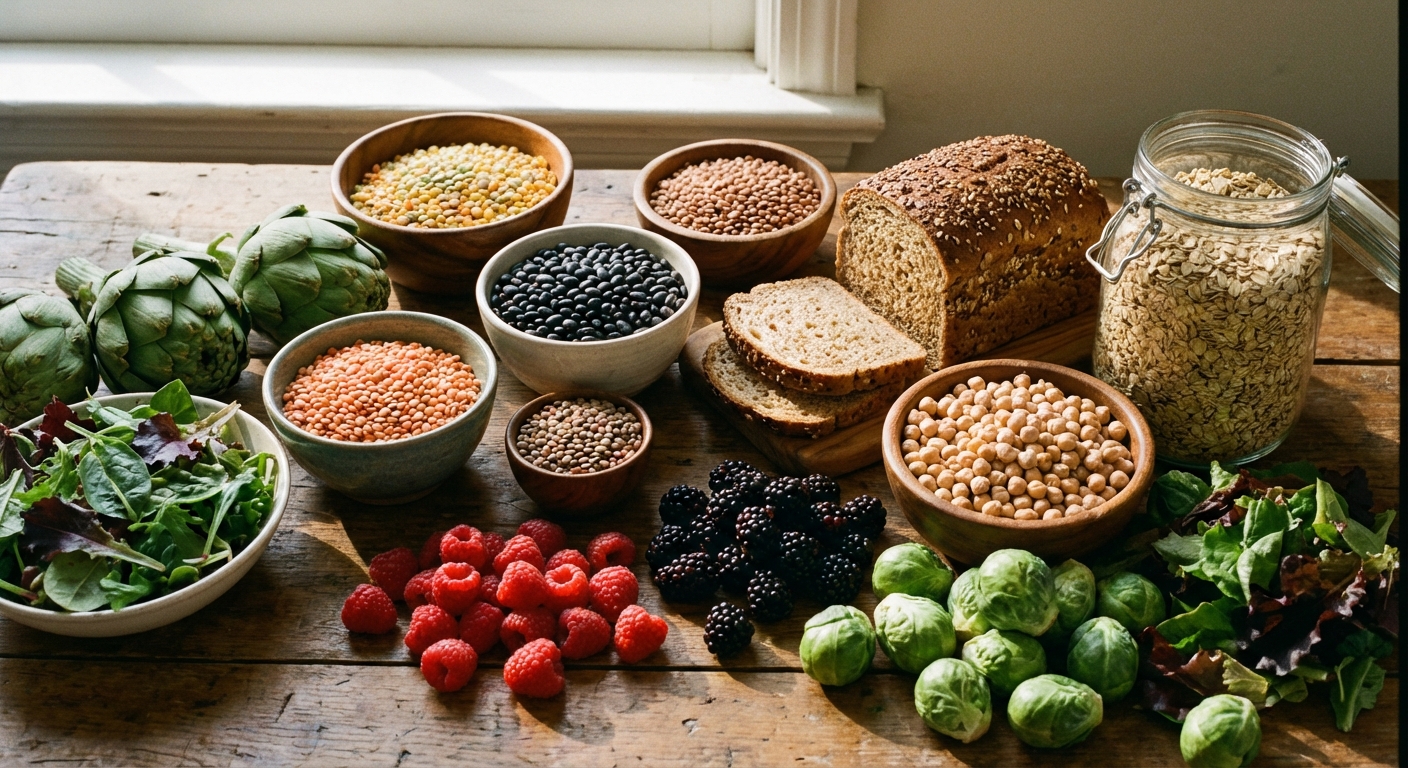
The gap between current intake and optimal intake represents one of the most significant missed opportunities in preventive health. Closing it doesn’t require exotic supplements, expensive foods, or dramatic dietary overhaul. It requires eating more beans, vegetables, whole grains, and fruit, foods that humans consumed abundantly for millennia before modern food processing stripped fiber from our diets.
What Fiber Does in Your Body
Fiber is the indigestible portion of plant foods, the structural material that holds plant cells together. Because humans lack the enzymes to break it down, fiber passes through the small intestine largely intact, eventually reaching the colon where it either ferments or adds bulk to stool. This apparent uselessness is precisely what makes fiber valuable: it does things that digestible nutrients cannot.
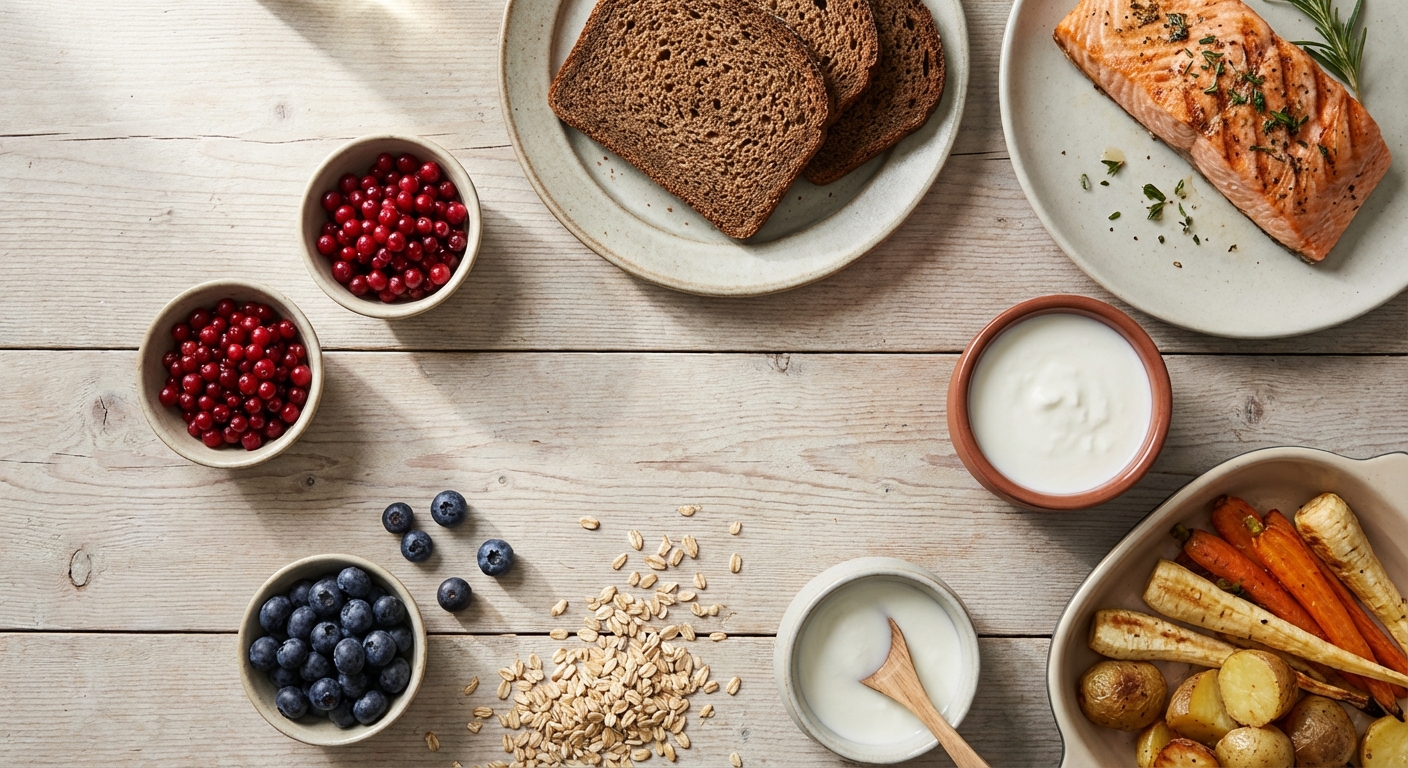
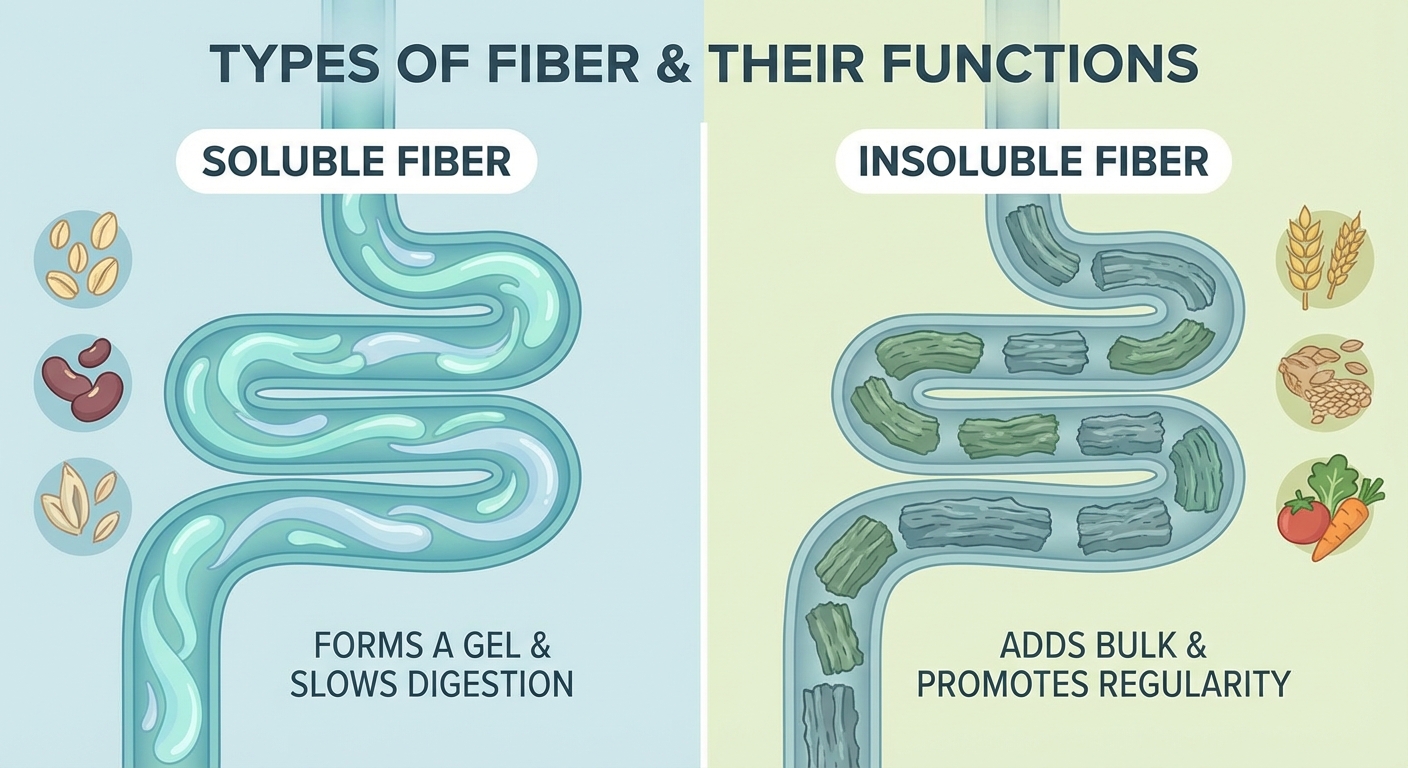
Soluble fiber dissolves in water, forming a gel-like substance in your digestive tract. This gel slows gastric emptying and carbohydrate absorption, which prevents the rapid blood sugar spikes that follow meals. It also binds to cholesterol-rich bile acids in the intestine, carrying them out of the body in stool rather than allowing reabsorption. Research shows that soluble fiber reduces LDL cholesterol by 5-10% at adequate intakes, an effect comparable to some cholesterol medications. Major sources include oats (particularly rich in beta-glucan), beans, lentils, apples, citrus fruits, and psyllium husk.
Insoluble fiber doesn’t dissolve, instead adding bulk to stool and speeding transit through the digestive system. Faster transit means less time for potential carcinogens to contact intestinal walls, which may explain part of fiber’s protective effect against colorectal cancer. Insoluble fiber also promotes regularity, preventing the constipation that affects 15-20% of Americans, along with the hemorrhoids and diverticular disease that result from chronic straining. Sources include wheat bran, whole grains, nuts, vegetable skins, and the structural components of most plants.
The microbiome connection represents fiber’s most profound and recently understood benefit. Your colon contains trillions of bacteria that ferment soluble fiber into short-chain fatty acids (SCFAs), particularly butyrate, acetate, and propionate. These compounds have effects throughout the body that researchers are only beginning to fully catalog. Butyrate serves as the primary fuel source for colonocytes (colon cells), maintains the integrity of the intestinal barrier, and has anti-inflammatory and potentially anti-cancer properties. Acetate and propionate enter the bloodstream and affect metabolism, appetite regulation, and inflammatory signaling in distant tissues including the brain.
When fiber intake is low, gut bacteria literally begin consuming the mucus lining of your intestine, a desperate adaptation that weakens the barrier protecting your bloodstream from intestinal contents. This contributes to the “leaky gut” phenomenon, where bacterial compounds and partially digested proteins cross into circulation and trigger inflammatory responses. Research from Dr. Eric Martens at the University of Michigan demonstrated this effect directly in mice fed fiber-free diets, showing progressive mucus degradation and increased susceptibility to intestinal pathogens. Your gut bacteria need fiber; without it, they’ll eat you instead.
The Disease Connections
The health consequences of inadequate fiber extend to virtually every major chronic disease, with large-scale population studies documenting consistent protective associations.
Cardiovascular disease risk drops substantially with higher fiber intake. The Lancet meta-analysis found that people consuming 25-29 grams of fiber daily had 15-30% lower risk of cardiovascular mortality compared to those consuming less than 15 grams. Each additional 8 grams of daily fiber reduced coronary heart disease risk by 19%. The mechanisms are well-characterized: soluble fiber binds bile acids, reducing cholesterol reabsorption; SCFAs from fermentation reduce inflammatory markers associated with atherosclerosis; and the satiety effects of fiber support weight management, which independently affects cardiovascular risk.
Type 2 diabetes shows one of the strongest associations with fiber intake. A meta-analysis in Diabetologia found that each 10-gram increase in daily fiber reduced diabetes risk by 15-19%. People consuming over 30 grams daily had 30-40% lower diabetes incidence than those under 15 grams. The mechanism involves fiber’s effect on blood glucose: by slowing carbohydrate absorption, fiber prevents the sharp glycemic spikes that stress insulin-producing pancreatic beta cells. Over time, this reduced glycemic variability preserves beta cell function and maintains insulin sensitivity.
Colorectal cancer is the third most common cancer in the United States and one of few cancers with clear dietary associations. A meta-analysis of 25 prospective studies found that each 10-gram increase in daily fiber reduced colorectal cancer risk by approximately 10%. People consuming 30+ grams daily had 20-25% lower risk than those under 15 grams. Proposed mechanisms include faster transit time reducing carcinogen exposure, butyrate’s protective effects on colonocytes, dilution of potential carcinogens in bulkier stool, and reduced inflammation through improved microbiome composition.
Weight management improves reliably with higher fiber intake. High-fiber foods require more chewing, slow gastric emptying, increase satiety hormone release, and are typically less calorie-dense than low-fiber alternatives. A meta-analysis found that increasing fiber intake by 14 grams daily led to average weight loss of 1.9 kg (4.2 pounds) over 4 months without deliberate caloric restriction. The satiety effect naturally reduces food intake, making fiber one of the most effective weight management tools that doesn’t require counting calories or restricting enjoyment.
Why Modern Diets Fall Short
Understanding why fiber intake collapsed over the past century helps explain why closing the gap requires intentional effort against the default food environment.
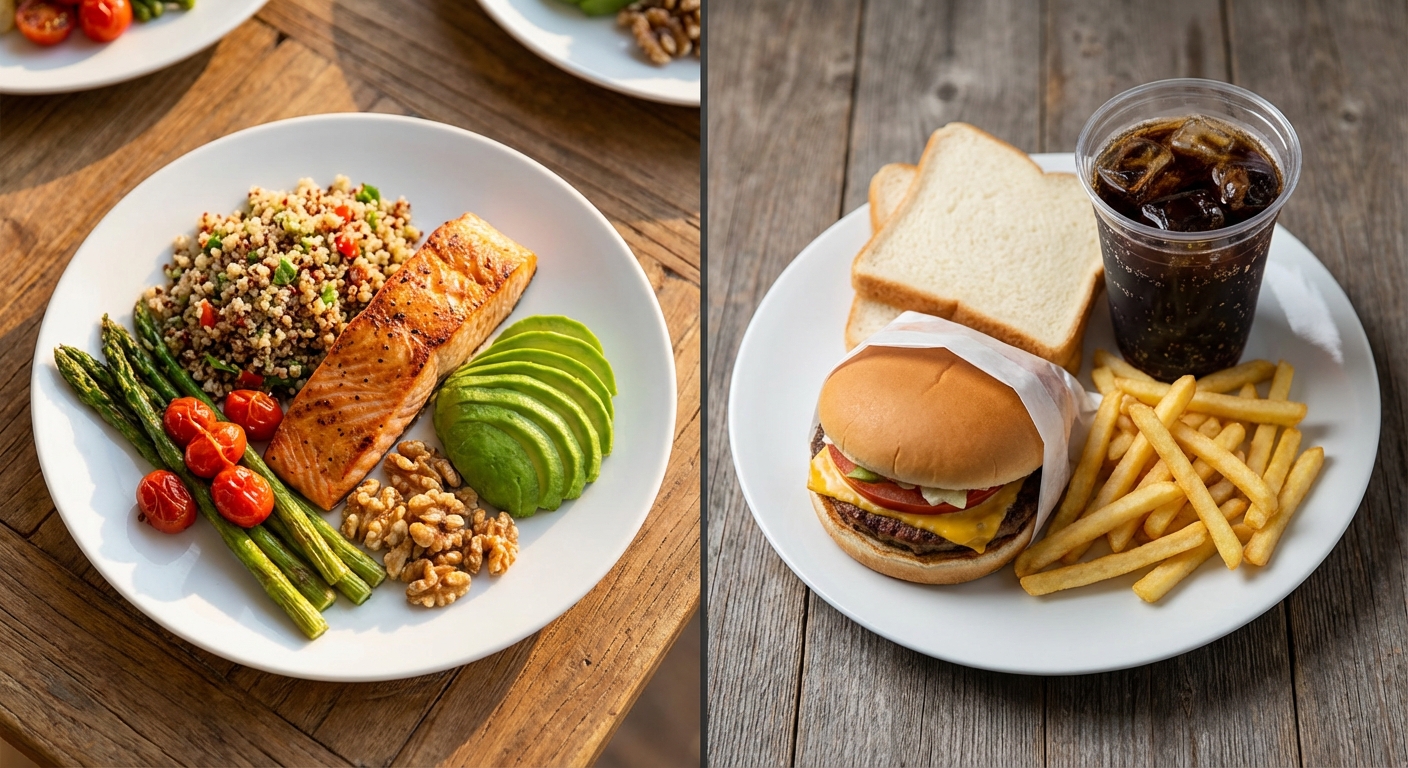
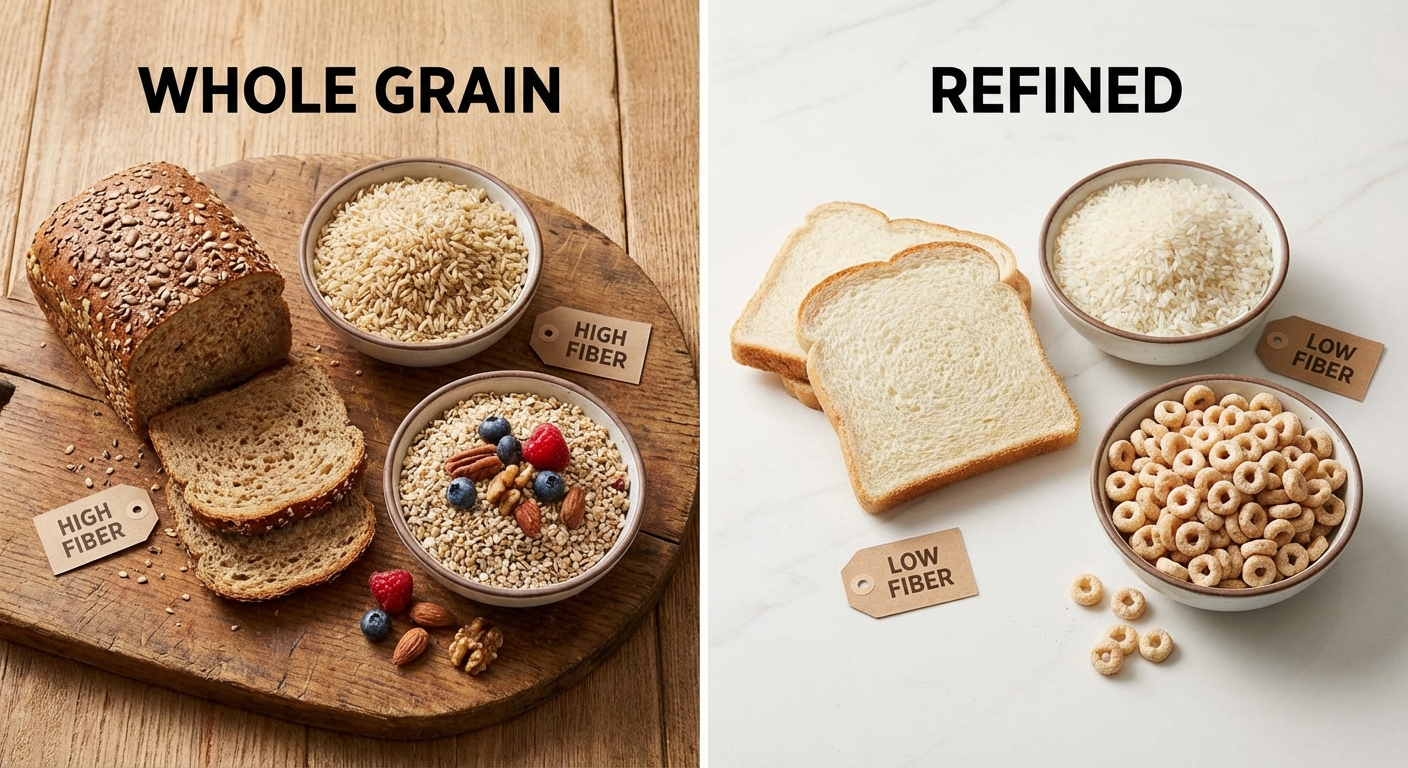
Grain refining stripped fiber from the foundation of most diets. Whole wheat contains approximately 12 grams of fiber per 100 grams; white flour contains about 2.5 grams. When milling technology made it economically viable to remove the bran and germ from grains, producing white flour that was softer, longer-lasting, and perceived as more prestigious, fiber disappeared from breads, pastas, cereals, and baked goods that form the caloric backbone of Western diets. The shift happened gradually enough that each generation accepted the fiber-depleted norm as baseline.
Vegetable and legume consumption declined as convenience foods replaced home cooking. Most Americans eat 1-2 servings of vegetables daily versus the 5-9 servings recommended. Legume consumption, despite beans being the single highest-fiber food category available, is minimal in typical American diets. A cup of lentils provides 16 grams of fiber, essentially half the daily recommendation, but many Americans rarely or never eat beans.
Ultra-processed foods dominate modern food supply with products engineered for convenience, shelf stability, and palatability, all goals that conflict with high fiber content. Ultra-processed foods now comprise approximately 60% of calories in the average American diet, and these products are overwhelmingly low-fiber. They’re pre-digested in manufacturing, requiring minimal chewing and absorbing rapidly in the small intestine, bypassing the colon where fiber would normally feed beneficial bacteria and produce health-promoting SCFAs.
The modern food environment is essentially designed against adequate fiber intake. Getting enough requires actively swimming against the current of convenience, choosing whole grains over refined, cooking beans and vegetables at home, and consciously prioritizing foods that the food industry has made less convenient and less prevalent than their low-fiber alternatives.
Practical Strategies for Increasing Fiber
Closing the fiber gap doesn’t require dramatic dietary transformation. Small, sustainable additions compound into adequate intake over time.
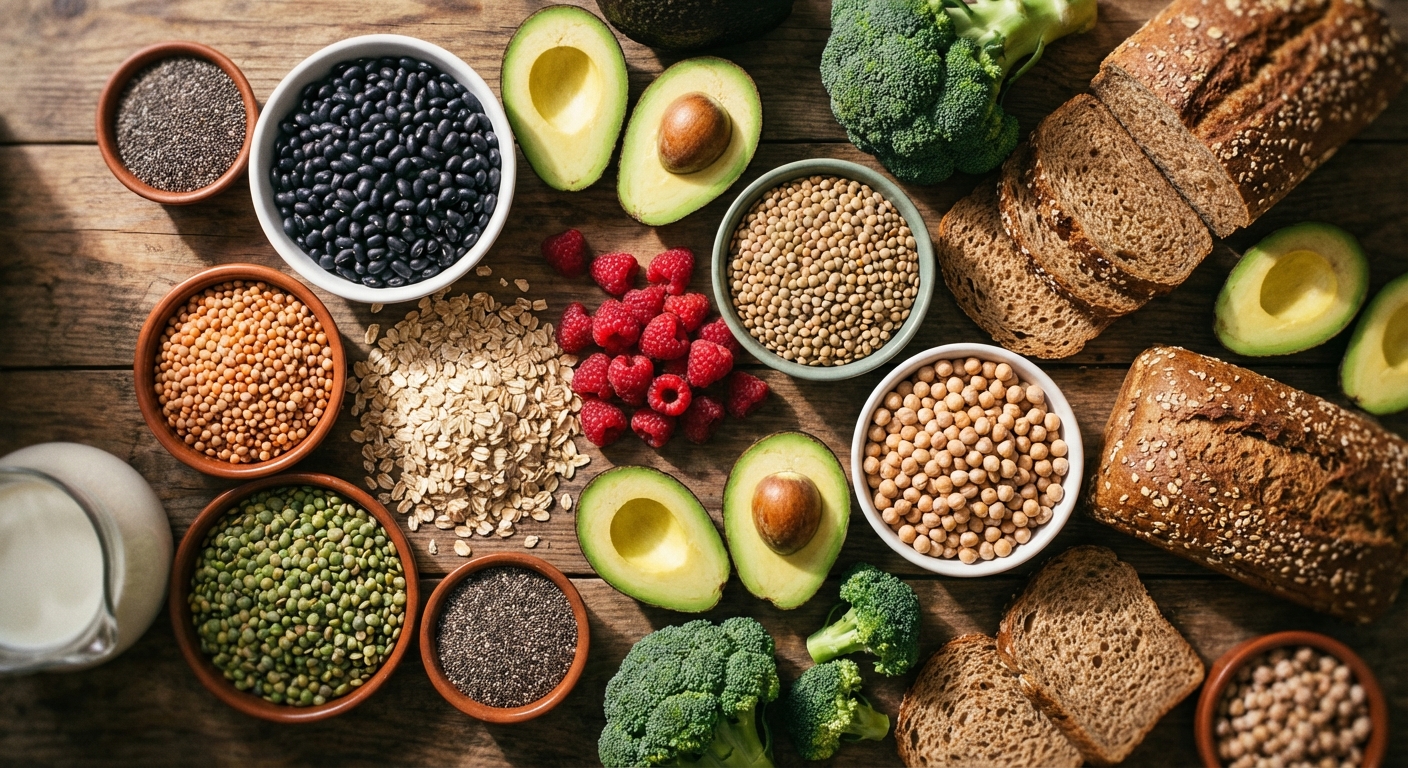
Legume integration provides the most efficient path to adequate fiber. Half a cup of cooked beans adds 7-8 grams of fiber to any meal. Add chickpeas to salads, black beans to burritos, lentils to soups, white beans to pasta dishes. The versatility of legumes means they can enhance almost any cuisine. For people who rarely eat beans, starting with lentils makes sense: they cook faster than other legumes (no soaking required), have milder flavor, and cause less digestive adjustment symptoms than some other beans.
Whole grain substitution requires no new recipes, just different ingredients. Brown rice instead of white adds 2-3 grams per cup. Whole wheat bread instead of white adds 2-3 grams per slice. Oatmeal instead of refined cereal adds 4-8 grams depending on portion size. These swaps maintain familiar meals while substantially increasing fiber. The resistant starch in cooked and cooled grains provides additional prebiotic benefits beyond standard fiber.
Vegetable expansion at every meal builds fiber incrementally. Double the vegetables in stir-fries. Add spinach to scrambled eggs. Include a large salad with lunch. Snack on raw vegetables with hummus. Each serving adds 2-4 grams of fiber, and the volume fills you up before you can overeat higher-calorie foods. High-fiber vegetables like artichokes (10 grams per medium), Brussels sprouts (4 grams per cup), and broccoli (5 grams per cup) provide particularly efficient sources.
Fruit with skins contributes fiber that juice doesn’t provide. An apple with skin has 4.5 grams of fiber; apple juice has zero. Berries are fiber powerhouses: raspberries deliver 8 grams per cup, blackberries 7.6 grams. Incorporating fruit at breakfast and as snacks adds fiber while satisfying sweetness preferences in ways that refined sugar cannot.
Nuts, seeds, and add-ins layer additional fiber onto existing meals. A tablespoon of ground flaxseed adds 3 grams to oatmeal, yogurt, or smoothies. Chia seeds provide 10 grams per ounce. Almonds offer 3.5 grams per ounce. These small additions, scattered across the day’s meals and snacks, accumulate substantial fiber with minimal effort.
Increasing Fiber Safely
The most common mistake when addressing fiber deficiency is increasing intake too rapidly. Jumping from 14 grams to 35 grams overnight causes bloating, gas, cramping, and discomfort that leads many people to conclude they “can’t tolerate fiber.” The problem isn’t fiber itself but the pace of increase.
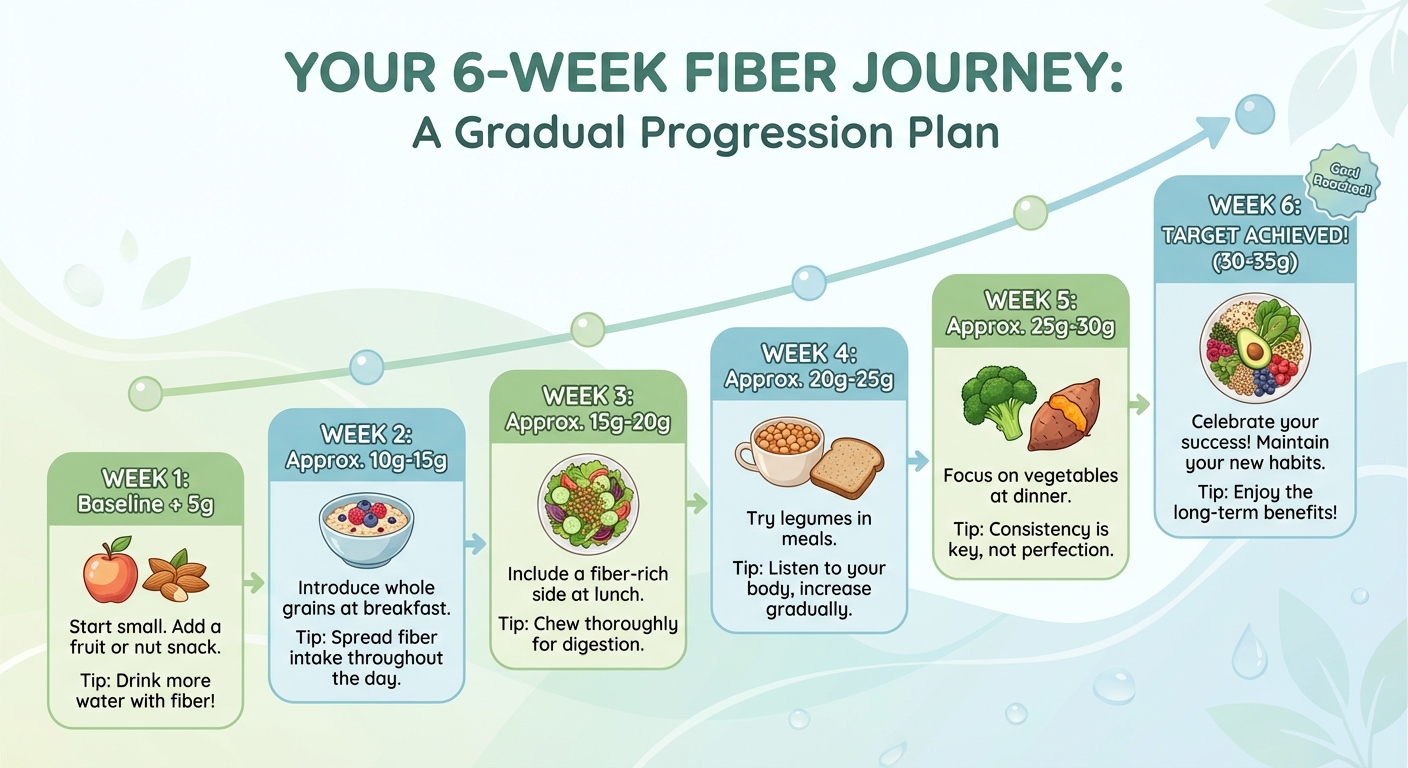
Gradual progression lets your gut bacteria adapt. The bacteria that ferment fiber need time to proliferate in response to increased substrate. Adding 5 grams per week, not per day, allows this adaptation without overwhelming your system. Week one: add 5 grams to baseline. Week two: add another 5 grams (now 10 above baseline). Continue until reaching 25-38 grams total, which typically takes 4-6 weeks.
Adequate hydration is essential because fiber absorbs water. Without sufficient fluid, high fiber can worsen constipation rather than improving it. Aim for 8-10 cups of water daily, increasing beyond baseline if significantly increasing fiber. The combination of fiber and water creates the bulk and texture that promotes healthy bowel movements.
Distributed intake prevents the concentrated fermentation that causes discomfort. Eating 35 grams of fiber in one meal will produce more gas than spreading the same amount across four meals and snacks. Structure eating to include fiber at every meal rather than loading it into one or two.
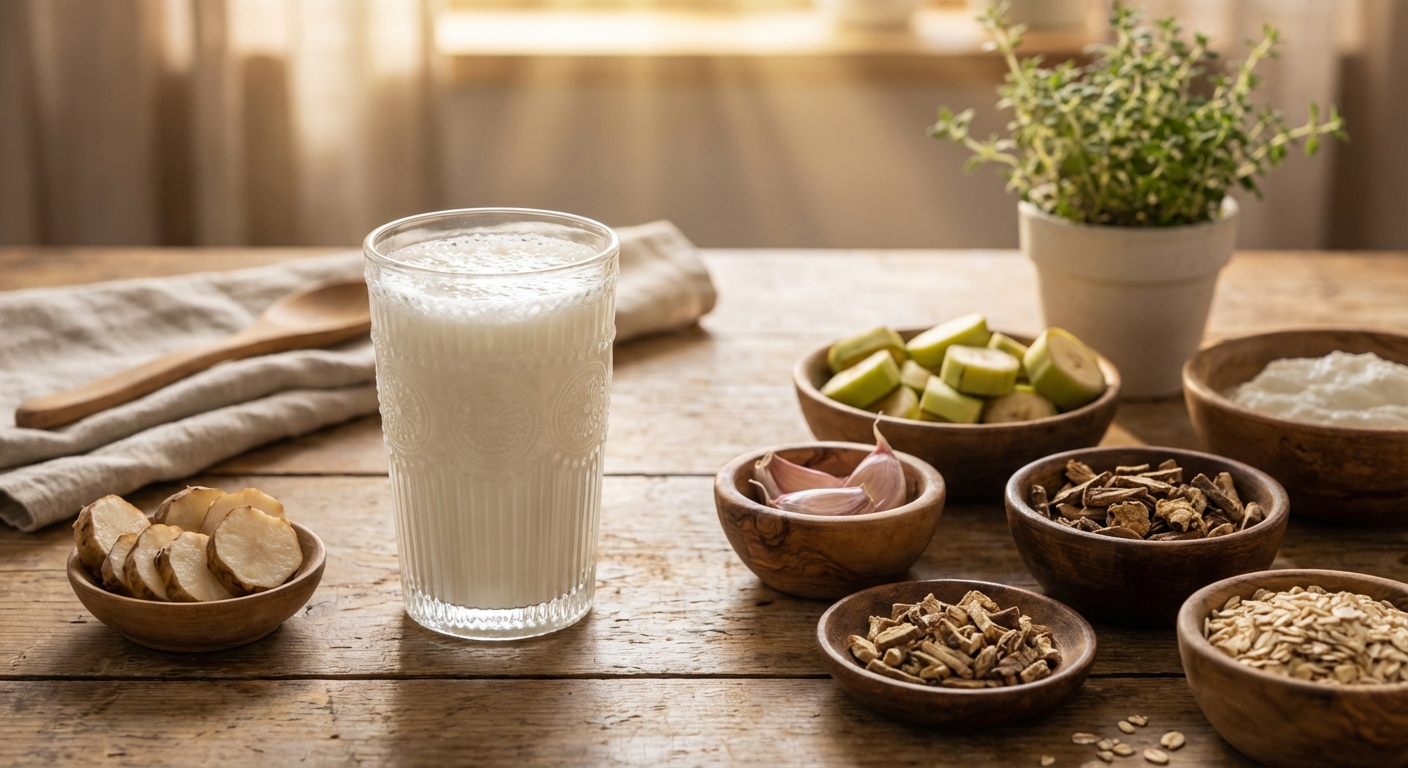
Food choice optimization addresses individual tolerances. Some fiber sources cause more digestive symptoms than others, particularly highly fermentable fibers like inulin from onions, garlic, and chicory root. If certain foods cause excessive gas, reduce those while increasing better-tolerated sources. Cooked vegetables generally cause less gas than raw. Canned beans cause less gas than dried (the canning process breaks down some of the oligosaccharides responsible for gas production). Psyllium fiber produces less gas than most food-based fibers.
Fiber Supplements: A Useful Tool
While whole food sources are ideal, supplements can help bridge the gap when diet alone falls short. Different supplements serve different purposes.
Psyllium husk is the most studied fiber supplement, effective for both regularity and cholesterol reduction. It’s soluble fiber that forms a gel, slowing glucose absorption and binding bile acids. Typical dose is 5-10 grams daily, taken with abundant water. It can cause bloating initially, so starting at 2-3 grams and increasing gradually is advisable.
Inulin and FOS (fructooligosaccharides) are highly fermentable prebiotic fibers that strongly feed beneficial gut bacteria. They’re effective for microbiome support but can cause significant gas, particularly at higher doses. Starting at 2-3 grams and increasing very gradually helps manage symptoms.
Acacia fiber is well-tolerated and less fermentable than inulin, producing less gas while still providing prebiotic benefit. It’s a good choice for people sensitive to more fermentable fibers.
Methylcellulose (Citrucel) is a non-fermentable fiber that adds bulk without feeding bacteria. It produces essentially no gas, making it useful for people who need regularity support without the fermentation-related symptoms. However, it lacks the prebiotic benefits that fermentable fibers provide.
Supplements should complement rather than replace food sources. Whole foods provide fiber within a matrix of nutrients, phytochemicals, and other compounds that isolated supplements lack. Use supplements to fill gaps when diet alone can’t achieve targets, not as the primary fiber strategy.
The Gut Health Foundation
Every gut health intervention works better when fiber intake is adequate. Probiotics need prebiotic fiber to fuel the bacteria you’re introducing. Fermented foods contribute bacteria that require fiber to establish and thrive. Even elimination diets aimed at identifying food sensitivities produce clearer results when fiber ensures normal gut function.
Research from the American Gut Project found that fiber intake predicts gut microbiome diversity better than any other single dietary factor. People eating 30+ different plant foods weekly (not 30 servings, but 30 different types) had significantly more diverse gut bacteria than those eating fewer than 10. This diversity correlates with immune function, metabolic health, and disease resistance.
The microbiome connection explains why fiber’s benefits extend beyond simple mechanical effects. When you feed your gut bacteria adequate fiber, they produce compounds that affect inflammation throughout your body, communicate with your brain to regulate appetite and mood, train your immune system to distinguish threats from harmless substances, and maintain the intestinal barrier that prevents inappropriate immune activation. Fiber isn’t just food for you; it’s food for the ecosystem inside you that profoundly affects your health.
The Bottom Line
The fiber gap represents one of the most significant nutritional deficiencies in modern Western diets, affecting 95% of the population and contributing to cardiovascular disease, diabetes, colorectal cancer, and shortened lifespan. The research documenting fiber’s protective effects is robust and consistent, with clear dose-response relationships showing that more fiber, up to 25-38 grams daily, means better health outcomes.
Closing the gap requires intentional effort against a food environment optimized for convenience over nutrition. It means choosing whole grains over refined, adding beans and lentils to your diet, doubling vegetables at meals, incorporating high-fiber fruits and snacks, and gradually building intake over weeks to allow gut adaptation. The changes need not be dramatic or immediate; small additions compound into adequate intake over time.
Your gut bacteria, your cardiovascular system, your blood sugar regulation, and your long-term cancer risk all respond to fiber intake. The 11-24 grams per day separating average intake from recommendations represents a substantial health opportunity hiding in plain sight. Start with one change, perhaps beans in one meal daily or switching to whole grain bread, and build from there. Your body, including the trillions of organisms living in your gut, will respond. For more on optimizing gut health, explore our guides on the gut-brain connection and fermented foods.
Sources: The Lancet WHO meta-analysis (2019), Diabetologia diabetes meta-analyses, American Journal of Clinical Nutrition cardiovascular studies, American Gut Project microbiome research, University of Michigan mucus degradation studies, British Medical Journal colorectal cancer meta-analyses.