The word “superfood” has been marketing-hijacked into meaninglessness. Açai bowls laden with 50 grams of sugar, promoted as health elixirs. Expensive powders from remote corners of the world, promising vague “wellness benefits” that evaporate under scientific scrutiny. Trendy ingredients that dominate Instagram for six months before being replaced by the next photogenic wonder food.
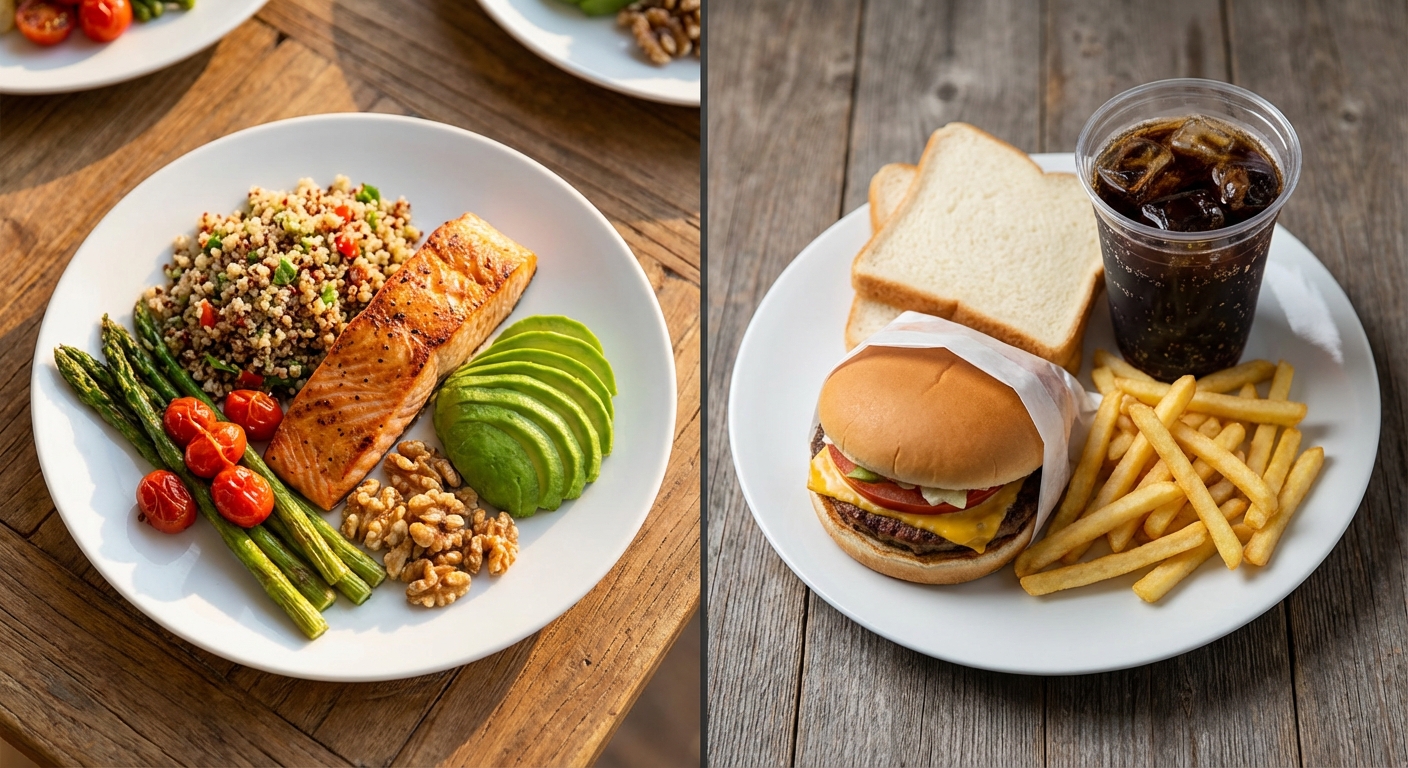
But strip away the marketing hype, and the concept of nutrient density, foods that deliver maximum health benefits per calorie, remains profoundly important. In an era of ultra-processed foods engineered to be hyperpalatable but nutritionally hollow, returning to genuinely nourishing foods isn’t nostalgia or food snobbery; it’s a practical necessity for anyone serious about long-term health.
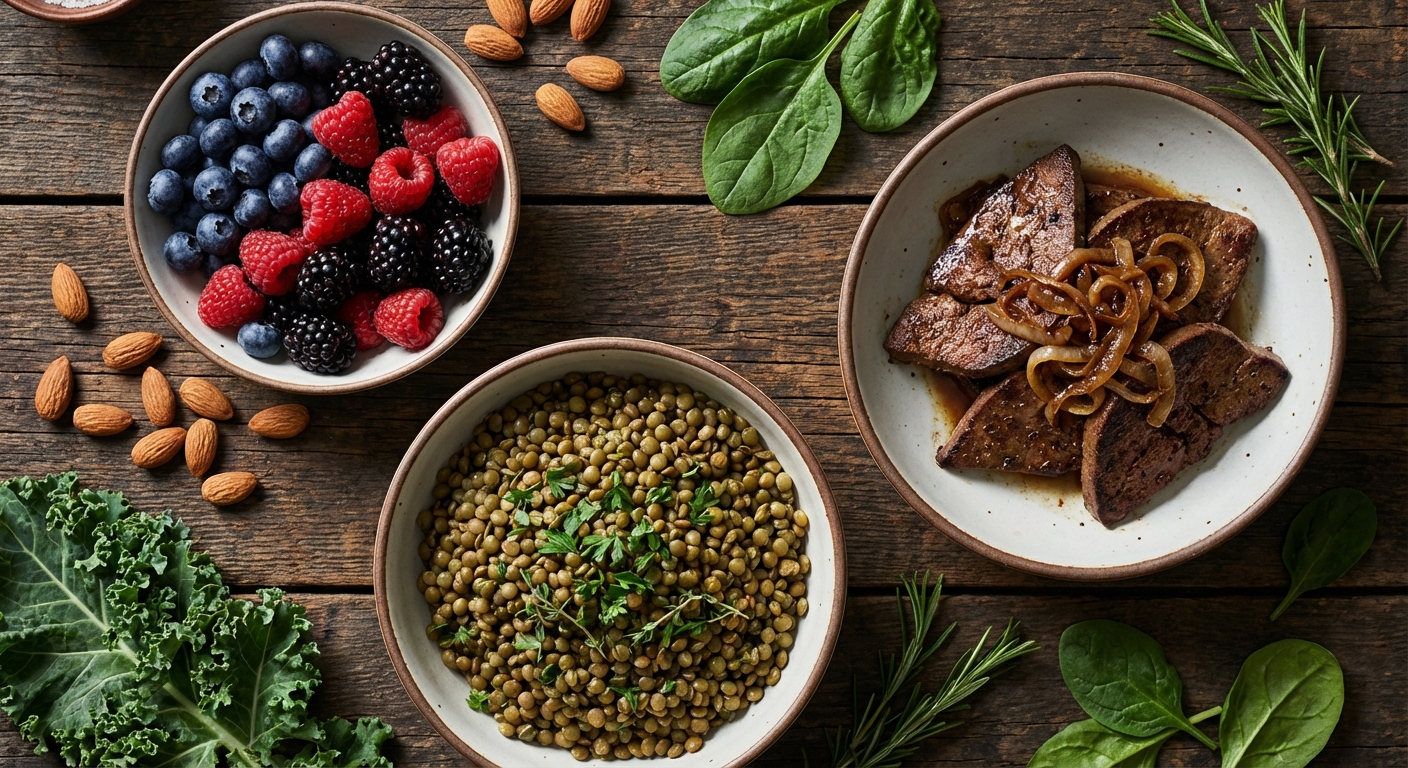
The genuinely super foods don’t require exotic sourcing or premium pricing. Berries, beans, and organ meats have supported human health for generations, appear consistently in research on the world’s longest-lived populations, and pack more measurable nutrition per serving than most expensive supplements or trendy superfoods combined. They’re affordable enough for any budget. They’re environmentally sustainable. They’re available at any grocery store. The best superfoods have been hiding in plain sight.
Berries: Concentrated Cellular Protection
Plants cannot run away from predators or hide from the sun. To survive environmental stress, they evolved complex chemical defense systems: compounds that protect cells from oxidative damage, ultraviolet radiation, and microbial attack. When we eat these plants, we ingest these defense chemicals, and remarkably, they confer similar protection to our own cells through a phenomenon called xenohormesis.
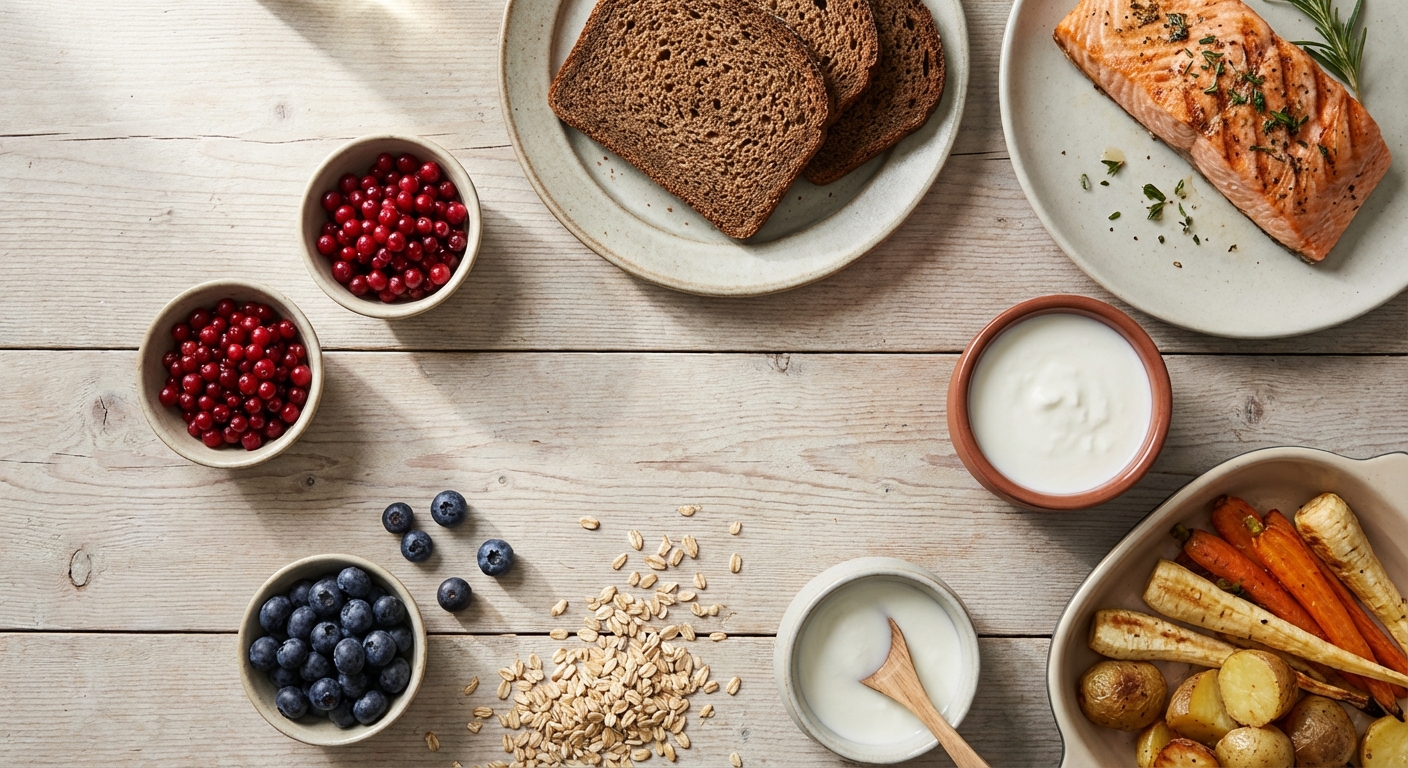
Berries are the undisputed champions of this protective chemistry. They’re packed with polyphenols, particularly anthocyanins, the pigments that give berries their deep red, blue, and purple colors. These aren’t just aesthetically appealing; they’re among the most potent antioxidants found in food, neutralizing free radicals and reducing systemic inflammation at the cellular level. Since chronic low-grade inflammation underlies most age-related diseases, from cardiovascular disease to diabetes to neurodegenerative conditions, berries target the root cause of multiple health problems simultaneously.
Blueberries have been particularly well-studied. Research published in the American Journal of Clinical Nutrition followed older adults with mild cognitive impairment who consumed blueberry juice daily for 12 weeks. The results showed measurable improvements in memory recall and processing speed compared to placebo, along with increased brain activation on functional MRI scans. The mechanism appears to involve improved blood flow to the brain and enhanced communication between neurons, with anthocyanins crossing the blood-brain barrier to exert direct protective effects on neural tissue.
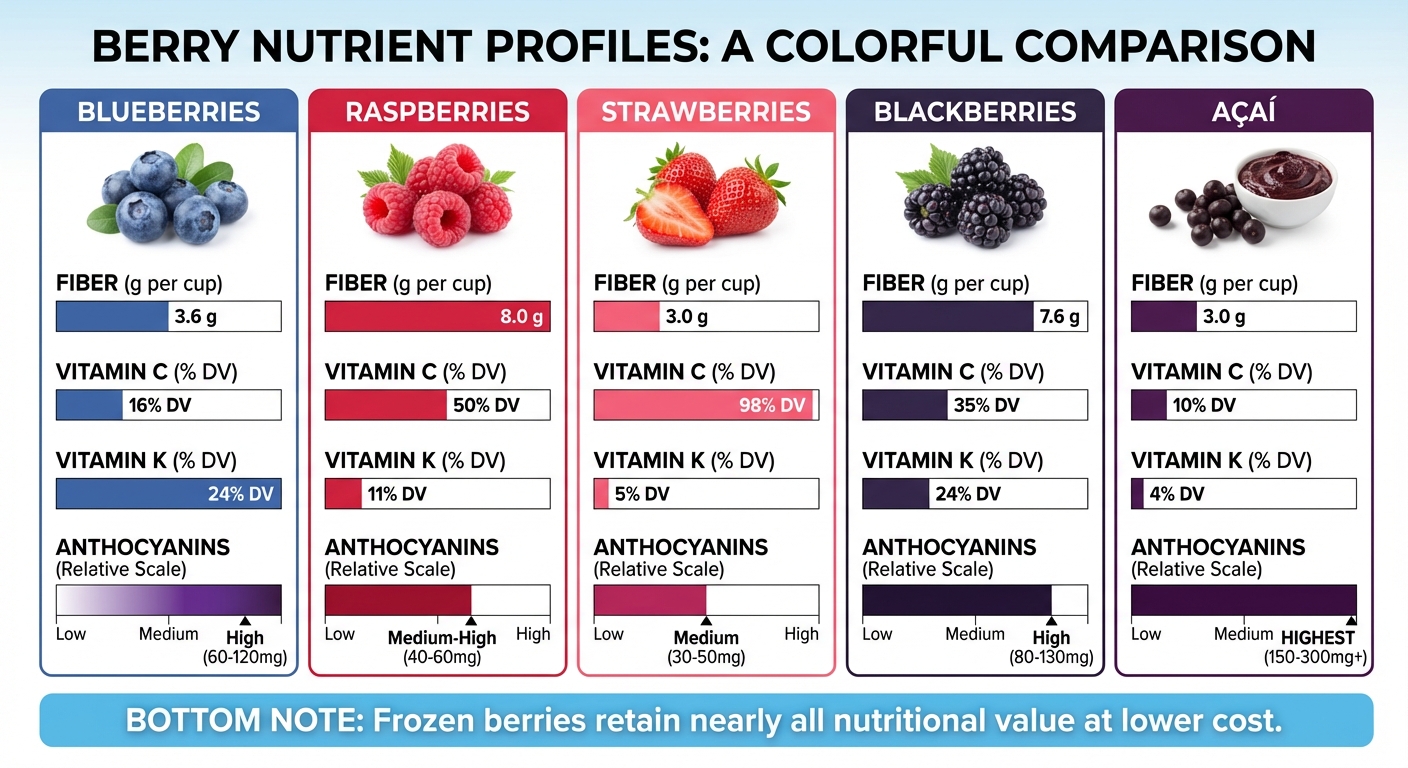
The nutritional profile is exceptional for such a low-calorie food. One cup of blueberries delivers approximately 4 grams of fiber, 24% of daily vitamin C, and 36% of vitamin K, all for about 80 calories. The fiber-to-calorie ratio makes berries remarkably filling despite their natural sweetness, supporting both appetite control and blood sugar management. Raspberries provide even more fiber at 8g per cup, while strawberries excel in vitamin C content and blackberries supply significant vitamin E.
Cost concerns are addressable. While fresh berries can be expensive out of season, frozen berries are available year-round at lower prices and retain nearly all their nutritional value. Freezing shortly after harvest actually preserves anthocyanin content better than fresh berries that sit in distribution and retail for days. A bag of frozen mixed berries costs roughly the same as a fancy coffee drink but provides days of superfood servings.
Beans and Legumes: The Longevity Staple
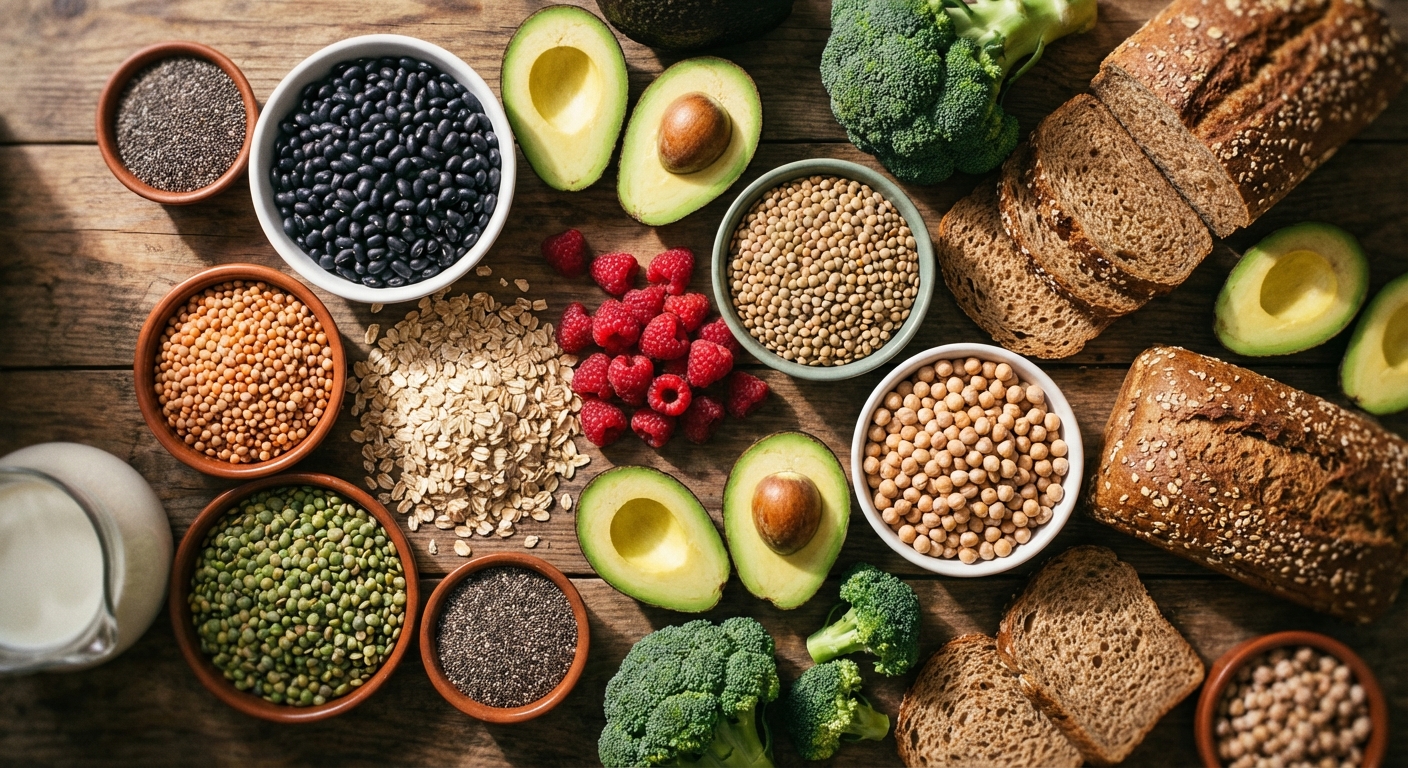
If there’s one food group that appears across every long-lived population studied, it’s legumes. The Okinawans eat soybeans and tofu. The Sardinians eat fava beans and chickpeas. The Nicoyans eat black beans as a dietary cornerstone. The Ikarians eat lentils daily. Dan Buettner’s Blue Zones research, studying the world’s longest-lived populations, found this pattern undeniable: centenarians eat lots of beans. For deeper exploration of these patterns, see our Blue Zones longevity research update.
The nutritional profile explains why beans support such robust health outcomes. One cup of cooked lentils provides approximately 18 grams of protein, 16 grams of fiber, significant iron, folate, magnesium, and potassium, all for about 230 calories and less than a gram of fat. They’re essentially a complete meal in themselves, offering protein, complex carbohydrates, fiber, and micronutrients without the saturated fat that accompanies most animal protein sources.
The fiber content deserves particular attention in a culture suffering from epidemic fiber deficiency. Most Americans consume only 10-15 grams of fiber daily, far below the recommended 25-35 grams associated with optimal health outcomes. A single cup of beans provides half your daily fiber needs. A meta-analysis published in The Lancet analyzing nearly 200 studies found that people consuming 25-29g of fiber daily had 22% lower risk of heart disease mortality and 16% lower risk of type 2 diabetes compared to those eating the least fiber. Beans are among the most efficient ways to hit these protective targets.
Beyond fiber, beans contain resistant starch, a type of carbohydrate that resists digestion in the small intestine and ferments in the colon, feeding beneficial gut bacteria. This fermentation produces short-chain fatty acids, particularly butyrate, that reduce gut inflammation, improve intestinal barrier function, and enhance insulin sensitivity. The prebiotic effect of beans creates a gut environment that supports better metabolic health, improved nutrient absorption, and reduced systemic inflammation.
The cost-effectiveness is unmatched. Dried beans cost approximately $0.15-0.25 per serving, making them among the cheapest protein and fiber sources available. Even convenient canned options run only $0.50-0.75 per serving. Compare this to meat, fish, or processed plant-based proteins at $2-5+ per serving. For anyone on a budget, beans provide the highest return on nutritional investment possible.
Organ Meats: The Original Multivitamin
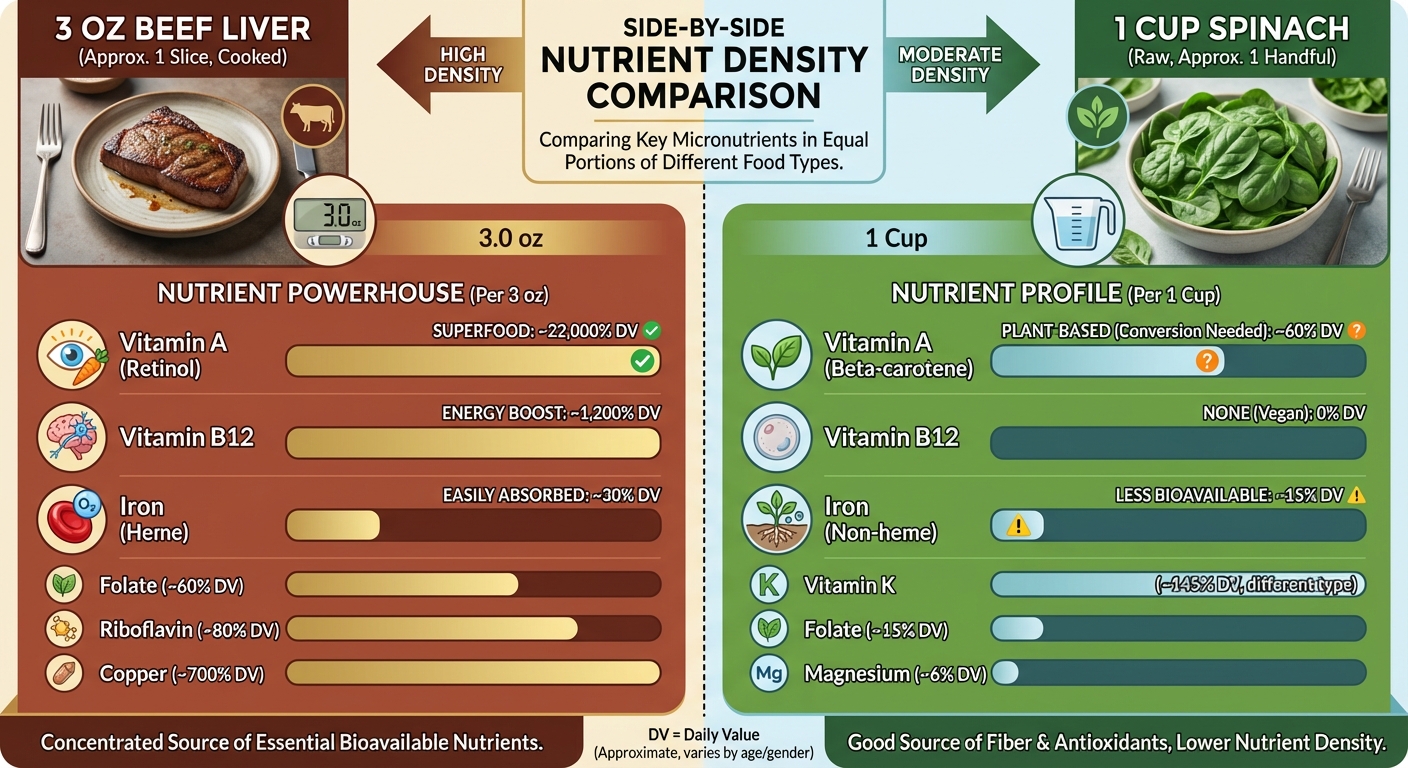
This is where modern eaters often get squeamish, but organ meats represent some of the most nutrient-dense foods on Earth. Before we relegated these cuts to pet food, traditional cultures prized them precisely because our ancestors understood intuitively what nutritional science has since confirmed: organ meats are nature’s multivitamins.
Liver exemplifies this nutritional density. One hundred grams of beef liver (about 3.5 ounces) provides approximately 600% of daily vitamin A needs in the bioactive retinol form your body can immediately use, 1,000% of vitamin B12, 200% of riboflavin, plus significant copper, iron, choline, and folate, all for roughly 175 calories. No plant food comes close to this concentration of essential nutrients. No synthetic multivitamin matches the bioavailability.
Vitamin A from liver supports vision, immune function, cell differentiation, and reproductive health. The B12 content is crucial for nervous system function, DNA synthesis, and red blood cell formation, with deficiency causing fatigue, neurological problems, and cognitive decline that becomes increasingly common with age. Choline, which liver provides in abundant quantities, is essential for brain development, liver function, and methylation reactions, yet most people consume inadequate amounts.
The sustainability argument strengthens the case for organ meats. If we’re going to raise and slaughter animals for food, using the entire animal rather than just muscle meat is both ethically and environmentally responsible. Organs represent 10-15% of the animal’s weight but are often discarded or relegated to pet food despite being the most nutritious parts. Nose-to-tail eating reduces waste while providing superior nutrition.
The taste barrier is real but surmountable. Liver has a distinctive flavor that some genuinely dislike, but proper preparation makes a dramatic difference. Soaking in milk for an hour mellows the flavor; quick high-heat searing prevents the rubbery texture of overcooked organ meat; pairing with caramelized onions or bacon adds complementary flavors. Chicken liver pâté, blended with butter and herbs, converts even skeptics when served on crackers at dinner parties. For those who simply can’t adjust to the taste, mixing 10-20% ground liver into regular ground beef for burgers or meatballs makes it undetectable while providing substantial nutritional enhancement.
Making Superfoods Daily Staples
Knowing foods are healthy doesn’t automatically translate to eating them regularly. Knowledge without implementation produces no benefit. Practical strategies that fit into real life are essential for moving these foods from theoretical “should eat” to actual daily consumption.
For berries, the simplest approach is establishing a morning ritual. Frozen mixed berries blend seamlessly into smoothies with Greek yogurt and spinach, creating a nutrient-dense breakfast in three minutes. Alternatively, berries top oatmeal or overnight oats, stir into yogurt parfaits, or serve as standalone snacks. Keeping frozen berries perpetually stocked removes friction entirely: they never spoil, require no preparation, and are pre-washed. Pairing berries with fat sources (nuts, seeds, nut butter, yogurt) enhances absorption of fat-soluble compounds while creating more balanced blood sugar response.
For beans, batch cooking unlocks practical daily use. Prepare several cups of dried beans on a weekend, season lightly with olive oil and herbs, and store in portions for the week. Use them as the base for grain bowls, add to salads for protein and fiber, include in soups and stews, or serve as simple side dishes. Canned beans work when time is short; a quick rinse removes about 40% of the added sodium. The digestive issues some people experience with beans, gas and bloating, can be minimized through proper preparation (soaking overnight, cooking thoroughly) and gradual introduction. Most people find digestive adaptation occurs within 2-3 weeks of regular consumption.
For organ meats, the “hidden” approach works for households with reluctant eaters. Mix 10-25% ground liver or heart into regular ground beef for burgers, tacos, meatloaf, or pasta sauce. The flavor becomes undetectable while the nutritional enhancement remains substantial. Chicken liver pâté, made by blending cooked liver with butter, fresh herbs, and a splash of brandy, provides an elegant appetizer that guests praise without knowing its nutritional secret. For those who genuinely cannot tolerate the taste or texture in any form, freeze-dried liver capsules provide the nutrition without the sensory experience, though whole food remains preferable.
Nutrient Synergies and Absorption
Understanding how these superfoods interact maximizes their benefits. Certain combinations enhance nutrient absorption while others create synergistic effects greater than individual components.
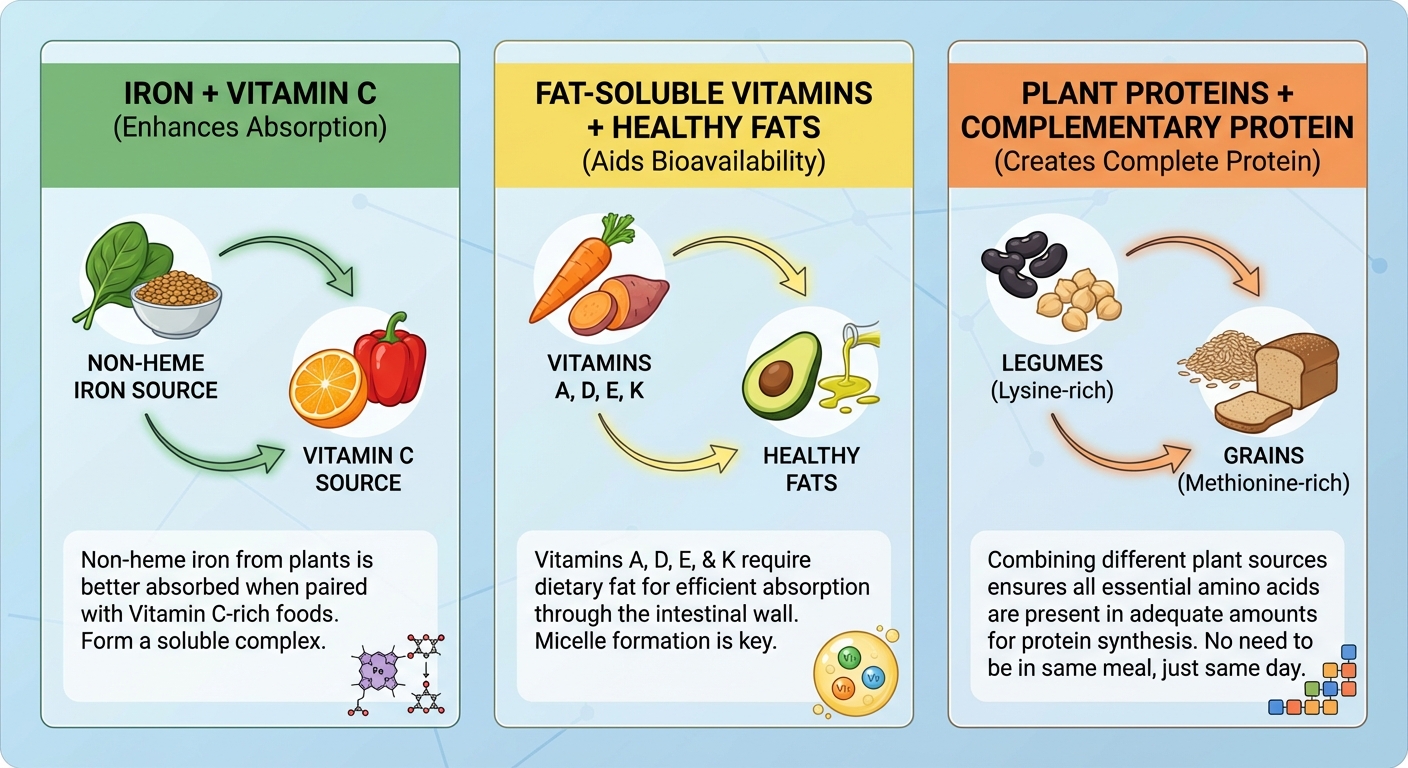
The iron in beans (non-heme iron) absorbs less readily than the iron in organ meats (heme iron). However, vitamin C dramatically enhances non-heme iron absorption, potentially doubling or tripling uptake. This makes berry-bean combinations particularly strategic: the vitamin C in berries enhances iron absorption from beans consumed in the same meal. A salad with chickpeas and strawberries, or a smoothie with black beans and blueberries, captures this synergy.
The fat-soluble vitamins in organ meats (A, D, E, K) require dietary fat for absorption. Cooking liver in butter or ghee, serving it with olive oil, or consuming it as part of a meal with fat-containing foods ensures these vitamins actually reach your bloodstream rather than passing through unabsorbed.
The resistant starch in beans creates prebiotic effects that improve overall gut function, which in turn enhances absorption of nutrients from all foods. A healthy, diverse gut microbiome extracts more value from everything you eat. This explains partly why traditional diets built around beans, consumed consistently over time, support such robust health: they create the gut conditions for optimal nutrient utilization.
The Bottom Line
Genuine superfoods don’t require superfood price tags or exotic origin stories. They’re the affordable, sustainable, nutritionally exceptional foods that have supported human health for generations and appear consistently in research on the world’s healthiest, longest-lived populations.
Berries deliver concentrated antioxidant protection that fights cellular aging and supports brain health. Beans provide the protein, fiber, and prebiotic compounds that modern diets desperately lack. Organ meats offer nutrient density that no supplement can match. Together, they address the nutritional deficits that drive chronic disease without straining budgets or requiring special sourcing.
Making these superfoods routine:
- Add frozen berries to morning smoothies, oatmeal, or yogurt daily
- Batch-cook beans weekly and incorporate into salads, bowls, and sides
- Try hidden liver in ground beef (10-20%) or chicken liver pâté monthly
- Pair strategically: berries with beans for iron absorption, fat with organ meats for vitamin uptake
These foods work because they’re nutrient-dense, affordable, sustainable, and backed by robust research rather than marketing claims. The most powerful nutritional interventions are often the simplest: real food, prepared simply, eaten consistently. Start small, build habits, and let compound effects accumulate. The best time to add these foods was years ago; the second best time is today.
Sources: American Journal of Clinical Nutrition (berry and cognition research), The Lancet Public Health (fiber and mortality meta-analysis), Blue Zones research (Dan Buettner), Nutrients journal, USDA nutrient databases, traditional cuisine and nutrient density research.