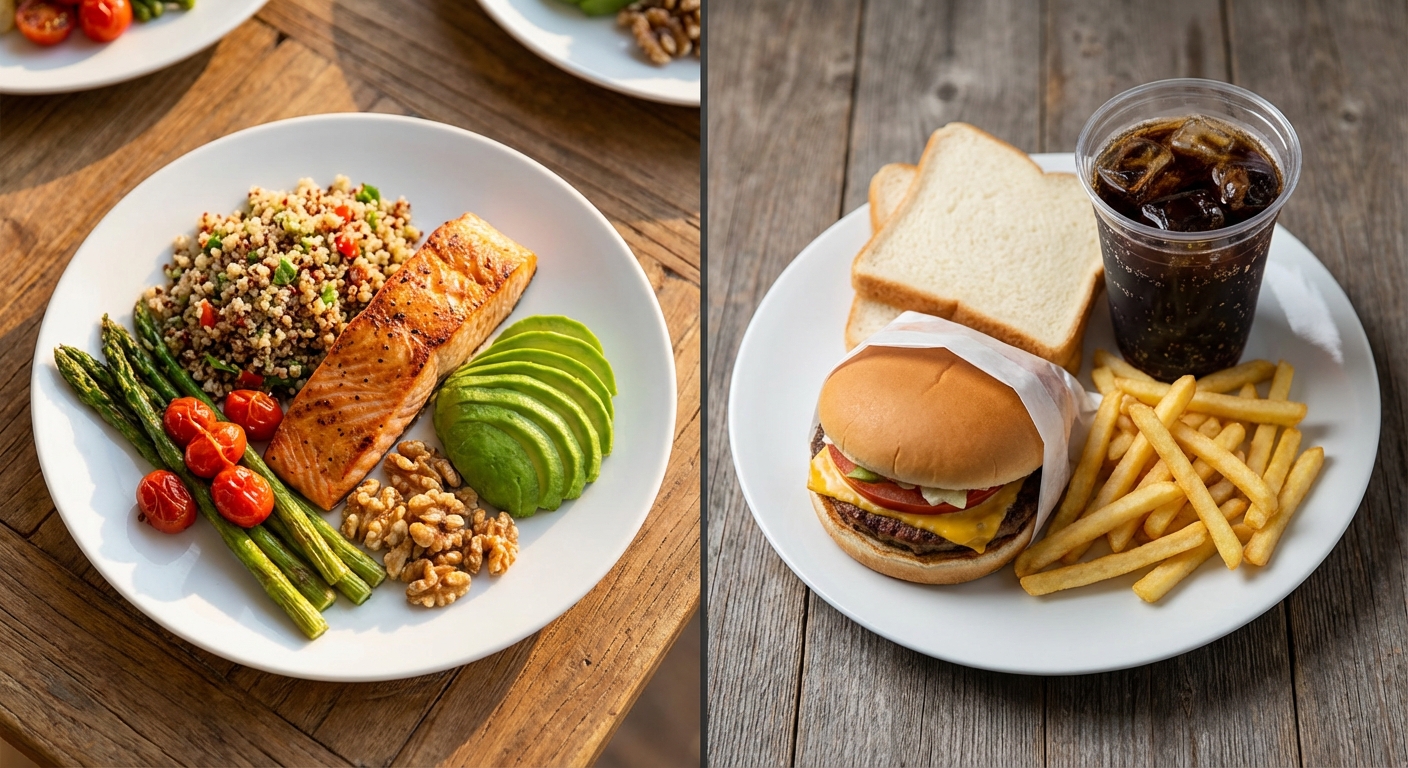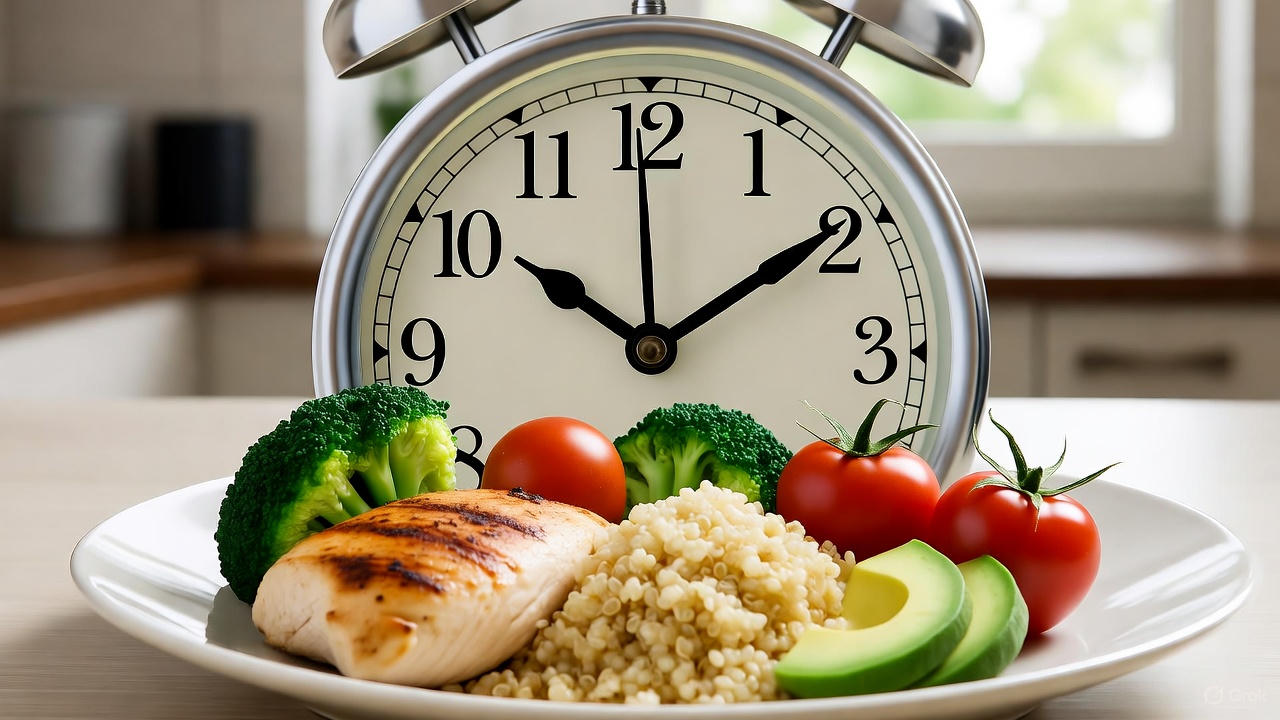
You’ve heard a thousand times that what you eat matters. Whole foods, adequate protein, fruits and vegetables, minimize processed food. The message has been drilled into collective consciousness through decades of nutrition education. But growing research suggests that when you eat might matter almost as much, a dimension of nutrition that conventional advice has largely ignored.
Your body processes nutrients differently at different times of day, aligned with circadian rhythms that affect metabolism, hormone release, and nutrient utilization. Eating the same meal at 8 AM versus 8 PM produces measurably different metabolic responses. Morning carbohydrates affect blood sugar differently than evening carbohydrates. Protein timing influences muscle protein synthesis. Even total calorie intake might matter less than how those calories are distributed across the day.
This field, called chrononutrition, is revealing that your body runs on an internal clock, and eating in harmony with that clock versus against it affects weight, metabolic health, athletic performance, and potentially longevity. The implications are significant: optimizing meal timing might provide benefits that dietary composition alone cannot achieve.
Your Body Runs on Multiple Clocks
We tend to think of metabolism as a furnace that burns at a steady rate, but it’s more like a solar-powered engine with distinct phases of high output and low output, governed by the rising and setting of the sun. These cycles are orchestrated by zeitgebers (German for “time-givers”), external cues that synchronize our internal biology with the external world.
Light is the primary zeitgeber, setting the master clock in the brain’s suprachiasmatic nucleus. This master clock coordinates everything from hormone release to body temperature to immune function. But peripheral clocks also exist in every organ and tissue: your liver has a clock, your muscles have clocks, your pancreas has a clock. These peripheral clocks respond to local signals, and food is their primary zeitgeber.
When you eat a heavy meal at 11:00 PM, you’re sending conflicting signals to your body. Your brain, responding to darkness, says “sleep and repair.” Your liver, responding to nutrient influx, says “metabolize and work.” Your pancreas, responding to glucose, says “produce insulin.” This desynchronization between central and peripheral clocks is the root of many metabolic issues associated with shift work, jet lag, and late-night eating.
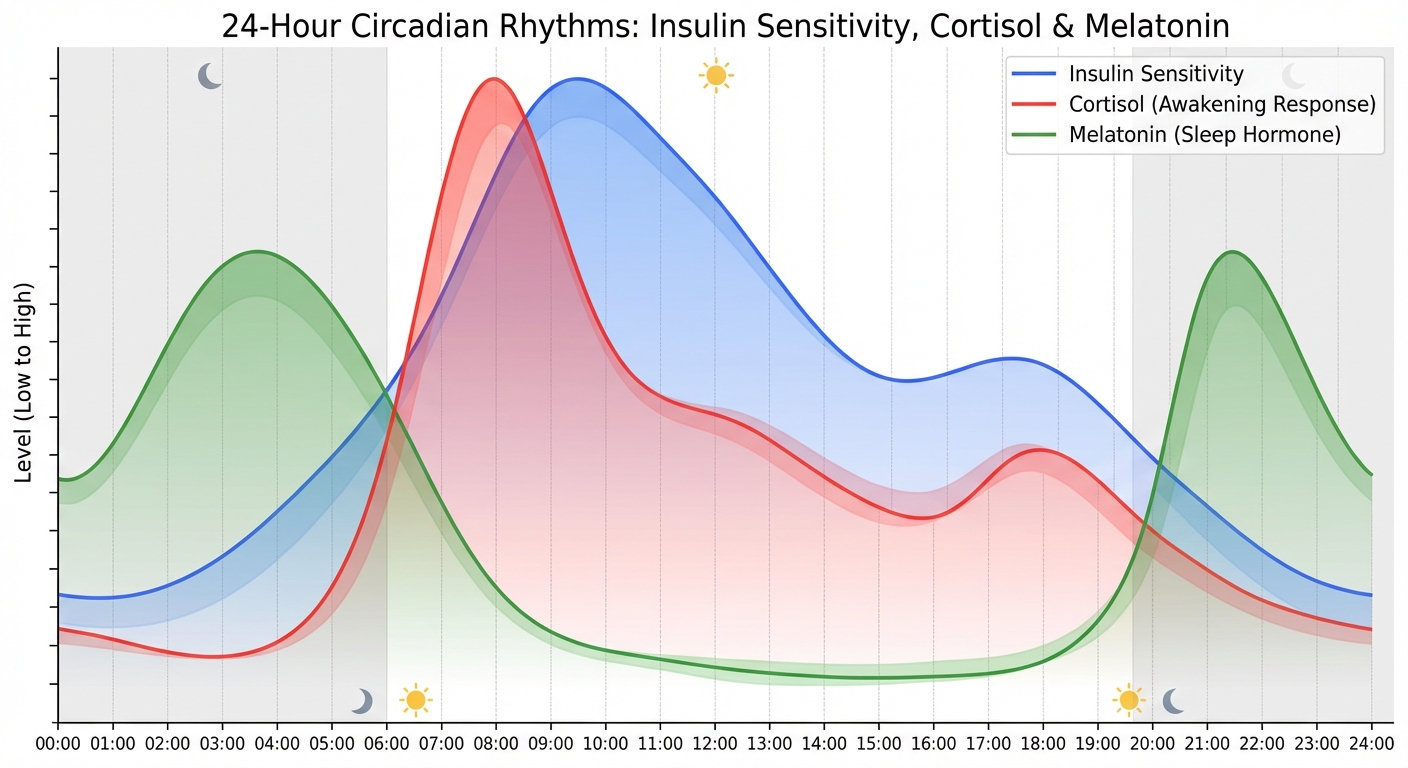
The practical consequence is that your metabolism isn’t constant throughout the day; it’s cyclical. Morning is characterized by highest insulin sensitivity, meaning you handle carbohydrates more efficiently with smaller blood sugar spikes and faster return to baseline. Your metabolic rate is more active in the morning, burning more calories for the same activities. Digestion is primed and efficient, with higher digestive enzyme production and faster gut motility.
By evening, these patterns reverse. Insulin sensitivity decreases, so the same meal produces a larger and longer-lasting blood sugar spike. Metabolic rate slows as your body prepares for sleep and repair. Digestion becomes less efficient as enzyme production decreases. Eating against this rhythm, front-loading calories in the evening when metabolism is winding down, creates metabolic stress that compounds over time.
Time-Restricted Eating: The Most Studied Chrononutrition Intervention
The most researched application of chrononutrition principles is time-restricted eating (TRE), limiting food intake to a specific daily window while fasting the remaining hours. Common protocols include 16:8 (16 hours fasting, 8-hour eating window), 14:10 (14 hours fasting, 10-hour eating window), and 12:12 (12 hours fasting, 12-hour eating window).
The research on TRE has produced consistent findings across multiple metabolic markers. Studies show improvements in insulin sensitivity, with participants showing better glucose handling after several weeks of restricted eating windows. Blood lipids improve, particularly triglycerides, which decrease significantly in most TRE trials. Blood pressure shows modest but meaningful reductions. Inflammatory markers like C-reactive protein decrease. Body composition shifts toward fat loss even when total calorie intake is held constant, though this finding is more variable across studies.
The mechanisms behind TRE benefits appear to involve more than simple calorie reduction, though reduced calorie intake often accompanies restricted eating windows. The extended fasting period allows insulin levels to drop low enough to access fat stores for fuel. Cellular repair processes like autophagy activate during the fasted state, clearing damaged proteins and organelles. The alignment of eating with circadian rhythms reduces the metabolic stress of late-night eating.
However, the research also reveals important nuances. Not all eating windows are equal. A 10 AM-6 PM window, aligned with natural metabolic rhythms, appears to produce better outcomes than a noon-8 PM window, which pushes eating later into the evening when metabolic capacity is reduced. An 8 AM-4 PM window, often called “early time-restricted eating,” shows the strongest effects in studies comparing different window placements.
Most TRE studies are relatively short-term (8-12 weeks), and long-term effects over years remain less clear. Sustainability matters more than optimal protocol: a 12:12 pattern you can maintain for years likely beats a 16:8 pattern you abandon after a month. The evidence supports experimenting with eating windows while prioritizing consistency over perfection.
The Breakfast Debate: Evidence Beyond Traditional Wisdom
“Breakfast is the most important meal of the day” is a claim that predates scientific investigation, but modern research has complicated this conventional wisdom. The question of whether to eat breakfast turns out to be far more nuanced than either breakfast advocates or intermittent fasting proponents acknowledge.
Arguments for breakfast eating have scientific support. Morning eating aligns with circadian rhythms when insulin sensitivity peaks and metabolism is most active. Studies show that eating breakfast is associated with better cognitive performance in the morning, particularly for tasks requiring sustained attention. Some research indicates that breakfast eaters show better glucose control throughout the day, with lower blood sugar peaks at lunch and dinner compared to breakfast skippers.
But the arguments for skipping breakfast also have merit. Extending the overnight fast into morning hours allows continued fat oxidation and maintains the cellular repair processes that activate during fasting. Many people genuinely aren’t hungry in the morning, and forcing food when not hungry contradicts intuitive eating principles. For those practicing time-restricted eating, skipping breakfast is often the most practical way to achieve a compressed eating window without sacrificing dinner, which is more socially important for many people.
Intervention studies paint a complicated picture. Adding breakfast to the routine of habitual breakfast skippers doesn’t consistently improve metabolic outcomes. Some people appear to function optimally with morning eating; others thrive with later eating windows. The observational finding that breakfast eaters are healthier may reflect reverse causation: health-conscious people tend to eat breakfast, but it’s their overall health behaviors, not specifically breakfast, driving outcomes.
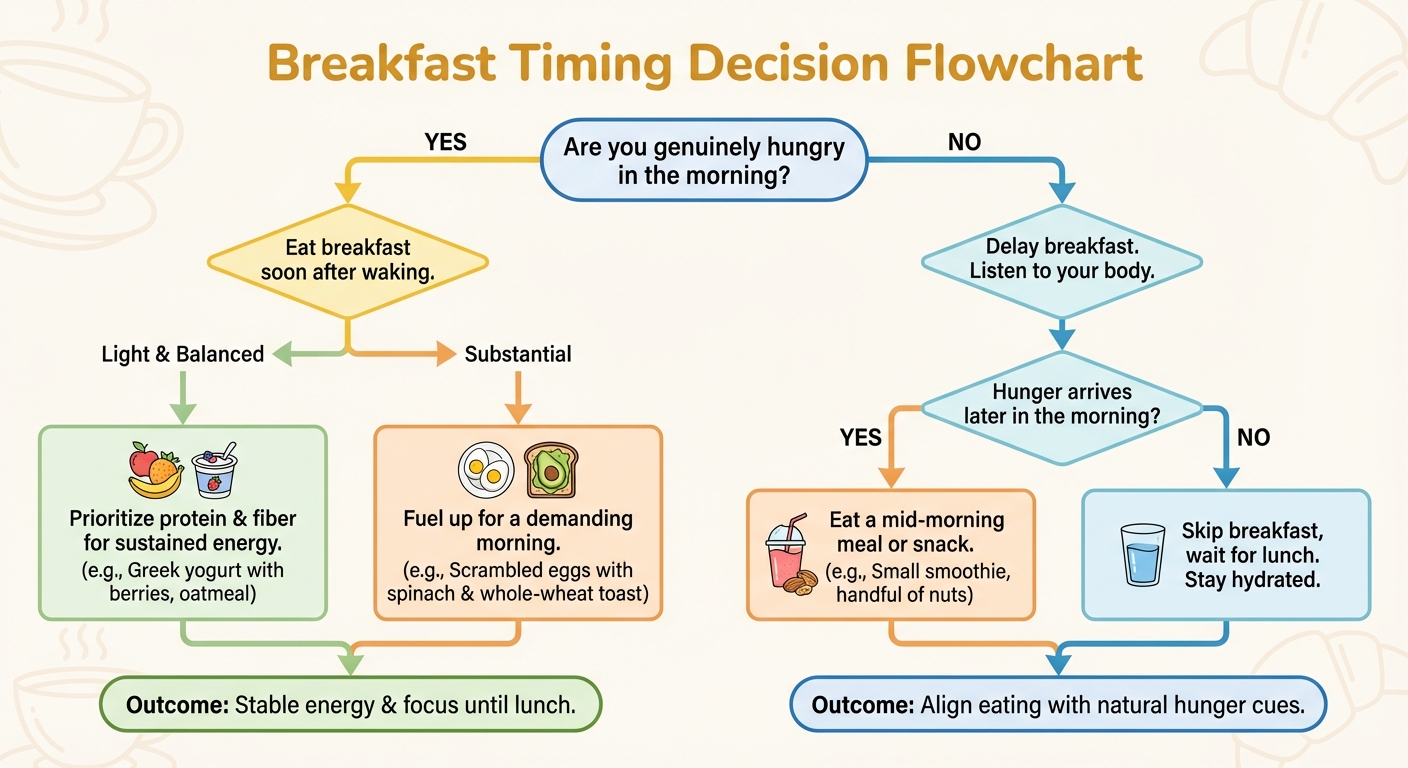
The practical recommendation is individual experimentation. If you’re hungry in the morning and eating breakfast supports stable energy and mood throughout the day, continue eating breakfast. If you’re not hungry until later and feel well with a delayed first meal, skipping breakfast is likely fine for you. Forcing either pattern against your natural inclinations creates unnecessary stress without clear benefit.
Protein Timing: Where Chrononutrition Has Clear Application
Among all the chrononutrition debates, protein timing has the most consistent research support for specific recommendations. The body’s capacity to use protein for muscle building follows predictable patterns that can be leveraged through strategic timing.
Protein distribution across meals matters for muscle protein synthesis (MPS). Consuming 20-40 grams of protein at 3-4 meals throughout the day stimulates muscle building more effectively than consuming the same total protein in one or two larger meals. This occurs because MPS is stimulated by reaching a leucine threshold at each meal, and once that threshold is reached, additional protein provides diminishing returns. Multiple threshold-reaching meals throughout the day produce more total MPS than one massive dose.
Post-exercise protein timing receives the most attention, often exaggerated into an urgently narrow “anabolic window.” The reality, as our post-workout nutrition analysis details, is that this window is much longer than once thought. Consuming protein within several hours of training enhances recovery and muscle protein synthesis, but the 30-minute panic implied by gym culture isn’t supported by evidence.
Pre-sleep protein represents an underutilized opportunity, particularly for athletes and older adults trying to maintain muscle mass. Research shows that 30-40 grams of slow-digesting protein (casein from dairy is the most studied) before bed supports overnight muscle maintenance and synthesis. During sleep, the body shifts toward catabolic processes; providing amino acids can maintain anabolic signaling throughout the night.
Morning protein, particularly 25-30 grams at breakfast, appears to help with satiety and may reduce total daily calorie intake. The mechanism involves protein’s effects on appetite-regulating hormones: higher breakfast protein increases satiety hormones and decreases hunger hormones throughout the morning. For those managing weight, front-loading protein at breakfast creates a metabolic and appetite advantage.
Carbohydrates and the Evening Controversy
The traditional advice to eat carbohydrates earlier in the day when active and avoid them at night when sedentary has circadian logic: insulin sensitivity is higher in the morning, so carbohydrates produce smaller blood sugar responses earlier in the day. But the research is more complicated than this simple recommendation suggests.
Evening carbohydrates have documented benefits that challenge the “no carbs after dark” rule. Carbohydrates increase tryptophan transport into the brain, supporting serotonin and melatonin production. This makes evening carbohydrates potentially beneficial for sleep quality, particularly in people who struggle with falling asleep. Athletes training in the evening need carbohydrates for recovery regardless of the time, and restricting post-workout carbs impairs glycogen replenishment.
However, the circadian arguments against evening carbohydrates also have support. The same carbohydrate load produces measurably higher blood sugar peaks when consumed at 8 PM versus 8 AM. Glucose tolerance, the body’s ability to clear blood sugar efficiently, decreases as the day progresses. Large evening meals, particularly carbohydrate-heavy ones, can disrupt sleep through digestive demands and blood sugar fluctuations.
The nuanced conclusion is that total carbohydrate intake and sources matter more than timing for most people. A moderate portion of complex carbohydrates at dinner isn’t metabolically catastrophic. But if optimizing, slight bias toward earlier carbohydrate consumption makes sense based on circadian insulin sensitivity. The practical approach: don’t fear evening carbohydrates, but don’t front-load them either. Distribute across meals with perhaps slight emphasis earlier in the day if weight management is a goal.
Shift Workers and Circadian Disruption
Chrononutrition becomes particularly complex for the approximately 20% of the workforce that doesn’t follow conventional daytime schedules. Shift workers face metabolic challenges that eating strategies alone cannot fully address, but strategic meal timing can mitigate some of the damage.
The fundamental problem is that eating when circadian rhythms say you should be sleeping creates metabolic disruption regardless of food choices. Night shift workers eating their “main meal” at 3 AM are asking their metabolism to perform at its lowest capacity point. This contributes to the well-documented higher rates of obesity, type 2 diabetes, cardiovascular disease, and metabolic syndrome among shift workers.
Mitigation strategies based on chrononutrition research include maintaining a consistent eating window even if that window is unconventional. Eating during a compressed 8-10 hour period, even if shifted later, is preferable to grazing across 16+ hours. During night shifts, emphasizing protein and healthy fats over carbohydrates may reduce glucose disruption, since these macronutrients require less insulin response. Some researchers recommend eating the main meal before a night shift (when metabolism is still somewhat active) rather than during or after.
Light exposure management amplifies meal timing strategies. Bright light exposure during night shifts and light blocking after shifts can help shift circadian rhythms, potentially improving how the body handles food consumed during unconventional hours. The combination of strategic meal timing and light management provides better outcomes than either approach alone.
Putting It Into Practice
Based on current evidence, reasonable chrononutrition practices don’t require dramatic lifestyle overhaul. Small adjustments to meal timing can yield benefits without creating unsustainable restrictions.
Eating within a consistent 10-12 hour window daily provides most of the time-restricted eating benefits without extreme fasting demands. This means simply not eating around the clock: finishing dinner by 8 PM and not eating again until 8-10 AM gives your body a predictable fasting period for repair and metabolic reset. Consistency in this window, eating at roughly similar times daily, allows your body to anticipate and prepare for food intake.
Front-loading calories somewhat, making breakfast and lunch more substantial while keeping dinner moderate, aligns with circadian metabolism. This doesn’t mean forcing enormous breakfasts if you’re not hungry, but rather not saving your largest meal for evening when metabolic capacity is reduced. For those who genuinely function better with later eating, maintaining the compressed eating window matters more than the specific timing.
Distributing protein across 3-4 meals, with 20-40 grams at each, optimizes muscle protein synthesis. This is particularly important for people training seriously, older adults maintaining muscle mass, or anyone recovering from injury or illness. The strategic protein distribution approaches detailed in our holiday eating guide apply year-round.
Finishing eating 2-3 hours before bed improves sleep quality and gives digestion time to complete before lying down. Late-night eating, particularly of large or high-fat meals, impairs sleep architecture and morning glucose control. This single change, stopping eating earlier in the evening, often produces noticeable improvements in sleep and morning energy.
The Bottom Line
Meal timing probably matters, but less than meal quality and total intake. If you’re eating processed food at the “right” times, you’re not healthy. If you’re eating whole foods at “suboptimal” times, you’re probably fine. Chrononutrition provides a framework for optimization, not a replacement for fundamentals.
That said, if you’re already eating well and want to optimize further, chrononutrition offers evidence-based adjustments with minimal downside. A consistent 10-12 hour eating window, some bias toward earlier food intake, protein distributed across meals, avoiding large meals before bed, and consistency in timing all represent low-effort changes with potential benefits.
Your body has clocks. Eating in approximate alignment with them makes biological sense. But don’t let chrononutrition override hunger, social eating, or common sense. The field is still developing, and recommendations may evolve. The goal is gentle alignment with circadian rhythms, not rigid adherence to timing rules that create stress or conflict with life’s demands.
Your Chrononutrition Starter Protocol:
- Establish a consistent 10-12 hour eating window (e.g., 8 AM-7 PM)
- Make breakfast and lunch your larger meals; keep dinner moderate
- Include 25-30g protein at each meal, especially breakfast
- Finish eating 2-3 hours before bedtime
- Eat at consistent times daily to support circadian entrainment
- If hungry outside your window, evaluate whether it’s true hunger or habit
Sources: Salk Institute circadian rhythm research, time-restricted eating clinical trials from Cell Metabolism and Nutrients, protein timing and muscle protein synthesis studies, shift work and metabolic health research, University of Alabama Birmingham early time-restricted eating trials.