The coffee aisle at your local grocery store doesn’t look the same anymore. Between the cold brew and the espresso blends, you’ll find mushroom-infused lattes, adaptogen-powered energy drinks, and nootropic gummies promising sharper focus without the jitters. Welcome to the functional foods revolution, where ancient remedies meet modern neuroscience in your morning cup.
Functional foods for cognitive enhancement are booming, with the market expected to reach $19.7 billion by 2028. Lion’s mane mushrooms and adaptogens like ashwagandha have moved from health food stores to mainstream retailers, appearing in everything from chocolate bars to sparkling waters. These ingredients promise sustained focus and energy without the caffeine crashes that plague traditional stimulants, making them particularly appealing to the chronically stressed, perpetually overstimulated modern professional.
But here’s the question everyone wants answered: Do they actually work, or is this just wellness marketing dressed up as science? The answer, like most things in nutrition science, is more nuanced than either skeptics or evangelists would have you believe. Some of these compounds have legitimate research backing their cognitive claims, while others ride on centuries of traditional use without modern verification.
The Science of Cognitive Enhancement Through Food
Understanding how functional foods affect cognition requires exploring the complex relationship between nutrition and brain function. Your brain, despite comprising only 2% of your body weight, consumes 20% of your daily calories and requires a constant supply of specific nutrients to maintain optimal performance. This metabolic demand makes the brain particularly sensitive to dietary influences, both positive and negative.
The concept of using food to enhance cognitive function isn’t new. Traditional Chinese Medicine has prescribed medicinal mushrooms for mental clarity for over 2,000 years. Ayurvedic practitioners have used adaptogenic herbs like ashwagandha for millennia to improve focus and reduce mental fatigue. What’s changed is our ability to identify the specific compounds responsible for these effects and understand their mechanisms at a molecular level.
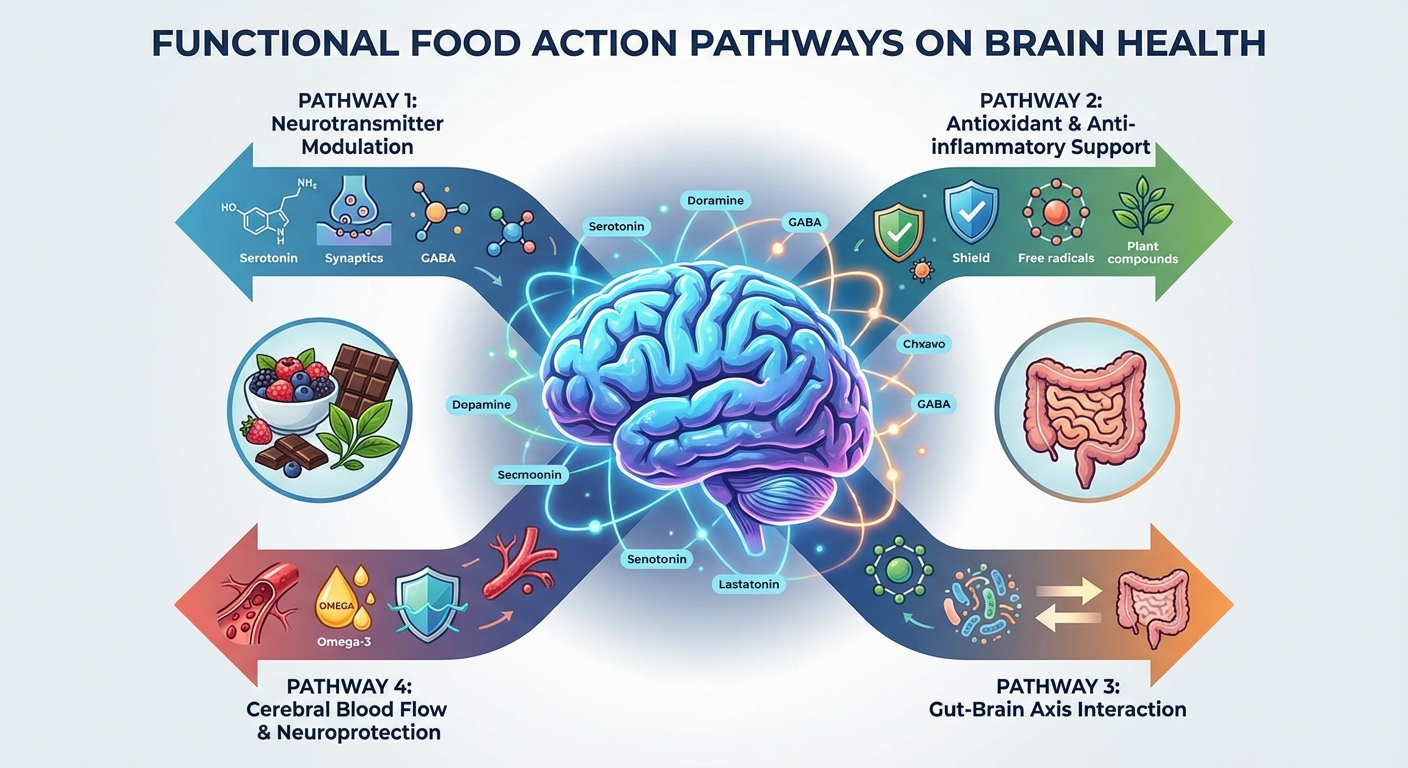
Modern research has identified several pathways through which functional foods influence cognition. Some compounds directly affect neurotransmitter production or receptor sensitivity. Others reduce inflammation in the brain, improve blood flow, or support the growth of new neurons. Still others work indirectly by reducing stress hormones that impair cognitive function or improving sleep quality, which is essential for memory consolidation and mental clarity. The connection between digestive health and brain function, explored in depth in our gut-brain axis guide, helps explain why what you eat affects how clearly you think.
The challenge lies in separating compounds with genuine effects from those riding on placebo and marketing hype. Clinical trials on functional foods face unique challenges: unlike pharmaceutical studies, you can’t easily create a placebo mushroom latte. Participants often know what they’re consuming, which can influence results. Additionally, effects may be subtle and cumulative, requiring longer study periods than typical supplement research.
Building Better Brains: The Lion’s Mane Revolution
Lion’s mane (Hericium erinaceus) looks like something out of a fantasy novel, a cascade of white, hair-like spines, but its neurological promise is grounded in solid scientific research. This medicinal mushroom contains unique compounds called hericenones and erinacines that can cross the blood-brain barrier and stimulate the production of Nerve Growth Factor (NGF), a protein essential for neuron health and cognitive function.
Think of NGF as fertilizer for your brain cells. It helps neurons grow, branch out, and form the new connections that underlie learning and memory. As we age, NGF production naturally declines, contributing to age-related cognitive decline. Lion’s mane appears to counteract this process. A landmark study published in Phytotherapy Research found that participants with mild cognitive impairment taking 750mg of lion’s mane daily for 16 weeks showed significant improvements in cognitive function scores compared to placebo. Remarkably, these benefits disappeared when supplementation stopped, suggesting an ongoing need for the compounds.
The mechanism goes beyond just NGF stimulation. Recent research from the University of Queensland discovered that lion’s mane compounds promote neurite outgrowth and enhance memory formation in animal models. The researchers found that hericene A, a compound derived from lion’s mane, increased the size of growth cones, the structures at the tips of developing neurons that are crucial for brain cells to sense their environment and establish new connections. This finding provides a molecular explanation for the cognitive benefits observed in human studies.
Beyond acute cognitive enhancement, lion’s mane shows promise for neuroprotection. Studies suggest it may help prevent or slow the progression of neurodegenerative diseases. Research published in the International Journal of Molecular Sciences found that lion’s mane extracts reduced symptoms of memory loss in mice with Alzheimer’s-like conditions and prevented neural damage caused by amyloid-beta plaques, the protein aggregates associated with Alzheimer’s disease. While human studies are still limited, these findings suggest potential long-term brain health benefits.
The Stress-Cognition Connection: How Adaptogens Work
If lion’s mane is about building better hardware, adaptogens are about optimizing the software: specifically, how your nervous system responds to stress. The relationship between stress and cognitive function is well-established. Chronic stress and elevated cortisol levels cause structural changes in the brain, particularly in the hippocampus, which is critical for memory formation. The prefrontal cortex, responsible for executive function and decision-making, also shrinks under chronic stress. When you’re stressed, you literally cannot think as clearly.
Adaptogens are a class of herbs and mushrooms that help the body adapt to stressors and maintain homeostasis. The term was coined by Soviet scientist Nikolai Lazarev in 1947, who was searching for substances that could enhance human performance under stress. To qualify as an adaptogen, a substance must be non-toxic, produce a non-specific response (meaning it helps the body handle various types of stress), and have a normalizing effect on physiology.
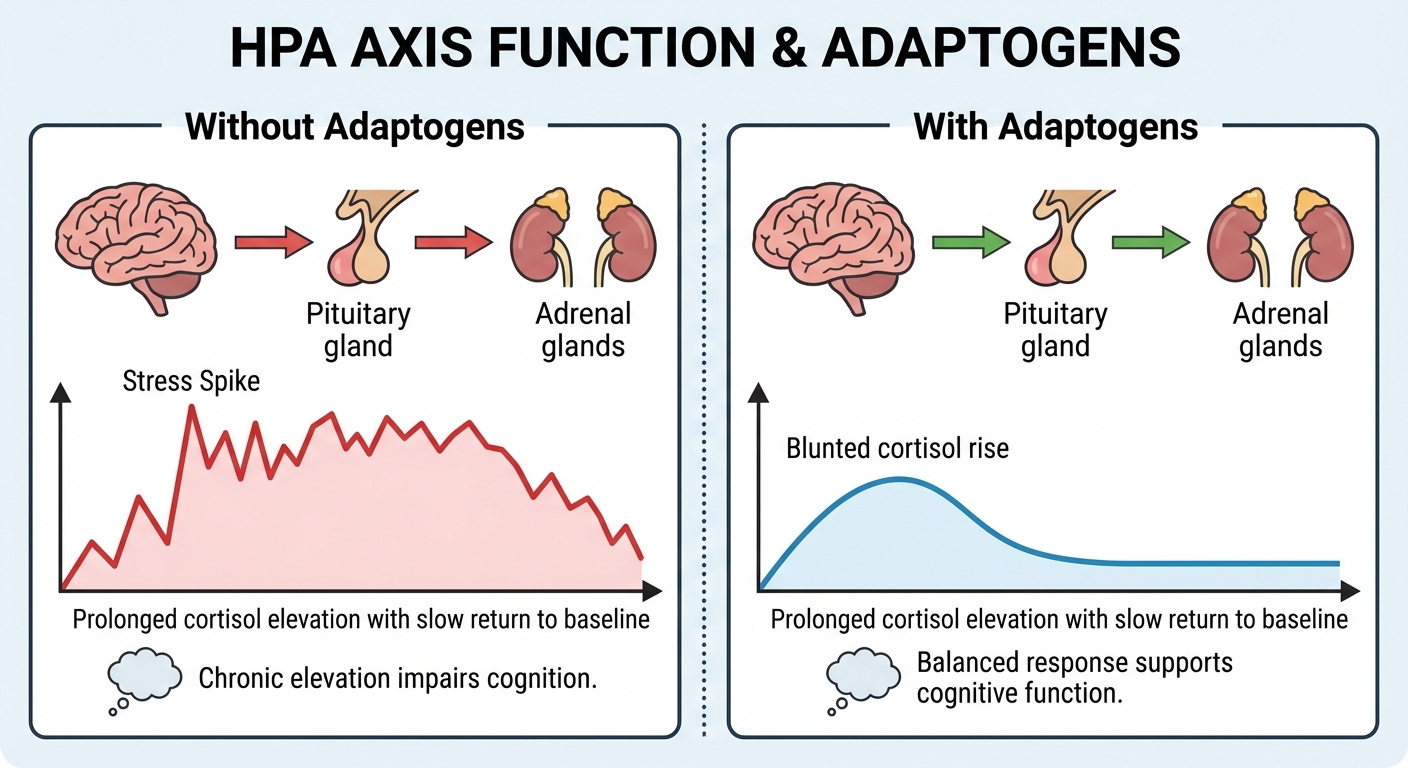
The mechanism of action for adaptogens involves the hypothalamic-pituitary-adrenal (HPA) axis, your body’s central stress response system. When functioning properly, this system helps you respond to acute stress and then return to baseline. Chronic stress dysregulates the HPA axis, keeping you in a state of constant alert that impairs cognitive function. Adaptogens appear to modulate this system, helping it respond more appropriately to stressors and recover more quickly.
Research has identified specific molecular targets for adaptogenic compounds. They influence stress-activated protein kinases, regulate nitric oxide production, and affect the expression of molecular chaperones like heat shock proteins. These cellular-level changes translate to improved stress resilience, better cognitive performance under pressure, and protection against stress-related cognitive decline.
Ashwagandha: The Stress-Busting Heavyweight
Ashwagandha (Withania somnifera) has emerged as the most studied adaptogen for cognitive enhancement, with over 50 human clinical trials examining its effects. The root extract contains withanolides, compounds that modulate GABA receptors in the brain, producing a calming effect without sedation. This makes ashwagandha particularly effective for improving focus in people whose cognitive performance is impaired by anxiety.
Multiple studies have demonstrated ashwagandha’s ability to reduce cortisol levels by 20-30%. A 2019 study in Medicine found that 600mg of ashwagandha daily for 8 weeks not only reduced cortisol but also improved memory, executive function, attention, and information processing speed in stressed adults. The cognitive improvements correlated with the reduction in stress markers, suggesting that stress reduction is the primary mechanism.
The timing and dosage of ashwagandha matter for cognitive effects. Lower doses (250-300mg) tend to be mildly energizing and can be taken in the morning, while higher doses (600mg+) are more sedating and better suited for evening use. Some people find that ashwagandha makes them too relaxed for demanding cognitive tasks, so individual experimentation is important. The KSM-66 and Sensoril extracts, standardized to specific withanolide content, have the most research support.
Long-term ashwagandha supplementation appears safe for most people, with studies lasting up to 12 months showing no significant adverse effects. However, it can interact with thyroid medications and may not be suitable for people with autoimmune conditions. Pregnant women should avoid ashwagandha due to potential effects on hormone levels.
Rhodiola Rosea: The Fatigue Fighter
Rhodiola rosea works through different pathways than ashwagandha, making it complementary rather than redundant. This Arctic root influences key neurotransmitters like serotonin, dopamine, and norepinephrine, helping maintain cognitive function during periods of mental fatigue. It’s particularly effective for people who need to maintain performance during long work sessions or while sleep-deprived.
Clinical trials have consistently shown rhodiola’s benefits for mental fatigue. A study of physicians working night shifts found that 170mg of rhodiola daily improved cognitive performance and reduced fatigue over two weeks. Another trial with students during exam periods showed improvements in mental fatigue, cognitive function, and overall well-being. The effects appear quickly, often within 30 minutes of ingestion, making rhodiola useful for acute cognitive demands.
The active compounds in rhodiola, particularly rosavin and salidroside, appear to influence energy metabolism at the cellular level. They enhance ATP production in mitochondria and protect against oxidative stress, helping brain cells maintain function under challenging conditions. This makes rhodiola particularly relevant for age-related cognitive decline, where mitochondrial dysfunction plays a key role.
Dosing for rhodiola is typically 200-400mg of an extract standardized to 3% rosavins and 1% salidroside. It’s best taken on an empty stomach in the morning or early afternoon, as evening doses can interfere with sleep. Some people experience a stimulating effect similar to caffeine, though without the jitters or crash.
The Mushroom Coffee Revolution: Marketing or Science?
Mushroom coffee has emerged as the gateway product for functional foods, with brands like Four Sigmatic and MUD\WTR leading the charge. These products typically blend coffee with mushroom extracts like lion’s mane, chaga, cordyceps, and reishi, promising the alertness of coffee without the anxiety and crash. But does the science support these claims, or is this just expensive instant coffee?
The synergy between caffeine and mushroom compounds is biologically plausible. Caffeine blocks adenosine receptors, preventing the buildup of sleep pressure and increasing alertness. However, it also increases cortisol and can trigger anxiety in sensitive individuals. The L-theanine in regular tea moderates caffeine’s effects, and mushroom compounds may work similarly. Lion’s mane’s NGF-boosting effects could complement caffeine’s short-term alertness with longer-term cognitive support.
Research specifically on mushroom coffee blends is limited, but studies on individual components are promising. Chaga mushrooms contain high levels of antioxidants that may protect against the oxidative stress caused by caffeine metabolism. Cordyceps has been shown to improve oxygen utilization, potentially enhancing the energizing effects of caffeine. Reishi, known as the “mushroom of immortality,” has calming properties that could buffer caffeine’s anxiety-inducing effects.
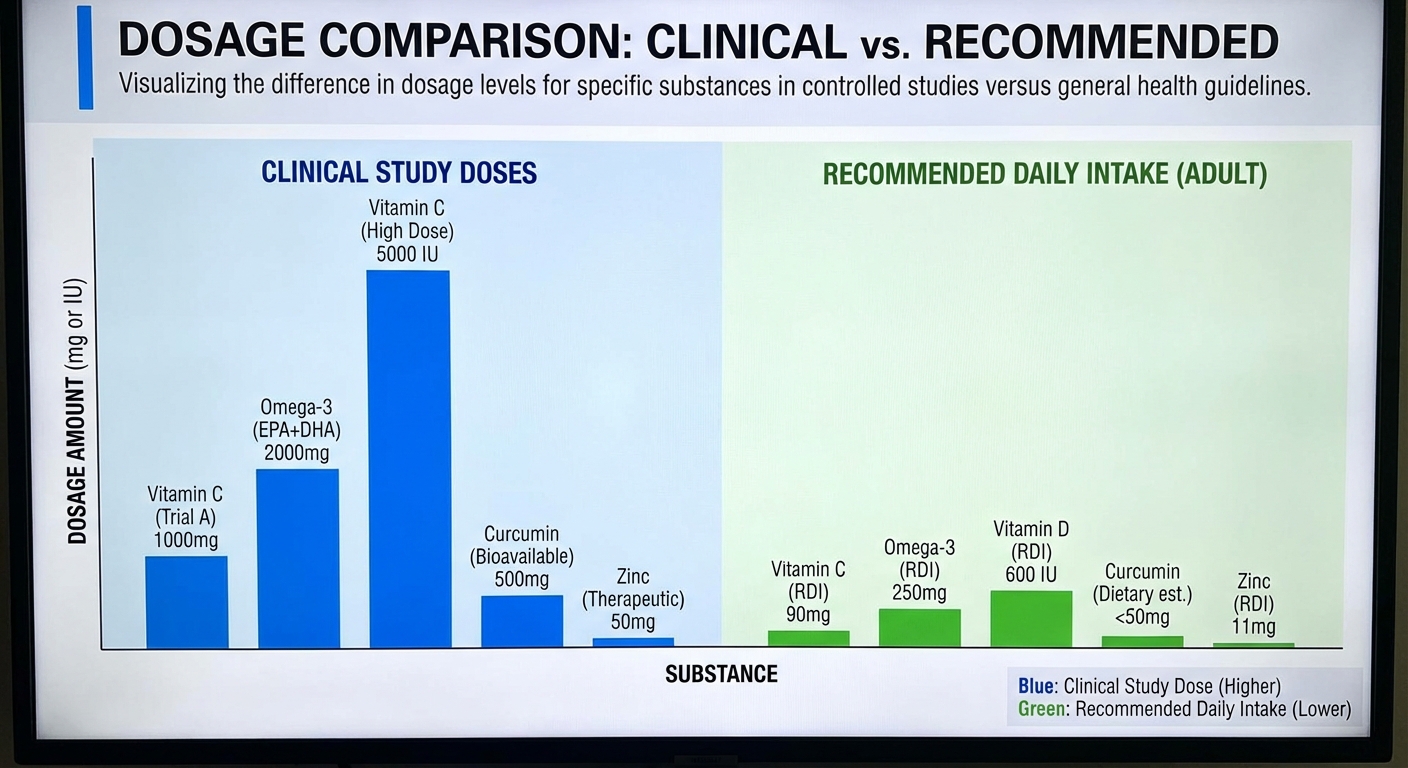
The main limitation of commercial mushroom coffees is dosing. A typical serving might contain 250-500mg of mushroom extract, far below the doses used in clinical studies. To get the 750-1,000mg of lion’s mane shown to improve cognition, you’d need to drink 2-4 cups, at which point the caffeine content becomes problematic. This suggests that mushroom coffee is better viewed as a healthier alternative to regular coffee rather than a therapeutic intervention.
Creating Your Cognitive Enhancement Protocol
Getting benefits from functional foods requires understanding dosing, timing, and individual response patterns. These aren’t magic pills; they work through biological mechanisms that take time to manifest and vary significantly between individuals based on genetics, stress levels, and baseline cognitive function.
Start with single ingredients rather than complex blends to assess individual responses. Begin with lion’s mane at 500-750mg daily, taken with breakfast for optimal absorption. After two weeks, add an adaptogen based on your needs: ashwagandha for anxiety-related focus issues, rhodiola for fatigue-related cognitive decline, or both if dealing with multiple stressors. Track your response using standardized measures like reaction time tests or subjective ratings of focus and mental clarity.
Timing matters more than most people realize. Lion’s mane works best taken consistently at the same time daily, as NGF production follows circadian rhythms. Rhodiola should be taken on an empty stomach 30 minutes before cognitive demands. Ashwagandha timing depends on your goals: morning for mild stress reduction, evening for sleep improvement and next-day cognitive benefits. Avoid taking multiple stimulating compounds together, as this can produce paradoxical effects.
Cycling may prevent tolerance and maintain effectiveness. Consider using adaptogens for 6-8 weeks followed by a 2-week break. Lion’s mane appears safe for continuous use, but some practitioners recommend occasional breaks to assess baseline cognitive function. During breaks, maintain other cognitive support practices like exercise, meditation, and adequate sleep. For comprehensive sleep optimization strategies that amplify the effects of cognitive supplements, see our guide to biohacking your sleep.
Quality Concerns and How to Choose Products
The functional foods market’s rapid growth has outpaced regulation, leading to significant quality variations. Unlike pharmaceuticals, supplements and functional foods aren’t required to prove efficacy before marketing. This regulatory gap means consumers must be educated about quality markers and potential red flags.
Third-party testing is non-negotiable for functional mushroom products. Look for certificates of analysis (COAs) that verify identity, potency, and absence of contaminants. Heavy metals, pesticides, and mycotoxins are particular concerns with mushroom products. Reputable companies will make COAs readily available on their websites or upon request.
Extraction methods significantly impact potency. Hot water extraction is necessary to break down mushroom cell walls and release active compounds. Alcohol extraction captures different compounds. Dual extraction (using both methods) provides the fullest spectrum of benefits but increases cost. Products that simply use ground mushroom powder without extraction are far less effective.
Standardization ensures consistent potency. Look for products standardized to specific compound levels: withanolides for ashwagandha, rosavins for rhodiola, beta-glucans for mushrooms. Be skeptical of proprietary blends that don’t disclose individual ingredient amounts. The phrase “mushroom mycelium on grain” often indicates a product with more grain than mushroom content.
The Bottom Line
Functional foods for cognitive enhancement occupy a legitimate space between nutrition and medicine. Lion’s mane mushroom has compelling research supporting its role in cognitive enhancement and neuroprotection through NGF stimulation. Adaptogens like ashwagandha and rhodiola demonstrably improve cognitive performance under stress by modulating the HPA axis and supporting neurotransmitter function. The key is approaching these compounds as tools rather than magic bullets, understanding that their effects are subtle, cumulative, and highly individual.
For the average person dealing with modern life’s cognitive demands, a protocol combining lion’s mane with targeted adaptogens could provide meaningful benefits. The improvements won’t be as dramatic as prescription stimulants, but they come without the side effects, dependency risks, or legal complications. Starting with single ingredients, tracking responses, and adjusting based on individual needs provides the best path to optimization.
The appeal of functional foods ultimately lies in their integration into daily life. Unlike supplements that feel medical, these ingredients fit into existing routines: your morning coffee, afternoon snack, or evening tea. This ease of adoption, combined with growing scientific validation, suggests functional foods will become increasingly mainstream. The question isn’t whether they work, but rather which ones work for you and how to use them effectively.
Your Functional Foods Protocol:
- Start with lion’s mane: 500-750mg daily with breakfast for 2 weeks
- Add an adaptogen based on your primary issue: ashwagandha for anxiety, rhodiola for fatigue
- Track cognitive performance using reaction time tests or subjective focus ratings
- Cycle adaptogens 6-8 weeks on, 2 weeks off to prevent tolerance
- Prioritize quality: look for third-party tested, dual-extracted mushrooms with standardized compounds
- Maintain foundations: these supplements enhance, not replace, sleep, exercise, and nutrition
Sources: Phytotherapy Research lion’s mane clinical trials, International Journal of Molecular Sciences neuroprotection studies, Medicine ashwagandha cognition research, University of Queensland Brain Institute hericene A discovery, Journal of Dietary Supplements rhodiola fatigue studies, Kerry Health and Nutrition Institute market research.