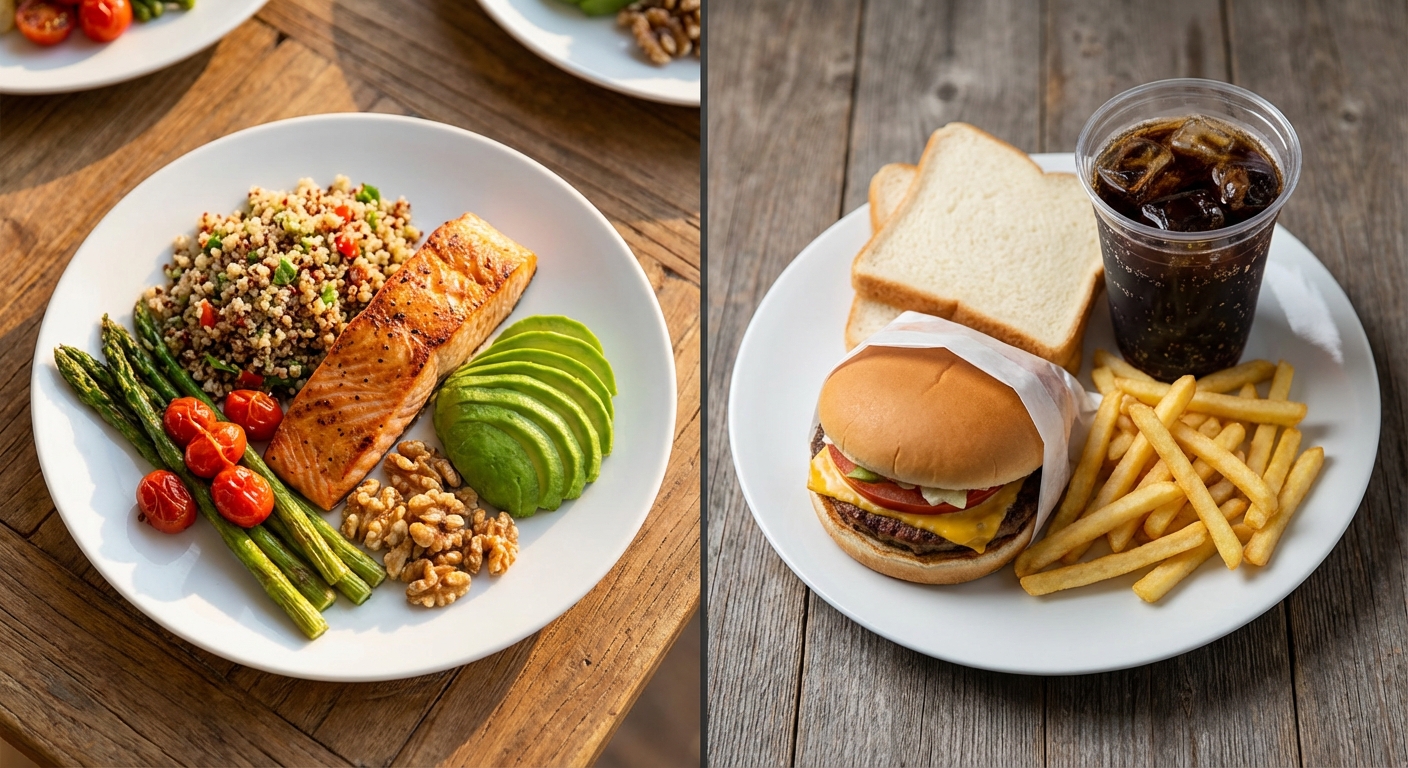
In the ongoing cultural war against carbohydrates, we’ve developed a binary framework: carbs are either “good” (vegetables, fiber) or “bad” (white rice, potatoes, bread). This oversimplification misses a crucial category that doesn’t fit neatly into either camp. There’s a type of carbohydrate that resists digestion in your small intestine, travels intact to your colon, and functions more like fiber than starch. It feeds your beneficial gut bacteria, produces compounds that reduce inflammation and strengthen your intestinal lining, and actually lowers the glycemic impact of the foods containing it. This is resistant starch, and understanding how to maximize it is one of the simplest, cheapest nutritional upgrades available.
The irony is that resistant starch exists in some of the foods most vilified by low-carb advocates: potatoes, rice, pasta, and bread. The catch is that the resistant starch content of these foods changes dramatically based on how you prepare them. A hot baked potato contains minimal resistant starch. That same potato, cooled overnight and eaten cold or reheated the next day, contains substantially more. The chemistry of cooling transforms the molecular structure of starch in ways that fundamentally change how your body processes it. Understanding this transformation allows you to eat these foods while capturing metabolic benefits that most people don’t know exist.
Dr. Denise Robertson, a nutrition scientist at the University of Surrey who has published extensively on resistant starch, calls it “the forgotten fiber.” Her research demonstrates that resistant starch produces many of the same health benefits attributed to dietary fiber, improvements in gut bacteria composition, increased satiety, reduced post-meal glucose spikes, and decreased inflammation, but through mechanisms that differ from traditional fiber sources. For people who struggle to eat enough fiber from vegetables and whole grains, strategic resistant starch consumption offers an alternative pathway to similar outcomes.
The Four Types of Resistant Starch and Where to Find Them
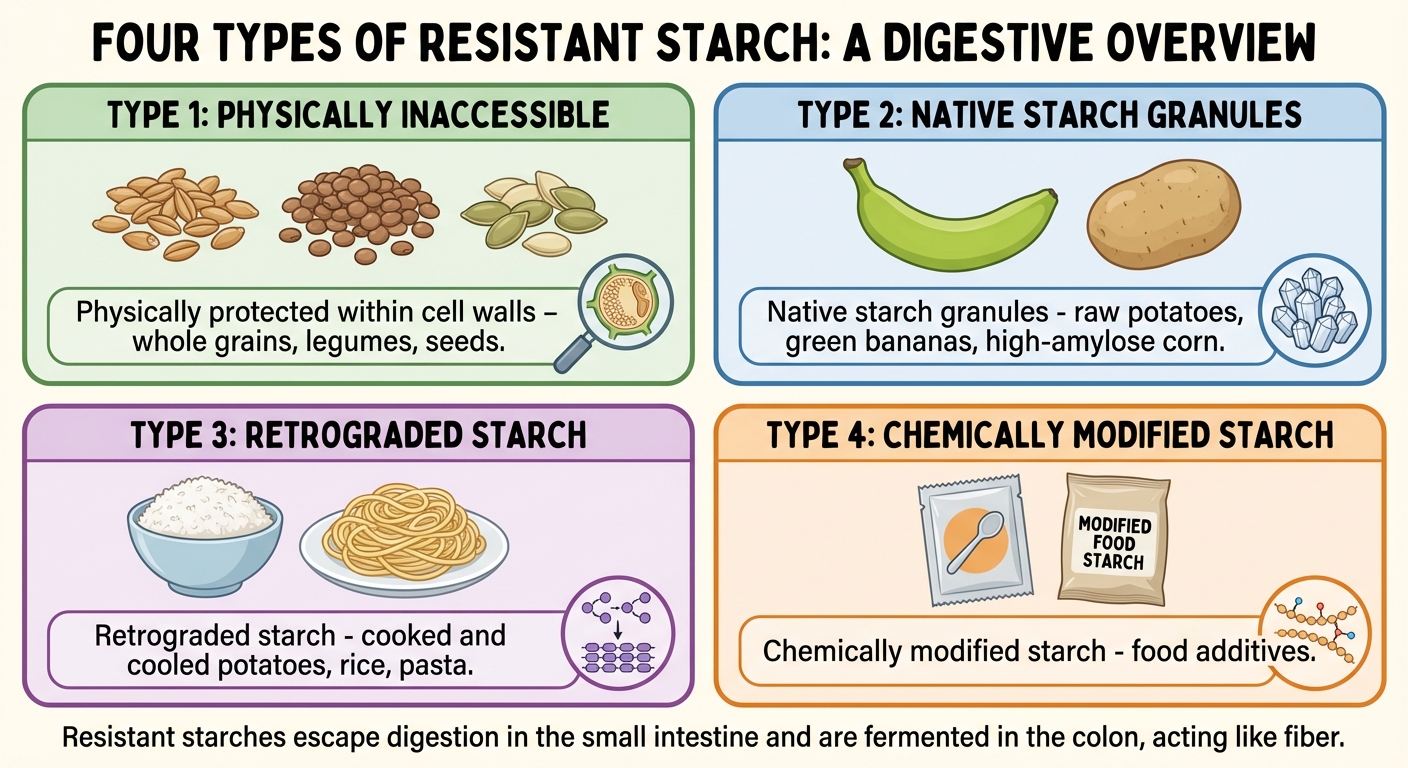
Not all resistant starch forms through the same mechanism, and understanding the different types explains why some sources are more practical than others for everyday consumption.
Type 1 resistant starch is physically protected within plant cell walls. Whole grains, seeds, and legumes contain starch granules that digestive enzymes cannot access because they’re encased in fibrous structures. When you eat whole grain bread with visible seed pieces, some of those seeds pass through your digestive tract intact because their protective coating prevented starch breakdown. This type is the hardest to manipulate because it depends on the food’s physical structure rather than preparation method.
Type 2 resistant starch exists in raw, uncooked starchy foods. Raw potatoes, green (unripe) bananas, and raw oats contain starch in a granular form that resists enzymatic digestion. This type is the most potent but also the least palatable. Few people want to eat raw potatoes, though green banana flour has become a popular supplement precisely because it concentrates Type 2 resistant starch in an easy-to-consume powder.
Type 3 resistant starch forms through cooking and cooling, a process called retrogradation. This is the type most relevant for practical application because you can create it at home with foods you already eat. When starchy foods cool after cooking, the starch molecules realign into crystalline structures that digestive enzymes struggle to break down. Even reheating doesn’t fully reverse this transformation. This is why day-old rice in fried rice, cold potato salad, or reheated pasta contain significantly more resistant starch than their freshly cooked equivalents.
Type 4 resistant starch is chemically modified and primarily found in processed food products designed for specific industrial applications. It’s created through chemical treatments that cross-link starch molecules, making them resistant to digestion. While Type 4 appears in some commercial products marketed for blood sugar management, it’s less relevant for people focused on whole food strategies.
For most people, Type 3 resistant starch represents the greatest opportunity. You’re already cooking potatoes, rice, pasta, and bread. The only change required is time: cook in advance, cool completely, and consume later.
The Chemistry of Retrogradation: What Happens When Starch Cools
Understanding the molecular process behind resistant starch formation explains why this isn’t pseudoscience but straightforward food chemistry with measurable effects.
When you cook a starchy food like a potato, the starch granules absorb water and swell in a process called gelatinization. The organized crystalline structure of raw starch breaks apart, and the starch molecules (amylose and amylopectin) disperse into a gel-like matrix. This gelatinized starch is highly accessible to digestive enzymes in your small intestine. It’s why hot mashed potatoes cause rapid glucose absorption and substantial blood sugar spikes.
When that cooked starch cools, particularly over 12-24 hours at refrigerator temperatures, something remarkable happens. The dispersed starch molecules begin to reassociate, forming new hydrogen bonds and realigning into tight, ordered structures. This process, retrogradation, creates crystalline regions that are physically different from both the original raw starch and the gelatinized cooked starch. The realigned molecules resist enzymatic breakdown because digestive amylase cannot easily access the starch within these new crystalline structures.
The amylose component of starch retrogrades more readily than amylopectin, which is why high-amylose varieties of rice and potatoes form more resistant starch upon cooling than waxy (high-amylopectin) varieties. Regular long-grain rice creates more resistant starch than sticky rice. Certain potato varieties with higher amylose content are particularly effective.
Critically, reheating does not fully reverse retrogradation. While some of the reformed crystalline structure will break apart when you reheat yesterday’s rice or potatoes, a significant portion remains resistant. Studies measuring resistant starch content find that reheated cooled potatoes contain 1.5-2 times more resistant starch than freshly cooked potatoes at the same temperature. You don’t have to eat cold potato salad to benefit; lukewarm reheated rice still carries the metabolic advantages.
Feeding Your Microbiome: The Butyrate Connection
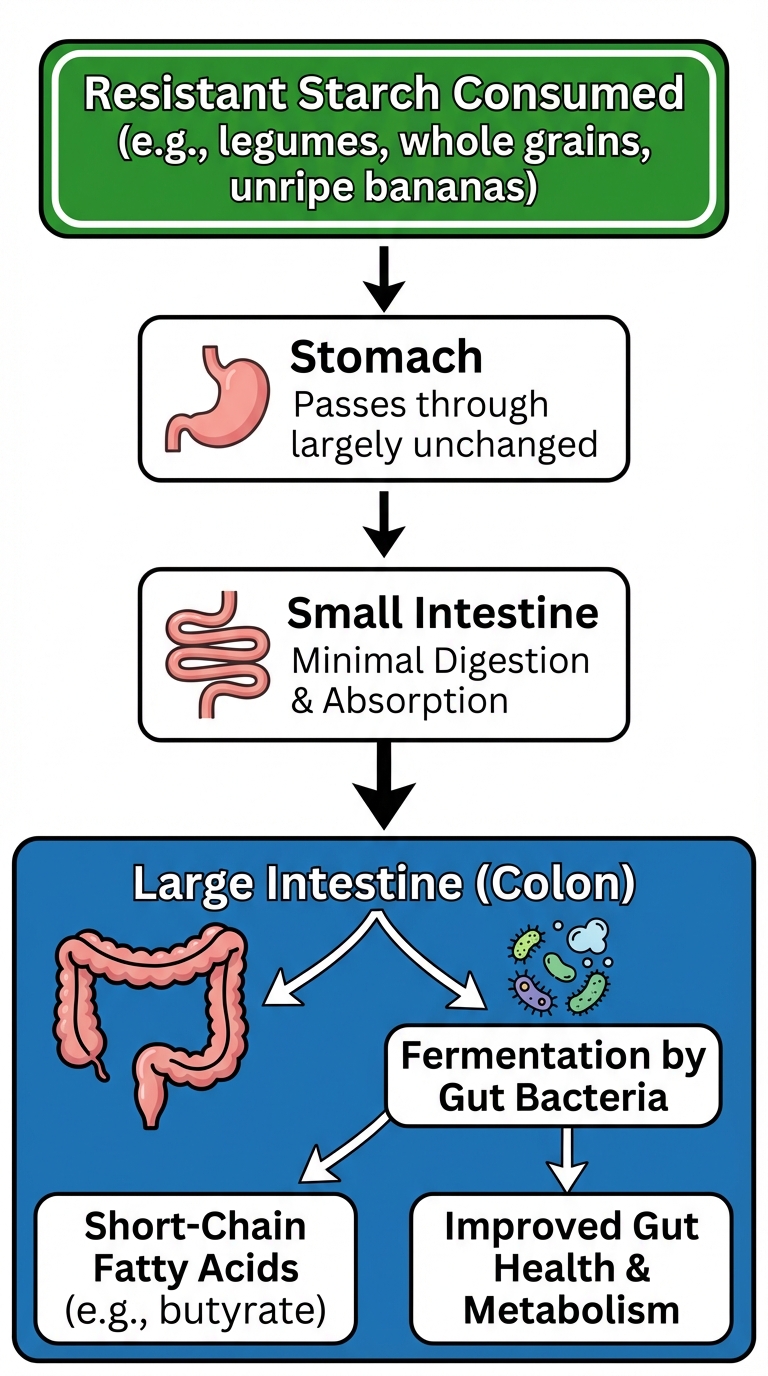
The reason resistant starch matters extends far beyond reduced caloric absorption or blunted glucose response. The truly significant benefit occurs in your colon, where resistant starch becomes fuel for beneficial bacteria that produce compounds essential for gut and systemic health.
Because resistant starch escapes digestion in the small intestine, it arrives in the colon intact, ready to be fermented by your gut microbiome. This fermentation produces short-chain fatty acids (SCFAs), primarily butyrate, propionate, and acetate. Of these, butyrate has received the most research attention for its remarkable effects on health.
Butyrate is the primary energy source for colonocytes, the cells lining your colon. These cells preferentially burn butyrate over glucose, and adequate butyrate availability is essential for maintaining the integrity of your intestinal barrier. The barrier function of your gut, its ability to keep the contents of your digestive tract from leaking into your bloodstream, depends heavily on colonocyte health. When butyrate production is insufficient, barrier function can deteriorate, contributing to what’s colloquially called “leaky gut” and the systemic inflammation that follows.
Research published in Nature Reviews Gastroenterology & Hepatology has documented butyrate’s anti-inflammatory effects within the gut and throughout the body. Butyrate suppresses the production of inflammatory cytokines, modulates immune cell function, and may play a role in reducing colon cancer risk through mechanisms that include promoting apoptosis (programmed cell death) in abnormal cells and reducing oxidative stress.
The gut-brain connection also runs through butyrate. SCFAs including butyrate cross the blood-brain barrier and influence neurological function. Research from UCLA published in Brain, Behavior, and Immunity found associations between butyrate-producing bacteria and reduced anxiety and depression symptoms. While the mechanisms are still being elucidated, the connection between a well-fed microbiome and brain health appears increasingly robust.
For a comprehensive approach to supporting your gut microbiome, resistant starch works synergistically with fermented foods that provide beneficial bacterial strains directly. The resistant starch feeds the bacteria; the fermented foods introduce additional beneficial species.
Practical Application: Best Sources and Preparation Methods
Translating the science of resistant starch into kitchen practice requires knowing which foods offer the highest yields and how to prepare them for maximum benefit.
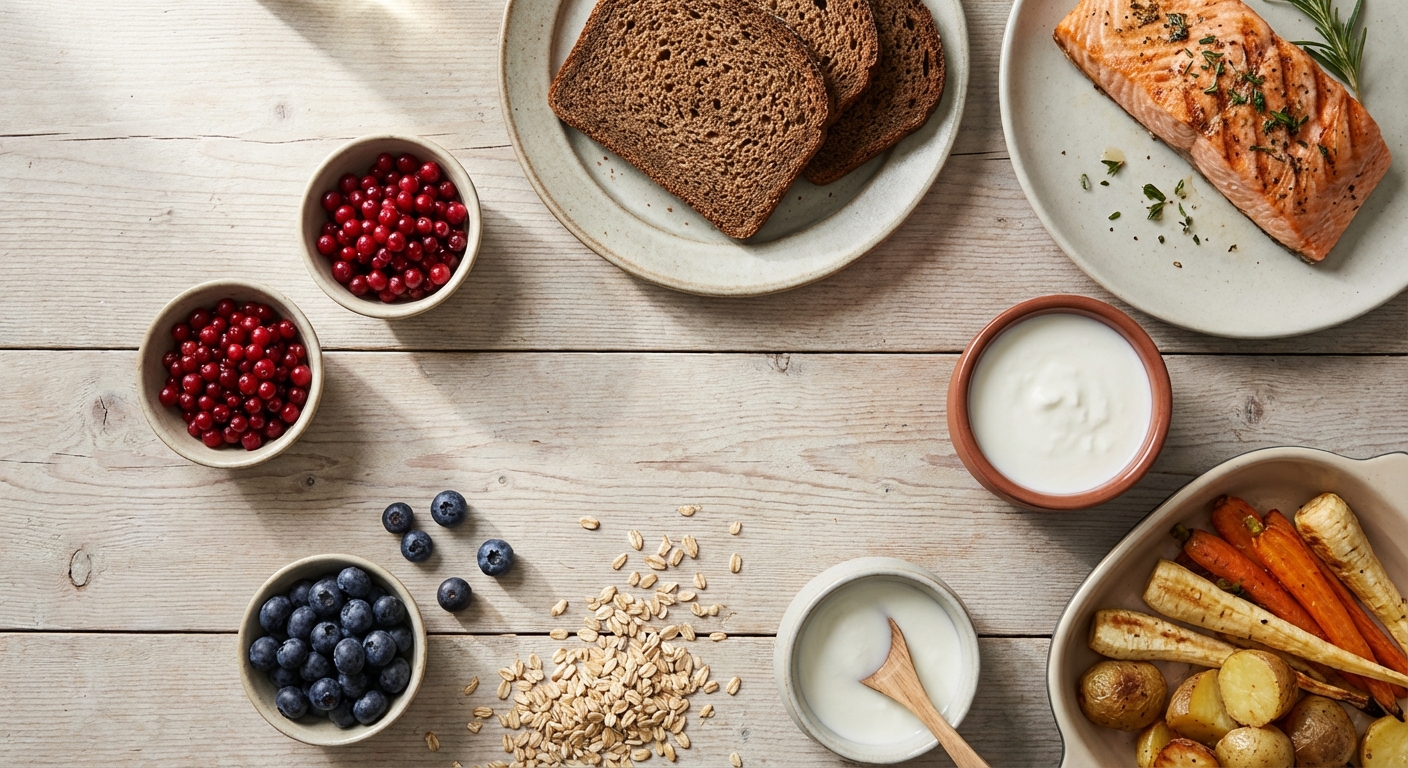
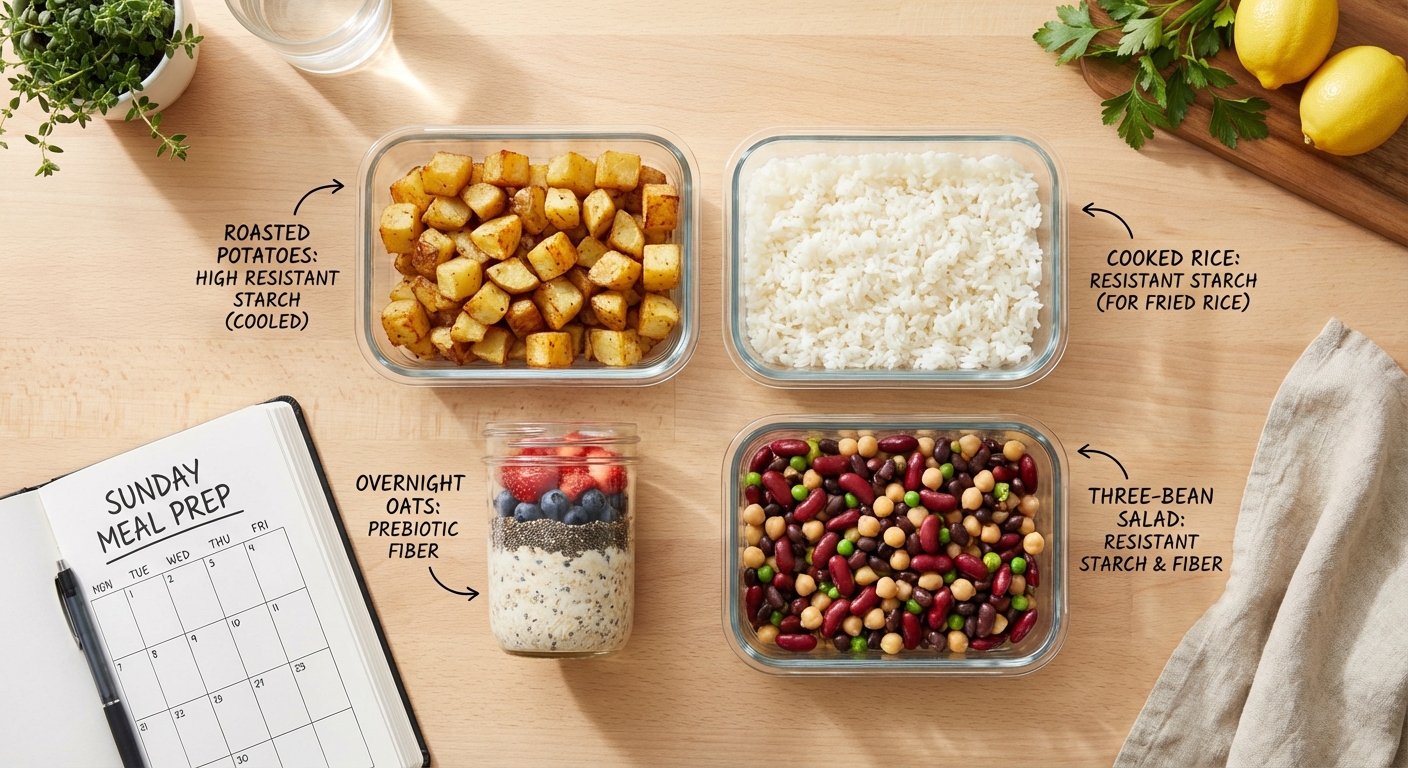
Potatoes are among the richest sources of Type 3 resistant starch when properly prepared. Cook potatoes (any variety works, though waxy varieties like Yukon Gold are particularly effective) by boiling or baking until tender. Allow them to cool completely in the refrigerator for 12-24 hours before consuming. Potato salad is the classic application: the cold storage period maximizes retrogradation. If you prefer warm potatoes, reheat gently; the resistant starch partially survives. Research from the European Journal of Clinical Nutrition found that cooled and reheated potatoes had a 30-40% lower glycemic response than freshly cooked potatoes.
Rice follows similar principles. Cook rice normally, then refrigerate overnight before using. Day-old rice for fried rice isn’t just a texture preference; it’s a metabolic upgrade. A study from Sri Lanka, published in 2015, found that cooking rice with a small amount of coconut oil (about 1 teaspoon per half cup of dry rice), then cooling it for 12 hours, increased resistant starch content by up to tenfold compared to conventionally cooked rice. The fat appears to help amylose molecules form more stable crystalline structures during cooling. Parboiled rice (partially pre-cooked before milling, like Uncle Ben’s converted rice) starts with higher resistant starch content than regular white rice.
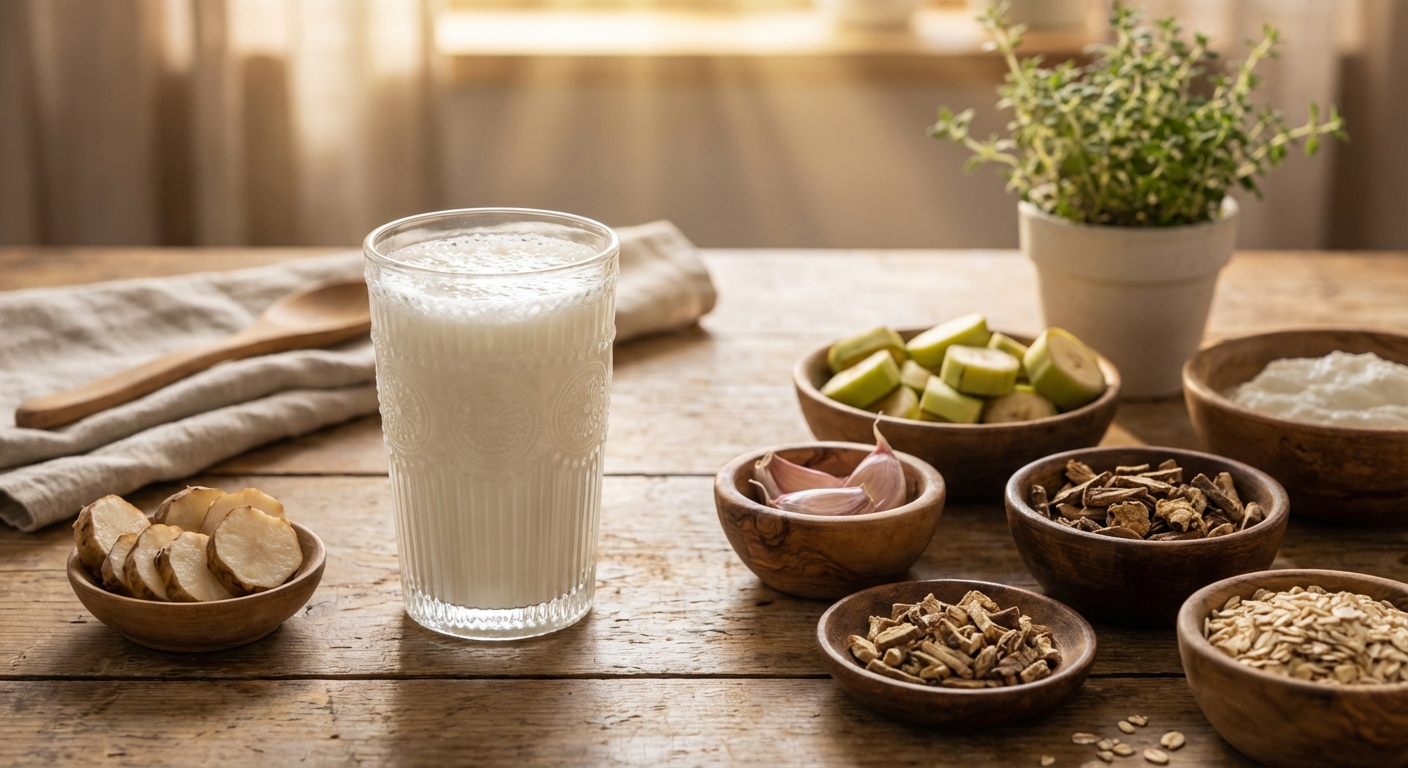
Green bananas and green banana flour offer concentrated Type 2 resistant starch without requiring any preparation manipulation. As bananas ripen from green to yellow to spotted, their resistant starch converts to sugar. An unripe green banana contains approximately 4-5 grams of resistant starch; a ripe yellow banana contains almost none. For those who find unripe bananas unpalatable, green banana flour provides a neutral-tasting powder (about 1 tablespoon provides 3-4 grams of resistant starch) that can be added to smoothies, oatmeal, or baked goods.
Overnight oats maximize the resistant starch content of oats through cold preparation rather than heat. Raw oats soaked overnight in milk or yogurt retain their Type 2 resistant starch, while cooking oats into hot porridge gelatinizes the starch and eliminates this benefit. For those managing blood sugar, the difference is meaningful: overnight oats produce a lower glycemic response than identical oats cooked hot.
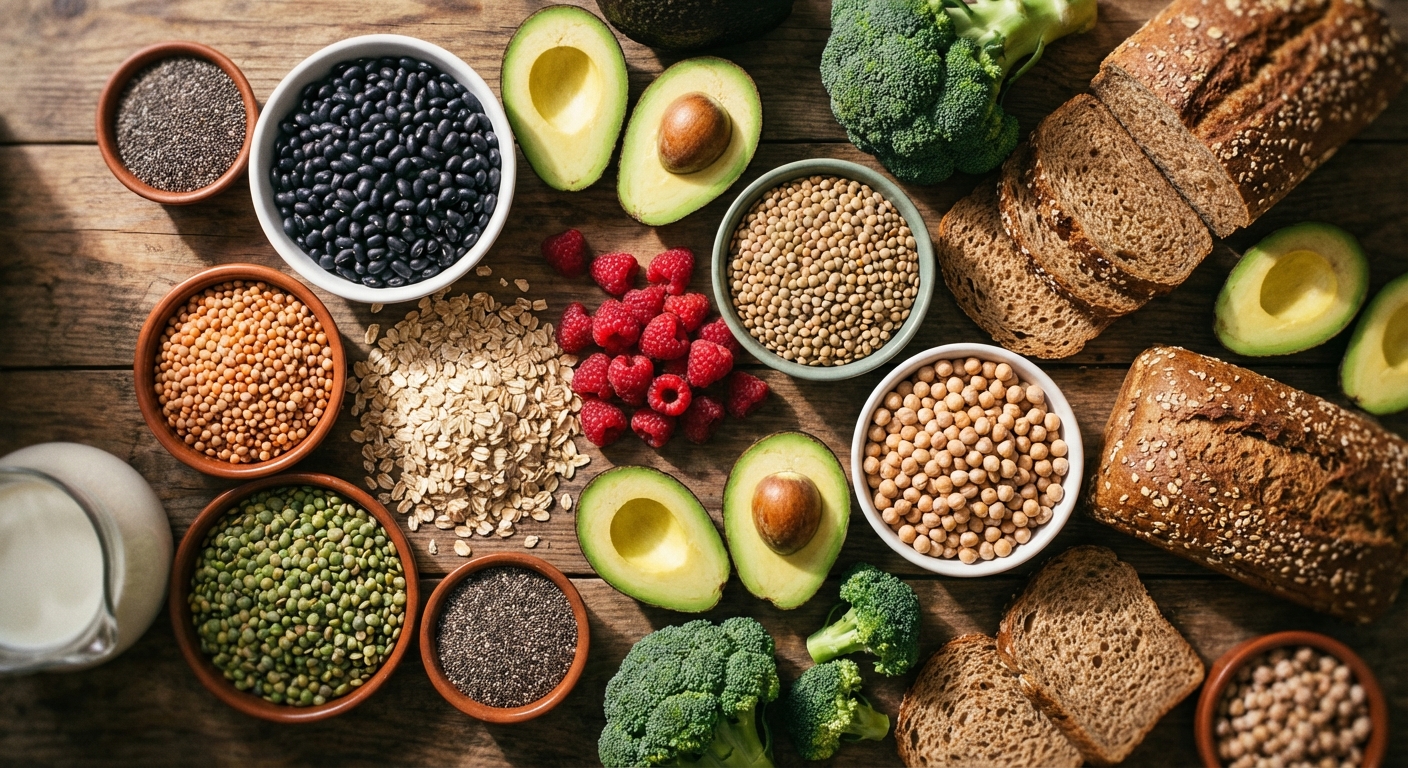
Legumes contain both Type 1 resistant starch (protected within cell structures) and develop Type 3 resistant starch when cooled after cooking. Cold bean salads, hummus (made from cooled chickpeas), and refried beans that have been refrigerated and reheated all provide resistant starch benefits.
The “Go Slow” Protocol: Avoiding the Gas Problem
If you’ve avoided high-fiber diets because of digestive discomfort, resistant starch may initially seem like more of the same problem. When gut bacteria ferment any substrate, including resistant starch, gas is a natural byproduct. For people whose microbiomes aren’t accustomed to significant fermentation, suddenly introducing large amounts of resistant starch can cause bloating, cramping, and flatulence that rivals the worst fiber supplement experiences.
The solution is gradual introduction. Your gut bacteria populations adapt to available substrates over time. When you consistently provide resistant starch, the bacterial species that efficiently ferment it multiply, and those that produce excessive gas as a byproduct get outcompeted by more efficient fermenters. This adaptation typically takes two to three weeks of consistent intake.
Start with approximately one-quarter cup of cooled rice or potatoes daily, or one teaspoon of green banana flour. Maintain this level for a week, monitoring symptoms. If gas and bloating are manageable, increase to half a cup or two teaspoons in week two. Continue gradual increases until you reach your target intake. For most people, 15-30 grams of resistant starch daily (achievable through a combination of cooled starches and other sources) provides meaningful benefit. Higher intakes offer diminishing returns and may cause persistent digestive discomfort even in adapted individuals.
Hydration supports the process. Like all fiber and fiber-like compounds, resistant starch absorbs water in the digestive tract. Inadequate fluid intake can lead to constipation even as fermentation produces other symptoms. Aim for at least eight cups of water daily when increasing resistant starch intake.
If symptoms persist beyond three to four weeks of gradual introduction, consider whether underlying gut issues (SIBO, IBS, or other conditions) may be contributing. For some people, the fermentation that makes resistant starch beneficial is problematic, and alternative strategies for gut health may be more appropriate. This is particularly true for those managing digestive conditions during periods of dietary change.
The Bottom Line
Resistant starch represents one of the most accessible nutritional optimizations available. It requires no supplements, no special foods, and no significant expense. You’re likely already eating potatoes, rice, pasta, and oats. The only modification is timing: cook in advance, cool thoroughly, and consume later. This simple change transforms foods often avoided by health-conscious eaters into gut-healing, glucose-moderating assets.
The metabolic benefits are measurable: reduced post-meal glucose spikes (30-50% lower glycemic response in some studies), increased satiety from the same calories, enhanced beneficial bacteria populations, and elevated butyrate production that supports intestinal integrity and reduces systemic inflammation. These aren’t theoretical possibilities but documented outcomes from human trials.
Perhaps most importantly, resistant starch rehabilitates carbohydrates that have been unfairly demonized. You don’t need to avoid potatoes and rice to maintain metabolic health. You need to prepare them intelligently. The same bowl of rice that spikes glucose when served fresh from the pot becomes a gut-healing food when cooled overnight and gently reheated. The molecular transformation is real, the health benefits are documented, and the practical application couldn’t be simpler.
Your Resistant Starch Starter Protocol:
- Cook a batch of potatoes or rice at the beginning of the week
- Cool completely in the refrigerator for 12-24 hours before first use
- Use throughout the week in salads, stir-fries, or reheated as sides
- Start with 1/4 cup daily and increase gradually over 2-3 weeks
- Add green banana flour to smoothies for concentrated Type 2 resistant starch
- Replace hot oatmeal with overnight oats for breakfast
Sources: European Journal of Clinical Nutrition resistant starch and glycemic response research, Nature Reviews Gastroenterology & Hepatology butyrate review, Brain, Behavior, and Immunity gut-brain axis studies (UCLA), University of Surrey resistant starch research (Dr. Denise Robertson), Journal of the American College of Nutrition retrogradation studies, Sri Lanka rice and coconut oil resistant starch study (2015).