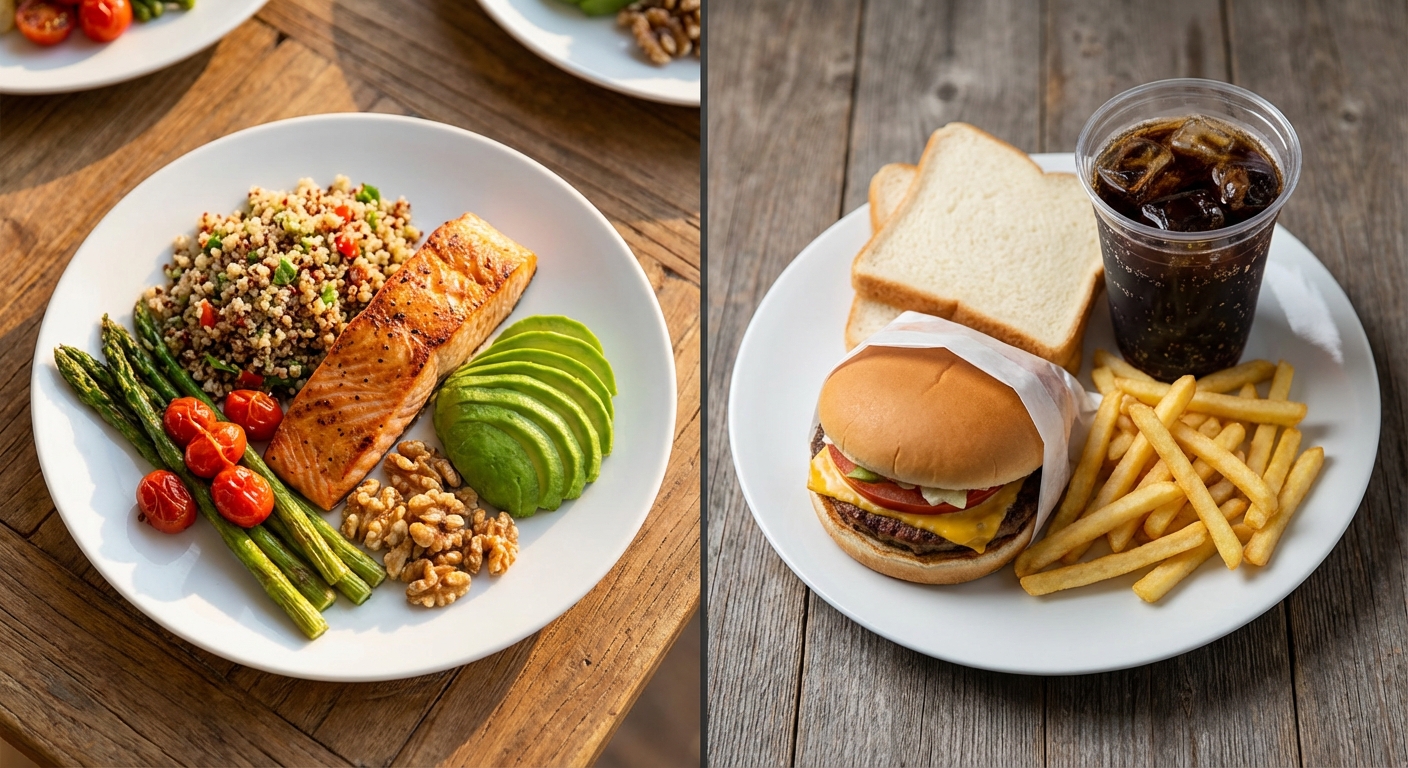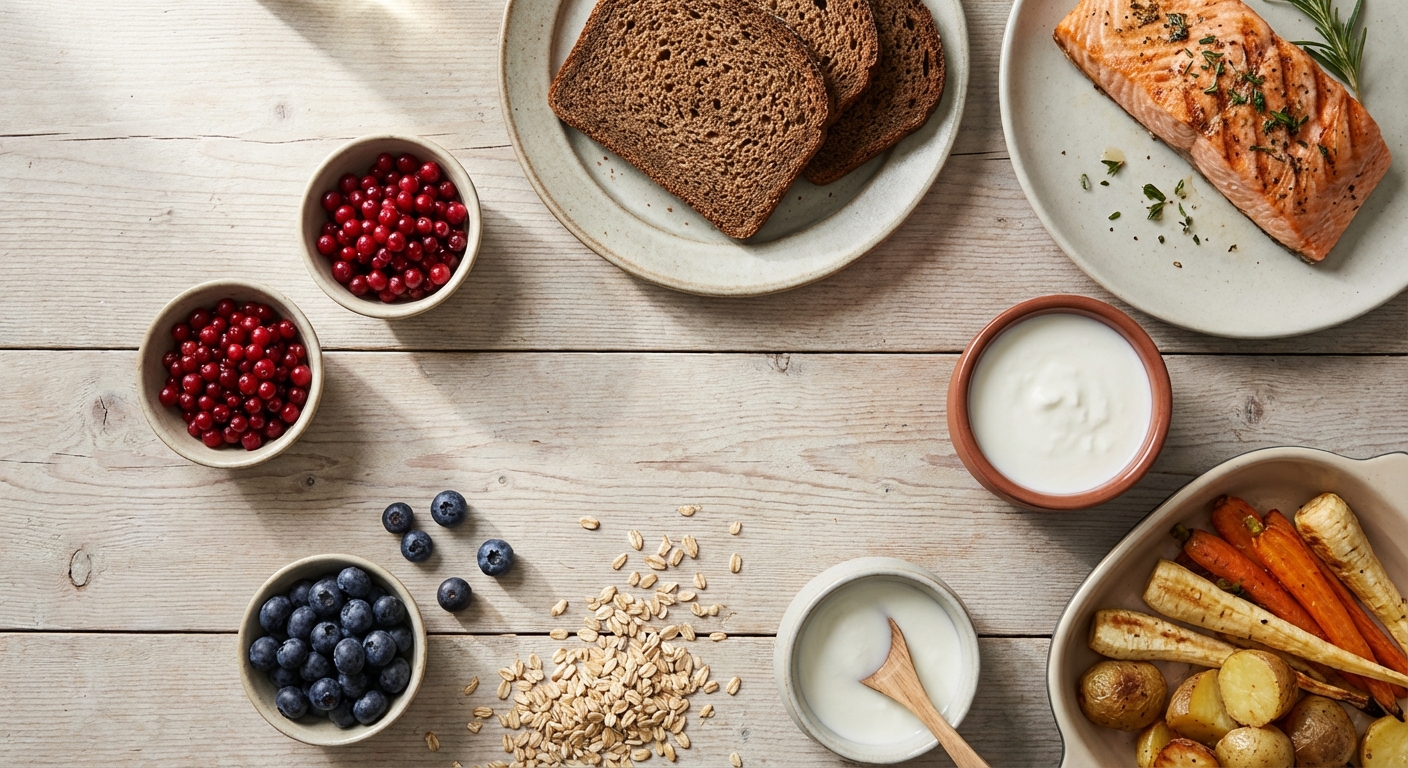
You wake up, grab coffee, maybe toast or a banana, and rush out the door. By 10:30 AM, you’re ravenous. By 2 PM, you’re fighting brain fog. By dinner, you’re raiding the pantry. Sound familiar? This pattern isn’t a willpower problem. It’s a protein timing problem, and fixing it might be the single highest-leverage dietary change you can make.
The typical American diet “back-loads” protein, cramming 50-70% of daily intake into dinner. From a metabolic perspective, this approach is completely backwards. You’re giving your body the building blocks for repair and energy production right before you lie down for eight hours, after starving your muscles and brain all day. A growing body of research suggests that shifting just 30 grams of protein to breakfast can transform energy levels, body composition, and appetite control in ways that no other dietary intervention matches.
The Satiety Science: Why Protein Kills Cravings
Protein is the most satiating macronutrient, and the mechanism is elegantly simple. When protein enters your small intestine, specialized L-cells release two powerful hormones: peptide YY (PYY) and glucagon-like peptide-1 (GLP-1). These are the same gut hormones that weight loss medications like Ozempic and Wegovy artificially stimulate. A high-protein breakfast triggers this natural appetite suppression system from the moment you start your day.
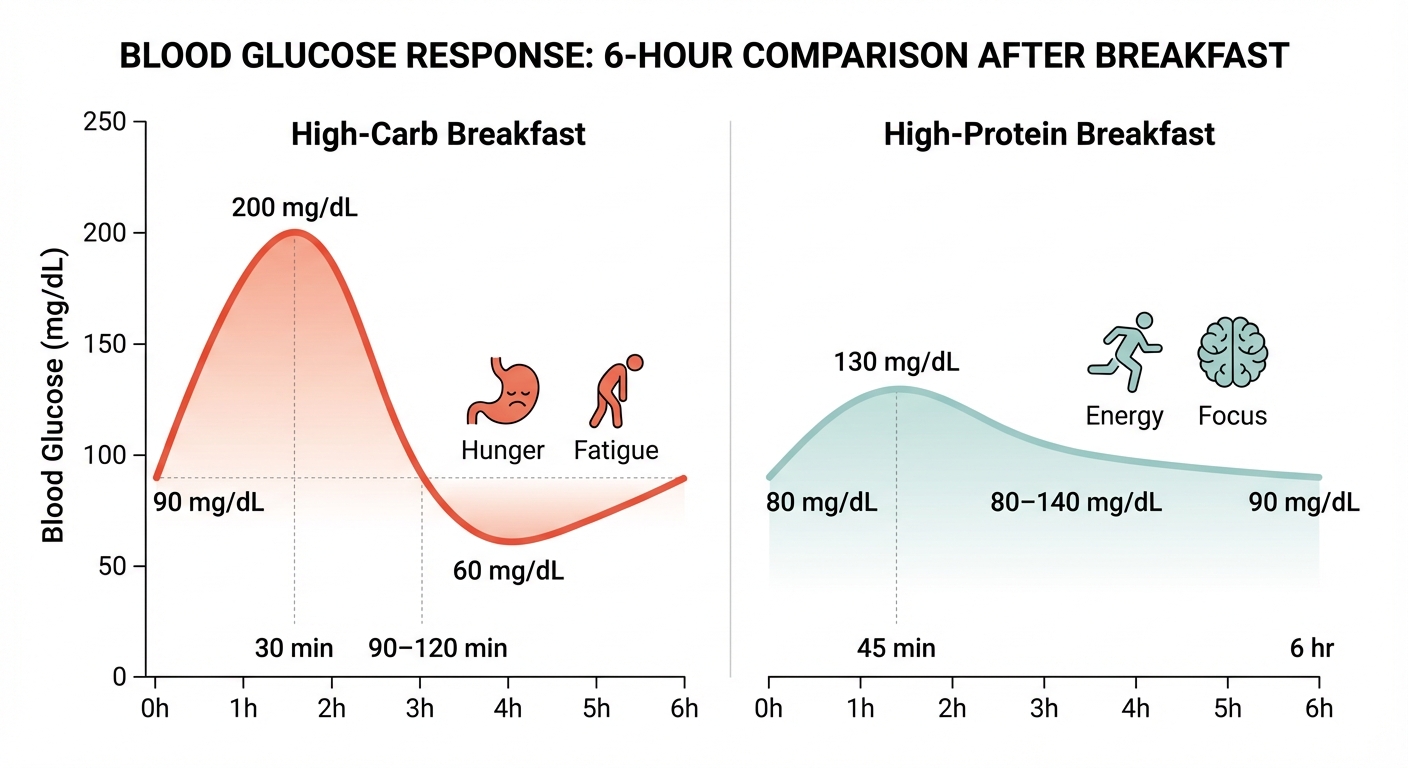
The contrast with a carbohydrate-heavy breakfast is striking. Cereal, bagels, or toast spike blood glucose rapidly, prompting a surge of insulin. Within 90-120 minutes, blood sugar crashes below baseline, a phenomenon called reactive hypoglycemia. This crash triggers cortisol and ghrelin release, creating the familiar mid-morning hunger pangs, irritability, and mental fog that send you hunting for snacks.
A 2015 study published in the International Journal of Obesity demonstrated this effect directly. Researchers at the University of Missouri compared three breakfast conditions in overweight adolescents: skipping breakfast entirely, eating a standard 350-calorie cereal breakfast, or consuming a 350-calorie high-protein breakfast (35g protein from eggs and lean beef). This research aligns with broader findings on how protein timing affects muscle synthesis and metabolism. The high-protein group reported significantly greater fullness throughout the morning and consumed 400 fewer calories at an evening buffet compared to the cereal group. Over 12 weeks, the protein breakfast group showed reduced body fat and stabilized daily glucose levels.
Dr. Heather Leidy, the study’s lead author and a protein metabolism researcher now at the University of Texas, explains: “Protein at breakfast essentially resets appetite regulation for the entire day. The effects persist through lunch and dinner because you’ve established stable blood sugar and satiety hormone levels from the start.”
Muscle Protein Synthesis: The Leucine Threshold
Beyond appetite control, morning protein serves a critical physiological function: triggering muscle protein synthesis (MPS). Your body exists in a constant state of protein turnover, simultaneously breaking down muscle tissue (muscle protein breakdown, or MPB) and building it back up (MPS). To maintain or increase muscle mass, MPS must equal or exceed MPB over time.
After 8-10 hours of overnight fasting, you wake up in a catabolic state. Your body has been breaking down muscle protein for hours to supply amino acids for essential functions. To flip the switch back to anabolism, you need to cross a specific biochemical threshold, and the key is leucine.
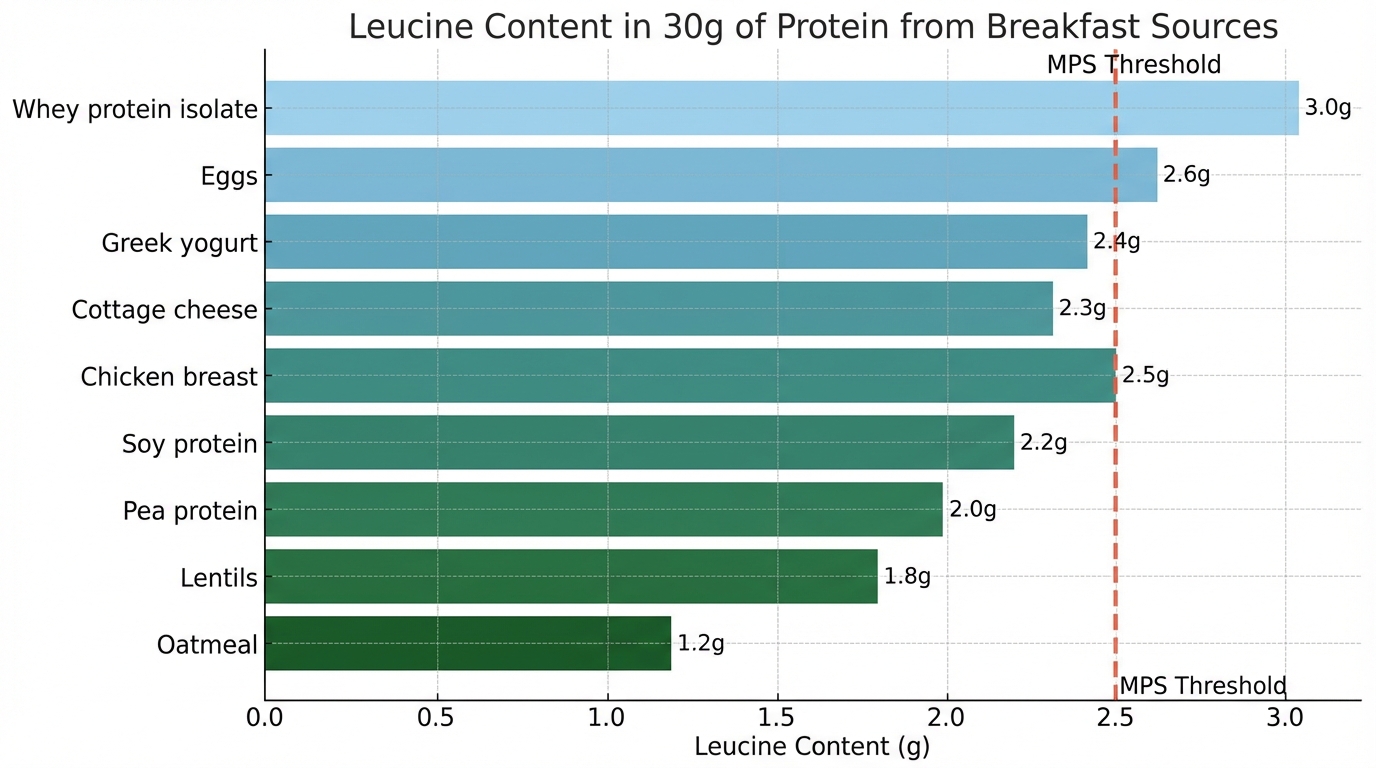
Leucine is one of three branched-chain amino acids (BCAAs), but it plays a unique role as the primary trigger for MPS. Research from Dr. Donald Layman at the University of Illinois established that blood leucine concentrations must reach approximately 2.5-3 grams to activate the mTOR pathway, the molecular switch that initiates muscle protein synthesis. Below this threshold, amino acids get used for other purposes, but the muscle-building machinery doesn’t engage.
Here’s the practical implication: to hit the leucine threshold, you typically need to consume approximately 30 grams of high-quality protein in a single meal. Eating 15 grams, like a single egg and a small yogurt, provides amino acids but likely won’t flip the anabolic switch. It’s like trying to start a car with a weak battery; there’s energy present, but not enough to turn the engine over.
A 2014 study in the Journal of Nutrition tested this directly. Researchers fed participants either 30g of protein per meal three times daily (90g total) or the same 90g distributed as six smaller 15g meals. Despite identical total protein intake, the three-meal group showed significantly higher muscle protein synthesis rates. Each 30g feeding crossed the leucine threshold and triggered a full anabolic response; the 15g feedings never reached the threshold intensity needed.
If you skip protein at breakfast or eat only 10-15 grams, you miss one of your three primary MPS windows for the day. Over weeks and months, this pattern contributes to gradual muscle loss, slower metabolism, and the frustrating phenomenon of losing weight but still looking “soft.” Understanding your individual protein requirements can help you calibrate these targets appropriately.
Animal vs. Plant Sources: The Leucine Gap
Not all protein sources deliver equal anabolic potential in the morning. Animal proteins, including eggs, dairy, and meat, contain complete amino acid profiles with naturally high leucine concentrations. Thirty grams of animal protein easily crosses the leucine threshold.
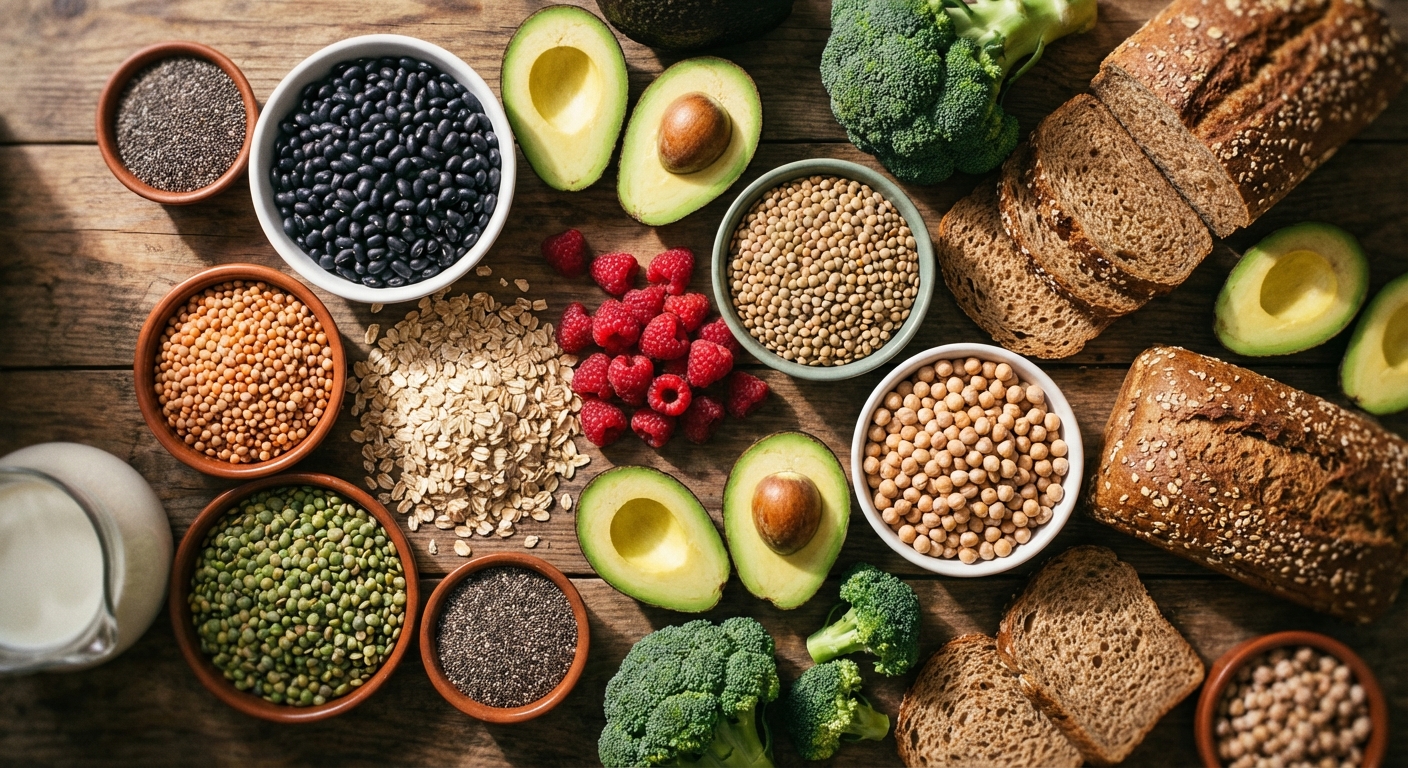
Plant proteins present a more complex picture. Most plant sources are lower in leucine and often lack one or more essential amino acids. Thirty grams of protein from lentils or rice provides approximately 1.8-2.0 grams of leucine, potentially falling short of the threshold that would be easily reached by an equivalent amount of whey or eggs.
This doesn’t mean plant-based breakfast protein is ineffective, but it requires strategic planning. Research from Dr. Stuart Phillips at McMaster University suggests that vegans and vegetarians may need to consume 40 grams or more of plant protein to achieve the same MPS response as 30 grams of animal protein. Combining complementary sources (legumes plus grains, for example) improves the amino acid profile, and adding a leucine supplement or choosing high-leucine plant options like soy or pea protein isolates can bridge the gap.
The Cortisol Connection
Morning cortisol management adds another dimension to the protein-at-breakfast argument. Cortisol, often called the stress hormone, follows a natural daily rhythm called the cortisol awakening response (CAR). Levels surge in the first 30-45 minutes after waking, providing the energy and alertness to start the day. This is normal and healthy.
Problems arise when cortisol remains elevated or becomes dysregulated. Extended fasting, blood sugar crashes from high-carb breakfasts, and chronic stress can all prevent cortisol from tapering off appropriately. The result is that “wired but tired” feeling, anxious energy in the morning followed by afternoon crashes, difficulty sleeping, and increased abdominal fat storage (cortisol preferentially deposits fat in the midsection).
Amino acids from protein help modulate the cortisol response. Providing the liver with steady fuel signals to the hypothalamic-pituitary-adrenal (HPA) axis that the body is fed and safe, allowing cortisol to follow its natural decline throughout the day. A 2018 study in Nutrients found that high-protein breakfasts were associated with lower cortisol levels at midday and improved stress resilience compared to high-carbohydrate or skipped breakfasts.
For people dealing with chronic stress, anxiety, or stubborn belly fat, the cortisol-protein connection makes morning protein particularly valuable. You’re not just feeding muscles; you’re helping regulate the entire stress-hormone cascade. This morning-focused approach pairs well with fasting strategies designed around metabolic health.
Practical Protocols: Hitting 30g Without Eating Steak
Getting 30 grams of protein at breakfast requires intention but not heroic effort. The key is recognizing that typical American breakfast foods are protein-poor. A single egg contains only 6 grams. A cup of milk adds 8 grams. A slice of toast contributes 2-3 grams. Two eggs and toast gets you to maybe 15 grams, half of what you need.
Quick 30g+ Breakfast Combinations:
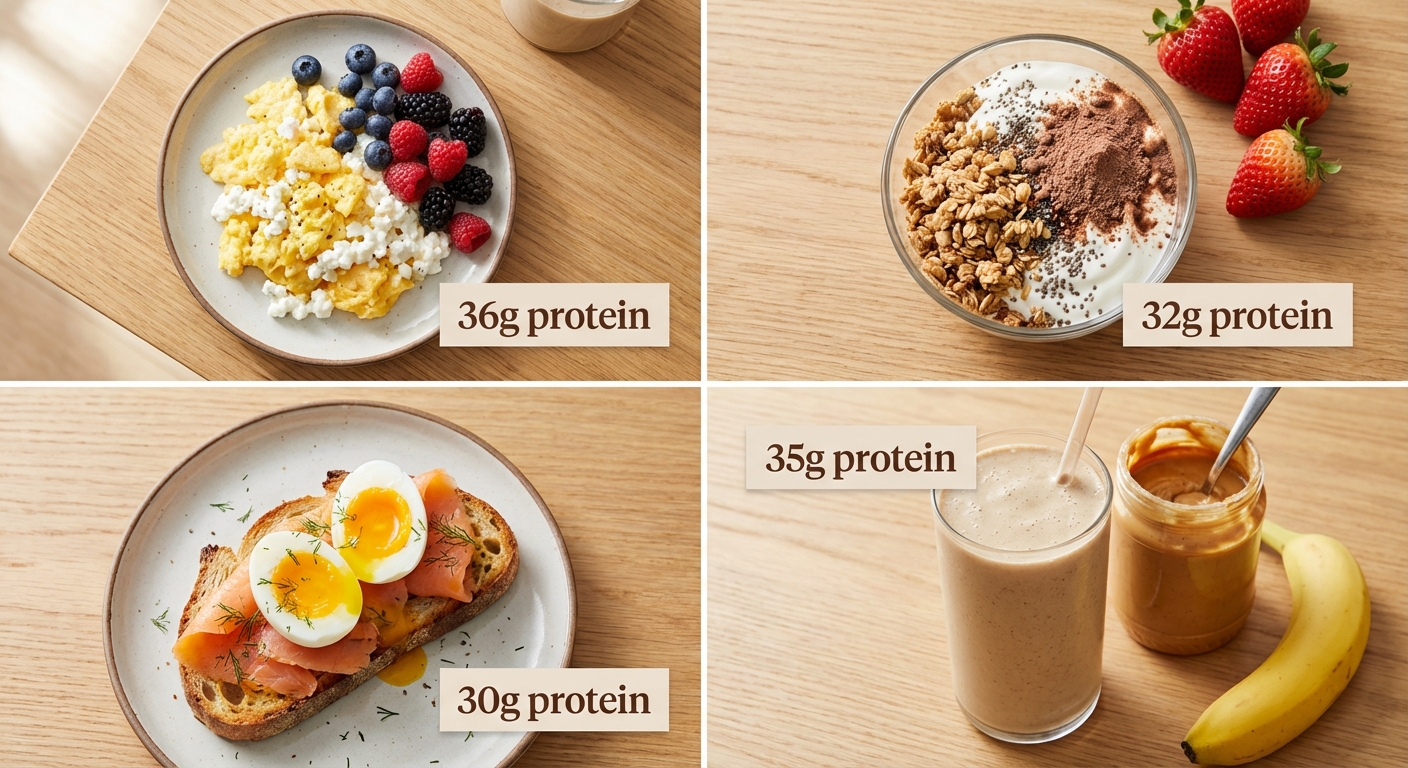
- Three eggs plus one cup cottage cheese = 36g protein. Scramble the eggs, serve cottage cheese on the side with a sprinkle of everything bagel seasoning.
- Greek yogurt parfait = 32g protein. One cup plain Greek yogurt (20g), one scoop whey or plant protein powder (20-25g), topped with berries and a tablespoon of nut butter.
- Smoked salmon toast = 30g protein. 4 oz smoked salmon (20g) on whole grain bread with cream cheese, plus a boiled egg (6g).
- Protein smoothie = 35-40g protein. One scoop protein powder (25g), one cup milk (8g), one tablespoon peanut butter (4g), banana, spinach.
- Savory oatmeal = 30g protein. One cup oatmeal (5g) mixed with one scoop unflavored protein powder (25g) or collagen peptides, topped with a fried egg.
For those who genuinely can’t eat solid food in the morning, a protein shake provides a practical solution. Whey isolate or a high-quality plant blend mixed with water or milk can be consumed quickly and delivers the leucine threshold in under 200 calories. You can always add whole foods at a mid-morning snack once appetite returns.
The Research Consensus
The scientific literature increasingly supports front-loading protein. A 2021 meta-analysis in Advances in Nutrition examining 34 studies found that evenly distributing protein across meals (rather than concentrating it at dinner) was associated with greater lean mass retention and improved body composition in both young adults and elderly populations.
Dr. Jose Antonio, CEO of the International Society of Sports Nutrition, summarizes the evidence: “The average person eats maybe 10 grams of protein at breakfast and 60 grams at dinner. Simply redistributing that, moving 25-30 grams to breakfast, can improve satiety, preserve muscle, and stabilize energy without changing total calories at all.”
For athletes and highly active individuals, the benefits are even more pronounced. A 2023 study in the British Journal of Sports Medicine found that trained individuals who consumed 0.4g protein per kg body weight at breakfast showed enhanced recovery markers and better training adaptations compared to those who delayed protein intake until post-workout shakes later in the day.
The Bottom Line
Stop treating breakfast as a dessert course or skipping it entirely. By consuming 30 grams of protein within the first hour of waking, you trigger muscle protein synthesis, stabilize blood sugar for hours, suppress appetite hormones naturally, and modulate the cortisol stress response. This single change addresses cravings, energy dips, body composition struggles, and afternoon brain fog simultaneously.
Your Next Steps:
- Audit your current breakfast – Add up the protein in your typical morning meal. Most people are shocked to find they’re getting only 10-15g.
- Pick one 30g+ option from above – Start with whatever sounds most appealing and fits your schedule.
- Prepare the night before if needed – Hard-boil eggs, pre-portion yogurt and protein powder, or prep smoothie ingredients.
- Track for one week – Note energy levels at 10 AM and 2 PM, hunger before lunch, and cravings in the evening.
- Adjust based on results – Most people notice improvements within 3-5 days.
Sources: International Journal of Obesity (2015), Journal of Nutrition (2014), Nutrients (2018), Advances in Nutrition (2021), British Journal of Sports Medicine (2023), Dr. Heather Leidy (University of Texas), Dr. Donald Layman (University of Illinois), Dr. Stuart Phillips (McMaster University), Dr. Jose Antonio (ISSN).