Thanksgiving represents the most metabolically challenging day of the American calendar. The average holiday meal delivers somewhere between 3,000 and 4,500 calories in a single sitting, three to four times what most bodies can efficiently process at once. This caloric avalanche arrives predominantly as carbohydrates, potatoes in various forms, stuffing, dinner rolls, cranberry sauce, and pie, creating a glycemic tsunami that overwhelms normal insulin signaling and leaves most participants in a post-prandial stupor commonly known as “food coma.”
The conventional wisdom is to treat Thanksgiving as a metabolic write-off, surrendering to the inevitable and planning to “get back on track” Friday morning. But this approach ignores decades of research on meal timing, macronutrient sequencing, and the role of acute activity in glucose disposal. You can eat the turkey and the stuffing and the pie, enjoying the foods that make this holiday meaningful, while employing strategies that prevent the worst metabolic consequences and preserve your energy for the evening.
The goal isn’t restriction. Thanksgiving is for gratitude and celebration, not calorie counting. The goal is intelligent consumption that respects your body’s physiology rather than ignoring it. By understanding how your body processes food and strategically using that knowledge, you can wake up Friday morning feeling ready to move rather than ready to hibernate.
The Fasting Mistake: Why “Saving Room” Backfires
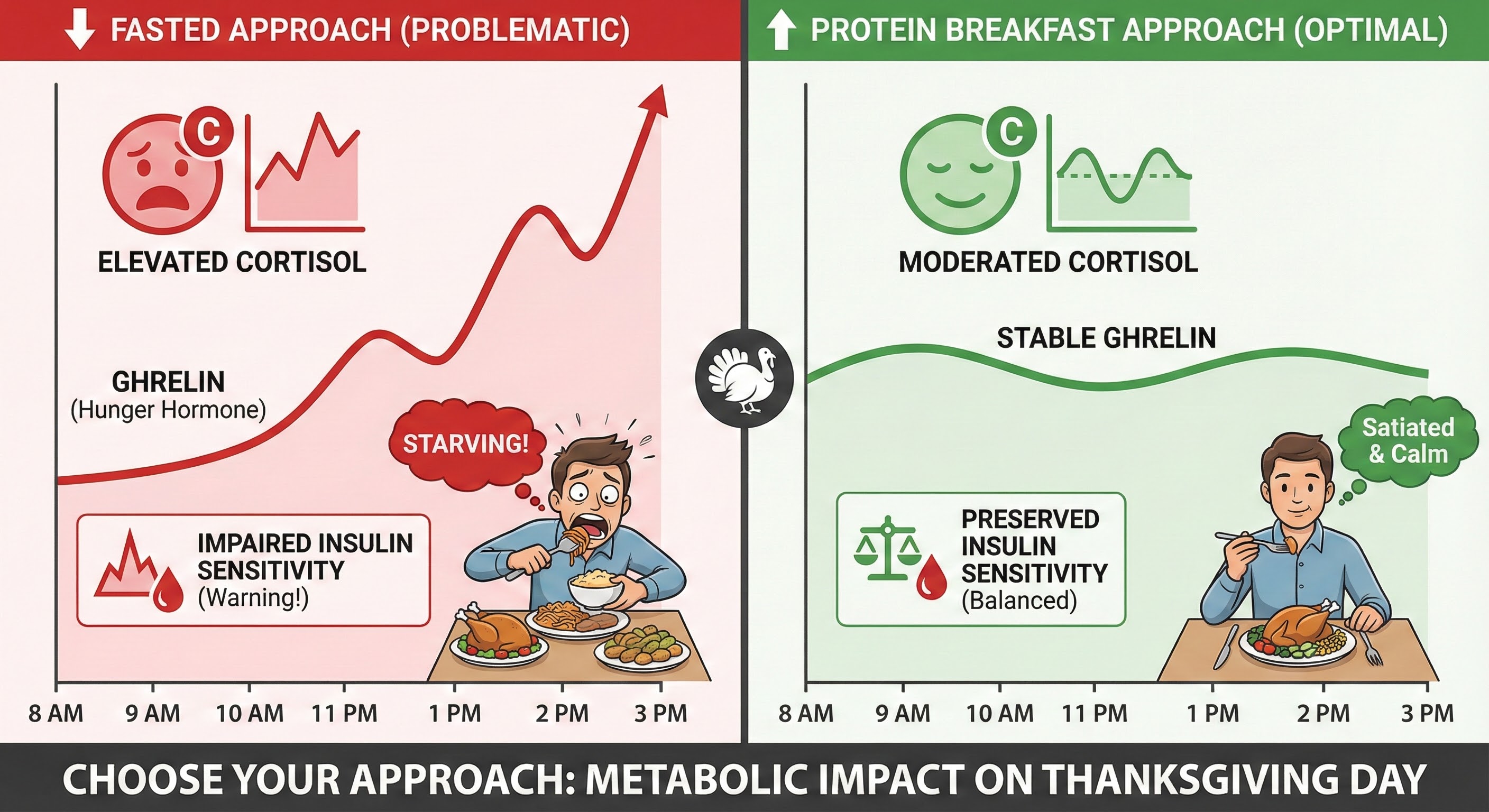
The most common Thanksgiving error is starving yourself all day to “save room” for the big meal. The logic seems sound: fewer calories before dinner means more room for dinner. But this approach ignores the complex hormonal cascades that govern hunger, satiety, and metabolic flexibility, actually setting you up for more extreme overconsumption and worse metabolic outcomes.
Extended fasting before a feast creates a hormonal environment primed for overeating. Ghrelin, the primary hunger hormone, rises steadily during fasting and peaks after approximately 16 to 20 hours without food. If you last ate dinner Wednesday night and skip breakfast and lunch Thursday, you’ll approach the Thanksgiving table with ghrelin levels that essentially guarantee aggressive, rapid consumption of whatever’s available. The bread basket doesn’t stand a chance.
Simultaneously, fasting elevates cortisol, particularly when combined with the psychological stress of family gatherings or holiday preparation. Elevated cortisol impairs insulin sensitivity, meaning your cells become less responsive to insulin’s signal to take up glucose from the blood. When you finally sit down to a carbohydrate-heavy meal, your pancreas must produce more insulin to achieve the same glucose clearance. This hyperinsulinemia promotes fat storage and contributes to the energy crash that follows.
The solution is a strategic breakfast that stabilizes hormones before the main event. Aim for 30 to 40 grams of protein within two hours of waking: a three-egg omelet with vegetables, a large Greek yogurt with nuts, or a protein shake with almond butter. This protein bolus triggers the release of satiety hormones including PYY (peptide YY), GLP-1 (glucagon-like peptide-1), and cholecystokinin (CCK). These hormones moderate hunger throughout the day, ensuring you approach the feast with a rational brain rather than a starving lizard brain operating on pure survival instinct.
Skip the morning carbohydrates entirely. Orange juice, toast, or a muffin will spike and crash your blood sugar by noon, amplifying afternoon hunger and cravings precisely when you need maximum restraint. Protein and fat for breakfast provide sustained energy without the glycemic roller coaster.
The Activity Sandwich: Pre and Post-Meal Movement
Strategic physical activity before and after the Thanksgiving meal dramatically alters how your body processes the incoming calories. This “activity sandwich” leverages two distinct physiological mechanisms: pre-meal glycogen depletion and post-meal glucose disposal.
During the morning, before the feast typically arrives mid-afternoon, perform a full-body strength training session focusing on large muscle groups. Squats, lunges, pushups, and rows are ideal because they activate substantial muscle mass and deplete glycogen stores in those muscles. Glycogen, the storage form of glucose, functions like a fuel tank in muscle tissue. An empty tank has capacity to receive incoming fuel; a full tank causes that fuel to overflow into other storage (fat tissue) or circulate in the bloodstream, causing prolonged hyperglycemia.
A 30 to 45 minute strength circuit performed at moderate intensity can deplete 20 to 40 percent of muscle glycogen. When you consume carbohydrates later in the day, the post-exercise muscles act as glucose sinks, pulling sugar from the blood for glycogen replenishment rather than leaving it elevated to drive insulin higher. This explains why athletes can consume large amounts of carbohydrates without the metabolic consequences sedentary individuals experience: their glycogen stores are perpetually being emptied and refilled.
The post-meal walk is perhaps the single most effective intervention for blunting the Thanksgiving blood sugar spike. Research from the University of Limerick demonstrates that just 10 to 15 minutes of light walking immediately after a meal reduces the post-prandial glucose peak by 15 to 30 percent compared to remaining seated. The mechanism involves GLUT4 transporters, glucose channel proteins that translocate to the muscle cell surface during contraction, allowing glucose to enter the cell without requiring insulin.
This post-meal walk doesn’t need to be strenuous. A gentle 15-minute stroll after finishing dessert is sufficient. The activity engages GLUT4 independently of insulin, providing a secondary pathway for glucose clearance that complements insulin’s action. Many families have incorporated the post-Thanksgiving walk as a tradition, often framing it as a “constitutional” or time for conversation. Whatever the framing, the physiological benefits are significant.
If walking isn’t feasible, even standing and helping clear the table provides some benefit compared to immediately transitioning to the couch. Any muscle engagement activates the non-insulin-dependent glucose disposal pathway that helps process the carbohydrate load.
Plate Sequencing: The Order of Consumption
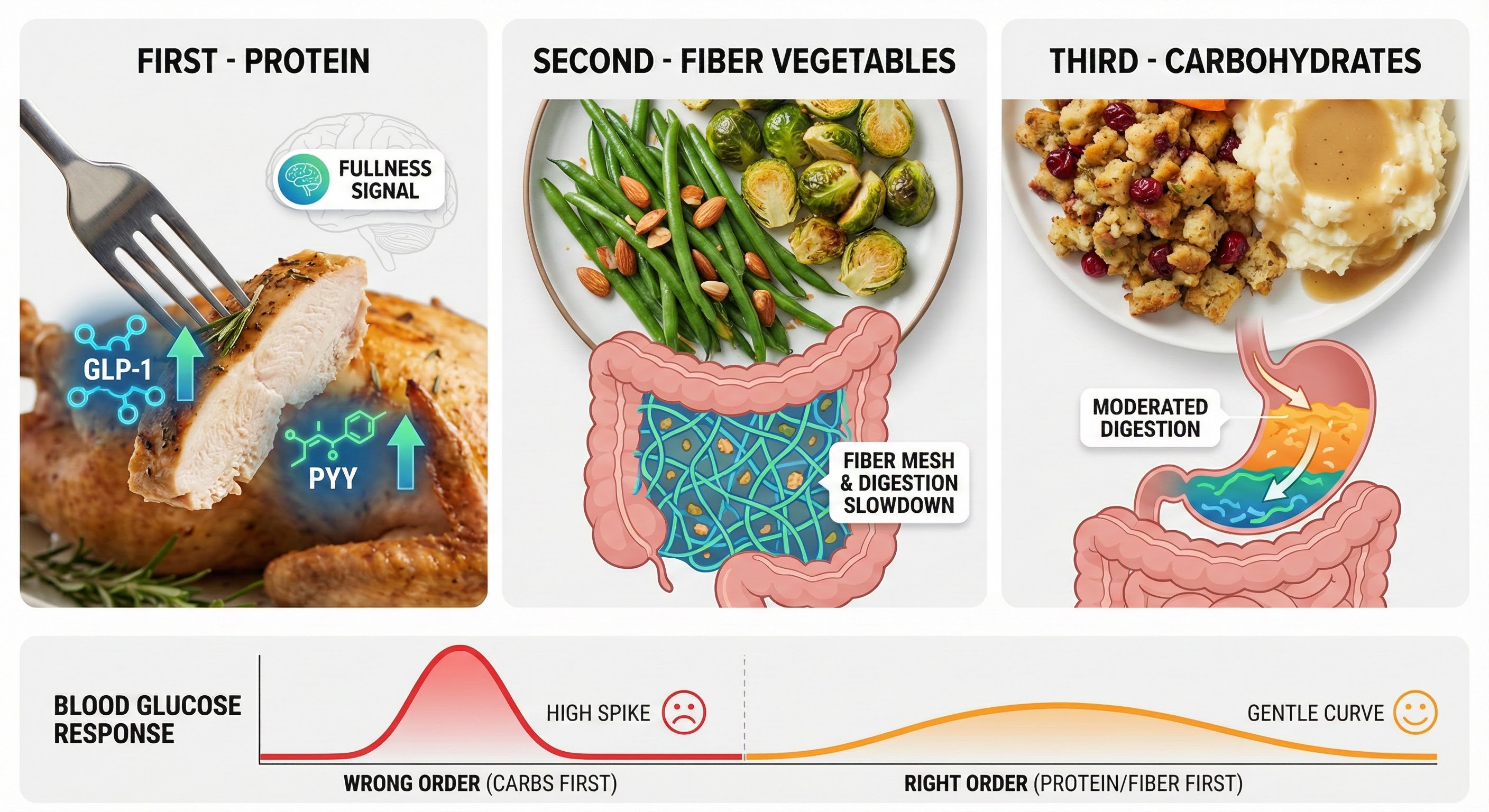
The sequence in which you consume foods significantly impacts the metabolic response to the overall meal. Research published in Diabetes Care demonstrates that eating protein and vegetables before carbohydrates reduces the post-meal glucose spike by up to 73 percent compared to eating those same foods in the reverse order. The difference lies in gastric emptying rates and intestinal absorption patterns.
When protein arrives first in an empty stomach, it stimulates the release of GLP-1 and PYY, the satiety hormones mentioned earlier. These hormones slow gastric emptying, the rate at which food moves from stomach to small intestine for absorption. When carbohydrates later enter this primed environment, they’re mixed with protein and released more gradually into the intestine, resulting in slower glucose absorption and a lower, more gradual blood sugar rise.
Fiber, found in vegetables, creates a physical mesh in the intestinal lumen that further slows carbohydrate absorption. The Brussels sprouts, green beans, and salad aren’t just low-calorie filler; they’re functional components of a glucose-buffering system. Eating them before the stuffing and potatoes ensures they’re in place to moderate the absorption of those denser carbohydrate sources.
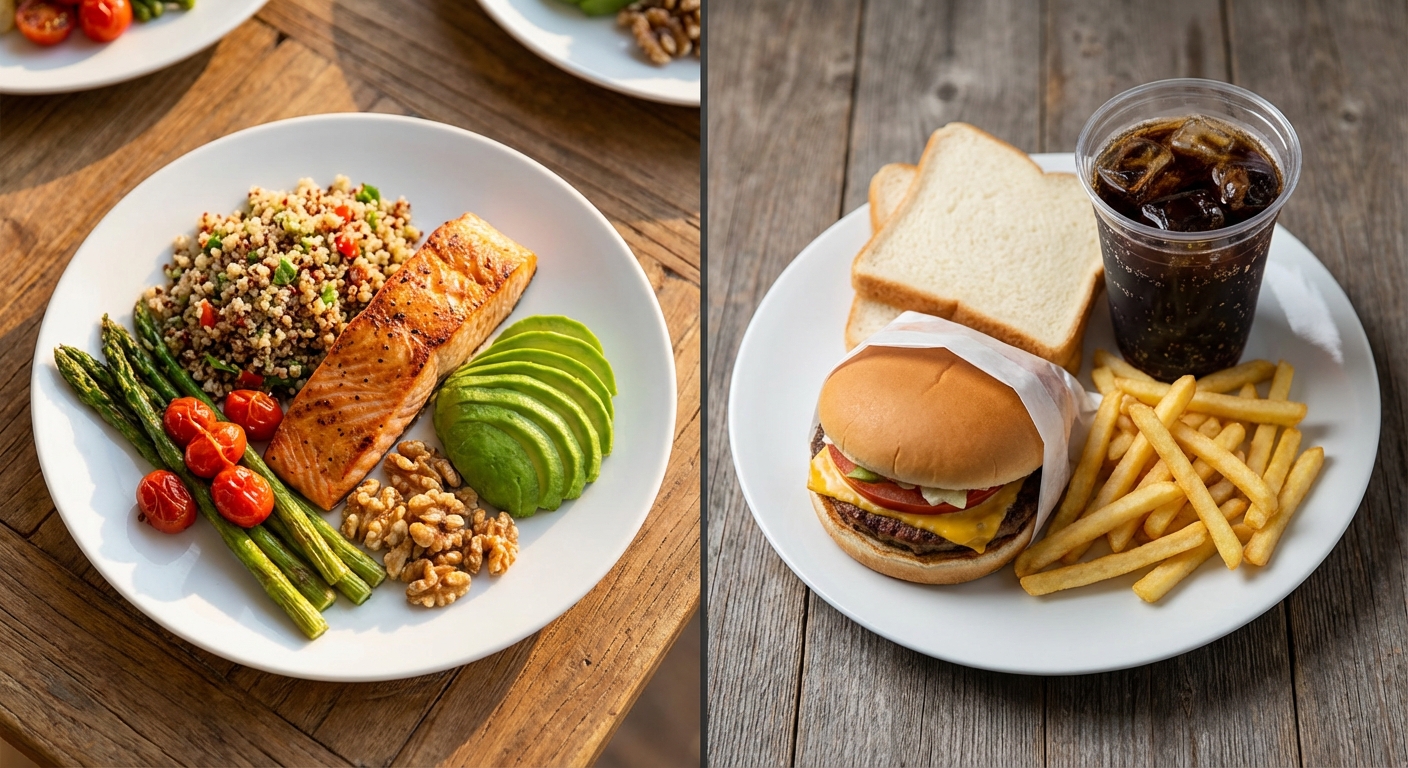
The practical Thanksgiving application is straightforward. Plate your turkey first and eat it first. The high protein content triggers satiety hormones and begins slowing gastric emptying. Move next to the green vegetables: whatever green beans, Brussels sprouts, broccoli, or salad are available. Only after consuming substantial portions of protein and fiber should you add the starches: mashed potatoes, stuffing, sweet potato casserole, dinner rolls. By this point, you’re already partially full, satiety hormones are circulating, and the fiber mesh is in place to moderate absorption.
This sequencing doesn’t require separate courses or awkward eating behavior. Simply begin with what’s highest in protein, progress to vegetables, and save the carbohydrates for the second half of your plate. You’ll eat the same foods but experience a markedly different metabolic response.
The Dessert Strategy: Maximum Pleasure, Minimum Volume
Dessert presents a particular challenge because it arrives when you’re already full but typically features the most hedonically rewarding foods of the meal. The pumpkin pie, pecan pie, and apple crumble trigger dopamine release that makes stopping after one bite feel nearly impossible. Understanding the neuroscience of palatability can help you extract maximum enjoyment from minimum consumption.
The “Law of Diminishing Returns” applies powerfully to hyper-palatable foods. The first bite of pumpkin pie delivers a dopamine surge as flavor, texture, and sweetness register. This is the peak experience. The second bite remains highly pleasurable as you notice additional nuances. The third bite is still good but somewhat familiar. By bites four through twelve, you’re eating on momentum, not because each bite adds significant pleasure, but because the fork is there and the pie is there and stopping feels like a decision requiring effort.
The three-bite rule operationalizes this insight. Take a modest serving of whatever dessert appeals most. Eat the first bite slowly, with full attention, noticing every aspect of flavor and texture. This is the bite where 50% of the pleasure occurs. Eat the second bite similarly, savoring the experience. By the third bite, check in: is this still adding meaningfully to your enjoyment? Often, it isn’t. The fourth bite won’t be notably different from the third, nor the fifth from the fourth.
This isn’t deprivation; it’s optimization. You capture 90% of the hedonic value of dessert with 30% of the calories. The bites you skip wouldn’t have added significantly to your enjoyment anyway; they’re just metabolic burden without corresponding pleasure.
If one serving of three bites feels insufficient, consider sampling multiple desserts rather than large portions of one. Three bites of pumpkin pie plus three bites of pecan pie provides more varied pleasure than twelve bites of pumpkin pie alone, while keeping total consumption moderate.
Timing matters too. Wait 15 to 20 minutes after finishing the main course before serving dessert. This allows incretins and satiety hormones to reach peak circulating levels, moderating the drive for additional consumption. It also provides a natural window for that post-meal walk, returning to the table for dessert after moving rather than immediately transitioning from entrée to sweets.
Hydration and Alcohol: The Overlooked Variables
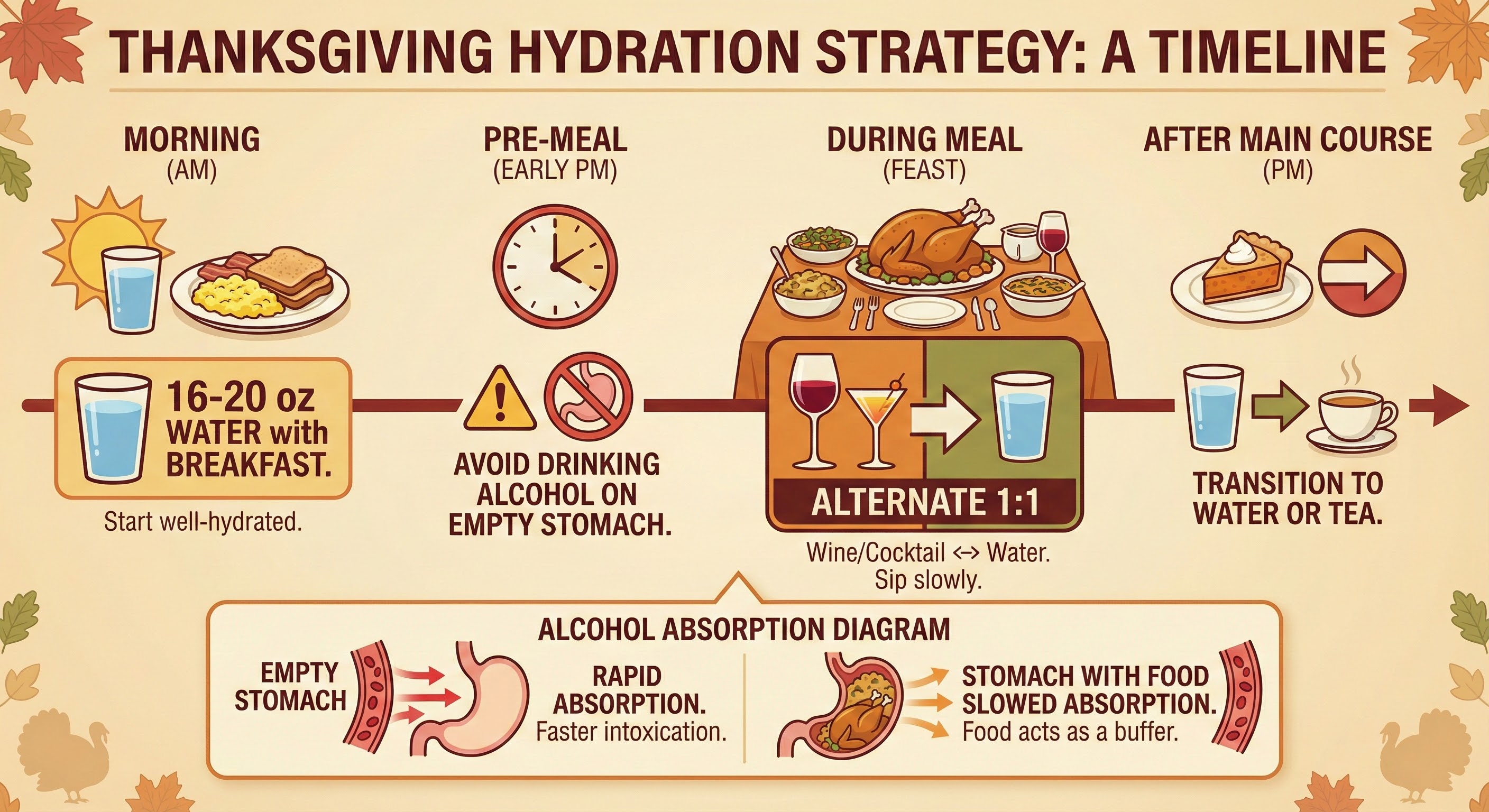
Adequate hydration supports every aspect of metabolic function but receives little attention on Thanksgiving. The combination of higher-than-normal sodium intake (from brined turkey, prepared sides, and gravy), alcohol consumption, and reduced water intake during the social meal creates a dehydration environment that impairs digestion and next-day recovery.
Begin the day with 16 to 20 ounces of water before your protein breakfast. During the meal itself, water consumption is often replaced by wine, cocktails, or cider. While these contribute to fluid intake, alcohol is a net dehydrator that inhibits antidiuretic hormone (ADH), causing you to excrete more fluid than you consume. For every alcoholic drink, include at least 8 ounces of water to maintain hydration balance.
Alcohol also introduces unique metabolic considerations. When acetate (the primary alcohol metabolite) is circulating in your bloodstream, fat oxidation essentially stops. Your liver prioritizes alcohol clearance over all other metabolic processes because acetaldehyde, the intermediate metabolite, is toxic and must be processed immediately. A few glasses of wine with dinner means the calories from that dinner are more likely to be stored as fat rather than oxidized for energy.
This isn’t a reason to avoid alcohol entirely, but it’s a reason to be intentional about consumption. If you choose to drink, do so during the meal rather than before on an empty stomach. Food in the stomach slows alcohol absorption, reducing peak blood alcohol concentration and its disruptive effects. Consider stopping alcohol intake after the main course, switching to water or tea with dessert. This limits total consumption while still participating in the social aspects of holiday drinking.
For those looking for deeper strategies on blood sugar management during holiday parties, our guide on blood sugar management for holiday parties provides additional protocols for managing the interaction between alcohol, food timing, and glucose control.
The Day-After: Recovery Without Punishment
Friday morning after Thanksgiving often brings regret, bloating, and the temptation to punish yourself with extreme restriction or excessive exercise. Neither approach is physiologically sound. Your body needs support for processing the previous day’s intake, not additional stress from starvation or overexertion.
Bloating after a large meal is primarily fluid retention from elevated sodium intake, not fat gain. You did not gain five pounds of fat overnight; it’s physically impossible to store more than a pound or two of fat from a single day’s excess. The scale jump reflects water bound to glycogen (each gram of stored glycogen holds 3-4 grams of water) and fluid retention from sodium. This resolves naturally within 48 to 72 hours as you return to normal eating and hydration.
Resume eating when genuine hunger returns, not on a schedule. After 4,000+ calories Thursday evening, you may not feel genuinely hungry until noon or later Friday. This is appropriate. Your body has substantial energy to process before it needs additional input. When hunger does return, break your fast with protein and vegetables rather than more carbohydrates. Your glycogen stores are fully replenished from Thursday; you don’t need the quick energy that carbohydrates provide.
Avoid the “compensation workout” mentality where you try to burn off yesterday’s excess with an extreme session. The 4,500 calories you consumed would require running approximately 45 miles to “burn off” directly, an absurd and potentially harmful approach. Instead, return to your normal training routine. If you were planning to lift Friday, lift. If you normally run, run your normal distance. Exercise Friday is about maintaining routine and promoting circulation, not penance.
Gentle movement actually supports recovery better than rest. A 30-minute walk promotes digestive motility, helping move that substantial food bolus through your GI tract. Light activity also supports lymphatic drainage, which helps resolve the fluid retention that causes bloating. The combination of normal eating (when hungry), normal activity (not compensatory excess), and adequate water intake returns you to baseline faster than any extreme intervention.
Building a Sustainable Holiday Framework
Thanksgiving doesn’t exist in isolation; it’s the opening event of a six-week holiday season that includes multiple parties, family gatherings, and celebratory meals. The strategies outlined above aren’t just for November’s fourth Thursday; they’re frameworks applicable to every holiday eating occasion through New Year’s Day.
The protein breakfast approach works before any large meal. The activity sandwich applies whether the feast is Thanksgiving dinner or a Christmas party. Plate sequencing is valid at every buffet table. The three-bite dessert rule respects your neurobiology regardless of the specific confection. These aren’t Thanksgiving-specific hacks; they’re general principles for navigating the metabolically challenging holiday season.
The cumulative effect of applying these strategies consistently exceeds the impact of any single day. Most Americans gain one to three pounds between Thanksgiving and New Year’s, weight that research shows is rarely subsequently lost. This weight accumulates not from any individual feast but from six weeks of abandoned boundaries. Applying strategic frameworks consistently can prevent this seasonal drift while still allowing full participation in holiday traditions.
For those concerned about maintaining fitness during the holiday schedule chaos, our guide on 15-minute holiday workout routines provides efficient training protocols that complement the nutritional strategies discussed here.
The Bottom Line
Thanksgiving is for gratitude, connection, and yes, enjoyment of traditional foods. Nothing in this guide requires refusing stuffing, declining pie, or watching the feast from the sidelines with a salad. The goal is intelligent consumption that works with your body’s physiology rather than against it.
Eat the protein breakfast. Do the morning workout. Sequence your plate strategically. Take the post-dinner walk. Savor the dessert rather than inhaling it. Hydrate between drinks. And Friday, return to normal rather than extremes. These are the practices that allow you to wake up the next day feeling human, ready to enjoy the long weekend rather than recovering from it.
Your Thanksgiving Game Plan:
- Eat a 30-40g protein breakfast within 2 hours of waking, skip morning carbs entirely
- Perform a 30-45 minute full-body strength workout in the morning to deplete glycogen
- Plate and eat in order: turkey first, green vegetables second, starches third
- Take a 15-minute walk immediately after finishing the meal
- Apply the three-bite rule to dessert: maximum pleasure from minimum volume
- Alternate alcoholic drinks with water and stop alcohol after the main course
- Friday: resume eating when genuinely hungry, return to normal training, avoid compensation extremes
Sources: University of Limerick post-meal walking studies, Diabetes Care meal sequencing research, Journal of Clinical Endocrinology and Metabolism satiety hormone studies, glycogen depletion and glucose disposal research, American Journal of Clinical Nutrition alcohol metabolism studies.