The alarm goes off at 6 AM. Outside, it’s still dark, and you can feel the cold pressing against your bedroom window. Every fiber of your being wants to stay under the covers, where it’s warm and safe and you don’t have to face another gray December day. The thought of going to the gym, let alone pushing through a hard workout, feels almost laughable. You’ll start fresh in January, you tell yourself. Everyone does.
But what if skipping those winter workouts is making the seasonal darkness hit harder? What if the very exercise you’re avoiding holds one of the most potent antidotes to the mood dips, lethargy, and quiet despair that settle in when the days grow short?
A substantial body of research now confirms that resistance training, the kind of exercise involving weights, bands, or bodyweight against gravity, produces measurable improvements in depression and anxiety symptoms. These benefits appear comparable to some pharmaceutical interventions and persist even when participants don’t experience obvious physical changes like weight loss or muscle gain. The mechanism involves BDNF, neurotransmitters, and neural pathways that respond to the specific stress signals strength training provides. Winter, when mental health challenges peak for many people, may be exactly the time to prioritize lifting over languishing.
The Neuroscience of Lifting for Mental Health
The mental health benefits of exercise have been recognized for decades, but researchers have only recently begun to understand why resistance training specifically affects mood and anxiety. The picture emerging from laboratory and clinical studies reveals multiple pathways through which strength work influences brain function.
Brain-derived neurotrophic factor (BDNF) sits at the center of this story. This protein supports the survival of existing neurons, encourages the growth of new neurons and synapses, and plays crucial roles in learning, memory, and mood regulation. People with depression consistently show lower BDNF levels, and successful antidepressant treatments, whether pharmacological or behavioral, tend to normalize BDNF. Resistance training potently stimulates BDNF release, with studies showing increases of 20-30% following acute bouts and sustained elevations with regular training.
The BDNF response to resistance exercise appears distinct from that triggered by aerobic exercise. While both modalities increase this crucial growth factor, resistance training may do so through different mechanisms, potentially involving mechanical stress on muscle fibers, metabolic signaling, and the unique hormonal response to lifting heavy weights. For individuals who find cardio aversive or impractical during winter months, this is encouraging news: strength work offers its own pathway to neurotrophic benefits.
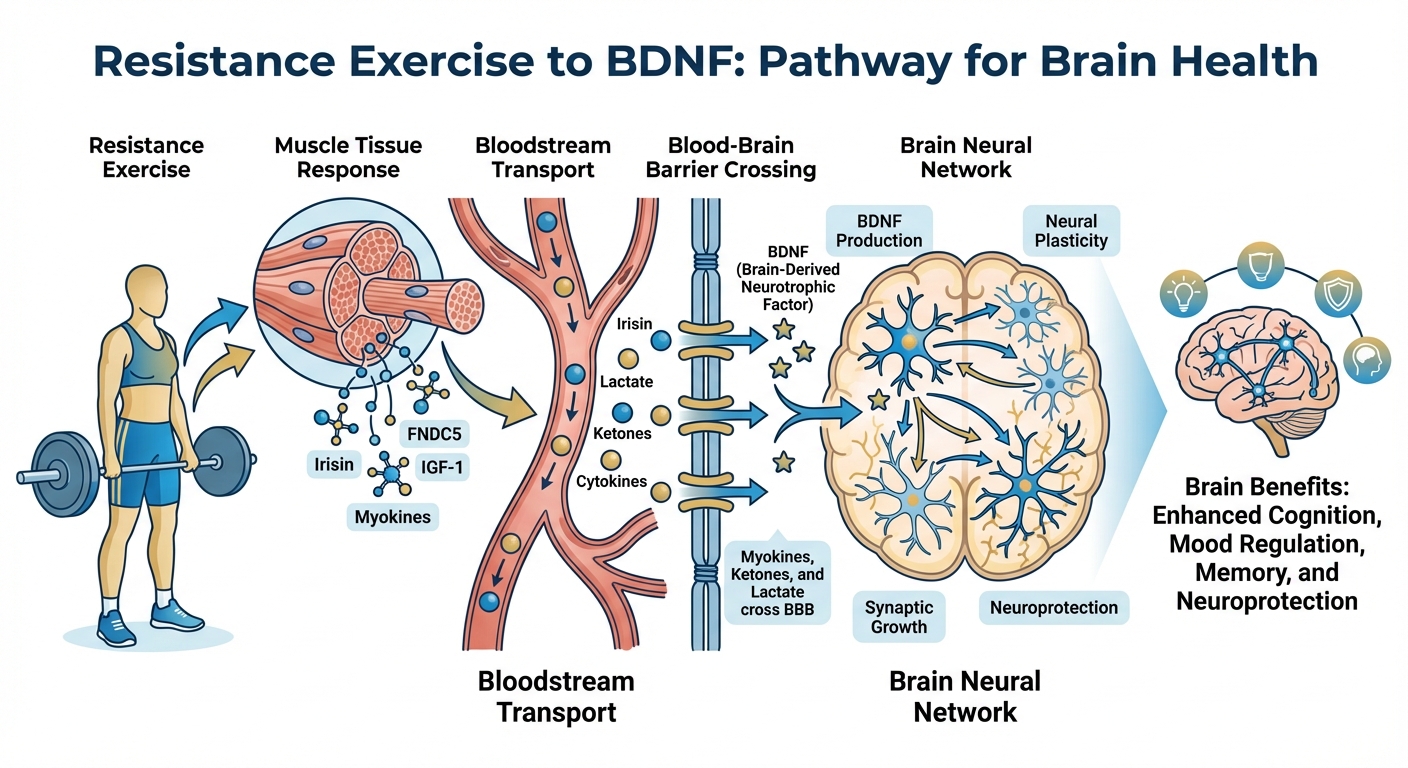
Beyond BDNF, resistance training influences the neurotransmitter systems most directly implicated in mood disorders. Serotonin, dopamine, and norepinephrine all respond to strength exercise, with effects that complement and potentially enhance pharmaceutical approaches targeting these same systems. The endorphin release following challenging sets provides immediate mood elevation, while longer-term adaptations in receptor sensitivity and neurotransmitter production create more sustained antidepressant effects.
The hypothalamic-pituitary-adrenal (HPA) axis, which governs the stress response, also adapts to regular resistance training. People who lift weights regularly show more appropriate cortisol responses to stressors and faster recovery from stress activation. This improved stress resilience may be particularly valuable during winter, when reduced daylight, holiday pressures, and cold-weather isolation can overwhelm coping capacity.
What the Research Actually Shows
The clinical evidence for resistance training’s mental health benefits has grown robust enough to influence treatment guidelines. Understanding what the research shows, including its limitations, helps set appropriate expectations.
A landmark 2018 meta-analysis published in JAMA Psychiatry examined 33 randomized controlled trials involving over 1,800 participants with depression. The analysis found that resistance training produced significant reductions in depressive symptoms, with an effect size comparable to antidepressant medications. Notably, the benefits didn’t depend on participants getting stronger or changing body composition; the mental health improvements appeared independent of physical fitness gains.
The anxiety research tells a similar story. A 2017 meta-analysis in Sports Medicine found that resistance training significantly reduced anxiety symptoms across both healthy populations and those with physical or mental health conditions. The anxiolytic effects were most pronounced with moderate-intensity training performed regularly, suggesting that consistency matters more than intensity for anxiety management.
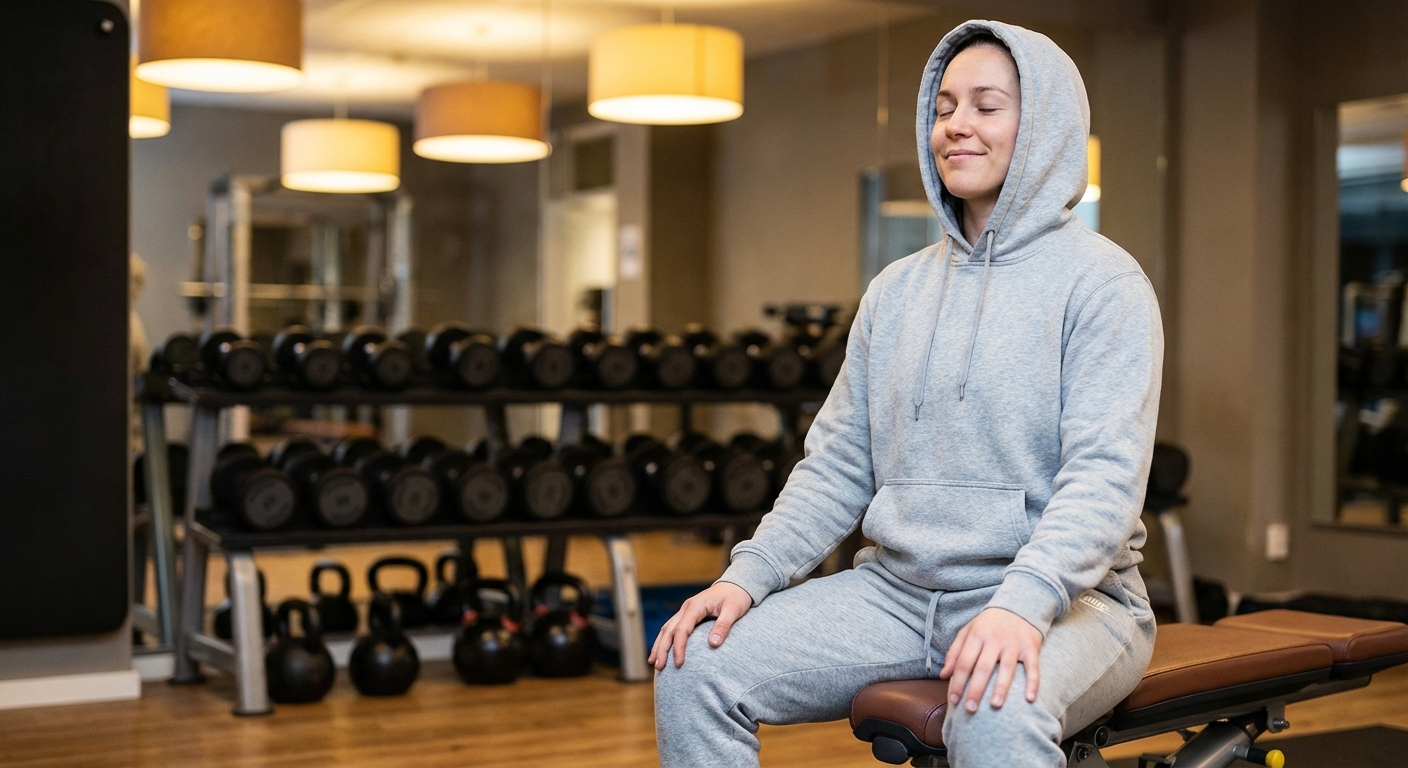
The research reveals several important nuances. First, the antidepressant effects of resistance training appear within weeks, sometimes as quickly as 2-4 weeks of regular training, faster than the typical 6-8 week onset for antidepressant medications. Second, the benefits hold across age groups, genders, and fitness levels, meaning you don’t need to be young or athletic to experience them. Third, supervised training tends to outperform unsupervised training in studies, possibly due to adherence, proper programming, or the social support component.
One caveat deserves mention: most studies have examined mild-to-moderate depression and anxiety. For severe mental illness, resistance training should complement rather than replace professional treatment. However, the evidence strongly supports adding strength work to existing treatment plans, where it may enhance medication efficacy and provide benefits that persist even during treatment gaps.
Designing a Winter-Friendly Resistance Program
Translating research findings into practical programming requires addressing the specific challenges winter presents: shorter days, cold weather, holiday schedule disruptions, and motivational valleys that make complex gym routines unrealistic for many people.
A minimalist approach often works best during these months. Rather than attempting elaborate splits that require four or five gym visits weekly, focus on full-body routines performed two to three times per week. This frequency provides sufficient stimulus for mental health benefits while remaining achievable even when motivation wanes. Research suggests the antidepressant effects don’t require high training volumes; consistency trumps intensity for mood-related outcomes.
Home-based training removes the barrier of traveling to a gym in dark, cold conditions. A modest equipment investment, perhaps a set of adjustable dumbbells, a resistance band set, and a stability ball, enables effective full-body training without leaving your living room. The convenience factor dramatically increases adherence probability during months when every excuse to stay home feels compelling.
Sample Winter Resistance Routine (Full Body, 2-3x/week):
| Exercise | Sets | Reps | Notes |
|---|---|---|---|
| Goblet Squat | 3 | 10-12 | Use dumbbell or kettlebell |
| Push-Up or Dumbbell Press | 3 | 8-12 | Elevate hands if needed |
| Dumbbell Romanian Deadlift | 3 | 10-12 | Focus on hip hinge |
| Bent-Over Row | 3 | 10-12 | Dumbbell or resistance band |
| Pallof Press or Plank | 3 | 30-45 sec | Core stability focus |
| Farmer’s Carry | 2 | 30-40 steps | Grip and core work |
Movement quality matters more than load for mental health benefits. Focus on controlled tempos, full ranges of motion, and maintaining form even as fatigue accumulates. The meditative quality of deliberate, mindful movement may itself contribute to anxiety reduction, engaging the parasympathetic nervous system and interrupting rumination patterns. Rushing through sets with sloppy form sacrifices this benefit while increasing injury risk.
The Morning Light Advantage
Training timing can amplify resistance exercise’s mood benefits during winter months. Morning sessions, even brief ones, may provide synergistic effects by combining exercise-induced BDNF release with light exposure during a critical circadian window.
Bright light exposure in the first hours after waking helps anchor circadian rhythms that often drift during winter’s short days. When combined with exercise, which independently reinforces circadian timing, the effect is multiplicative. Training near a window or with bright artificial lighting during morning workouts delivers light therapy benefits alongside the direct mental health effects of resistance exercise.
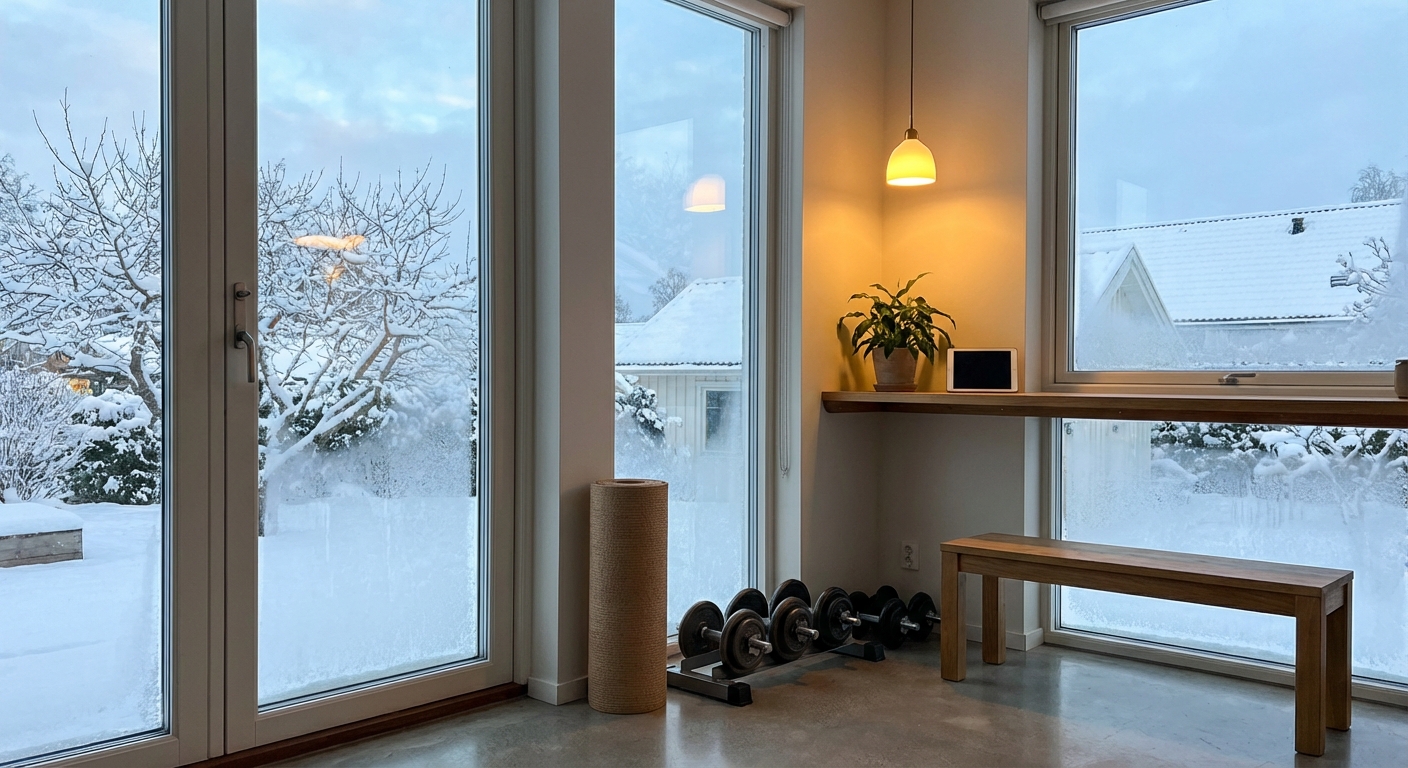
The cortisol-awakening response, the natural spike in cortisol that helps us wake up and feel alert, can become blunted during seasonal depression. Morning exercise helps restore this healthy cortisol pattern, improving energy and alertness throughout the day. Waiting until evening to train misses this circadian benefit and can potentially interfere with sleep if the session runs too late or too intense.
For those who truly cannot manage morning training, afternoon sessions still provide substantial mental health benefits. The key is consistent timing, whatever time you choose. Training at the same time each day helps entrain circadian rhythms and builds the habit-forming cues that sustain adherence through motivational valleys.
Combining Resistance Training with Other Winter Mood Strategies
Resistance training works best as part of a comprehensive approach to winter mental health. Understanding how strength work complements other evidence-based strategies allows for synergistic effects that exceed what any single intervention can achieve.
Light therapy, typically involving a 10,000 lux light box used for 20-30 minutes each morning, has strong evidence for seasonal affective disorder. Positioning your light box near your training area and using it during your workout warm-up or cool-down efficiently combines two powerful interventions. The sleep and light therapy approaches outlined for winter can integrate seamlessly with a morning resistance routine.
Social connection, which tends to decline during winter months, strongly influences both mental health and exercise adherence. Training with a partner, joining a group fitness class, or even participating in online communities focused on strength training provides accountability and social support that reinforce the behavior. The research on social connection and longevity underscores how powerful these relationships are for overall wellbeing.
Nutritional factors also interact with resistance training’s mental health effects. Adequate protein intake supports muscle protein synthesis and the neurotransmitter production that underlies mood regulation. Vitamin D status, often low during winter due to reduced sun exposure, influences both muscle function and mood. Omega-3 fatty acids support brain health and may enhance BDNF response to exercise. Attending to these nutritional foundations amplifies what resistance training can accomplish.
Starting When You Least Feel Like It
The cruel irony of exercise for mental health is that the people who would benefit most feel least motivated to begin. Depression and anxiety sap the very energy and initiative required to start a training program. Acknowledging this barrier is the first step to overcoming it.
The “minimum effective dose” concept helps here. On days when a full workout feels impossible, commit to just one set of one exercise. A single set of goblet squats takes less than a minute but still triggers some BDNF release and maintains the training habit. Often, starting is the hardest part; once you’re moving, the workout extends naturally. But even if it doesn’t, one set is infinitely more valuable than zero.
Environmental design reduces friction between intention and action. Set out your workout clothes the night before. Keep dumbbells visible rather than stored in a closet. Have a specific, predetermined workout written out so you don’t have to make decisions when executive function is impaired. The fewer choices required between waking up and starting your first set, the more likely the workout happens.
Consider your training non-negotiable, scheduled like a medical appointment or work meeting. This mental reframe helps resist the rationalizations that derail good intentions. You wouldn’t skip a doctor’s appointment because you “don’t feel like it,” and reframing exercise as essential healthcare rather than optional recreation can provide similar protection against excuses.
The Bottom Line
Winter presents genuine challenges to mental health, with reduced light exposure, social isolation, and cold-weather barriers to physical activity all contributing to mood difficulties for millions of people. Resistance training offers a potent, evidence-based intervention that works through BDNF release, neurotransmitter modulation, and HPA axis regulation to reduce depression and anxiety symptoms, often within weeks of consistent practice.
The research supports a practical approach: moderate-intensity, full-body training performed two to three times weekly provides substantial mental health benefits without requiring gym access, heavy weights, or complex programming. Home-based routines using basic equipment can be every bit as effective as elaborate gym sessions, especially when adherence is the limiting factor. Morning training near natural or artificial light provides additional circadian benefits that may be particularly valuable during short winter days.
Next Steps:
- Schedule three 20-30 minute training windows into your weekly calendar, ideally in morning hours
- Gather minimal equipment: a pair of adjustable dumbbells and a resistance band set cover most needs
- Start with the sample routine provided, or any full-body program you’ll actually do consistently
- Position your training area near windows or a light therapy lamp for circadian support
- Track mood alongside training, noting improvements that reinforce the behavior over time
Sources: JAMA Psychiatry resistance training and depression meta-analysis (2018), Sports Medicine anxiety and resistance training review (2017), BDNF and exercise physiology research, American College of Sports Medicine position stand on exercise and mental health.