You’ve been doing everything right. Choosing sugar-free gum, reaching for diabetic-friendly candies, selecting products marketed as healthier alternatives to sugar. But what if the sweetener you thought was protecting your metabolic health has been quietly triggering the same liver damage as the sugar you were trying to avoid?
That’s the unsettling finding from groundbreaking research published in Science Signaling by Washington University in St. Louis. The study reveals that sorbitol, one of the most widely used sugar alcohols in “sugar-free” products, can be converted into fructose by your liver, activating the exact biochemical pathways responsible for fatty liver disease. The implications extend far beyond the occasional sugar-free candy, touching everything from protein bars to medications to “health foods” marketed to diabetics and weight-conscious consumers.
The Metabolic Transformation Nobody Saw Coming
For decades, sorbitol has been considered a safe sugar alternative. It occurs naturally in stone fruits like apples, pears, and cherries. It doesn’t spike blood glucose the way regular sugar does. Food manufacturers have embraced it precisely because it seems to offer sweetness without metabolic consequences. This assumption, it turns out, was built on incomplete science.
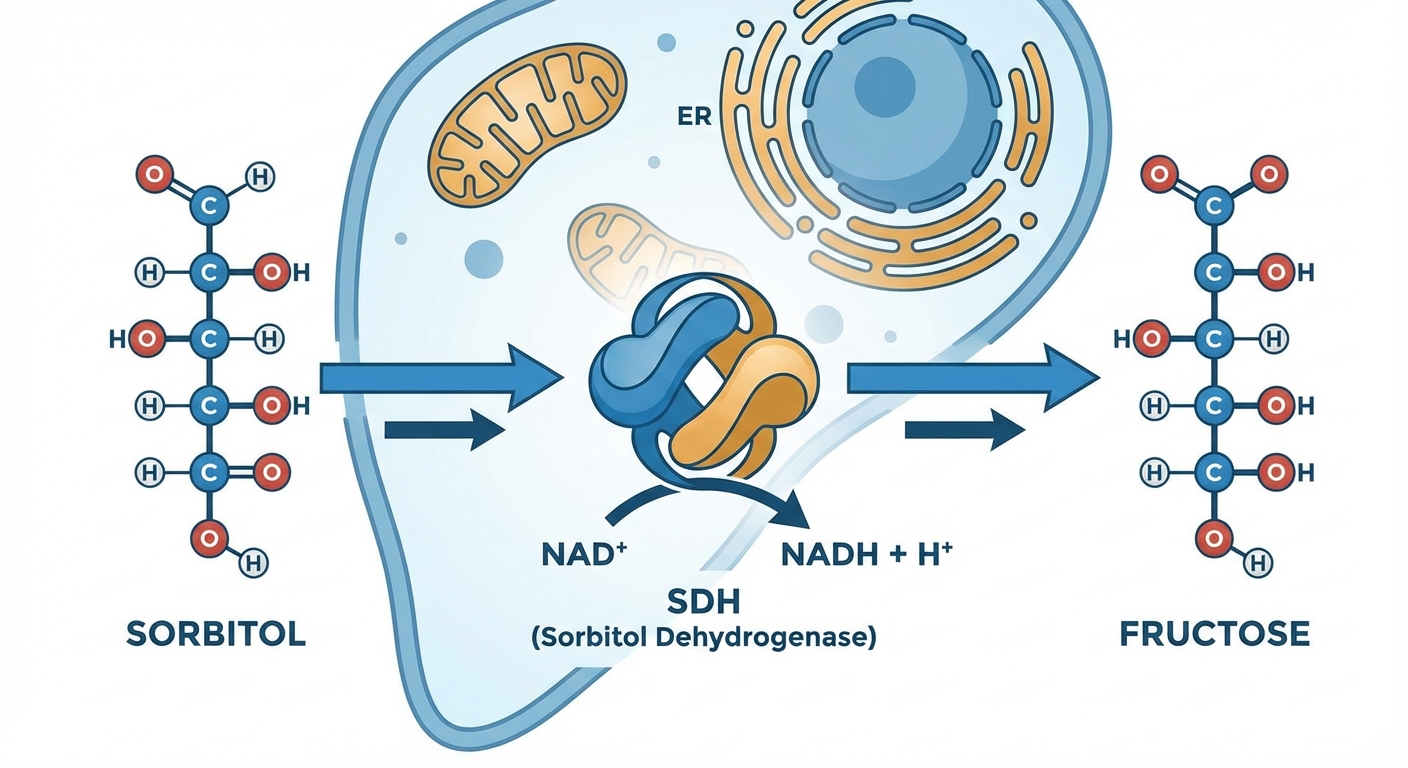
Dr. Gary Patti, Michael and Tana Powell Professor of Chemistry, Genetics, and Medicine at Washington University, led the research team that uncovered sorbitol’s hidden danger. His conclusion is stark: sorbitol is “essentially one transformation away from fructose.” That single enzymatic step in your liver converts what you thought was a harmless sugar alcohol into the very compound most strongly linked to non-alcoholic fatty liver disease.
The mechanism works like this. When you consume sorbitol, it travels through your digestive system largely intact, which is why it doesn’t raise blood sugar immediately. But once it reaches your liver, enzymes convert it to fructose. Your liver then processes this fructose exactly as it would fructose from high-fructose corn syrup, table sugar, or any other source. The result is the same cascade of fat accumulation, inflammation, and metabolic dysfunction that has made fructose public enemy number one for liver health researchers.
Your Gut Bacteria Were Supposed to Protect You
The story gets more complicated when you factor in your microbiome. Under normal circumstances, specific gut bacteria, particularly strains of Aeromonas, break down sorbitol before it ever reaches your liver. These bacteria convert the sugar alcohol into harmless byproducts, essentially neutralizing its fructose-forming potential. This protective mechanism explains why moderate sorbitol consumption, like the small amounts found in whole fruits, typically doesn’t cause problems.
But modern diets create conditions that overwhelm this bacterial defense system. When you consume large amounts of sorbitol, whether from sugar-free products or from excessive glucose that your intestines convert to sorbitol, the quantity exceeds what your gut bacteria can process. The overflow reaches your liver unchanged, where it transforms into fructose.
The research team demonstrated this using zebrafish models. When they depleted the animals’ gut bacteria with antibiotics, dietary glucose was converted to sorbitol in the intestine, which then traveled to the liver and became fructose. The result was hepatic steatosis, the clinical term for fatty liver. The finding suggests that people taking antibiotics or those with disrupted gut microbiomes may be particularly vulnerable to sorbitol’s hidden effects.
This gut-liver connection has profound implications. If you lack the right bacteria, Dr. Patti explains, “sorbitol doesn’t get degraded and as a result, it is passed on to the liver.” The protective barrier simply isn’t there. And given that gut microbiome composition varies dramatically between individuals and can be disrupted by antibiotics, stress, poor diet, and numerous other factors, the people most likely to choose sugar-free products, those concerned about metabolic health, may be the same people most vulnerable to sorbitol’s effects.
The Scale of the Problem
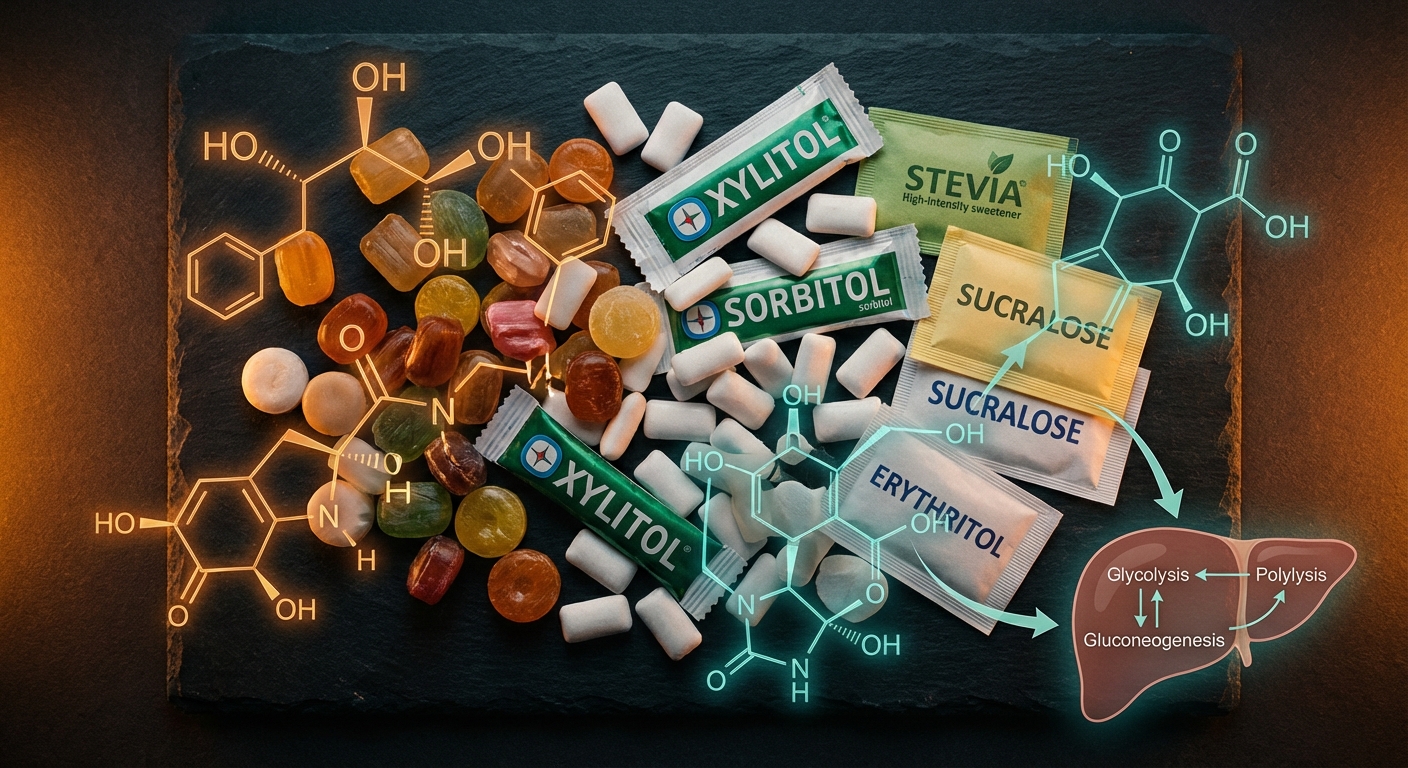
Sorbitol isn’t a niche ingredient. It appears in an astonishing range of products marketed as healthier alternatives. Sugar-free gum, diabetic candies, protein bars, meal replacement shakes, cough syrups, liquid medications, and countless “low-sugar” snacks rely on sorbitol for sweetness. Some diet products contain between 30 and 95 grams of sorbitol per 100 grams of food substance, concentrations that far exceed what natural gut bacteria can neutralize.
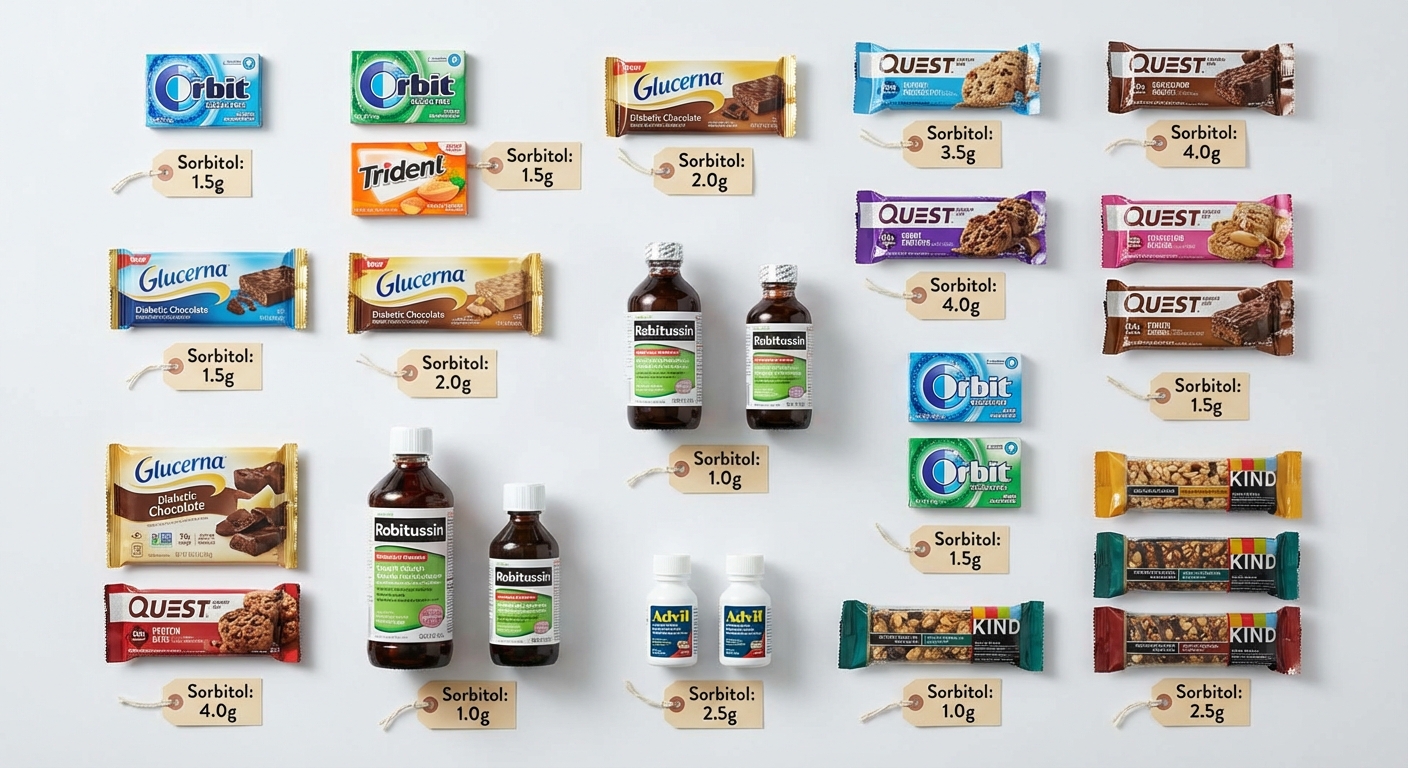
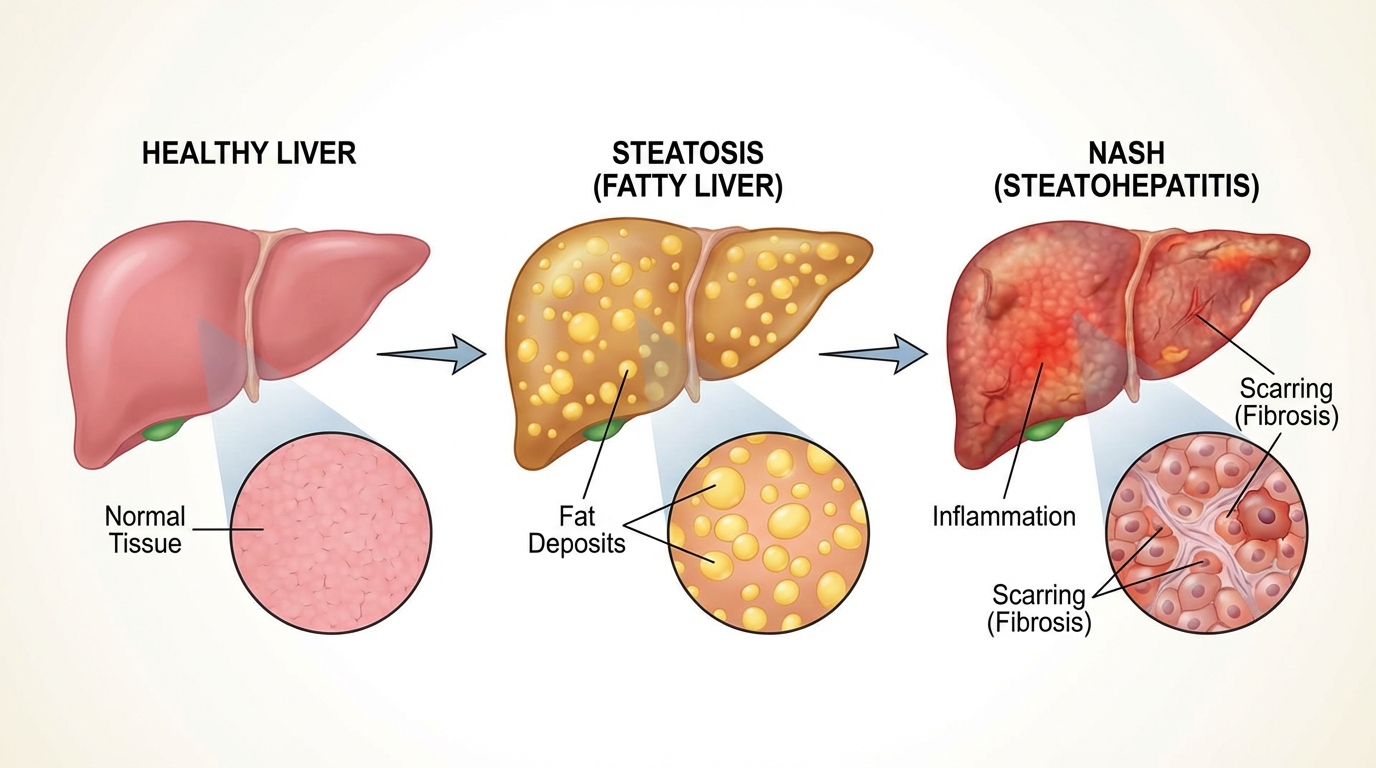
The irony cuts deep. Steatotic liver disease already affects approximately 30% of the global adult population. Many of those affected are actively trying to improve their health by reducing sugar intake. They reach for sugar-free alternatives precisely because they want to protect their livers and manage their weight. But if those alternatives contain sorbitol, they may be inadvertently feeding the same disease process they’re trying to prevent.
The situation is particularly concerning for people with diabetes. Blood sugar management is critical for diabetics, so products that don’t spike glucose seem like obvious choices. Sorbitol fits that criterion, it has a low glycemic index and minimal immediate impact on blood sugar. But the downstream effects on liver health may be creating a different set of problems. A diabetic choosing sorbitol-sweetened foods to protect their pancreas may be simultaneously damaging their liver through the fructose conversion pathway.
What Actually Happens in Your Liver
To understand why this matters, you need to understand what fructose does to liver cells. Unlike glucose, which can be metabolized by virtually every cell in your body, fructose is processed almost exclusively by the liver. When fructose arrives at your liver in modest quantities, the organ handles it without difficulty. But when fructose floods in, whether from high-fructose corn syrup, excessive fruit juice, or sorbitol conversion, the liver’s capacity is overwhelmed.
The result is a cascade of metabolic dysfunction. Excess fructose is converted to fat through a process called de novo lipogenesis. This fat accumulates in liver cells, creating the condition known as steatotic liver disease, formerly called non-alcoholic fatty liver disease (NAFLD). As fat accumulates, inflammation follows. Inflammation damages liver cells, leading to scarring (fibrosis). If the process continues, it can progress to cirrhosis and even liver cancer.
The research also revealed something unexpected about glucose itself. Even without consuming sorbitol directly, your intestines can convert dietary glucose into sorbitol, which then travels to the liver for fructose conversion. This means that high-carbohydrate meals may be producing fructose through a pathway that wasn’t previously appreciated. The metabolic road to liver damage has more on-ramps than we realized.
Practical Implications and Protective Strategies
The research doesn’t mean you need to panic about every sugar-free product you’ve ever consumed. Context matters enormously. Small amounts of sorbitol, like those found naturally in fruits, are typically handled well by healthy gut bacteria. The problems emerge with chronic, high-dose consumption of the kind that happens when someone regularly consumes sugar-free candies, gum, and other sorbitol-containing products.
If you’re concerned about sorbitol exposure, start by reading labels more carefully. Sorbitol appears under several names on ingredient lists: sorbitol, D-sorbitol, D-glucitol, or sometimes just “sugar alcohol.” Many “sugar-free” and “no sugar added” products rely on it. Quantities above 10-20 grams per serving should raise red flags, particularly if you consume multiple servings daily or combine multiple sorbitol-containing products.
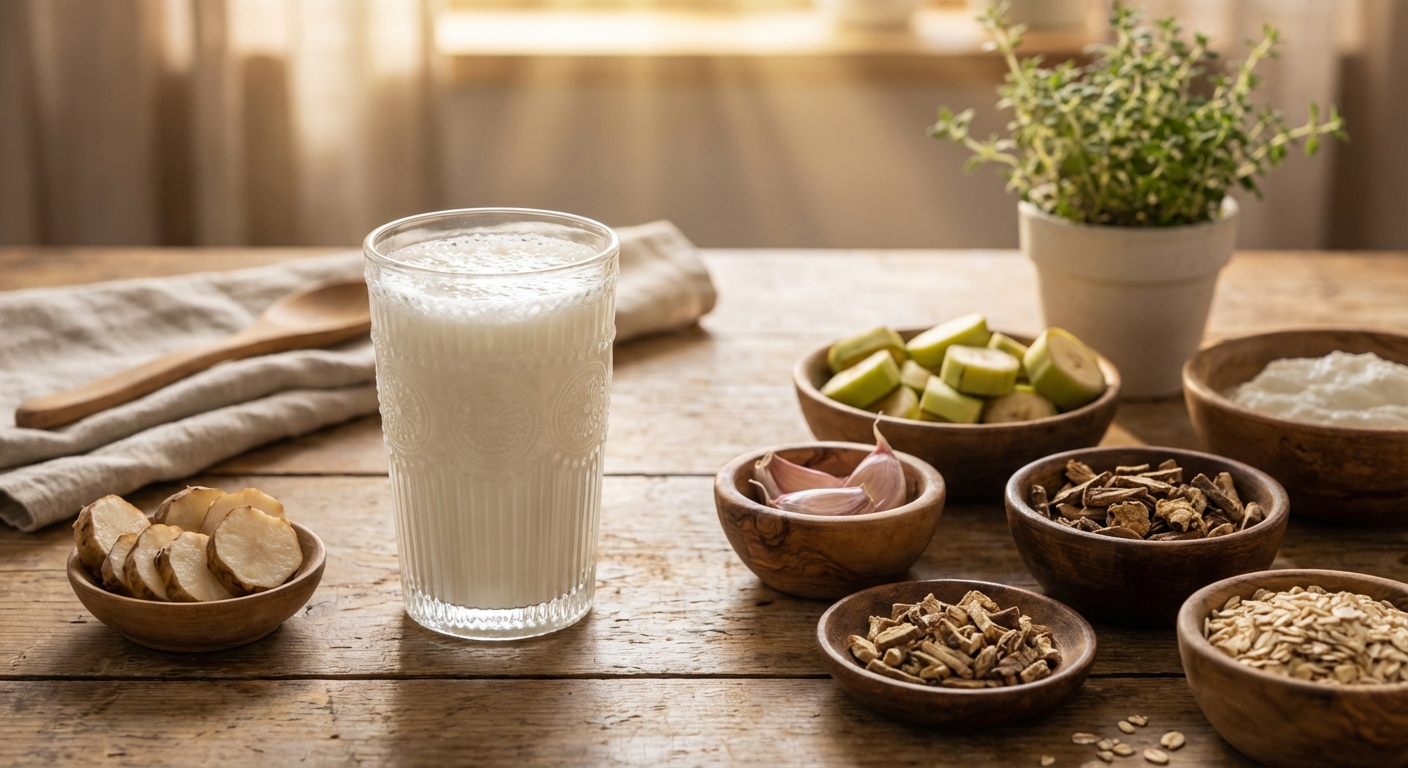
Consider your gut health as a protective factor. A diverse, healthy microbiome provides the bacterial species that break down sorbitol before it reaches your liver. Fermented foods like kimchi, sauerkraut, and kefir support microbial diversity. Prebiotic fibers from vegetables feed beneficial bacteria. If you’ve recently taken antibiotics or have digestive issues, your sorbitol-processing capacity may be temporarily reduced, and extra caution is warranted.
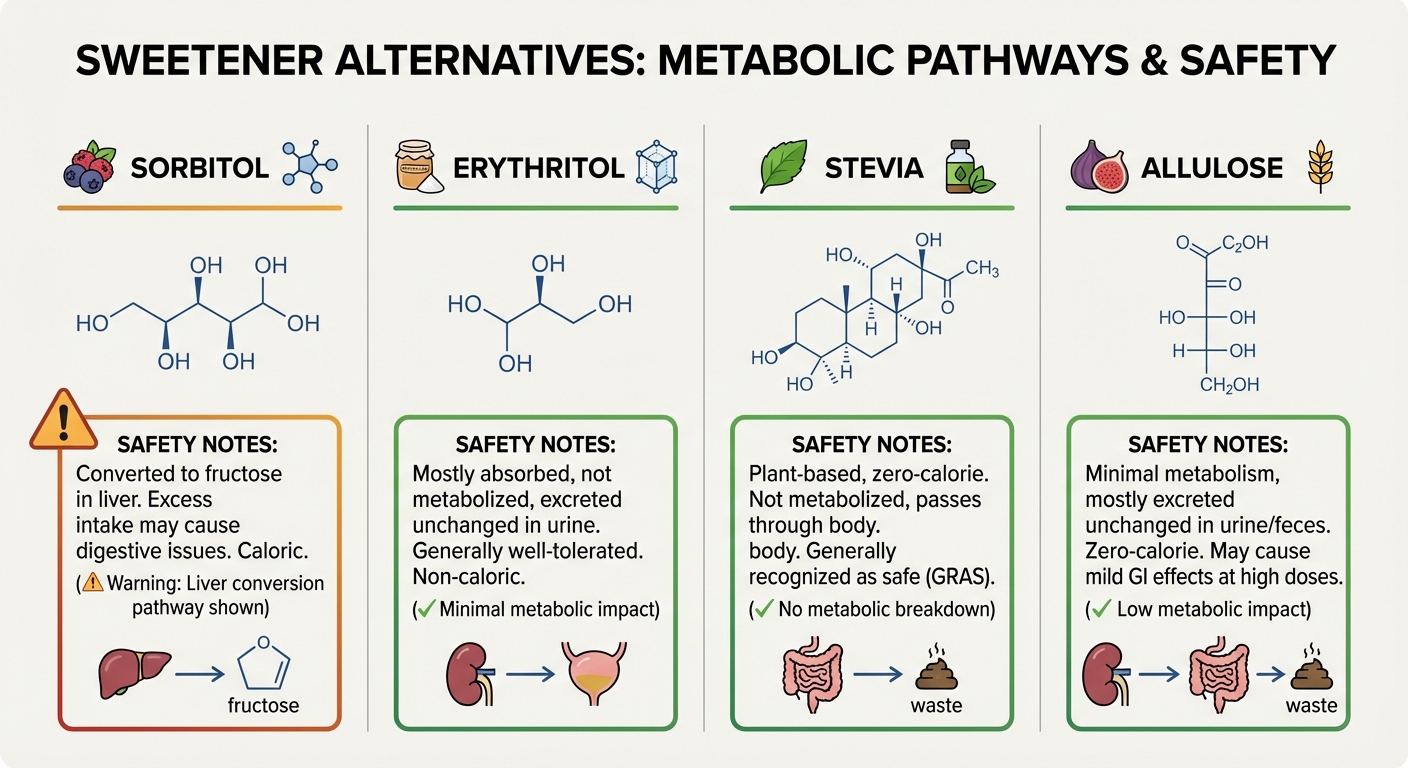
Alternative sweeteners exist that don’t follow the sorbitol-to-fructose pathway. Erythritol, another sugar alcohol, is largely excreted unchanged and doesn’t convert to fructose. Stevia and monk fruit extract are non-nutritive sweeteners that work through entirely different mechanisms. Allulose, a rare sugar, is metabolized differently than fructose and shows promise in early research. None of these alternatives are perfect, and each has its own considerations, but they don’t carry the specific fructose-conversion risk that sorbitol does.
The Bottom Line
Dr. Patti’s conclusion captures the essential lesson: “There is no free lunch when trying to find sugar alternatives, with many roads leading to liver dysfunction.” This doesn’t mean all sweeteners are equally problematic, and it doesn’t mean you should return to regular sugar. What it does mean is that the assumption of safety for any sugar alternative requires scrutiny.
Sorbitol’s transformation into fructose in the liver represents a hidden metabolic pathway that undermines the very health benefits people seek when choosing sugar-free products. The 30% of adults already living with fatty liver disease, and the millions more at risk, deserve to know that their “healthy” choices may be contributing to the problem. Supporting your gut-brain axis with diverse bacterial species may help neutralize sorbitol before it reaches your liver, and prioritizing fiber-rich whole foods provides the prebiotic substrates these protective bacteria need to thrive.
Next Steps:
- Audit your regular sugar-free products for sorbitol content
- Limit total sorbitol intake to under 10-15 grams daily from all sources
- Support gut bacteria with fermented foods and prebiotic fiber
- Consider alternative sweeteners that don’t convert to fructose (erythritol, stevia, allulose)
- If you have existing liver concerns or take regular antibiotics, discuss sweetener choices with your healthcare provider
Sources: Science Signaling (Jackstadt et al., 2025, DOI: 10.1126/scisignal.adt3549), Washington University in St. Louis research, Dr. Gary Patti interviews, steatotic liver disease prevalence data from global epidemiological surveys.