You probably know fiber keeps things moving. Beyond that basic bathroom benefit, fiber rarely gets the attention lavished on protein, which has its own section in every grocery store and supplement shop. But while you’ve been counting grams of protein, a quiet revolution has been building in nutrition science. Fiber, the humble nutrient your grandmother encouraged and you’ve largely ignored, may be the single most impactful dietary factor for overall health.
Whole Foods Market named fiber one of its top food trends for 2026, and for once, the trend aligns perfectly with the science. According to Holland & Barrett’s wellness report, gut health is becoming an even bigger focus this year, and fiber sits at the foundation of gut health. The research community has known this for years, but the message is finally breaking through: fiber plays a role in almost every aspect of health, from supporting your gut microbiome and blood sugar balance to immunity and even mood.
The average American consumes about 15 grams of fiber daily. The recommended intake is 25-38 grams. This gap isn’t just a minor shortfall. It’s a nutritional crisis hiding in plain sight, contributing to everything from the obesity epidemic to rising rates of depression and autoimmune disease. Understanding why fiber matters, and how to get more of it, may be the highest-impact nutrition change you make this year.
Beyond Digestion: Fiber’s Systemic Effects
The traditional view of fiber was mechanical: bulk that moves waste through your digestive tract. This is true but dramatically incomplete. Fiber’s effects extend far beyond the gut, influencing metabolic health, immune function, cardiovascular risk, and even brain chemistry. These systemic effects stem from fiber’s interaction with your gut microbiome, the trillions of bacteria that inhabit your digestive tract.
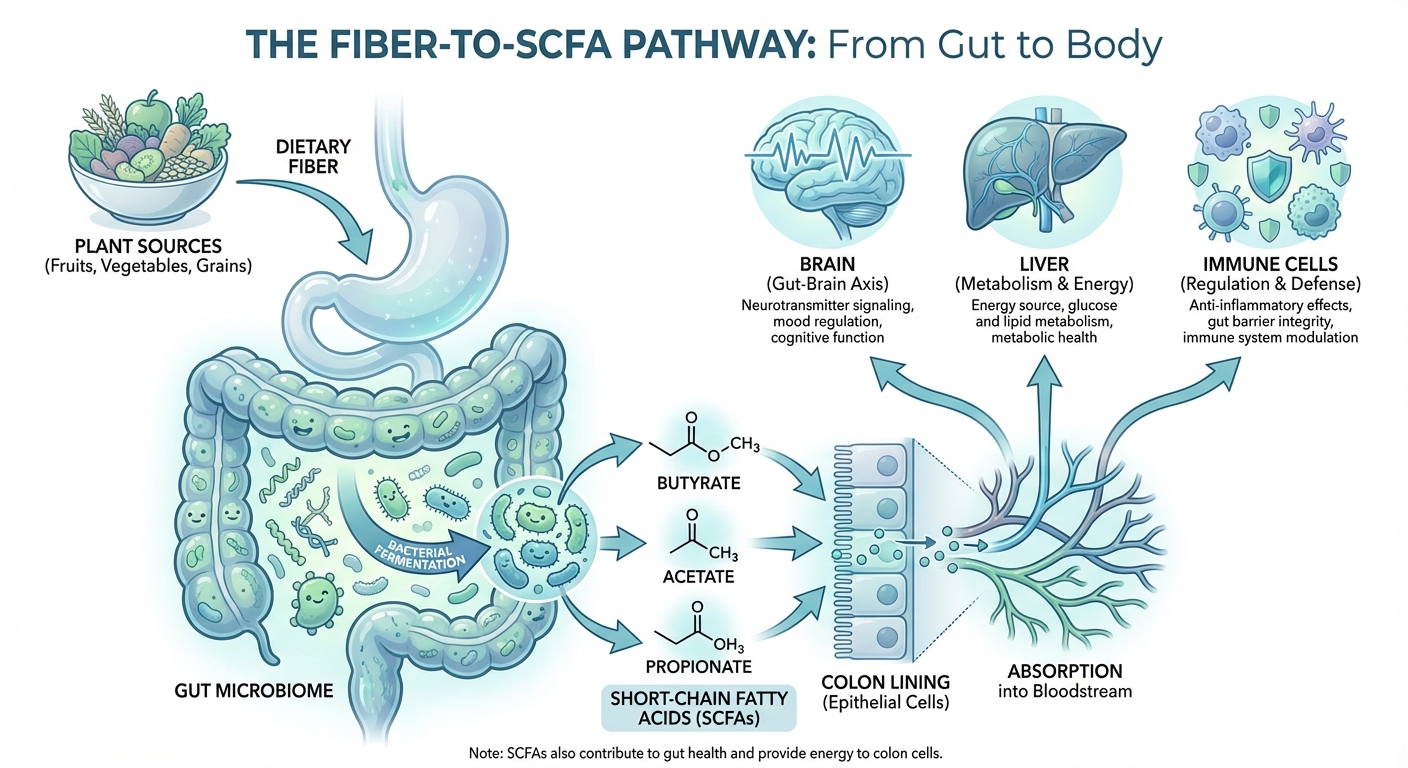
When you eat fiber, you’re not just feeding yourself. You’re feeding the bacterial ecosystem in your colon. These microbes ferment dietary fiber, producing short-chain fatty acids like butyrate, acetate, and propionate. These metabolites are absorbed into your bloodstream and travel throughout your body, acting as signaling molecules that influence gene expression, inflammation, and cellular function in tissues far removed from the gut.
Butyrate, the most studied short-chain fatty acid, is the primary fuel source for the cells lining your colon. It strengthens the gut barrier, reduces intestinal inflammation, and has been shown in animal studies to improve insulin sensitivity and reduce fat accumulation. The connection between fiber intake and metabolic health runs through this bacterial fermentation process. Low fiber intake means low butyrate production, which compromises gut barrier function and may contribute to the chronic low-grade inflammation linked to obesity and type 2 diabetes.
The immune system is heavily influenced by the gut microbiome, with an estimated 70% of immune cells residing in the gut-associated lymphoid tissue. Fiber-fed bacteria produce compounds that help calibrate immune responses, promoting tolerance to harmless substances while maintaining vigilance against pathogens. Population studies consistently show that higher fiber intake correlates with lower rates of inflammatory and autoimmune conditions, though the mechanisms are still being fully mapped.
The Mood-Microbiome Connection
Perhaps the most surprising frontier in fiber research is its impact on mental health. The gut-brain axis, the bidirectional communication network between your digestive system and your brain, is profoundly influenced by the composition of your gut microbiome. And fiber is the primary dietary factor shaping that composition.
Your gut bacteria produce neurotransmitters, including approximately 90% of your body’s serotonin, the molecule most associated with mood regulation. They also produce GABA, dopamine precursors, and other neuroactive compounds. When your microbiome is diverse and well-fed with fiber, this neurochemical production functions optimally. When fiber intake is low, microbial diversity declines, and so does the production of these mood-regulating compounds.
A 2024 systematic review in Frontiers in Psychiatry examined the relationship between fiber intake and depression across multiple cohort studies. The findings were striking: individuals in the highest quartile of fiber intake had a 33% lower risk of depression compared to those in the lowest quartile. While correlation doesn’t prove causation, intervention studies support a causal relationship. When researchers increased fiber intake in controlled trials, they observed improvements in anxiety and depression scores within weeks.
The mechanism appears to involve inflammation as much as neurotransmitter production. Depression is increasingly understood as an inflammatory condition, with elevated inflammatory markers consistently found in depressed individuals. Fiber’s anti-inflammatory effects, mediated through short-chain fatty acid production and improved gut barrier function, may help explain its association with better mental health. For more on this connection, see our deep dive into gut health and mental wellness.
Blood Sugar: Fiber’s Metabolic Superpower
If you’re concerned about blood sugar, whether due to diabetes risk, energy stability, or body composition goals, fiber deserves a central place in your strategy. The mechanisms are multiple and synergistic, making fiber one of the most powerful tools for glycemic control available through diet.
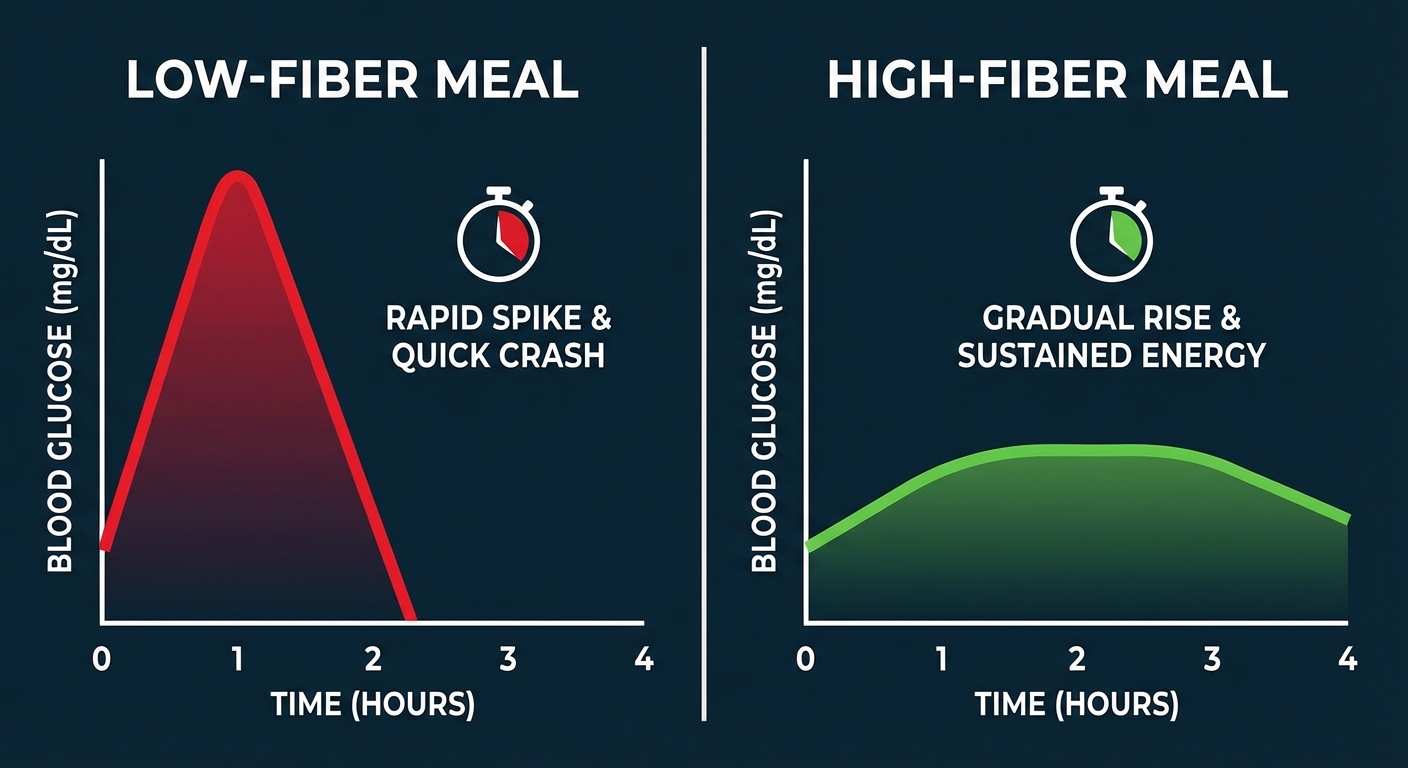
Soluble fiber, the type that dissolves in water to form a gel-like substance, physically slows gastric emptying and nutrient absorption. When you eat a meal containing soluble fiber, the carbohydrates in that meal are released more gradually into your bloodstream. This blunting effect can reduce post-meal glucose spikes by 20-40% depending on the amount and type of fiber consumed. The practical impact is substantial: steadier energy, reduced cravings, and less insulin demand on your pancreas.
Resistant starch, a type of fiber that resists digestion in the small intestine, offers additional metabolic benefits. When you cook and cool starchy foods like potatoes, rice, or pasta, some of the digestible starch converts to resistant starch. This resistant fraction feeds beneficial gut bacteria while providing fewer calories than the original starch. The resistant starch revolution is one of the most practical applications of fiber science for metabolic health.
Beyond the acute meal effects, chronic fiber intake improves insulin sensitivity through multiple pathways. Short-chain fatty acids enhance the function of insulin-producing beta cells in the pancreas. They also reduce hepatic glucose production and improve glucose uptake in muscle tissue. A meta-analysis of randomized controlled trials found that increasing fiber intake by 15 grams per day improved insulin sensitivity by approximately 15%, an effect comparable to some diabetes medications.
The implications extend beyond diabetes prevention. Stable blood sugar supports consistent energy throughout the day, reduces afternoon crashes and cravings, and may support body composition goals by reducing the insulin surges that promote fat storage. For anyone using continuous glucose monitoring to optimize their metabolic health, fiber manipulation is one of the highest-impact interventions available.
Fiber Types: A Practical Guide
Not all fiber is created equal, and understanding the different types can help you optimize your intake for specific goals. The traditional distinction between soluble and insoluble fiber, while useful, doesn’t capture the full complexity of how different fibers behave in your body.
Soluble fiber dissolves in water and includes beta-glucans (found in oats and barley), pectins (found in apples and citrus), and psyllium. These fibers are particularly effective for blood sugar management and cholesterol reduction. Beta-glucan is the most studied, with FDA-approved health claims for heart disease risk reduction. The gel-forming property of soluble fiber creates satiety, slows digestion, and provides the substrate for short-chain fatty acid production.
Insoluble fiber doesn’t dissolve in water and includes cellulose and lignin, found in wheat bran, vegetables, and whole grains. This type of fiber adds bulk to stool and speeds transit time through the colon. While less directly involved in microbiome fermentation, insoluble fiber is essential for regular bowel movements and may reduce the risk of colorectal conditions by diluting potential carcinogens and reducing their contact time with the intestinal lining.
Prebiotic fibers are a special category that selectively feed beneficial bacteria. Inulin and fructooligosaccharides (FOS), found in onions, garlic, leeks, asparagus, and chicory root, are particularly effective at promoting the growth of Bifidobacteria and Lactobacilli. These fibers can cause gas and bloating if introduced too quickly, so gradual increases are advisable. The microbiome-boosting effects of prebiotics complement the benefits of probiotic foods and supplements.
Resistant starch, as mentioned earlier, functions like fiber despite being classified as a starch. The best food sources include cooled potatoes, cooled rice, green bananas, and legumes. Resistant starch is particularly well-tolerated and produces especially high levels of butyrate during fermentation, making it a strategic choice for gut healing protocols.
Best Fiber Sources: A Ranked Guide
Meeting the 25-38 gram daily target requires intentional food choices. While fiber supplements exist, whole food sources provide additional nutrients and different fiber types that work synergistically. Here are the top sources ranked by fiber density and overall nutritional value.
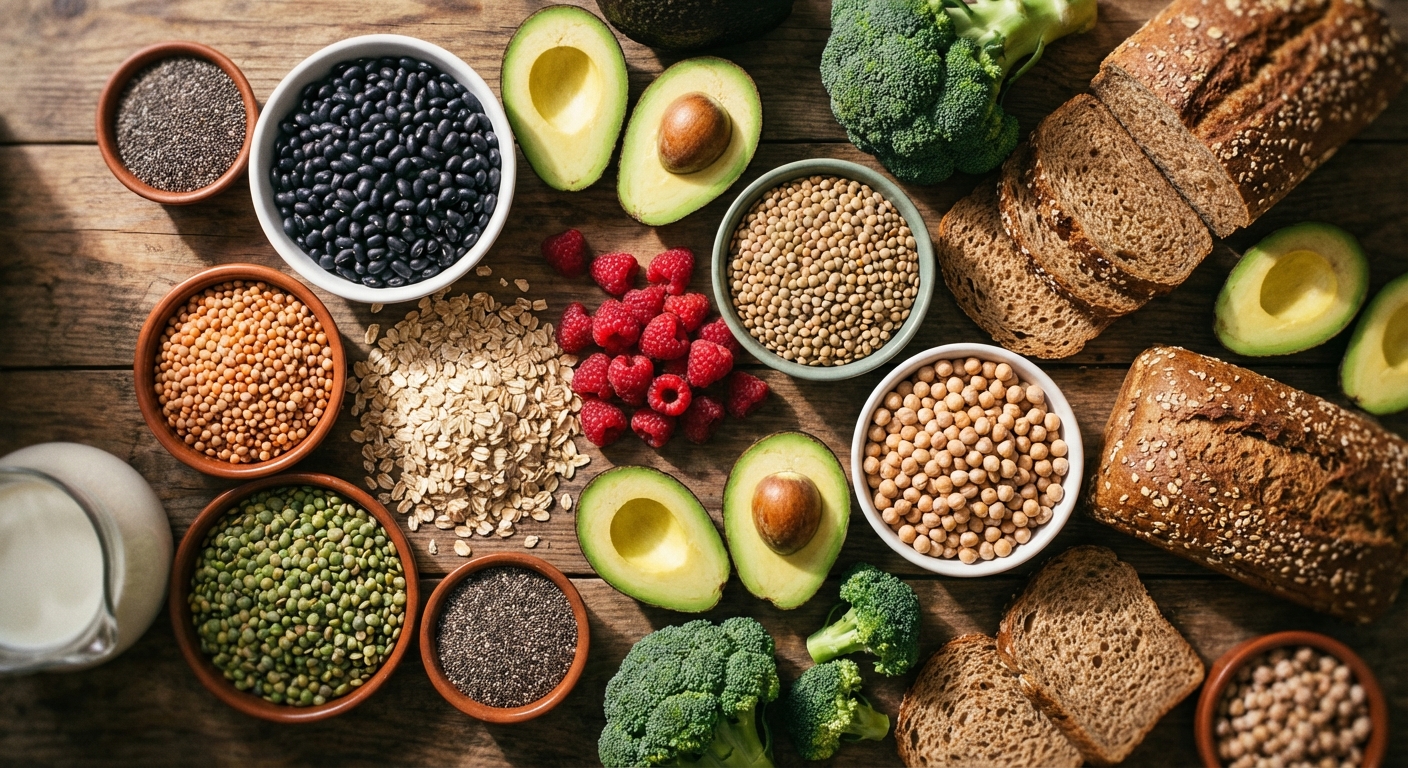
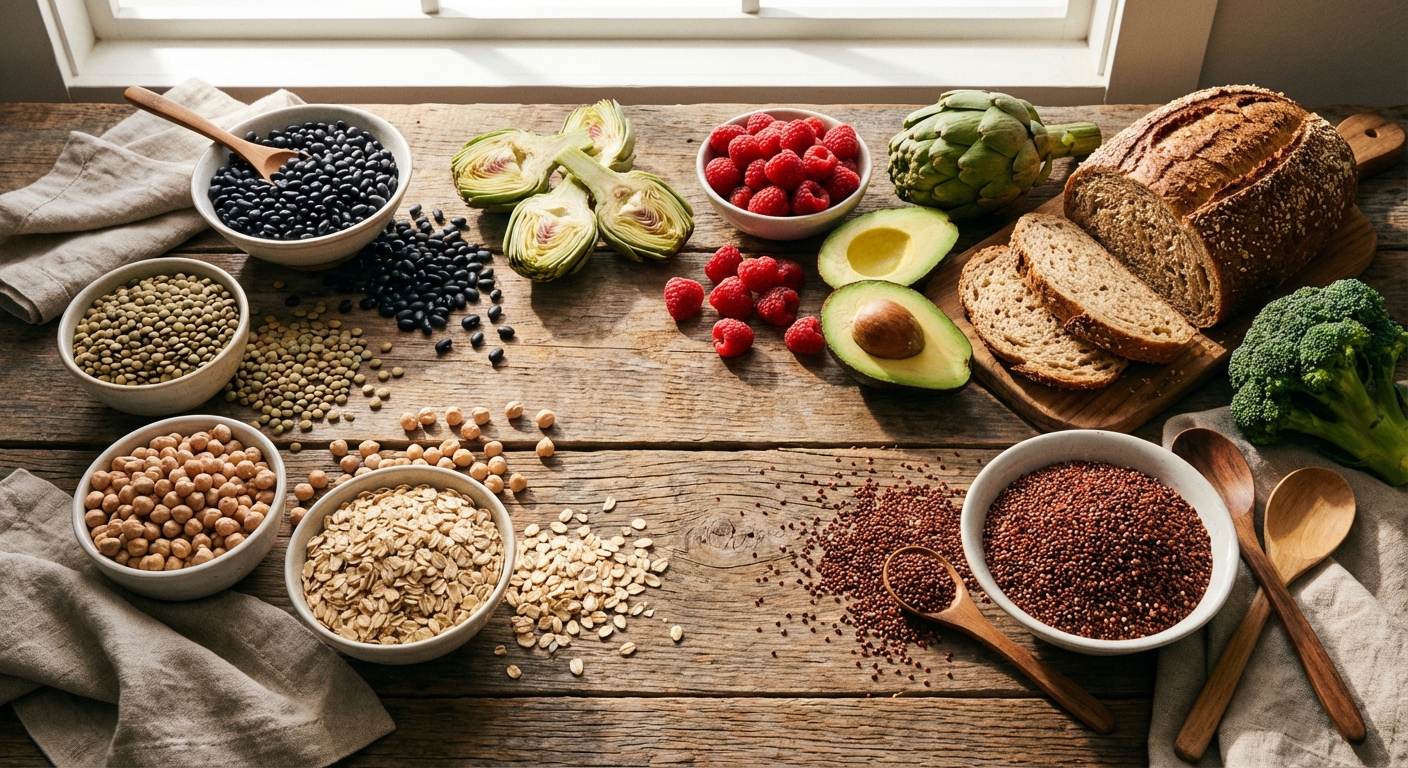
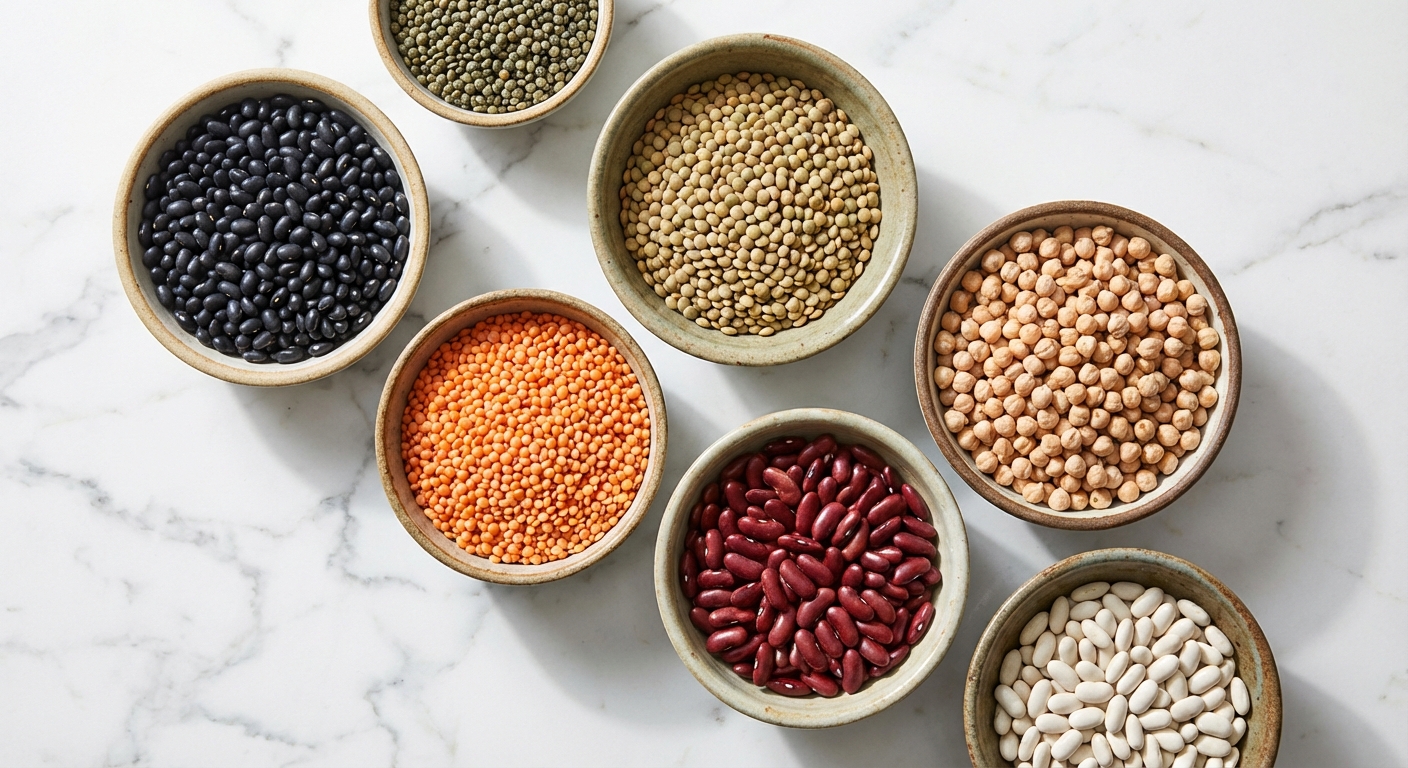
Legumes stand out as the fiber champions. A cup of cooked black beans provides 15 grams of fiber, nearly half the daily target in a single serving. Lentils, chickpeas, and kidney beans are similarly impressive. Beyond fiber, legumes provide plant protein, resistant starch, and a variety of micronutrients. Population studies consistently show that legume consumption correlates with longevity and reduced chronic disease risk.
Whole grains provide substantial fiber along with B vitamins and minerals. A cup of cooked barley contains 6 grams of fiber, with the added benefit of beta-glucan for cholesterol management. Oats, quinoa, and bulgur are other excellent choices. The key is choosing intact grains rather than refined versions: brown rice instead of white, whole wheat instead of refined, steel-cut oats instead of instant.
Vegetables vary widely in fiber content. Artichokes lead the pack at 10 grams per medium artichoke. Broccoli, Brussels sprouts, and green peas provide 4-5 grams per cup. Leafy greens, while nutritionally valuable, are relatively low in fiber due to their low caloric density. A practical approach is anchoring meals with legumes or whole grains while adding vegetables for variety and additional nutrients.
Fruits contribute fiber along with vitamins and antioxidants. Raspberries are exceptional at 8 grams per cup, followed by pears (5.5 grams with skin), apples (4.5 grams with skin), and bananas (3 grams, higher in resistant starch when green). Dried fruits concentrate fiber but also concentrate sugar, so they’re best used strategically rather than as a primary fiber source.
Nuts and seeds add fiber while providing healthy fats and protein. Chia seeds deliver 10 grams per ounce, along with omega-3 fatty acids. Almonds provide 3.5 grams per ounce, and flaxseeds offer 3 grams per tablespoon plus lignans with potential hormonal benefits. Adding a tablespoon of chia or flax to smoothies, yogurt, or oatmeal is an easy fiber boost.
Building Your High-Fiber Day
Theoretical knowledge means nothing without practical application. Here’s how a day of eating might look when fiber is prioritized, providing approximately 40 grams while remaining realistic and enjoyable.
Breakfast sets the foundation. A bowl of steel-cut oatmeal (4g fiber) topped with raspberries (4g), chia seeds (5g), and sliced almonds (1g) provides 14 grams of fiber before you leave the house. For those who prefer savory breakfasts, two eggs with sautéed vegetables on whole grain toast (3g fiber) with a side of black beans (7g) achieves similar results.
Lunch builds on the morning. A large salad with mixed greens, chickpeas (6g per half cup), quinoa (2.5g per half cup), roasted vegetables (3g), and an olive oil dressing provides about 12 grams. Adding a piece of fruit on the side contributes another 3-5 grams. Those packing lunches can batch-cook grain and legume bases on weekends to make assembly quick during the week.
Dinner completes the target. A serving of grilled salmon or chicken with a generous portion of roasted broccoli (5g), a medium baked sweet potato (4g), and a side of lentils (8g) provides another 17 grams. The meal is satisfying, protein-rich, and fiber-dense without feeling like a sacrifice.
Snacks offer opportunities for additional fiber without much effort. An apple with almond butter adds 5 grams. A handful of almonds contributes 3 grams. Hummus with vegetables provides both fiber and prebiotics from the chickpea and garlic base. These small additions compound over the day.
Increasing Fiber Safely
A sudden jump from 15 to 40 grams of fiber can cause significant digestive distress. Gas, bloating, cramping, and changes in bowel habits are common when fiber intake increases too quickly. The gut microbiome needs time to adapt, expanding populations of fiber-fermenting bacteria to handle the increased substrate.
The recommended approach is gradual: increase fiber by 3-5 grams per day over several weeks until you reach your target. This slow escalation allows your microbiome to adapt and minimizes uncomfortable symptoms. Keeping a simple food log during this transition helps identify which fiber sources your system tolerates well and which cause problems.
Hydration becomes more important as fiber intake increases. Soluble fiber absorbs water, and inadequate fluid intake with high fiber consumption can lead to constipation rather than the improved regularity you’re seeking. Aim for an additional 8-16 ounces of water for every 10 grams of fiber increase. This combination of fiber and fluid supports optimal digestive function.
Some individuals with irritable bowel syndrome or other digestive conditions may need to be selective about fiber types. FODMAPs, a category of fermentable carbohydrates that includes some fibers, can trigger symptoms in sensitive individuals. Working with a registered dietitian to identify tolerated fiber sources while avoiding triggers can help these individuals gain fiber’s benefits without the downsides.
The Bottom Line
Fiber has languished in protein’s shadow for too long. While optimizing protein intake matters, especially for muscle preservation and satiety, the average person’s fiber deficit is larger and potentially more consequential for overall health. From gut microbiome composition to blood sugar stability, from immune function to mental health, fiber influences systems throughout the body in ways we’re only beginning to fully understand.
The path forward is straightforward if not always easy: more legumes, more whole grains, more vegetables, more fruit. These foods have sustained human health for millennia, and modern science is revealing why. The 2026 trend toward fiber-forward eating isn’t a fad. It’s a return to dietary patterns that our bodies evolved to expect.
Your Fiber Action Steps:
- Calculate your current intake by tracking food for 3 days
- Set a target of 25g (women) or 38g (men) minimum
- Add one high-fiber food per meal (legumes, whole grains, vegetables)
- Increase gradually by 3-5g per day to avoid digestive distress
- Hydrate adequately with an extra 8-16 oz water per 10g fiber added
- Diversify fiber sources for microbiome variety (don’t rely on one food)
Sources: Whole Foods Market 2026 Trend Report, Holland & Barrett Wellness Survey, Frontiers in Psychiatry fiber and depression meta-analysis, FDA beta-glucan health claims, short-chain fatty acid research from Journal of Nutrition.