The headline writes itself too easily: “Eat chocolate, live longer.” And that’s precisely why you should approach the latest research on dark chocolate and aging with appropriate skepticism. Yet the study published this month in Aging deserves serious attention, not because it validates your evening chocolate habit, but because it illuminates how specific dietary compounds interact with the biological machinery of aging in ways we’re only beginning to understand.
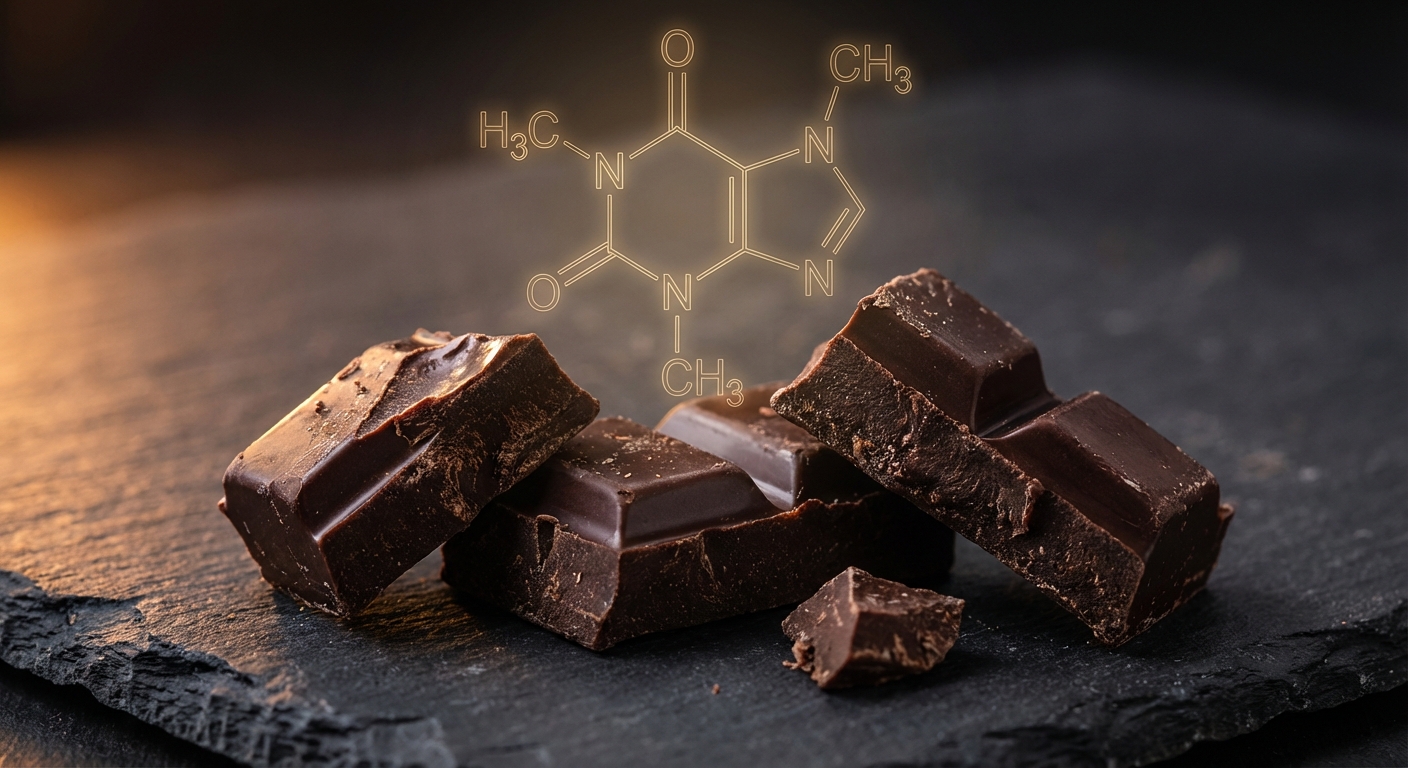
A team led by Dr. Ramy Saad at King’s College London examined blood samples from 1,669 adults across two European cohorts and found something unexpected. Those with higher circulating levels of theobromine, a compound found primarily in cocoa, showed biological ages younger than their chronological ages. The effect appeared specific to theobromine; other cocoa and coffee metabolites tested didn’t show the same association. The finding doesn’t mean chocolate is a fountain of youth, but it does suggest that this particular molecule may influence the epigenetic markers that determine how quickly our bodies age.
Understanding what this research does and doesn’t tell us requires diving into the science of biological aging, the specifics of theobromine metabolism, and the critical distinction between correlation and causation that separates interesting findings from actionable recommendations.
Biological Age: The Clock That Actually Matters
Your chronological age is simply how many times Earth has orbited the sun since your birth. It’s fixed, predictable, and the same for everyone born on your birthday. Biological age is something else entirely. It reflects how well your body is functioning, how much wear and accumulated damage your cells have sustained, and, increasingly, how your genes are being expressed as you move through life.
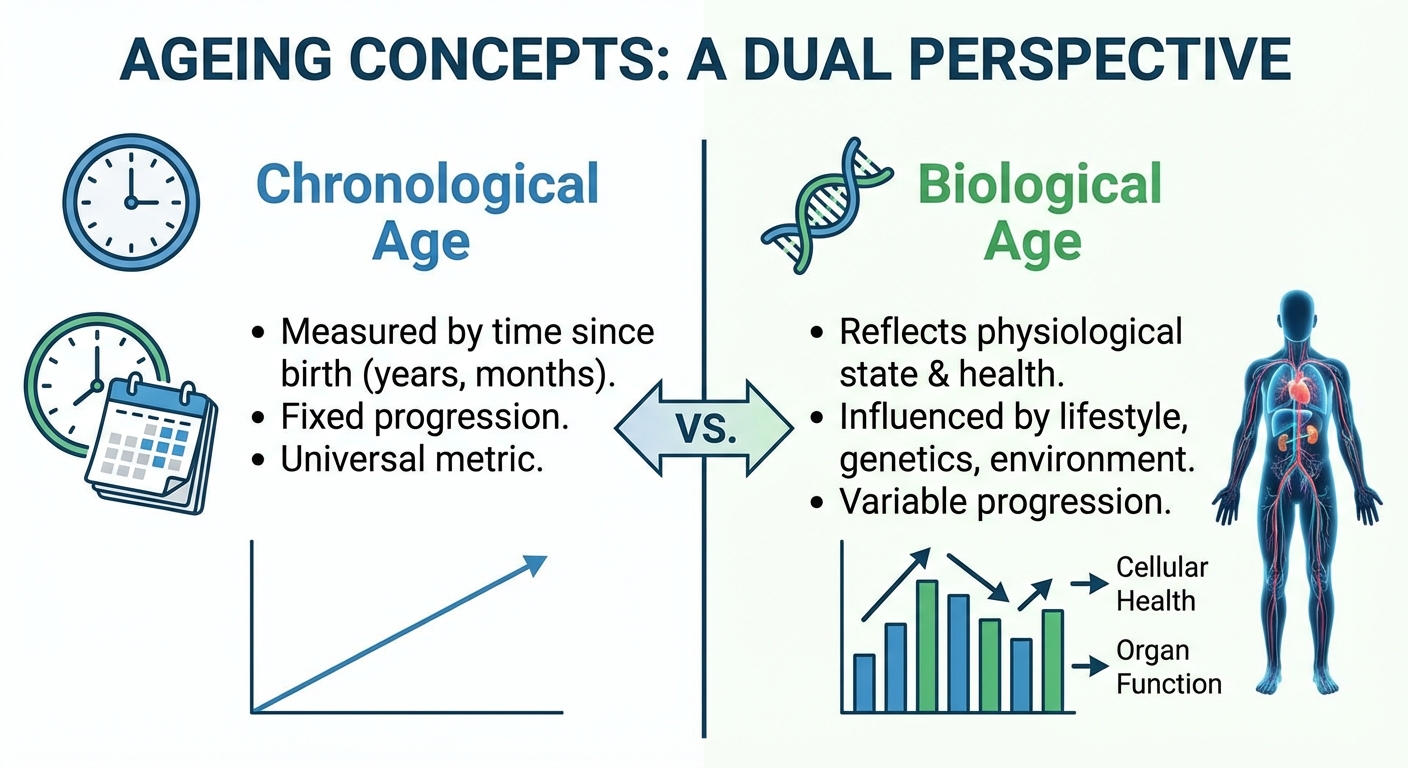
Two 50-year-olds can have dramatically different biological ages. One might have the cellular profile of a 40-year-old, while the other’s body resembles that of someone approaching 60. The factors that determine this difference include genetics, but increasingly, research points to lifestyle, environment, and diet as powerful modulators of biological aging.
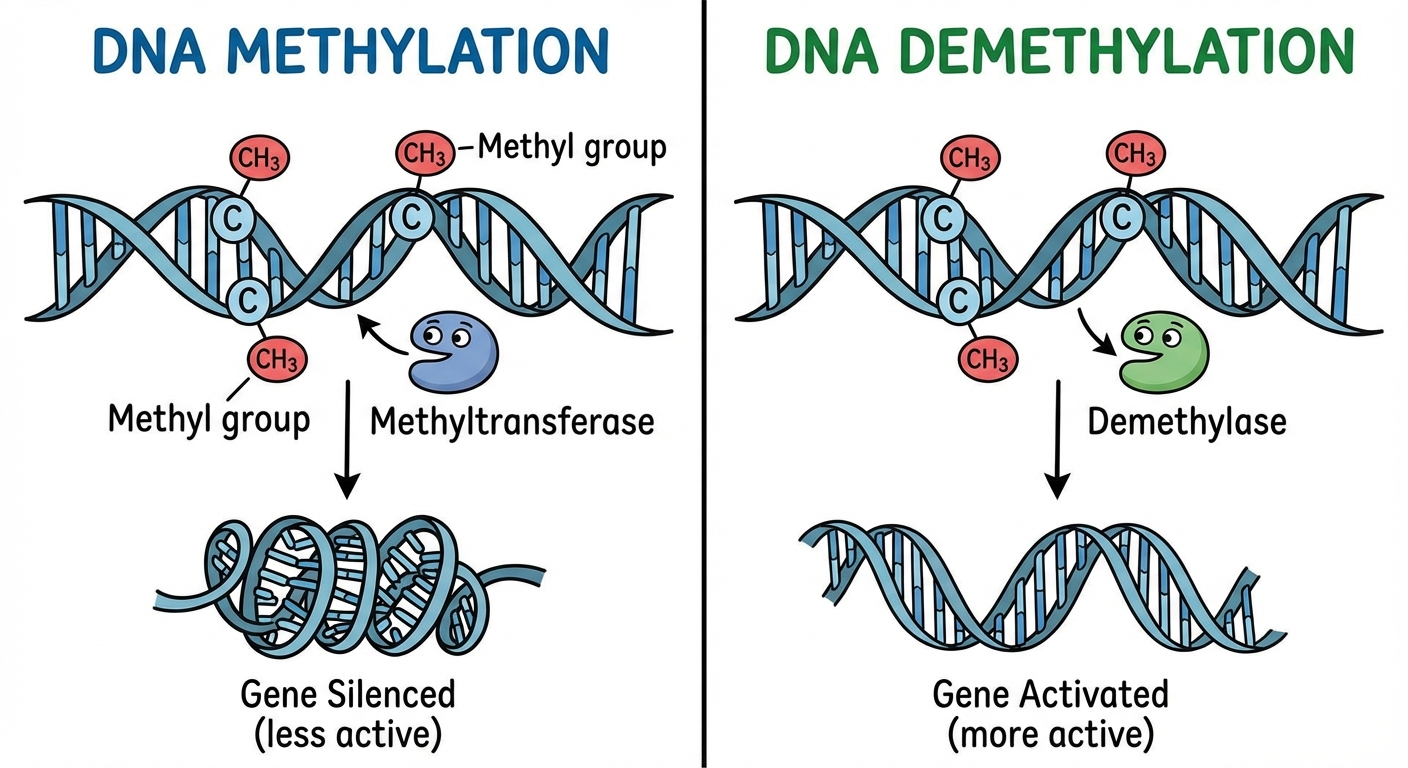
The King’s College researchers measured biological age using two complementary approaches. The first examined DNA methylation patterns, chemical modifications to DNA that change predictably with age. These “epigenetic clocks” have become sophisticated tools for estimating biological age, with certain methylation signatures correlating strongly with age-related diseases and mortality. The second approach measured telomere length. Telomeres are protective caps at the ends of chromosomes that shorten each time a cell divides. When telomeres become critically short, cells enter a state of senescence or die, contributing to tissue aging and dysfunction.
Both measures pointed in the same direction: higher theobromine levels associated with younger-appearing biological profiles. This finding adds to the growing body of research on how lifestyle factors influence epigenetic aging.
What Makes Theobromine Special
Theobromine belongs to a family of compounds called methylxanthines, which also includes caffeine and theophylline. All three share a similar chemical structure and occur naturally in various plants, but theobromine is found in meaningful concentrations primarily in cocoa beans. A 100-gram serving of dark chocolate (70-85% cocoa) contains approximately 800 milligrams of theobromine, compared to about 80 milligrams of caffeine. The compound’s name derives from Theobroma cacao, the scientific name for the cocoa tree, which translates from Greek as “food of the gods.”
Unlike caffeine, which crosses the blood-brain barrier readily and produces obvious stimulant effects, theobromine acts more subtly. It’s a milder stimulant, produces gentler cardiovascular effects, and has a longer half-life in the body, remaining in circulation for six to ten hours. These properties may be relevant to its potential aging-related effects, as sustained low-level activity of a compound may influence biological processes differently than brief spikes.
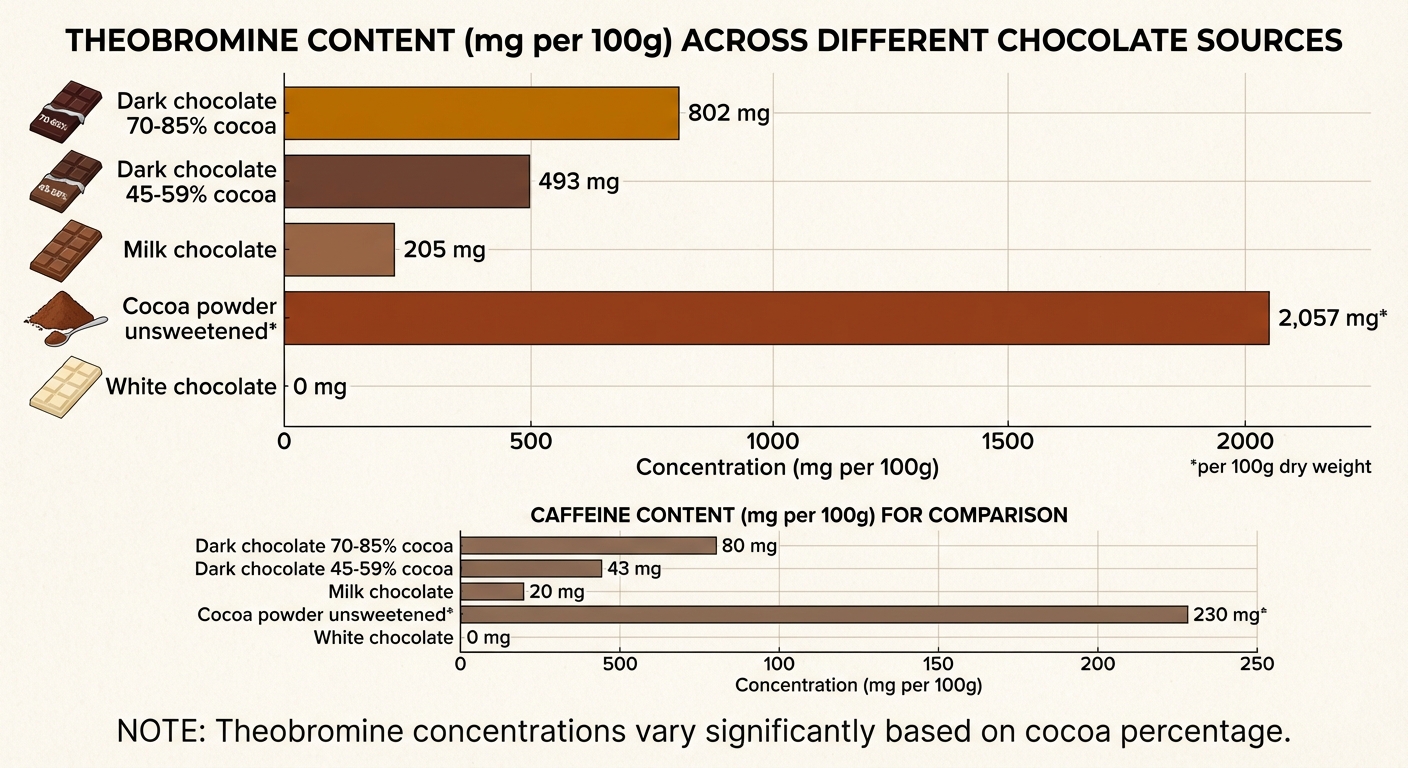
The research team specifically tested whether other metabolites in cocoa and coffee showed similar associations with biological aging markers. They didn’t. This specificity is important because it suggests the finding isn’t simply reflecting overall chocolate consumption or a generally healthy diet. Something about theobromine itself appears to be driving the association.
Previous research has identified several mechanisms by which theobromine might influence cellular health. The compound has demonstrated antioxidant properties in laboratory studies, potentially reducing the oxidative stress that damages DNA and accelerates aging. This connects to broader research on cellular aging pathways like NAD+ and sirtuins. It affects adenosine receptors, which play roles in cellular energy metabolism and inflammation. It may influence lipid metabolism and cardiovascular function in ways that could affect systemic aging. None of these mechanisms have been definitively linked to the epigenetic changes observed in the current study, but they provide biological plausibility for the findings.
The Study: Two Cohorts, One Pattern
The research analyzed data from two established European cohorts. The TwinsUK registry contributed 509 participants, while the KORA study from Germany provided 1,160 additional subjects. Using two independent populations helps guard against findings that are artifacts of a single dataset’s quirks.
Blood samples were analyzed for circulating theobromine levels, which reflect recent dietary intake combined with individual differences in metabolism. These levels were then correlated with biological age estimates derived from DNA methylation patterns and telomere length measurements.
Across both cohorts, the pattern held: higher theobromine levels associated with lower biological age relative to chronological age. The effect size wasn’t enormous, as no one’s biological age was decades younger simply because of chocolate consumption, but it was statistically robust and consistent across different aging measures.
Importantly, the researchers controlled for various confounding factors that might explain the association. People who eat dark chocolate might also exercise more, eat better overall, or have higher socioeconomic status, all factors that independently influence biological aging. The statistical models attempted to account for these possibilities, though no observational study can completely eliminate confounding.
The Critical Caveat: Correlation Is Not Causation
Dr. David Vauzour from the University of East Anglia, commenting on the study, offered an essential perspective: “Association is not causation. We cannot conclude that cocoa or chocolate consumption will slow aging, nor that theobromine is the causal agent.”
This caveat isn’t scientific hedging; it reflects a fundamental limitation of observational research. The study shows that people with higher theobromine levels tend to have younger biological ages. It cannot tell us whether theobromine causes that younger biological age, whether some other factor causes both, or whether the association would hold if you deliberately increased your theobromine intake.
Consider alternative explanations. People who consume dark chocolate regularly might have dietary patterns that differ in other ways, perhaps eating more polyphenol-rich foods overall, or having palates that prefer bitter flavors associated with healthier food choices. Theobromine metabolism varies between individuals based on genetics; the same genetic variants might influence both theobromine clearance and aging pathways. People in better health might be more likely to consume luxury foods like high-quality dark chocolate, reversing the assumed direction of causation.
The researchers are transparent about these limitations. As Professor Jordana Bell, the study’s senior author, stated: “While we’re not saying that people should eat more dark chocolate, this research can help us understand how everyday foods may hold clues to healthier, longer lives.” The study opens questions rather than answering them definitively.
What This Means for Your Diet
Given the research’s limitations, recommending that everyone increase their dark chocolate consumption would be premature. Dark chocolate, despite its potential benefits, comes packaged with sugar, saturated fat, and significant calories. A 100-gram serving of 70% dark chocolate contains approximately 600 calories and 40 grams of fat. Consuming this quantity daily would likely promote weight gain and metabolic dysfunction that would far outweigh any potential benefits from theobromine.
The relationship between theobromine and health isn’t necessarily linear. More isn’t automatically better, and the optimal intake, if one exists, remains unknown. The study measured naturally occurring variations in theobromine levels, not the effects of supplementation or deliberately increased intake.
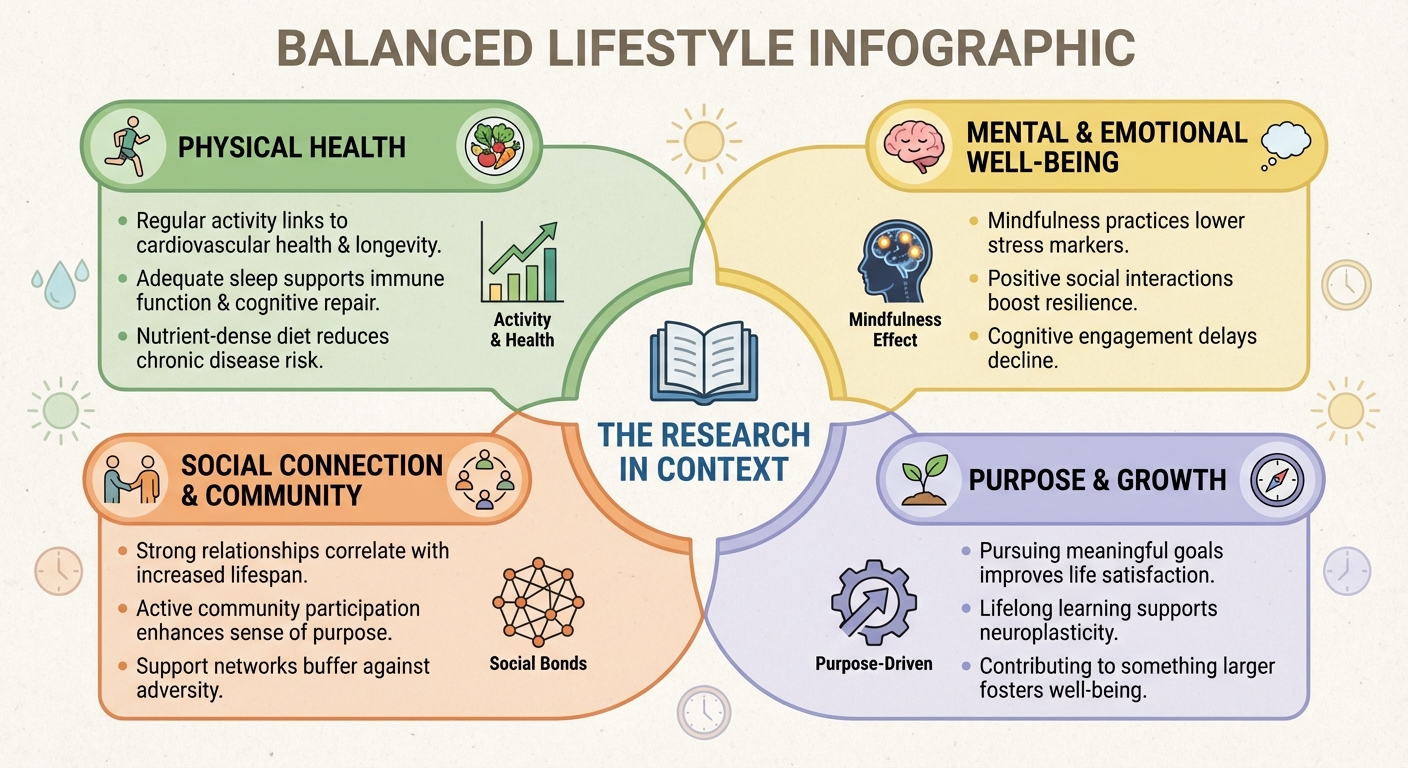
If you enjoy dark chocolate, the research provides no reason to stop. A moderate amount, perhaps one to two small squares of high-percentage dark chocolate (70% cocoa or higher), can fit into a healthy dietary pattern. The polyphenols in cocoa have their own research base suggesting cardiovascular and cognitive benefits. The pleasure of eating chocolate also has value; dietary patterns that are sustainable and enjoyable tend to produce better long-term health outcomes than restrictive approaches.
For those seeking theobromine specifically, cocoa powder offers a more concentrated source with fewer accompanying calories. A tablespoon of unsweetened cocoa powder contains significant theobromine with minimal sugar and fat. It can be added to smoothies, oatmeal, or yogurt, providing the compound without the drawbacks of consuming large quantities of chocolate.
The Bigger Picture: Food as Epigenetic Modulator
Beyond the specific findings about theobromine, this research contributes to a growing understanding that dietary compounds can influence the epigenetic machinery that regulates how our genes are expressed. DNA methylation, the aging marker measured in this study, isn’t fixed at birth. It changes throughout life in response to environmental inputs, including diet.
Other dietary compounds have shown similar epigenetic effects. Resveratrol in red wine, sulforaphane in broccoli, curcumin in turmeric, and various polyphenols in berries have all demonstrated the ability to influence DNA methylation patterns in laboratory studies. The challenge is translating these laboratory findings into practical dietary recommendations, a gap that remains wide for most compounds.
What makes theobromine interesting is its specificity. The researchers tested multiple cocoa and coffee metabolites and found that only theobromine showed the aging association. This selectivity suggests that the effect, whatever its mechanism, isn’t simply about antioxidants or polyphenols in general. Something about theobromine’s particular structure or metabolism appears relevant.
Dr. Saad, the lead researcher, captured the current state of knowledge: “This is a very exciting finding, and the next important questions are what is behind this association and how can we explore the interactions between dietary metabolites and our epigenome further?” The study is a beginning, not an endpoint. Meanwhile, other research is exploring more direct interventions, including novel approaches targeting senescent “zombie” cells.
The Bottom Line
Research from King’s College London found that higher blood levels of theobromine, a compound concentrated in dark chocolate and cocoa, correlate with younger biological age as measured by DNA methylation and telomere length. The association appeared specific to theobromine among the cocoa compounds tested. However, correlation does not prove causation, and the researchers explicitly caution against concluding that eating more chocolate will slow aging.
The finding matters not as a dietary prescription but as a window into how specific food compounds may interact with the biological machinery of aging. Future research will need to establish whether theobromine directly influences epigenetic aging markers and whether increasing intake provides benefits.
Practical Takeaways:
- If you enjoy dark chocolate, continue moderate consumption (1-2 squares of 70%+ cocoa daily) without guilt
- Don’t increase chocolate intake dramatically based on this single study
- Consider unsweetened cocoa powder as a lower-calorie theobromine source
- Recognize that overall dietary pattern matters more than any single food or compound
- Watch for follow-up research investigating causal mechanisms
Sources: Aging journal (December 2025), Dr. Ramy Saad and Professor Jordana Bell (King’s College London), Dr. David Vauzour (University of East Anglia), TwinsUK and KORA cohort studies, Professor Ana Rodriguez-Mateos (Human Nutrition research).