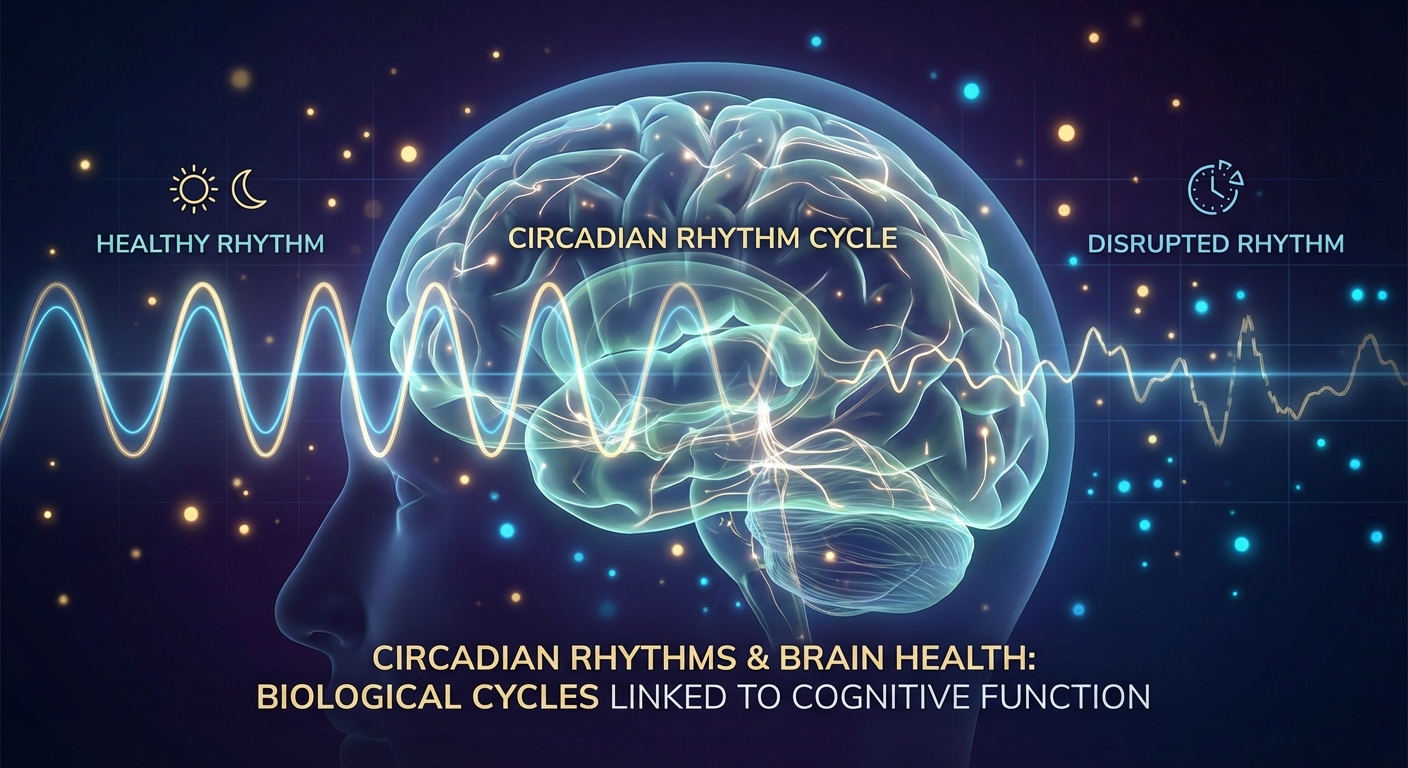
Weak Circadian Rhythms Linked to 2.5x Higher Dementia Risk
New research reveals that disrupted daily activity patterns may be an early warning sign for cognitive decline, with actionable steps to strengthen your biological clock.
14 articles tagged with "brain health"
New research reveals that disrupted daily activity patterns may be an early warning sign for cognitive decline, with actionable steps to strengthen your biological clock.
New research confirms exercise improves memory and cognitive function in just 12 weeks. Here's what happens in your brain and how to get started.
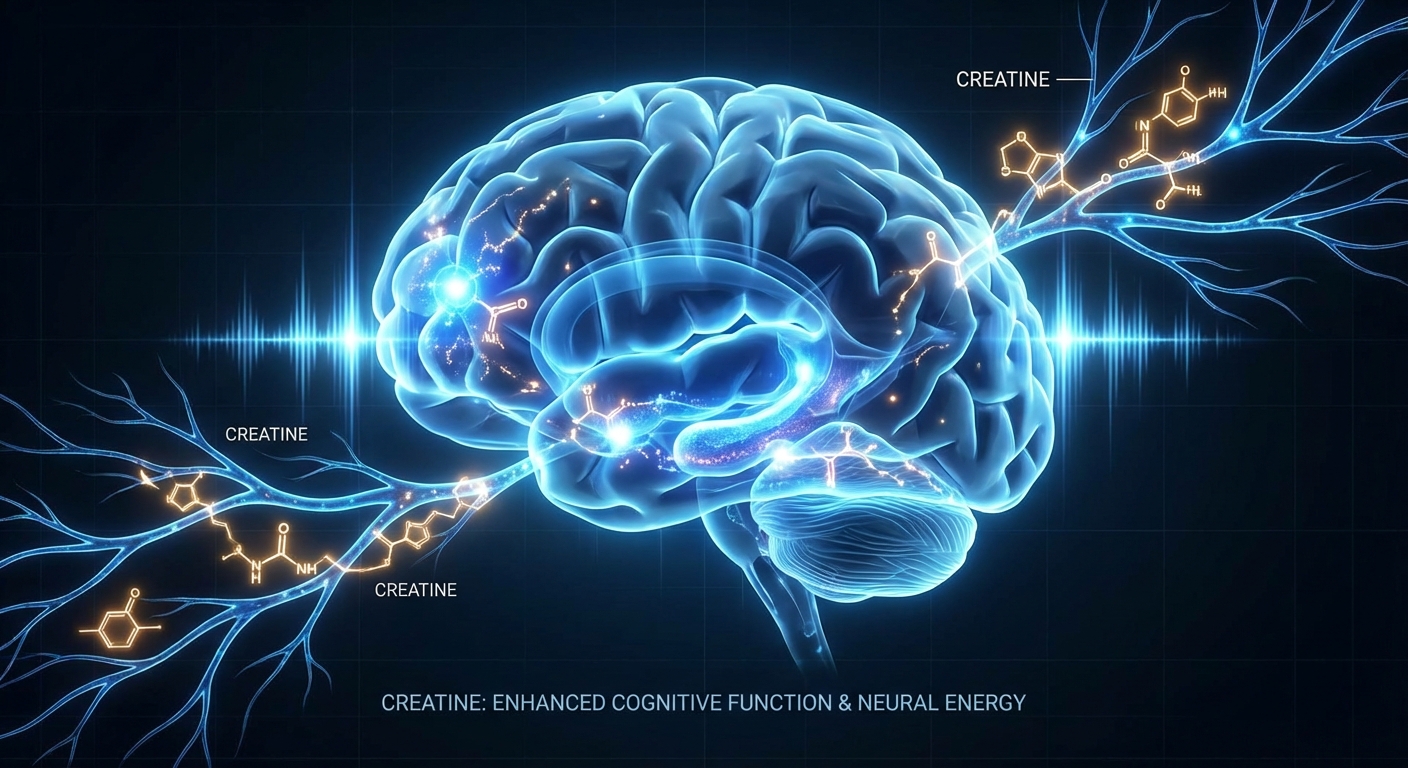
New research shows creatine supplementation may boost memory and protect against cognitive decline. Here's what the science actually supports.
A Ben-Gurion University study found diet-induced weight loss triggered temporary brain inflammation in mid-aged mice, raising questions about age-specific approaches.
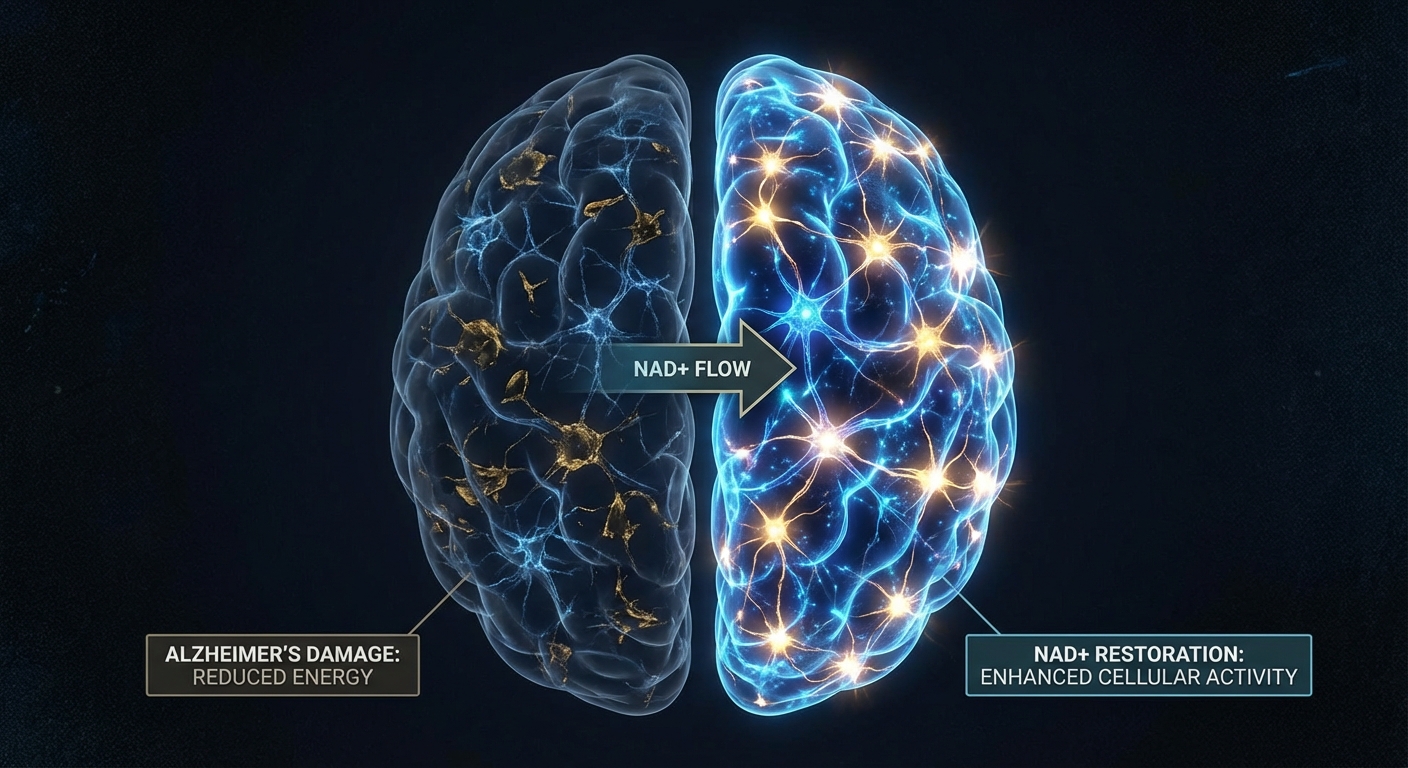
Groundbreaking research shows NAD+ restoration reversed cognitive decline in mice, offering new hope for treating the previously irreversible disease.
Swedish researchers tracked 27,670 adults for 25 years and found those eating more high-fat cheese had lower dementia rates. Here's the nuanced truth.
Research on 1,164 adults reveals that higher muscle mass correlates with younger brain age, while visceral fat accelerates cognitive aging. Here's what it means for your fitness strategy.
A Welsh vaccination policy created a natural experiment revealing that the shingles vaccine may prevent dementia and slow its progression in those already diagnosed.
A massive UK Biobank imaging study reveals UPFs alter brain structure in regions controlling appetite and reward, creating self-reinforcing overconsumption cycles.
New research confirms a worldwide omega-3 deficiency affecting brain, heart, and cellular health. Here's what the science shows and how to close the gap.
New research links low brain choline levels to anxiety disorders. Discover how this essential nutrient supports mental health and where to find it.
Brain-derived neurotrophic factor (BDNF) drives neuroplasticity, and you can increase it through lifestyle.