mental health
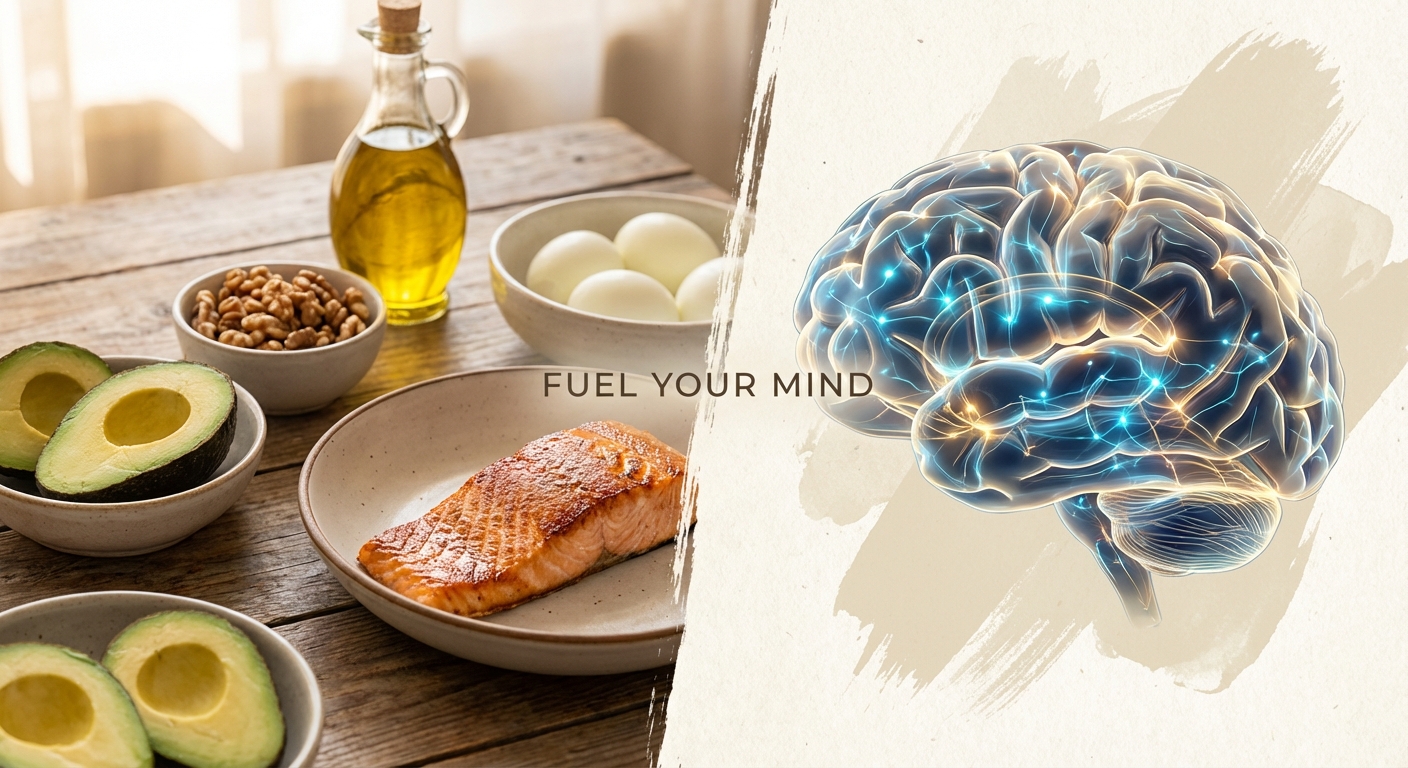
Ketogenic Diet for Depression: What Research Reveals
A new meta-analysis of 50 studies and 41,000 participants finds ketogenic diets reduce depression symptoms. Here's the evidence, the mechanisms, and what it means.

26 articles tagged with "mental health"
A new meta-analysis of 50 studies and 41,000 participants finds ketogenic diets reduce depression symptoms. Here's the evidence, the mechanisms, and what it means.

Exercise with others provides benefits beyond solo workouts. Here's what the research shows about social fitness and why community-based exercise is trending.

The trend toward 'analogue wellness' and digital detox reflects growing research on screen time and mental health. Here's the evidence and how to implement it.

New research challenges the 'consistent sleep schedule' advice, finding that letting teenagers sleep in on weekends may protect their mental health.
A new study finds that teens and young adults who sleep in on weekends have significantly lower depression risk, challenging assumptions about consistent sleep schedules.
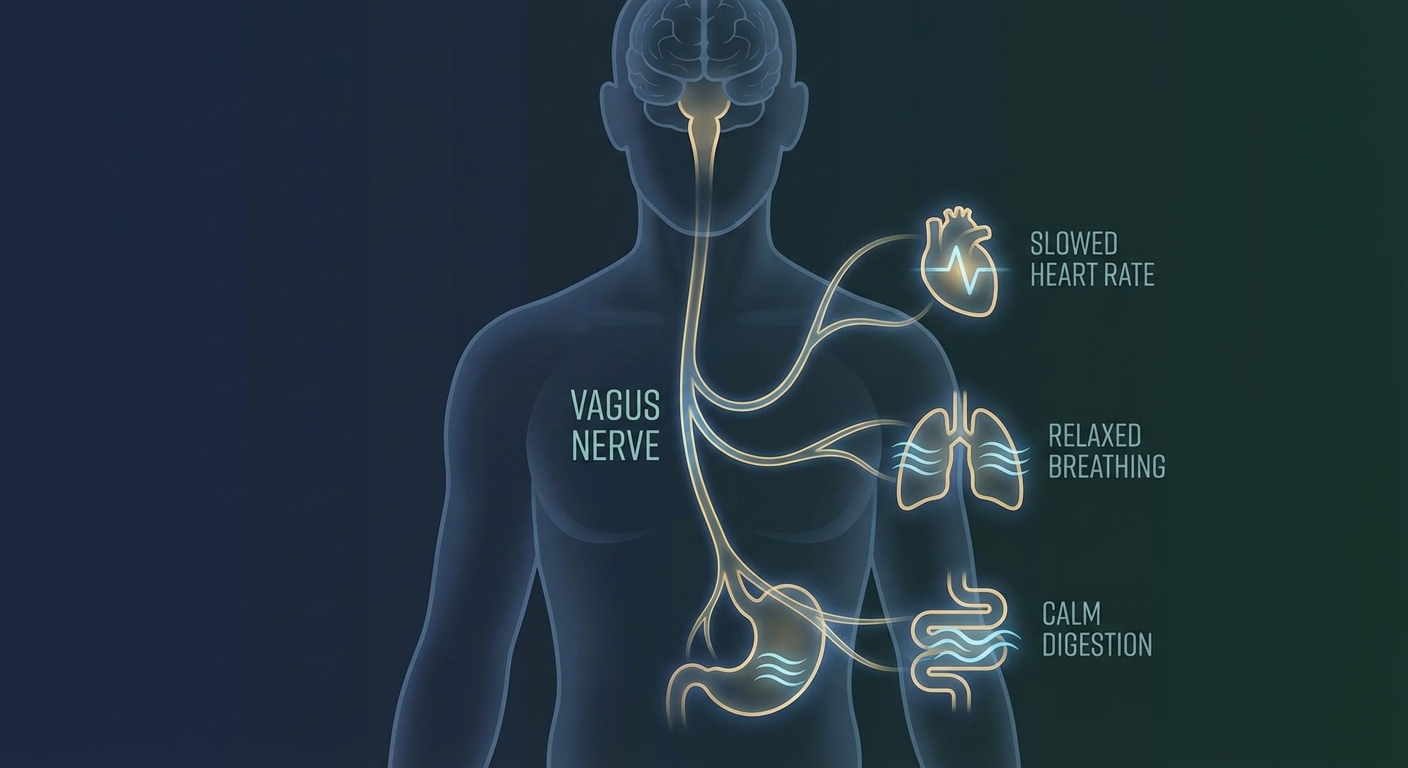
The vagus nerve is having a moment. Here's what the science says about nervous system regulation and why somatic practices actually work.
Your tolerance for carbon dioxide predicts your anxiety levels. Research shows that training this tolerance through breathing practice can rewire your stress response.

Ice baths boost dopamine by 250% and offer real benefits, but the research is more nuanced than influencers suggest. Here's what the science actually says.
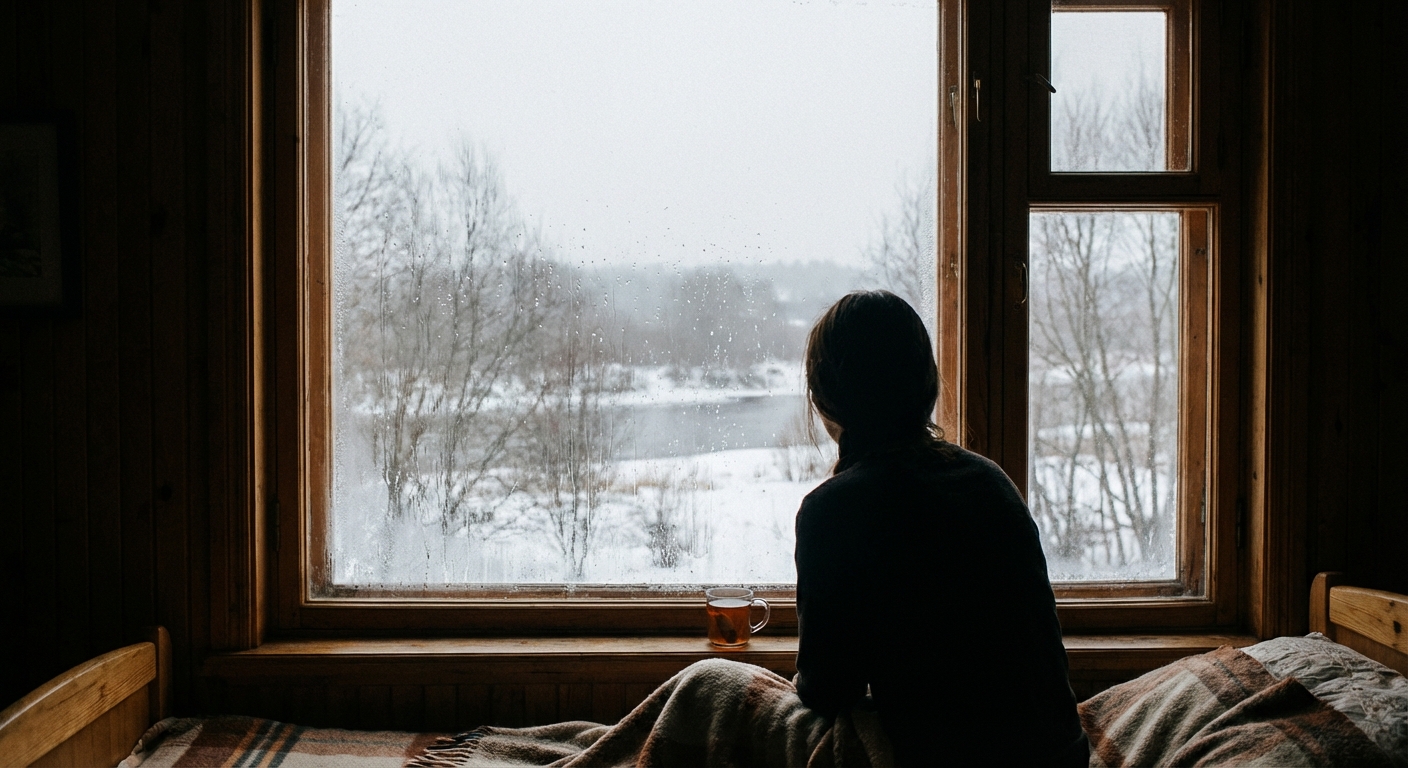
Mental health professionals report unprecedented SAD severity this year. The explanation lies in how multiple stressors amplify seasonal depression beyond what darkness alone would cause.

New research links low brain choline levels to anxiety disorders. Discover how this essential nutrient supports mental health and where to find it.
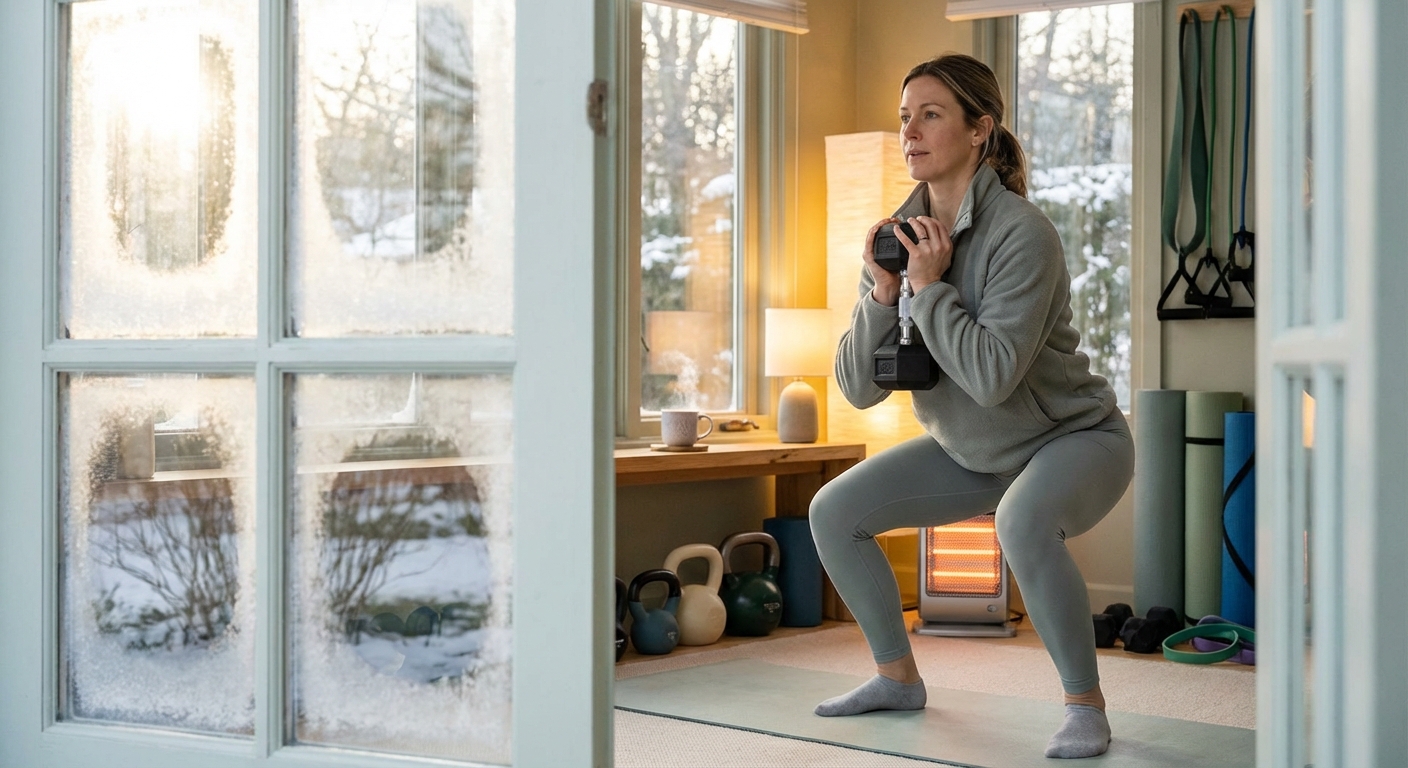
Research shows resistance training releases BDNF and reduces depression and anxiety. Here's how to use strength work to fight winter mood dips.
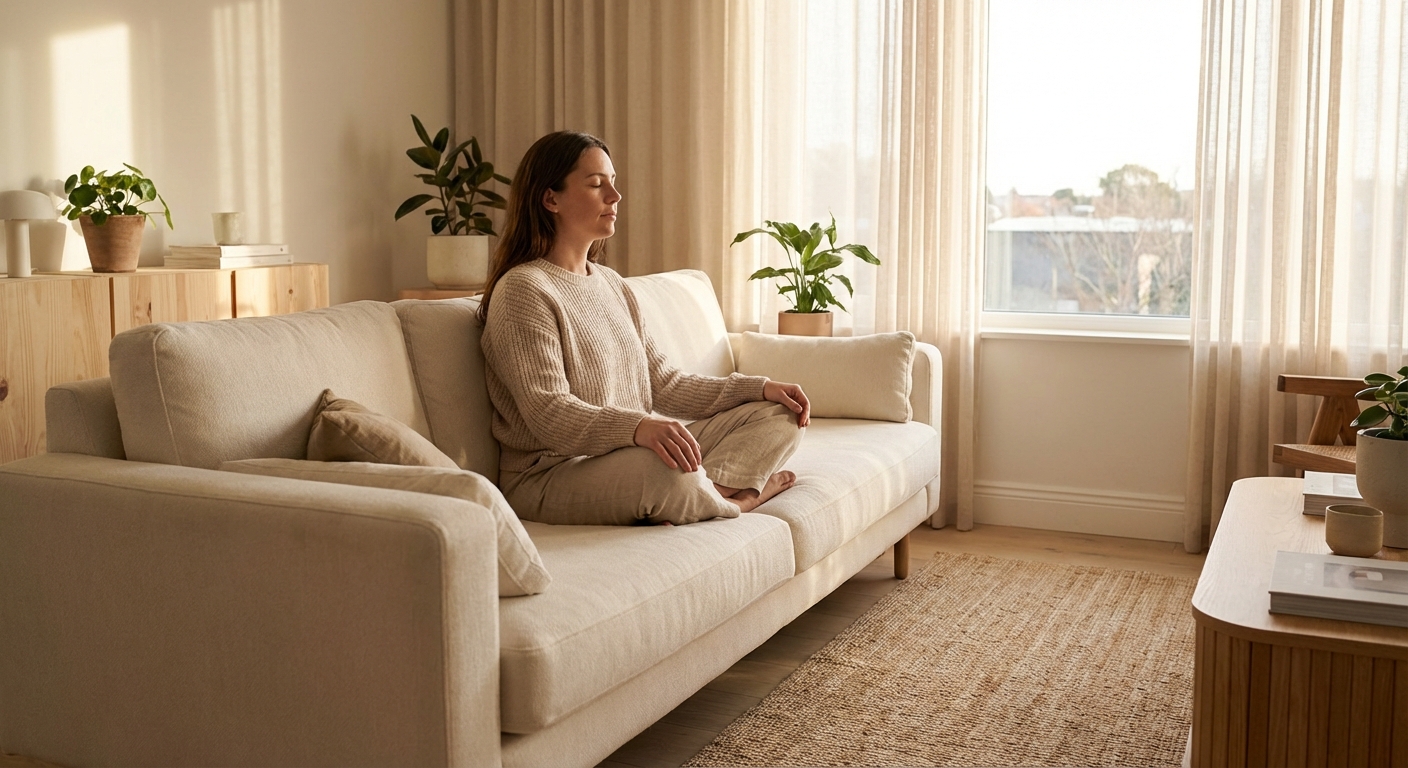
You don't need 20 minutes or a quiet room to start meditating. Research shows 3 minutes daily builds the neural pathways that reduce anxiety and improve focus.