The DEA extended telemedicine prescribing through 2026. Here's what that means for your healthcare, which services are available, and how to use them effectively.


The DEA extended telemedicine prescribing through 2026. Here's what that means for your healthcare, which services are available, and how to use them effectively.
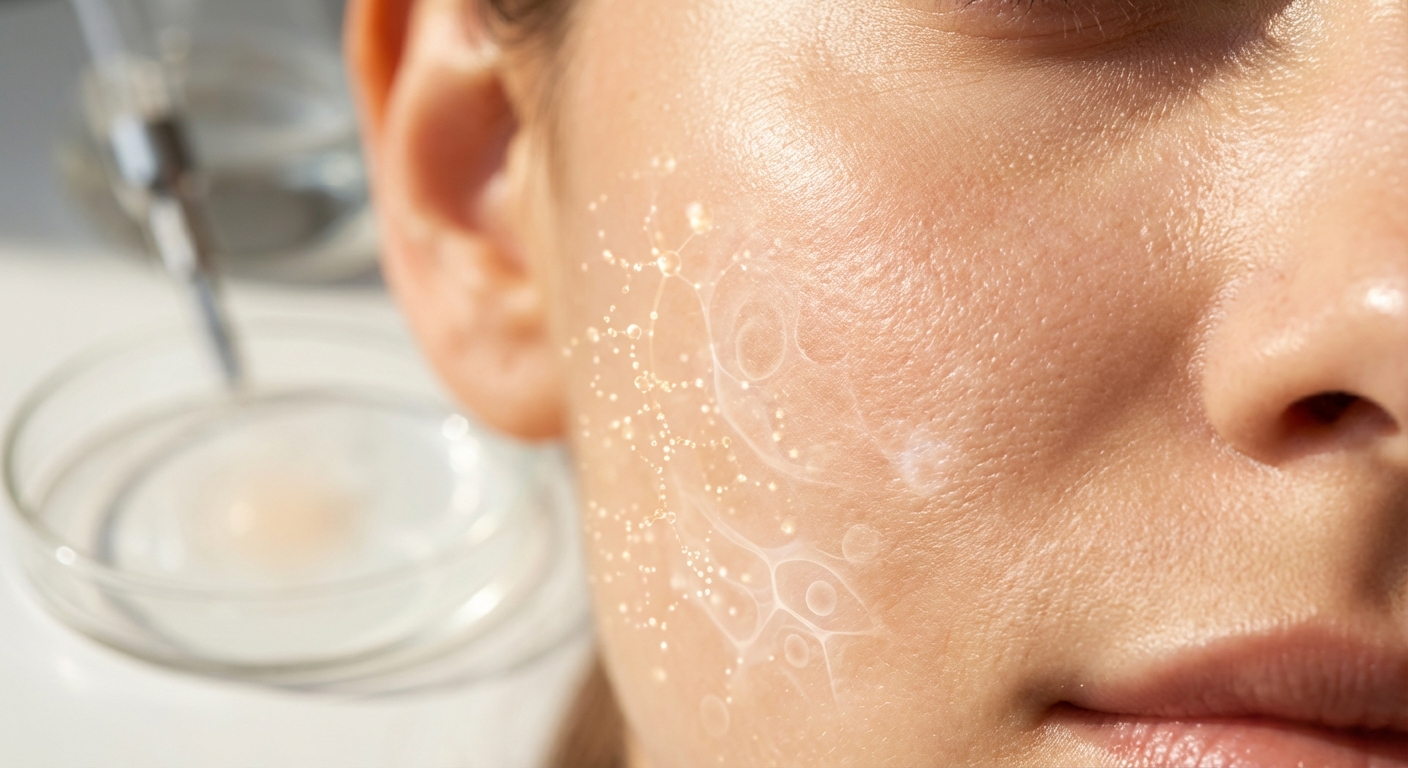
The beauty industry is replacing 'anti-aging' with 'skin longevity.' Here's the actual science behind cellular resilience, and what protocols protect skin long-term.
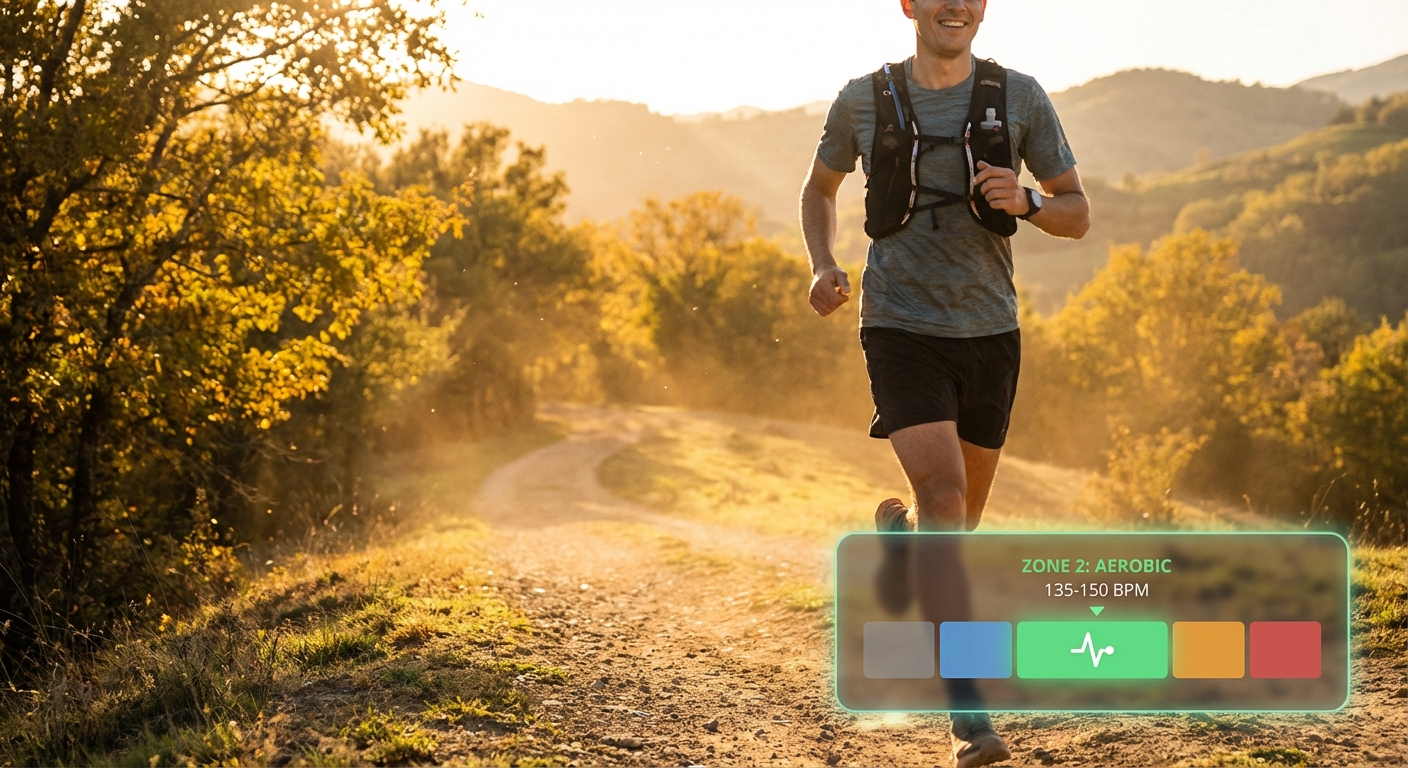
Zone 2 cardio has been called the longevity exercise. But a 2025 narrative review challenges whether it's actually optimal. Here's what the latest evidence says.
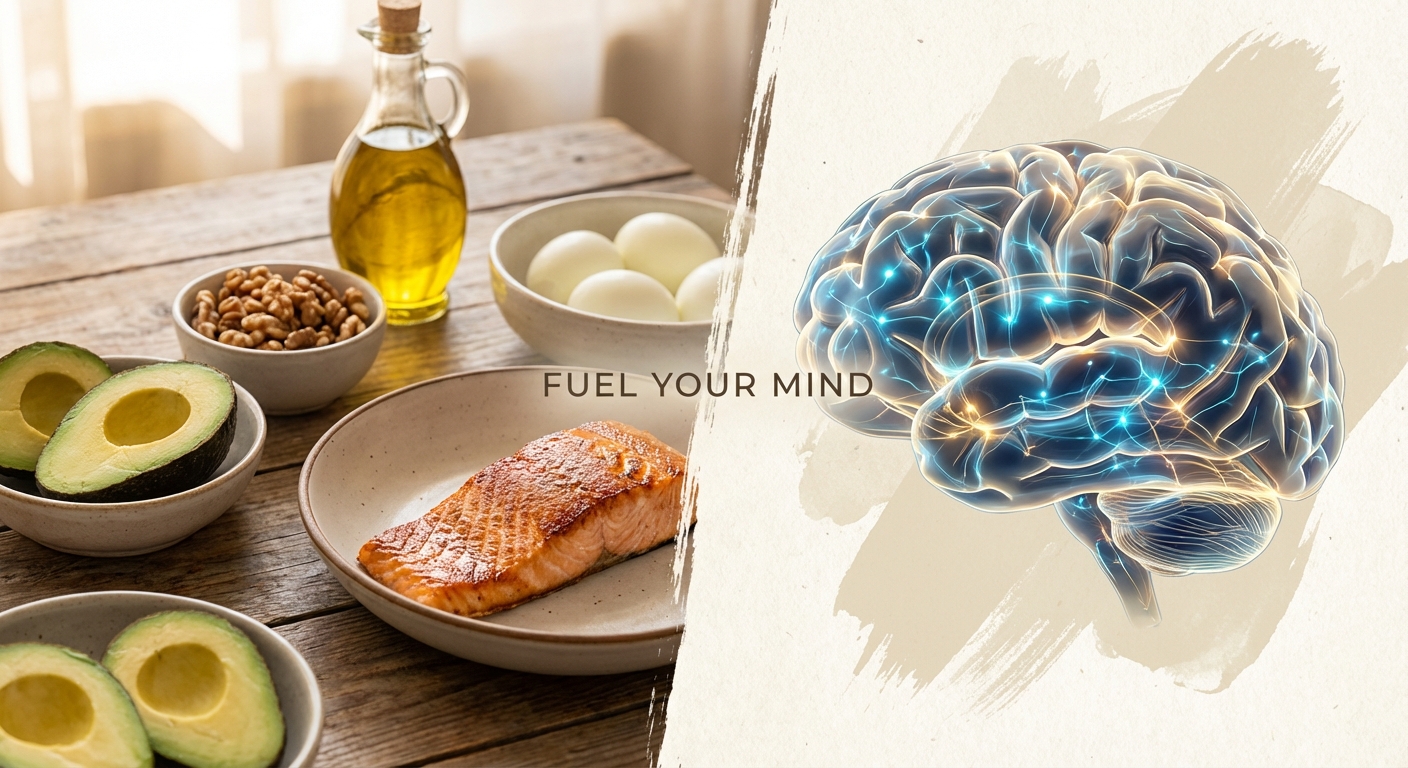
A new meta-analysis of 50 studies and 41,000 participants finds ketogenic diets reduce depression symptoms. Here's the evidence, the mechanisms, and what it means.
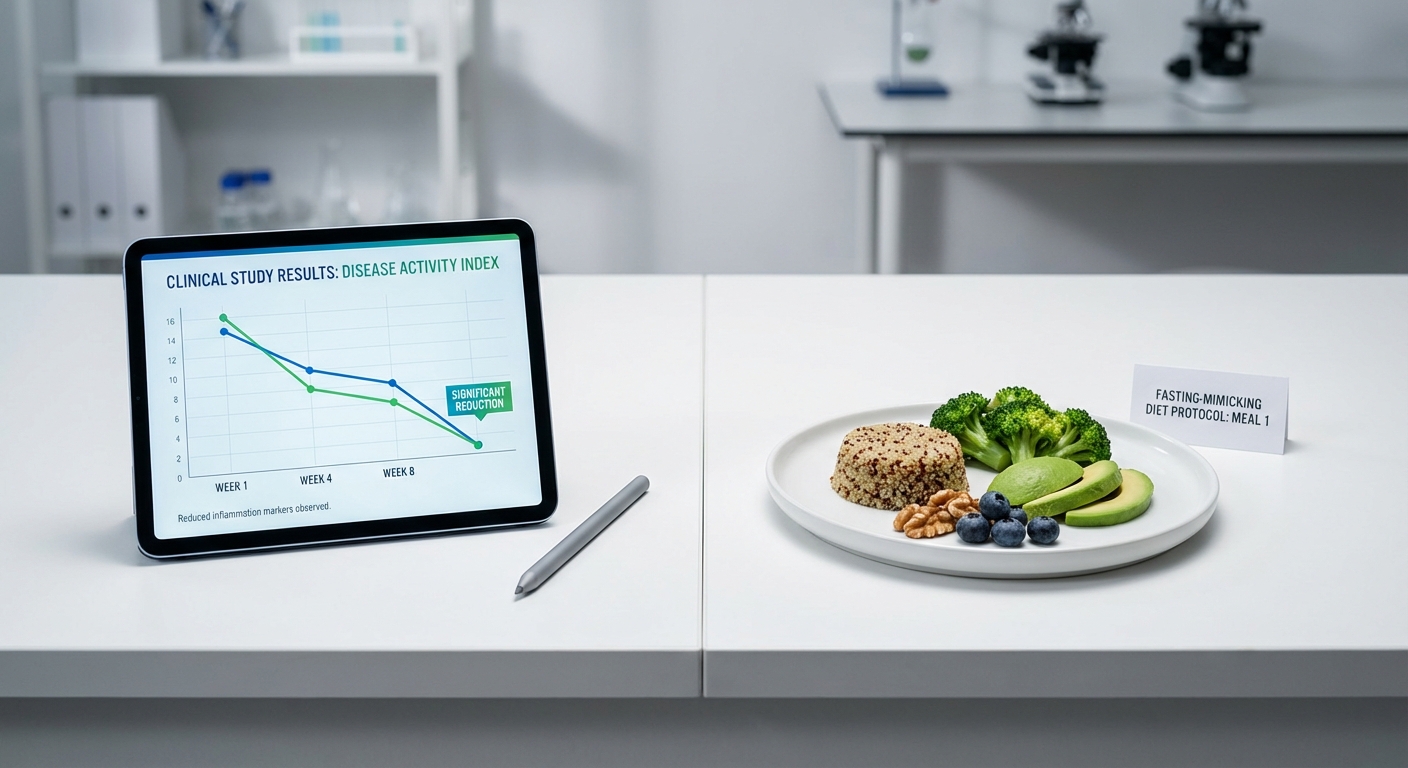
Two clinical trials show intermittent fasting and fasting-mimicking diets reduce Crohn's disease activity by up to 40%. Here's what the science found.
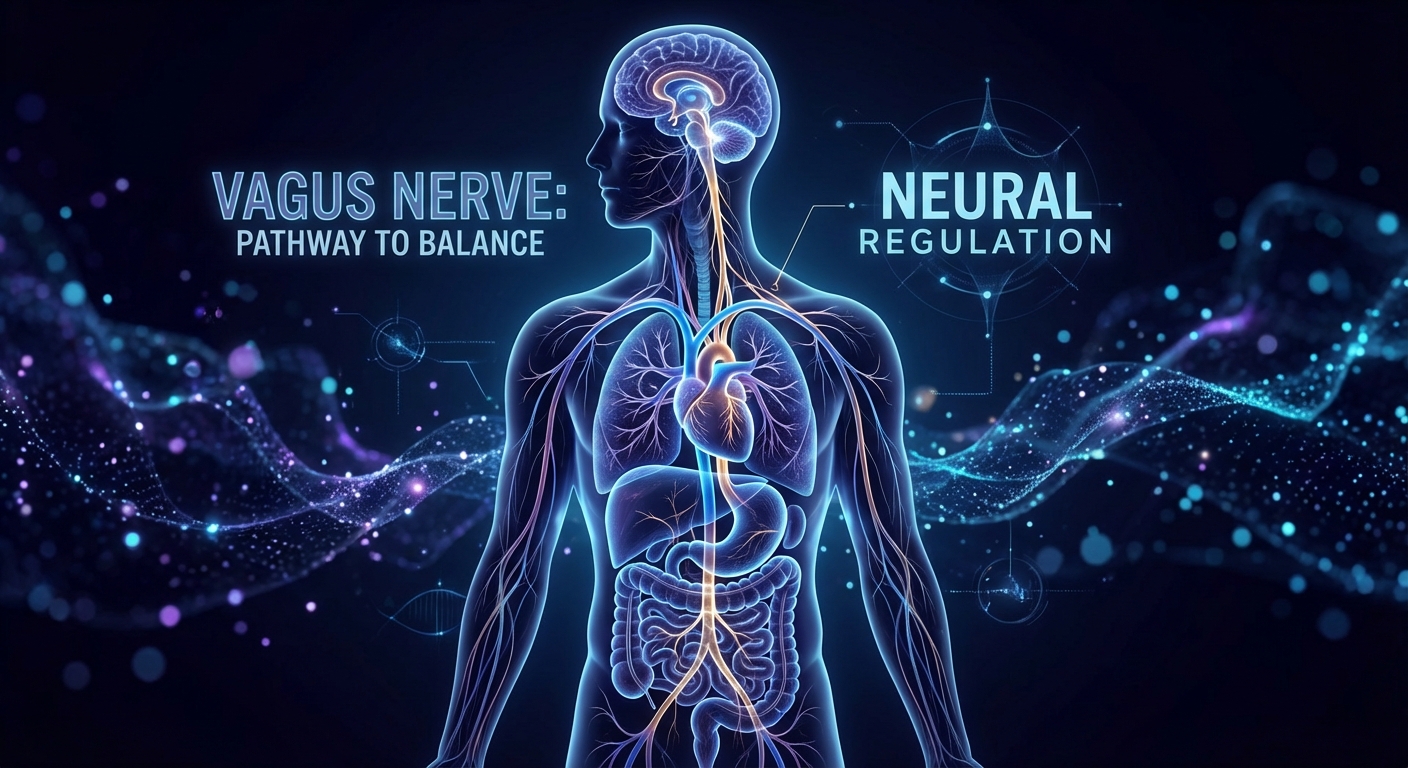
Neurowellness has become the biggest wellness trend of 2026. Here's the science behind nervous system regulation and practical protocols to calm a system stuck in overdrive.
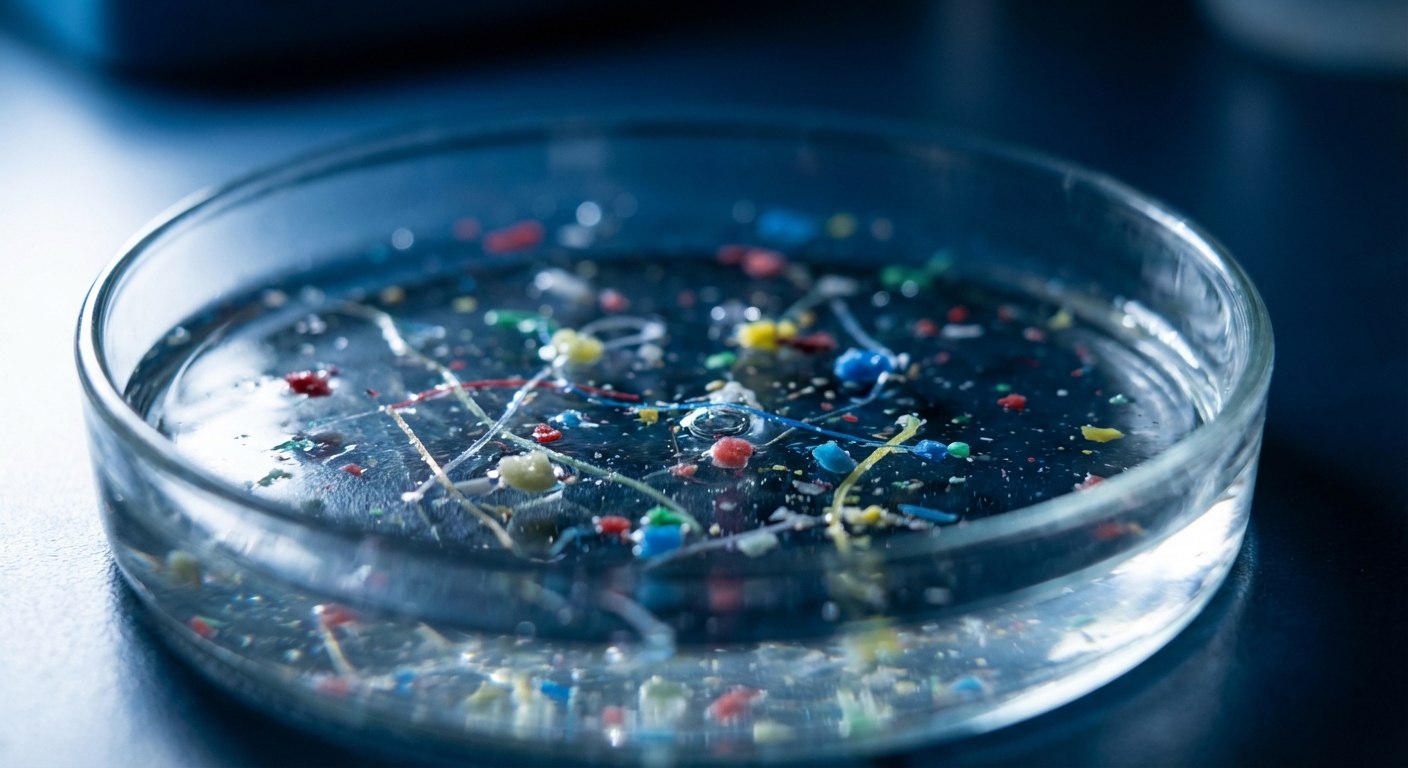
Microplastics are in your food, water, and body. Here's what the latest research reveals about health risks and how to meaningfully reduce your exposure.
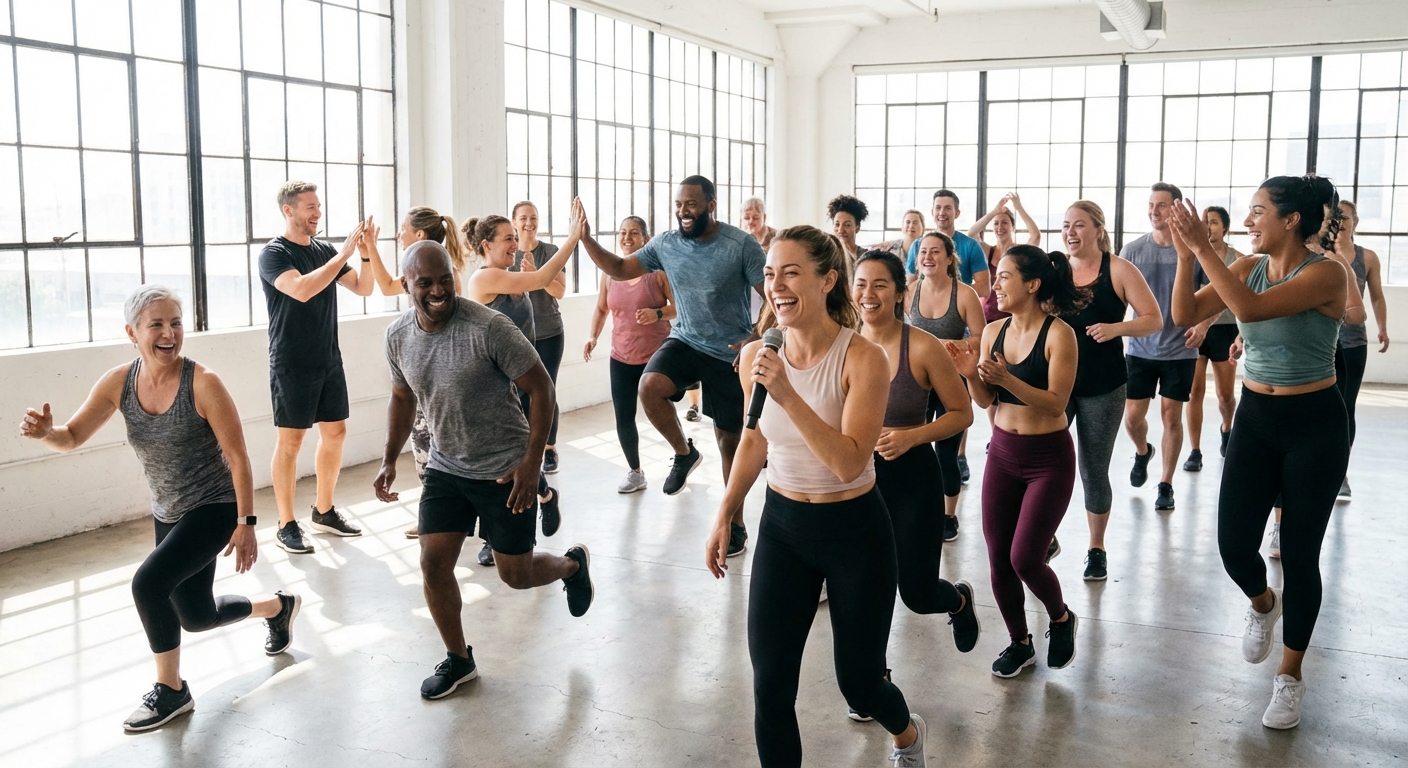
Exercise with others provides benefits beyond solo workouts. Here's what the research shows about social fitness and why community-based exercise is trending.
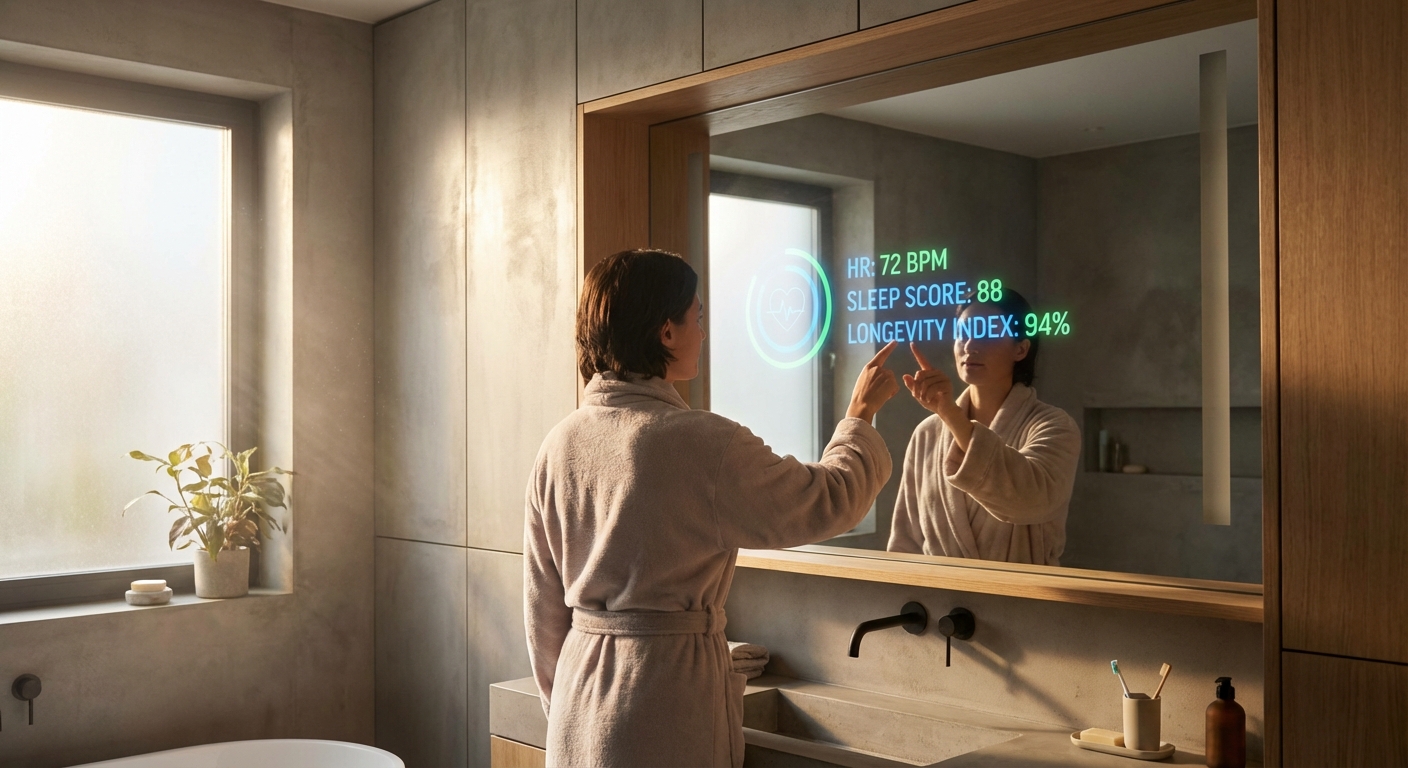
From AI-powered mirrors to continuous glucose monitors, longevity technology is moving from labs to living rooms. Here's what works and what to expect.

The trend toward 'analogue wellness' and digital detox reflects growing research on screen time and mental health. Here's the evidence and how to implement it.
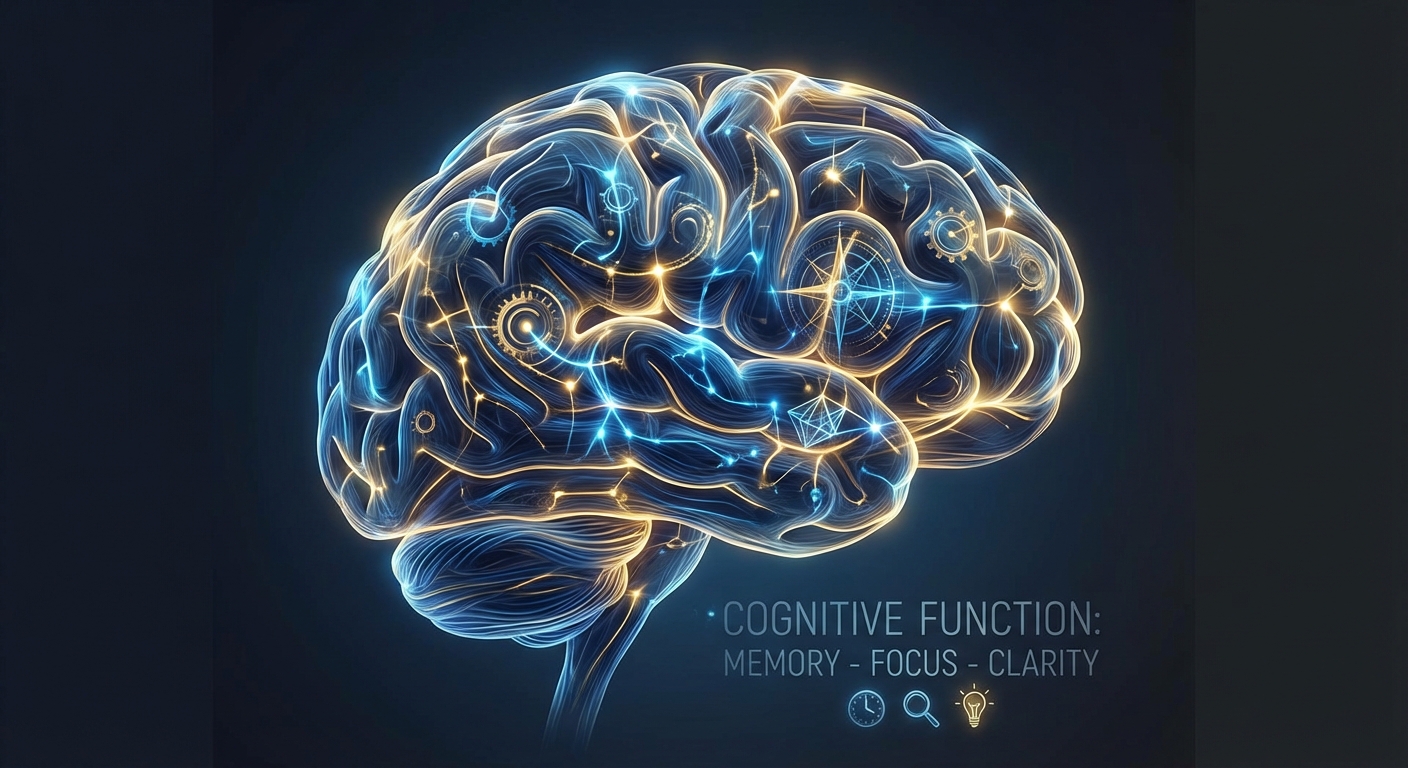
Cognitive wellness has become a health category of its own. Here's what actually works to protect and enhance brain function, backed by current research.
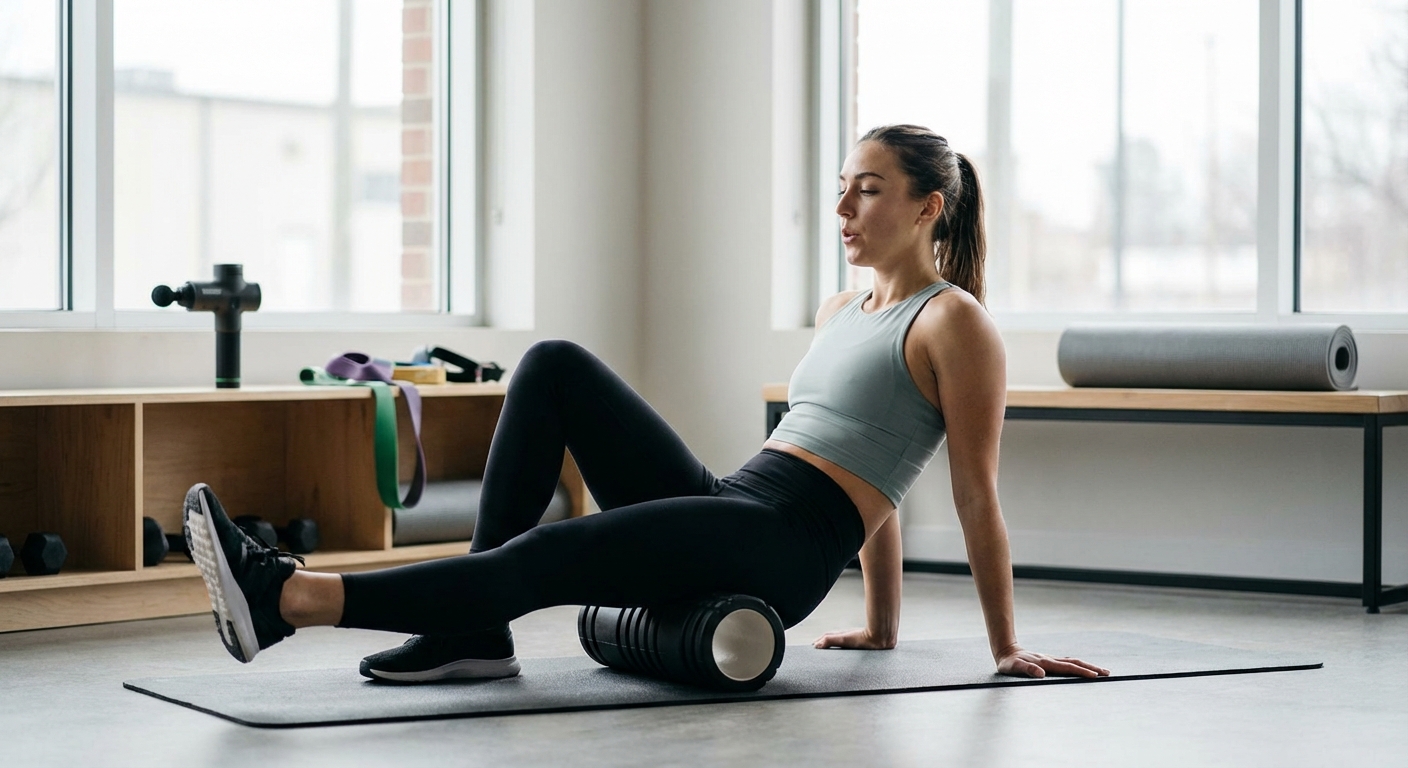
Recovery has evolved from passive rest to an active science. Here's how strategic recovery protocols can accelerate your gains and prevent burnout.