A 30-year JACC study of 198,473 adults found both low-carb and low-fat diets reduce heart disease risk, but only when built on whole foods. Unhealthy versions of either diet increase risk.
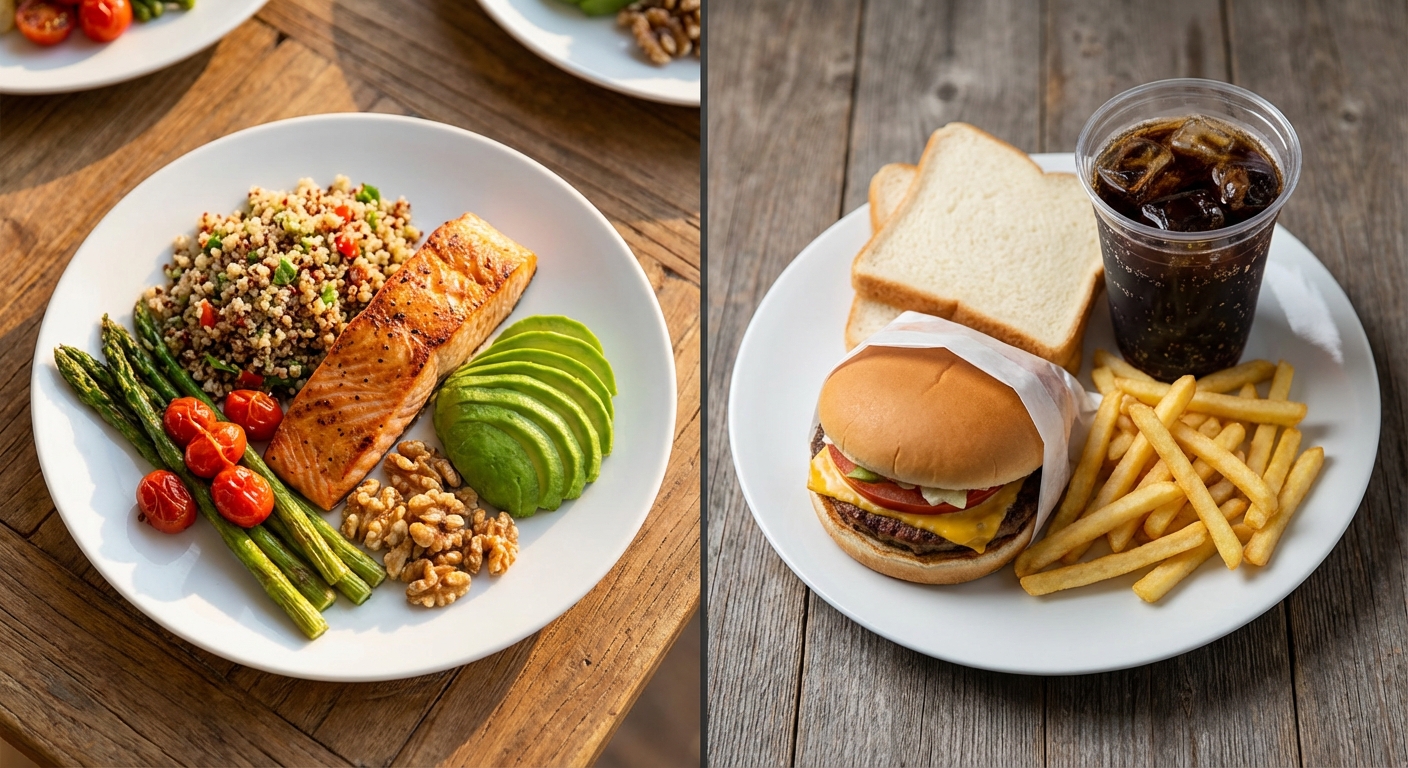


A 30-year JACC study of 198,473 adults found both low-carb and low-fat diets reduce heart disease risk, but only when built on whole foods. Unhealthy versions of either diet increase risk.
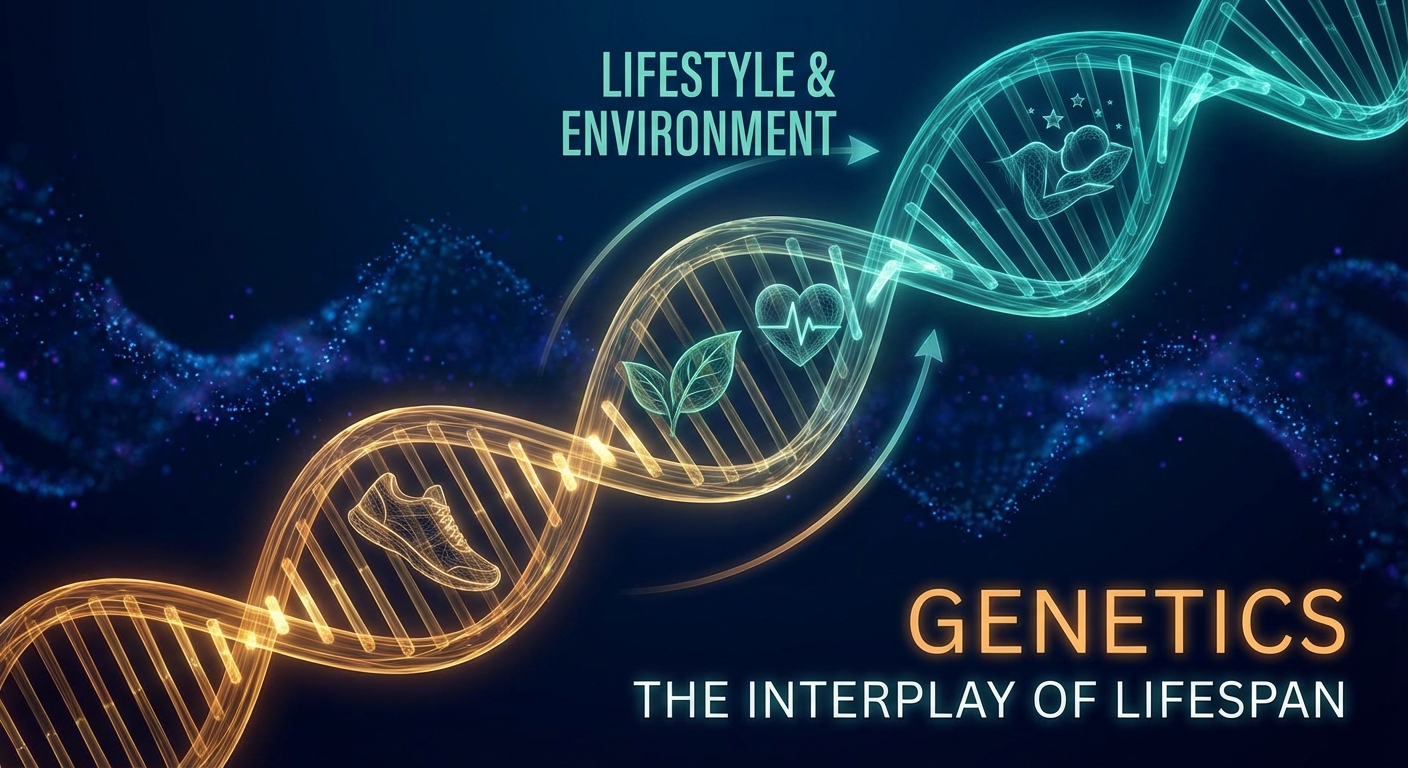
A landmark Science study upends decades of research, finding genetics account for over half of lifespan variation once accidental deaths are separated from biological aging.

A landmark seven-year study of nearly 2,800 Australian adults reveals hearing aids significantly reduced dementia risk, even when cognitive tests showed no measurable improvement.
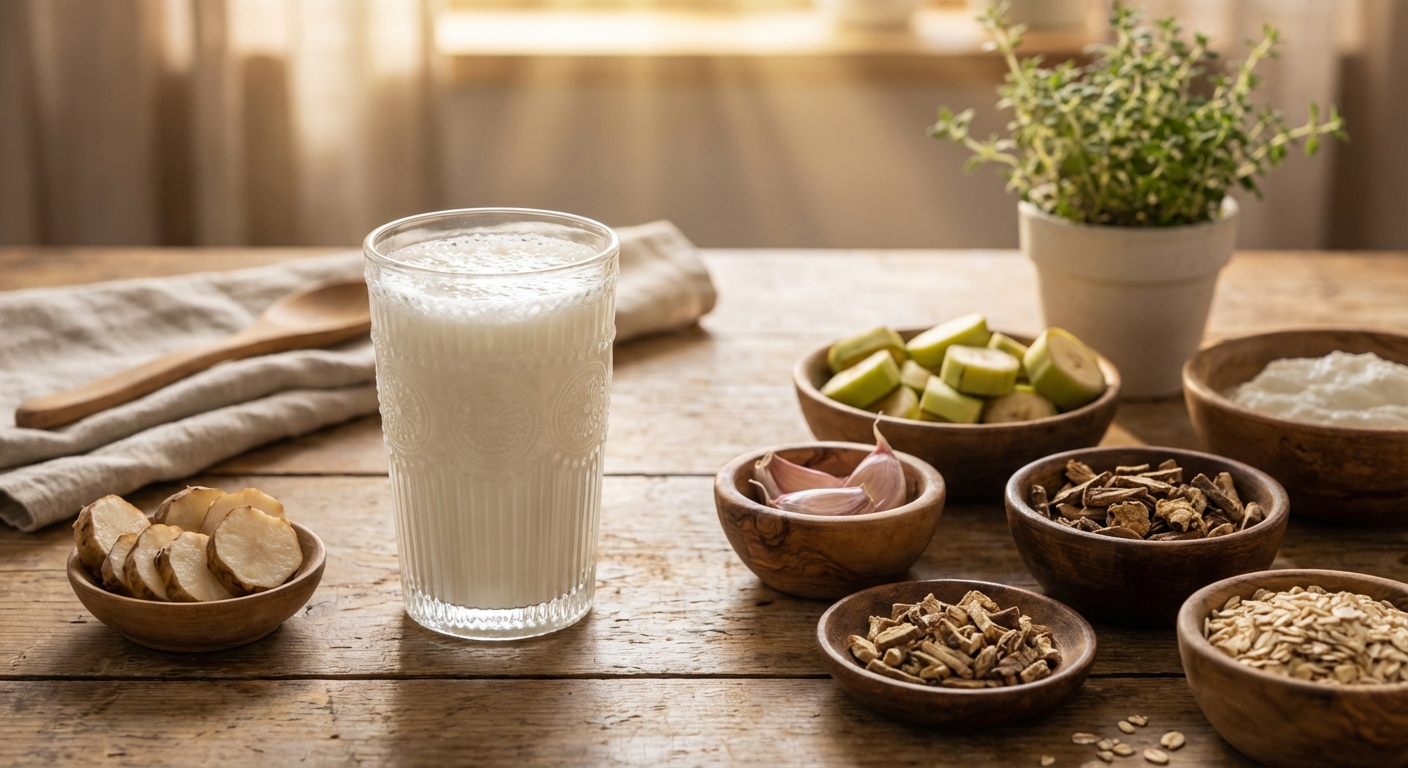
A University of Nottingham study finds that pairing fermented kefir with prebiotic fiber reduces inflammation more effectively than omega-3 supplements or fiber alone.
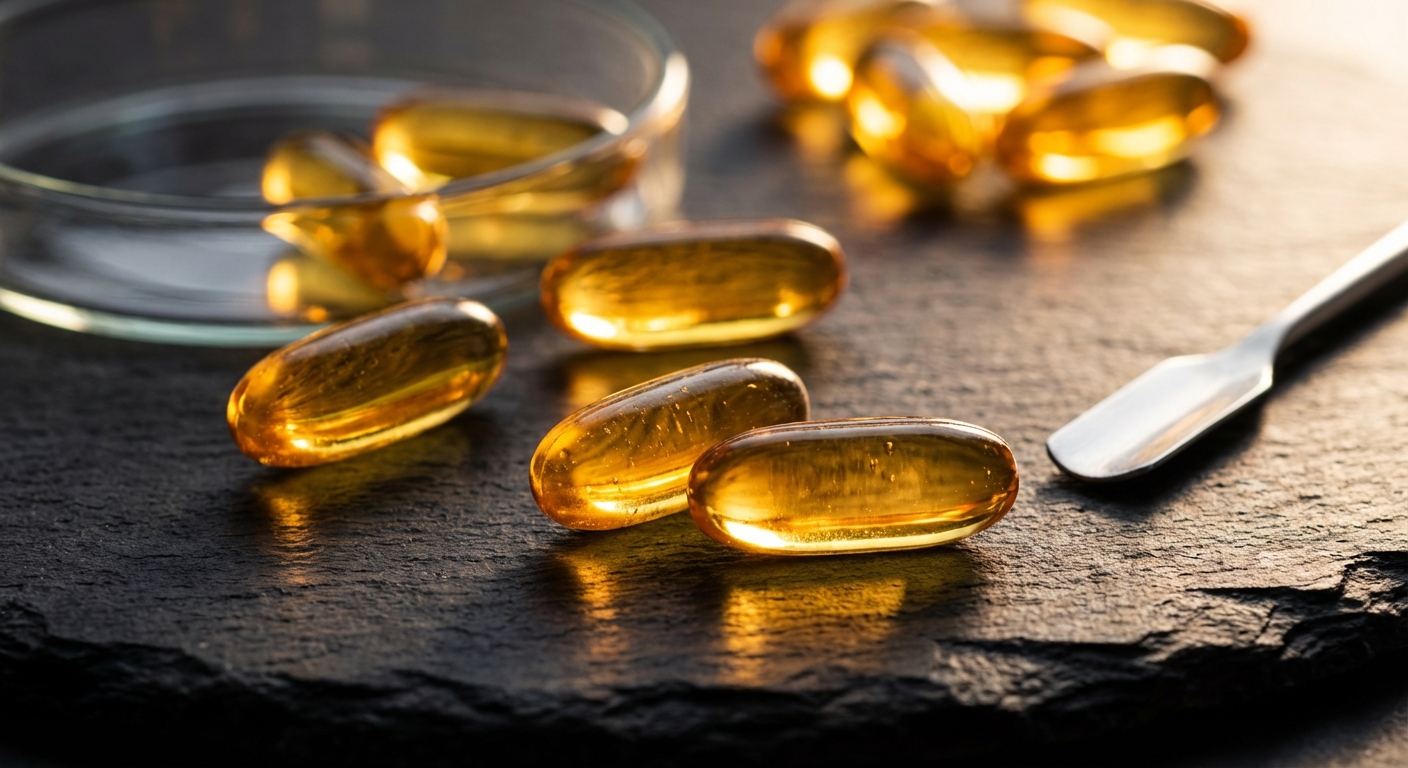
New research reveals the ALOX15 enzyme decides whether omega-3 supplements fight colorectal cancer or potentially fuel it. Here's what it means.
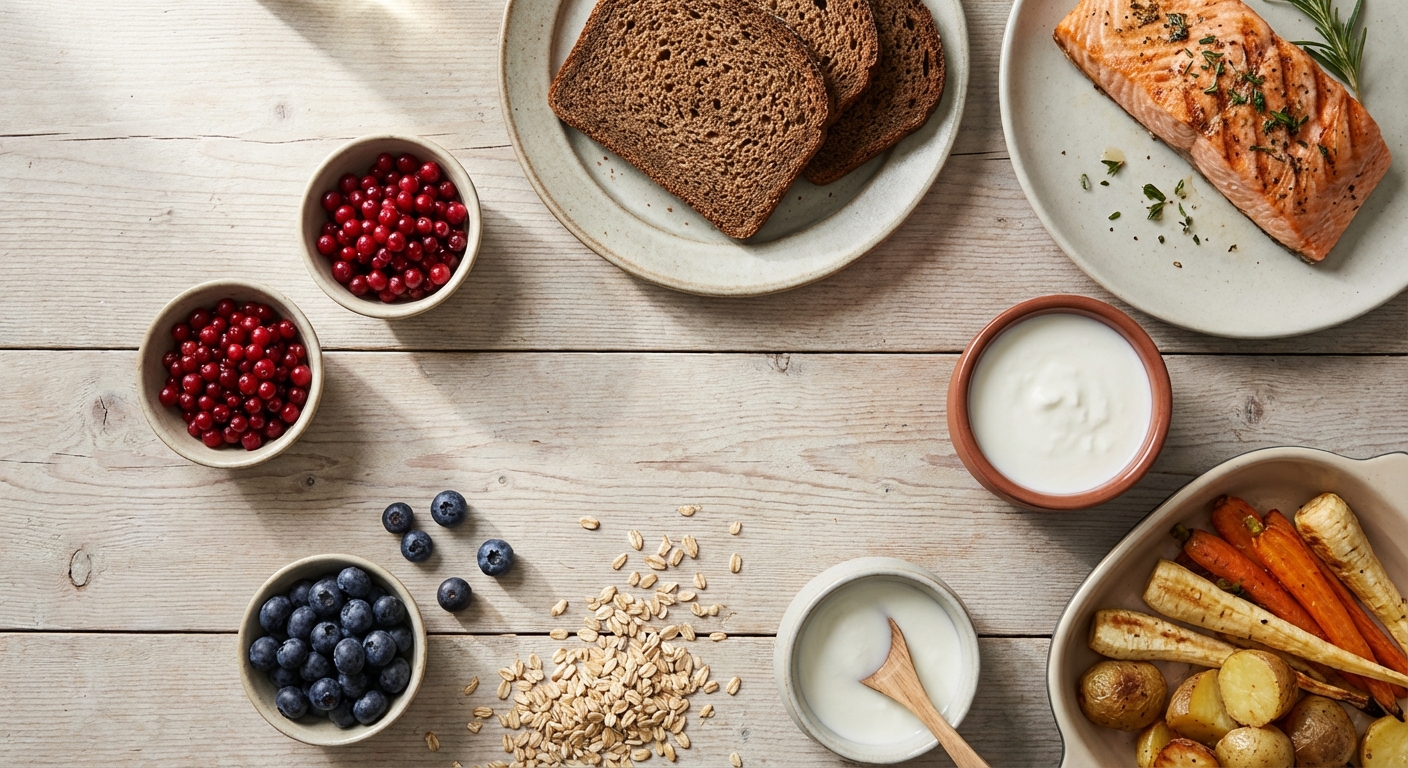
A 28-year study of 76,000 Swedes finds that following Nordic dietary guidelines cuts mortality by 23%. The diet also benefits the planet.

A 10-minute walk after eating reduces glucose spikes by up to 17%. Here's exactly when, how long, and how fast to walk for optimal blood sugar control.

Romantic and social bonds don't just feel good. They lower blood pressure, reduce inflammation, and cut cardiovascular mortality risk by up to 42%.

The largest exercise study in sports science history followed 15,000 people and found that one 20-minute session per week produced 30-50% strength gains.

Hospitals are redesigning emergency departments with embedded psychiatric care, calming spaces, and crisis stabilization units. Here's what's changing and why it matters.
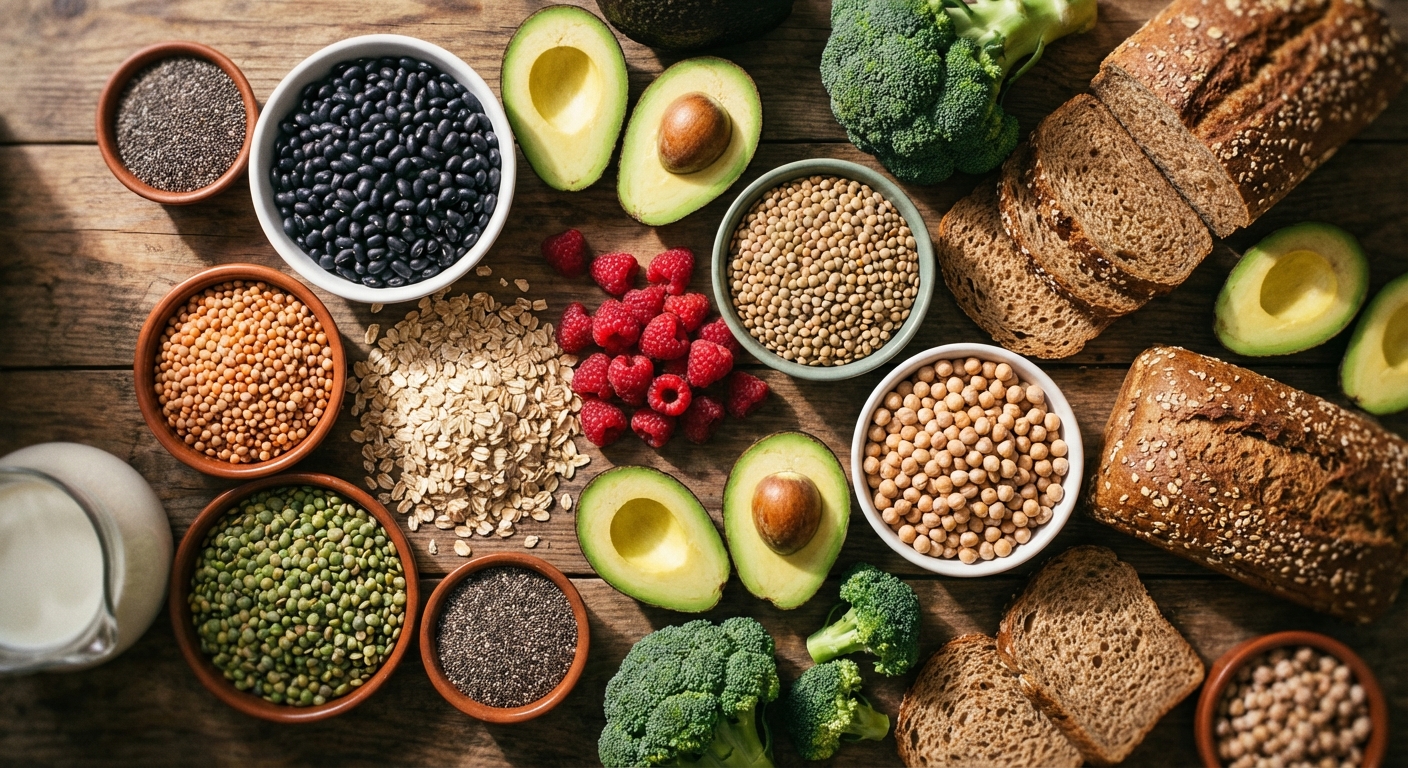
Fibermaxxing is the top nutrition trend of 2026, but most Americans still eat half the recommended fiber. Here's what the science says and how to start.
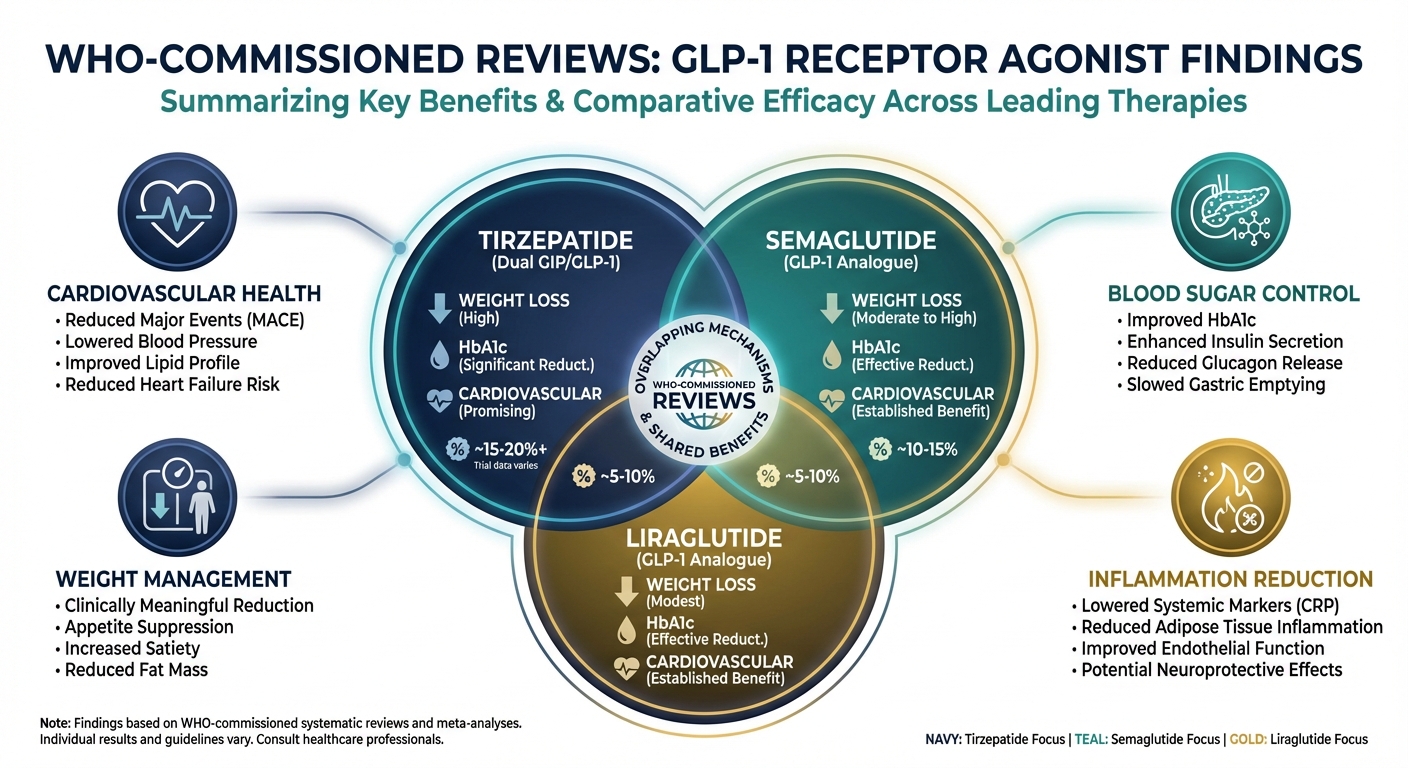
Three WHO-commissioned systematic reviews analyzed GLP-1 drugs across 44,000+ participants. The findings go well beyond the scale. Here's what matters.