Scientists at Tufts have engineered bacteria to produce tagatose efficiently. Here's why this rare sugar alternative could change how we think about sweeteners.
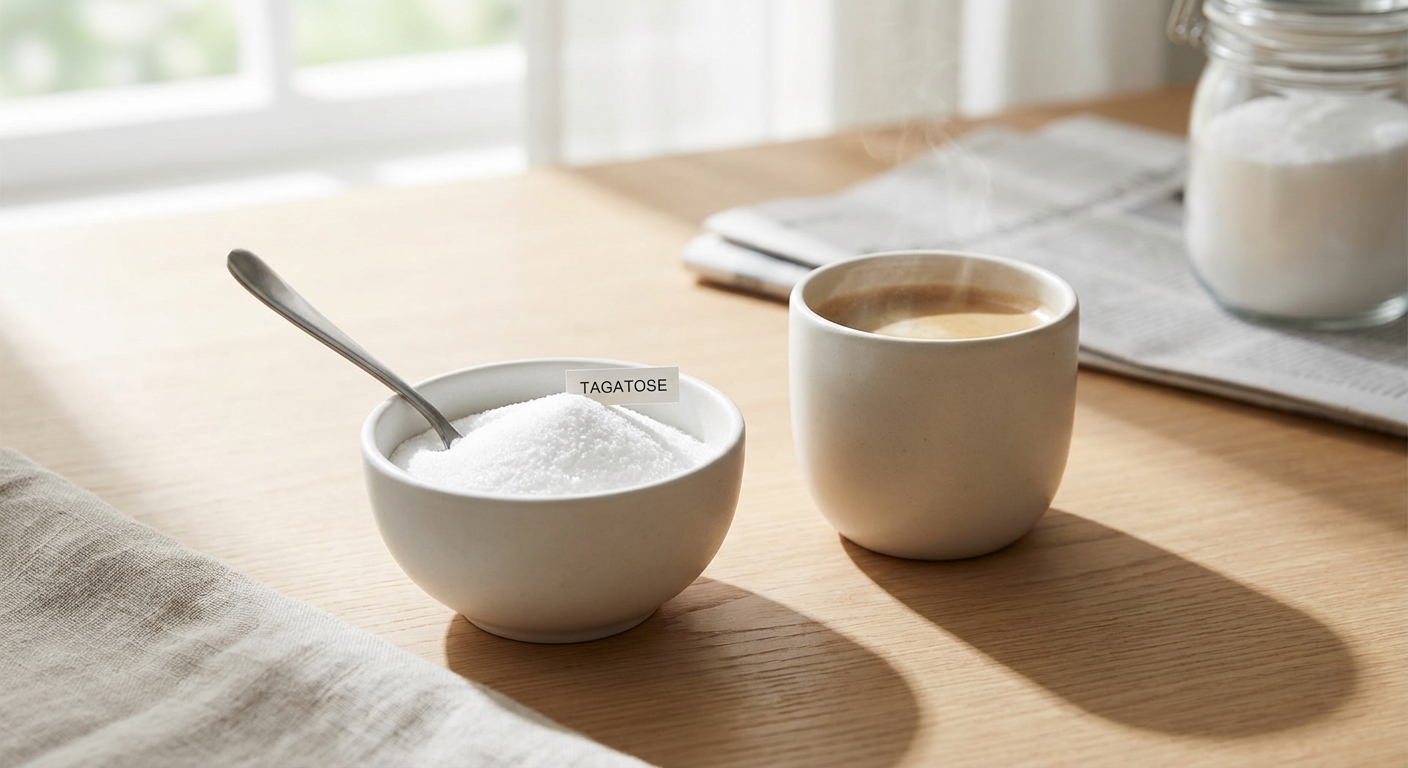


Scientists at Tufts have engineered bacteria to produce tagatose efficiently. Here's why this rare sugar alternative could change how we think about sweeteners.

New research reveals bamboo shoots offer significant benefits for blood sugar control, inflammation, and digestive health. Here's what the science shows.

Morning larks and night owls respond differently to exercise timing. Here's how to align your workouts with your chronotype for better results.

A new Virginia Tech study using gold-standard methodology found no evidence that the body reduces energy expenditure elsewhere when you exercise more, debunking a discouraging fitness theory.

A 14-year study of 108,723 adults found that high consumption of everyday preservatives like potassium sorbate and sodium nitrite significantly increases type 2 diabetes risk.

Newcastle University research reveals brief high-intensity workouts trigger exerkines that alter 1,300+ genes in cancer cells, activating DNA repair and suppressing tumor growth.

Chinese researchers identified three novel diterpene esters in roasted coffee that inhibit blood sugar-regulating enzymes more potently than the prescription medication acarbose.

Pentadecanoic acid (C15:0) shares cell-protective activities with rapamycin and metformin, and people in blue zones have significantly higher levels. Here's what the research shows.

Rigorous demographic analysis confirms blue zones are legitimate longevity laboratories, with lifestyle factors, not genetics, driving exceptional lifespans.
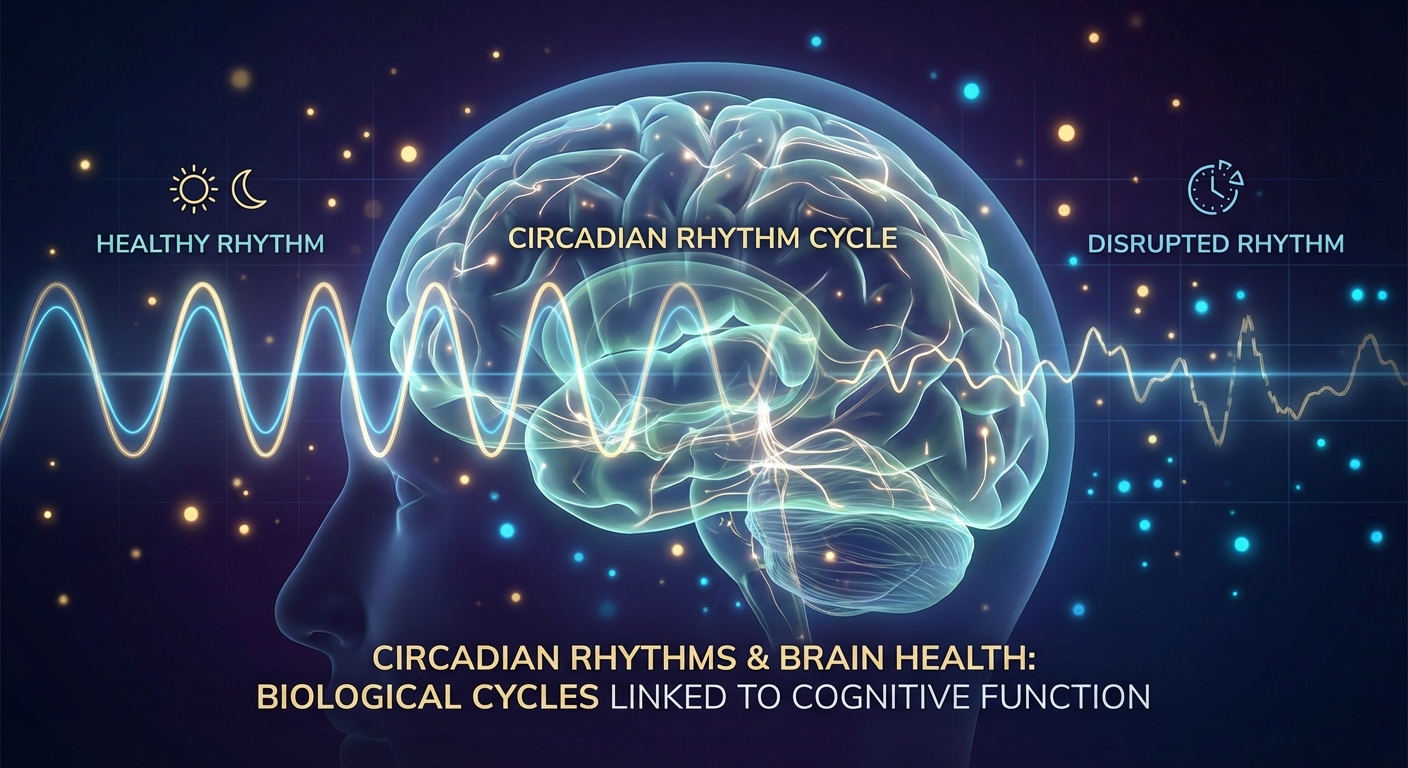
New research reveals that disrupted daily activity patterns may be an early warning sign for cognitive decline, with actionable steps to strengthen your biological clock.

SleepFM analyzes your brain, heart, and breathing patterns during sleep to identify Parkinson's, cancer, and dementia years before symptoms appear.

New research challenges the 'consistent sleep schedule' advice, finding that letting teenagers sleep in on weekends may protect their mental health.