Aligning exercise with your circadian rhythm can boost performance by 20% and improve recovery. Here's how to find your optimal training windows.
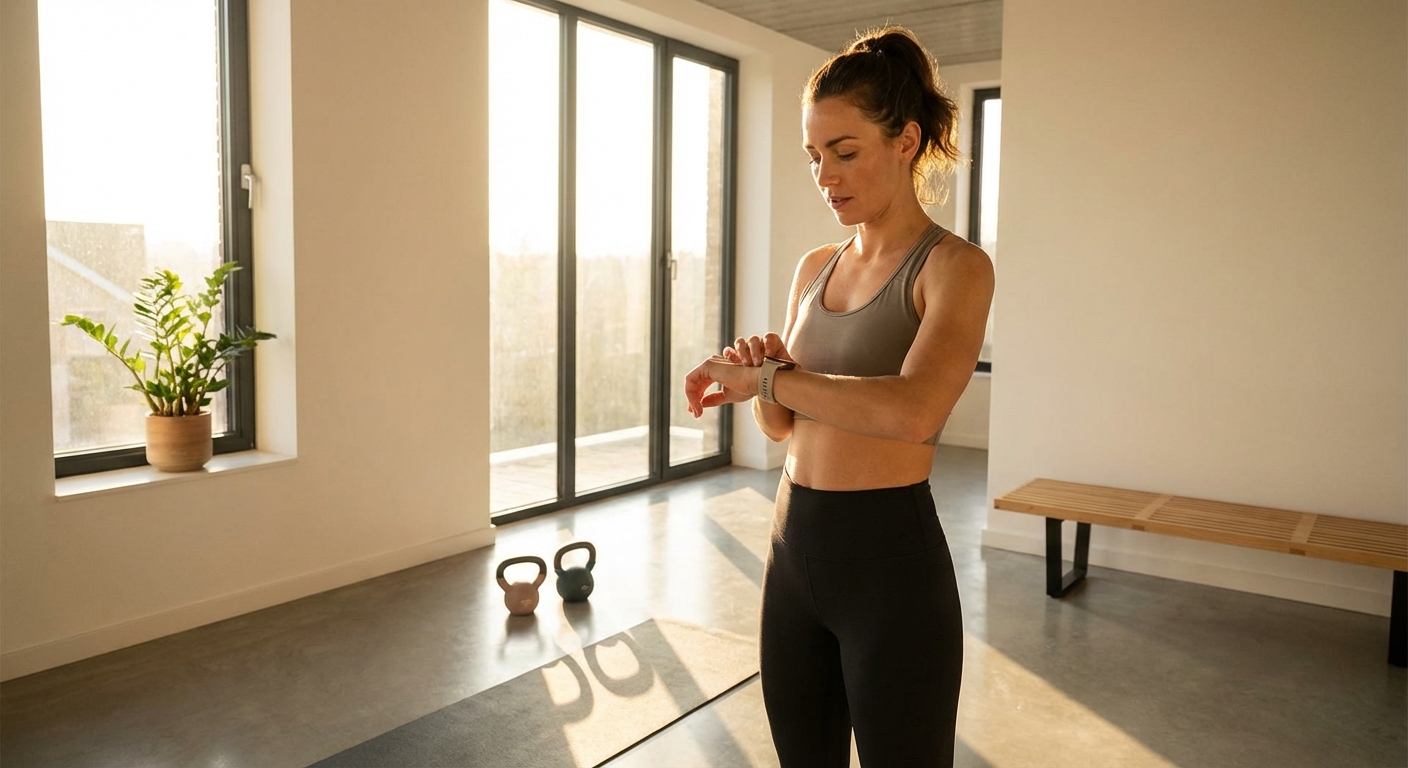

Aligning exercise with your circadian rhythm can boost performance by 20% and improve recovery. Here's how to find your optimal training windows.
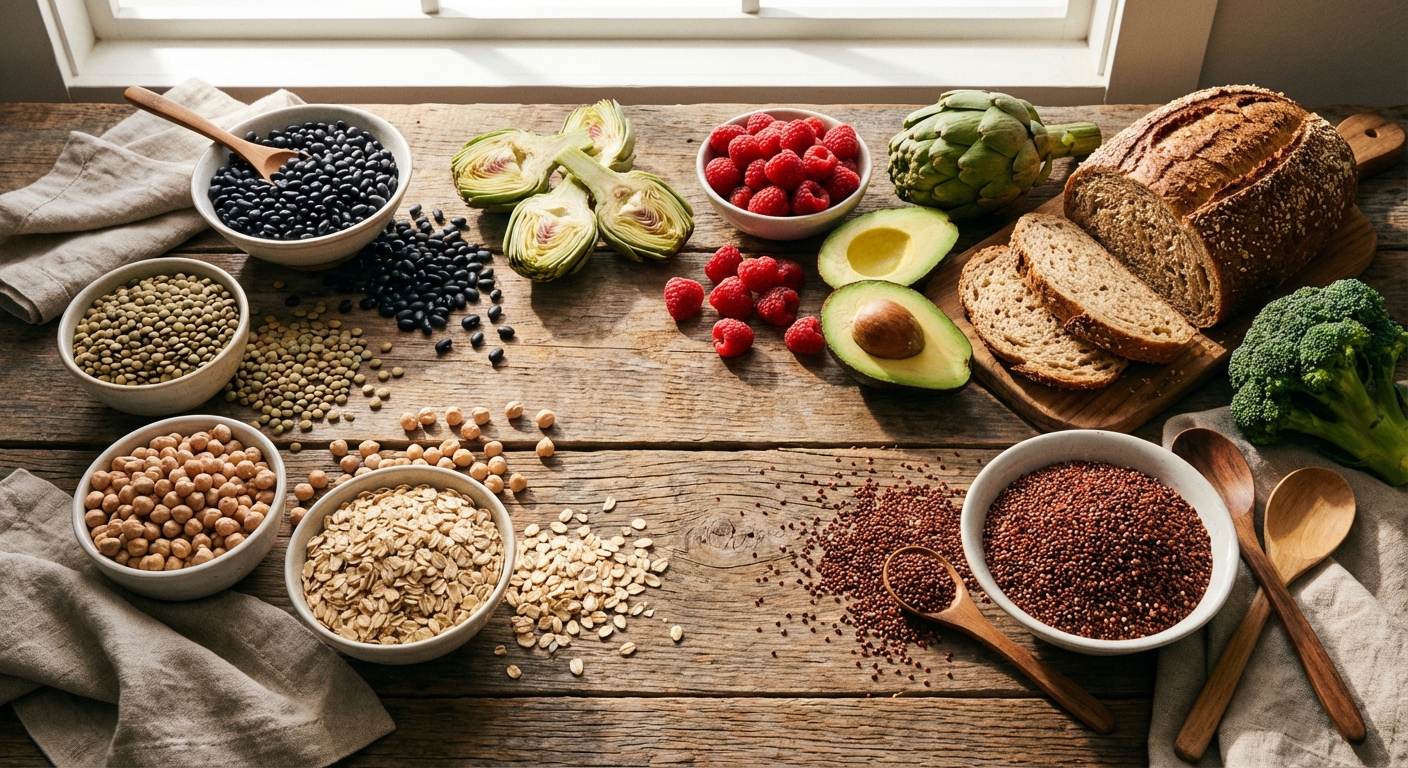
Fiber affects far more than digestion. New research links it to immunity, mood, blood sugar, and longevity. Here's why it's 2026's most underrated nutrient.
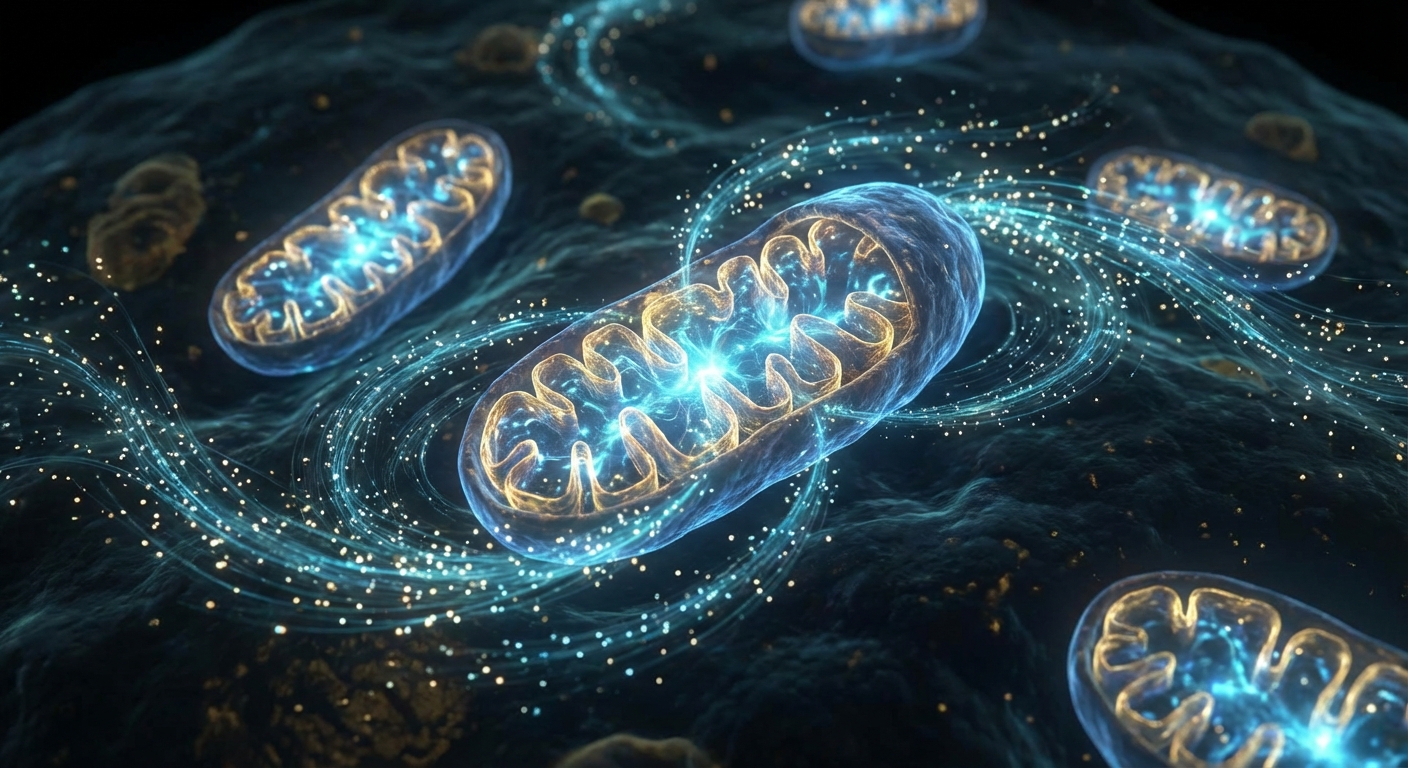
Your mitochondria determine how energetic you feel and how well you age. Here's what damages them, what protects them, and how to optimize their function.
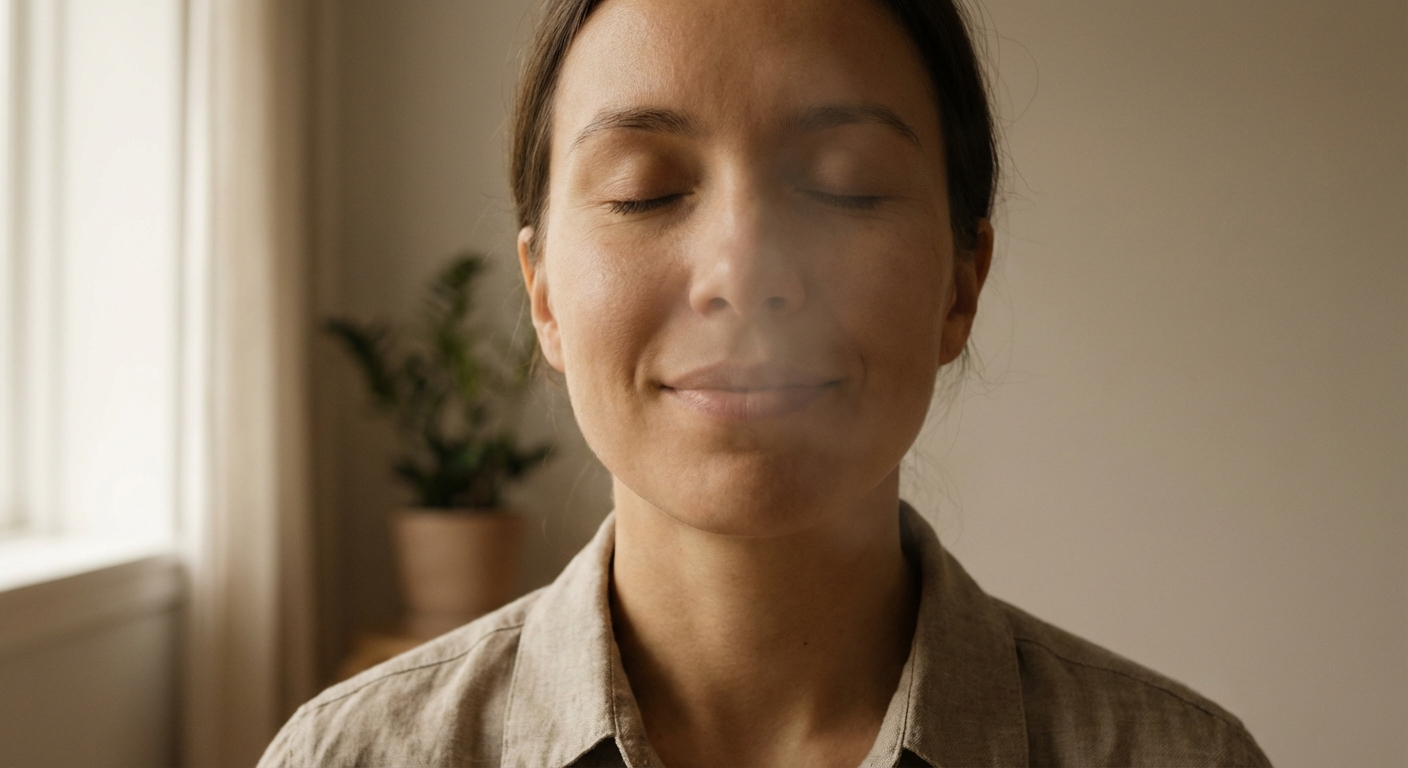
Your tolerance for carbon dioxide predicts your anxiety levels. Research shows that training this tolerance through breathing practice can rewire your stress response.

Holiday schedule chaos disrupts your internal clock. Here's the evidence-based protocol for resetting your circadian rhythm in the new year.
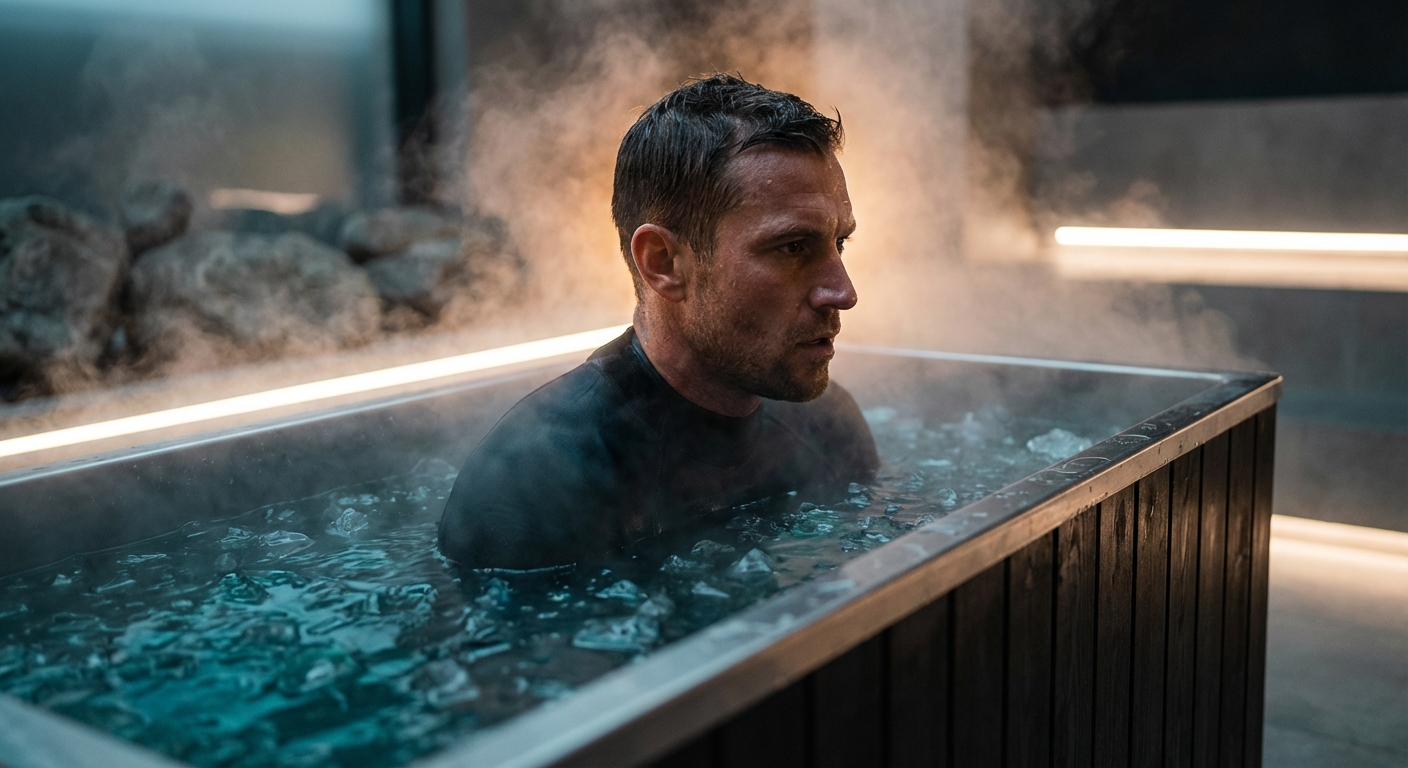
Ice baths boost dopamine by 250% and offer real benefits, but the research is more nuanced than influencers suggest. Here's what the science actually says.
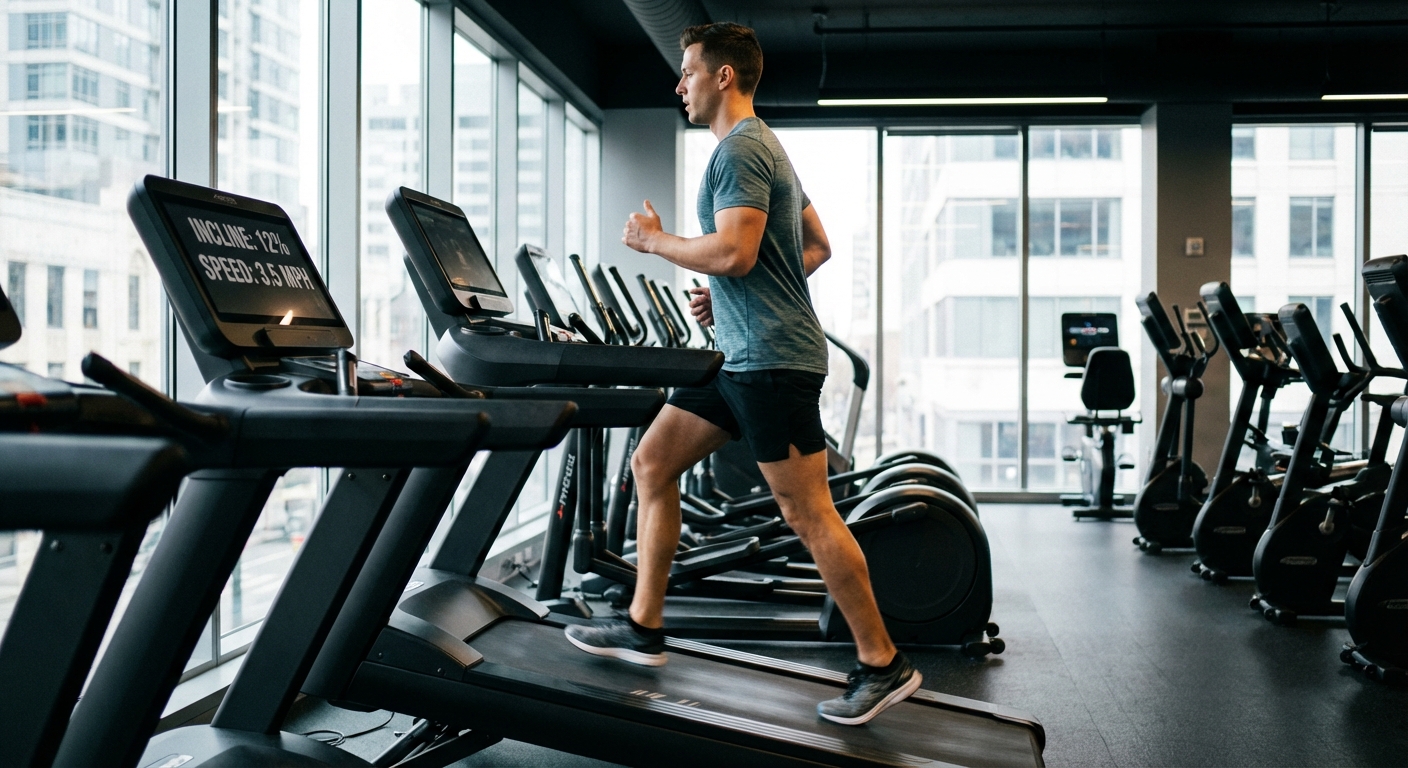
The viral TikTok treadmill trend burns more fat than running, but the real findings are more nuanced than the headlines suggest.

A Ben-Gurion University study found diet-induced weight loss triggered temporary brain inflammation in mid-aged mice, raising questions about age-specific approaches.
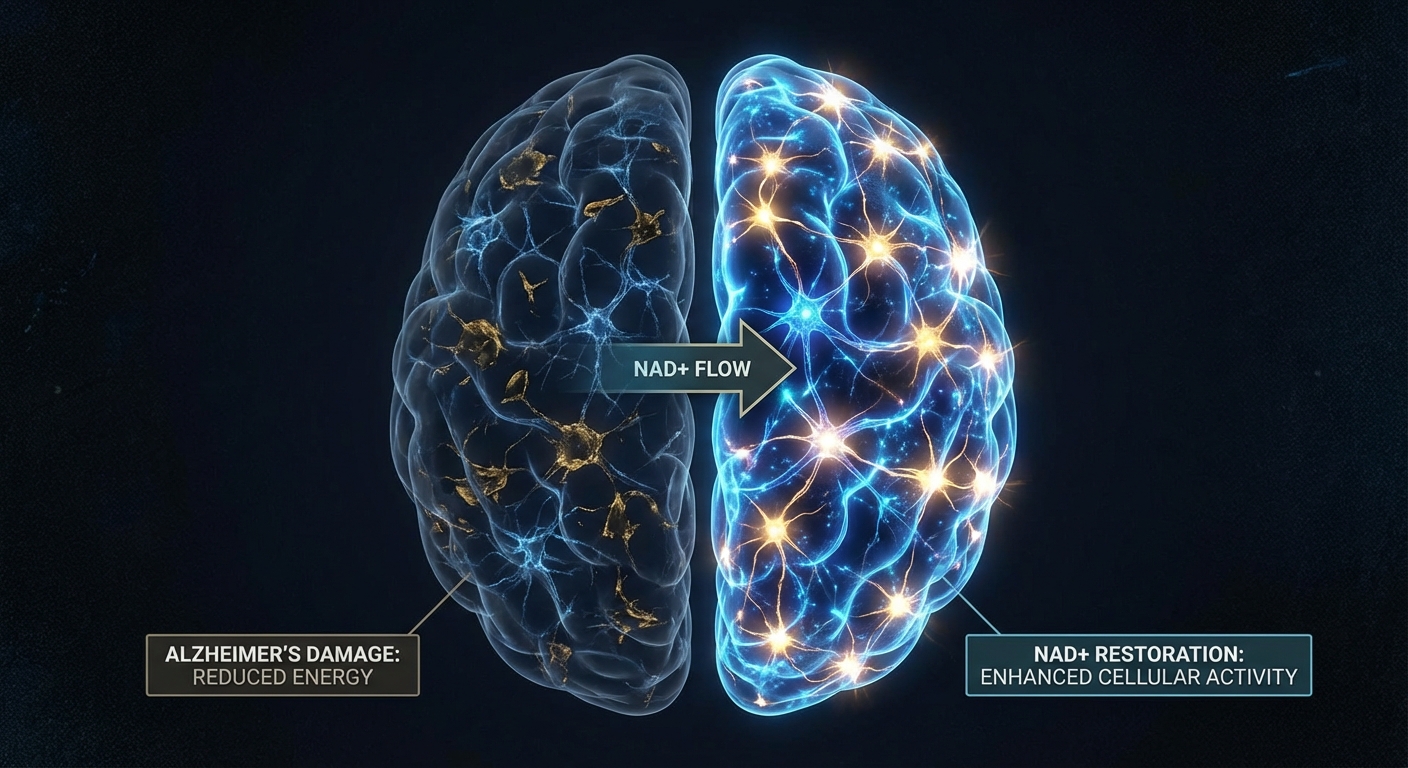
Groundbreaking research shows NAD+ restoration reversed cognitive decline in mice, offering new hope for treating the previously irreversible disease.
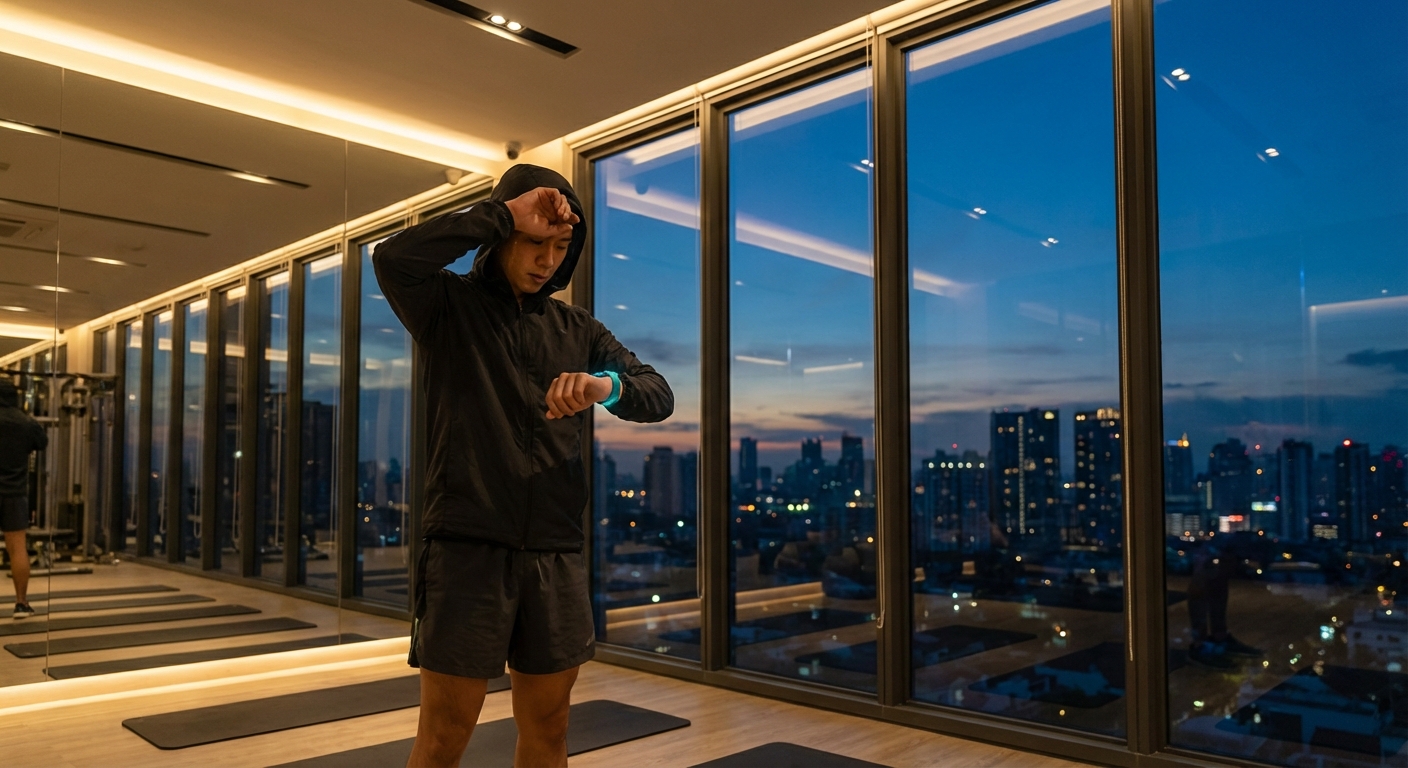
New research reveals that exercising within four hours of bedtime can sabotage sleep quality. Learn how to time your workouts for optimal recovery.

A major new study reveals that ultra-processed plant foods raise heart disease risk by 46%. Not all plant-based eating is created equal.

Swedish researchers tracked 27,670 adults for 25 years and found those eating more high-fat cheese had lower dementia rates. Here's the nuanced truth.