A massive UK Biobank imaging study reveals UPFs alter brain structure in regions controlling appetite and reward, creating self-reinforcing overconsumption cycles.



A massive UK Biobank imaging study reveals UPFs alter brain structure in regions controlling appetite and reward, creating self-reinforcing overconsumption cycles.

Scientists discovered a gut metabolite that blocks the inflammation driving insulin resistance. This Nature Metabolism study could reshape Type 2 diabetes treatment.
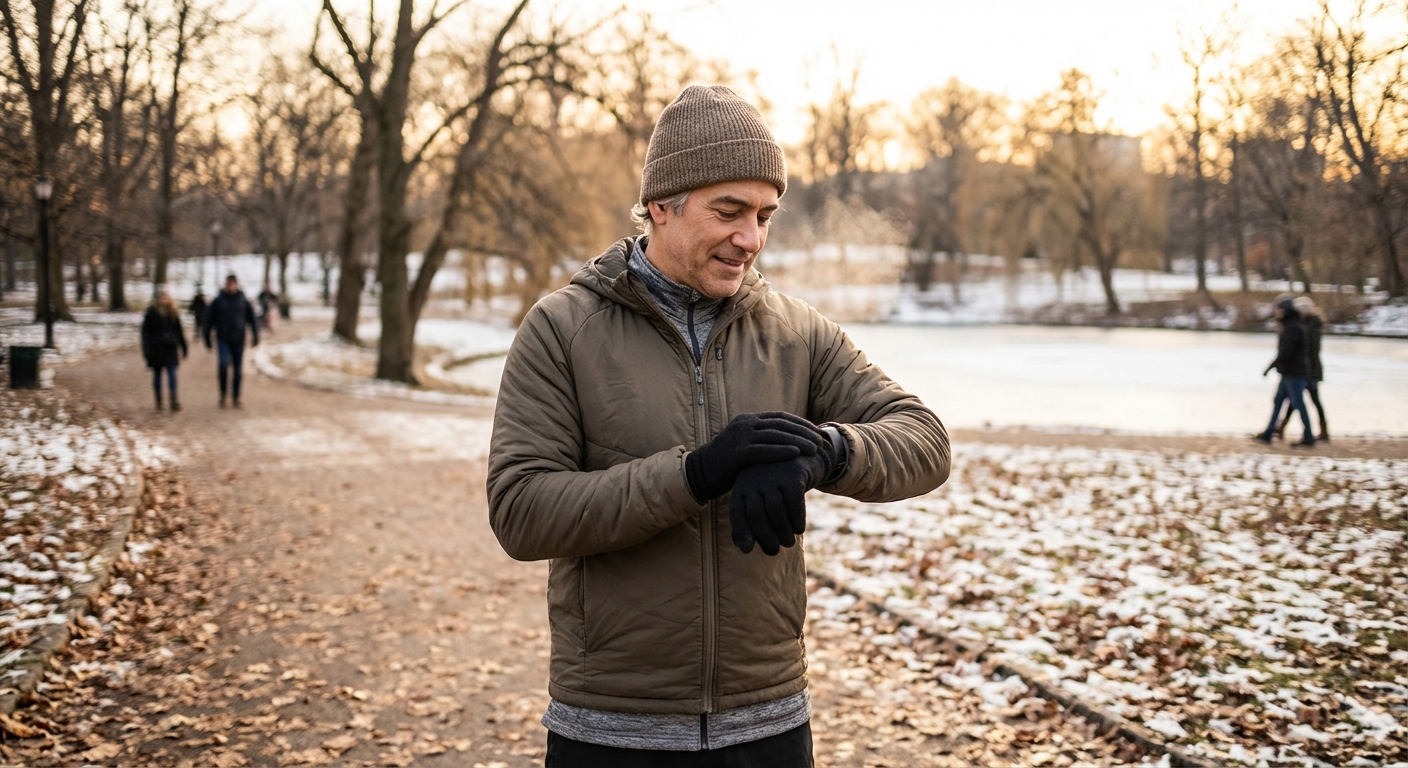
The largest study yet on fitness, weight, and longevity confirms: being aerobically fit cuts premature death risk by half, even for those with obesity.
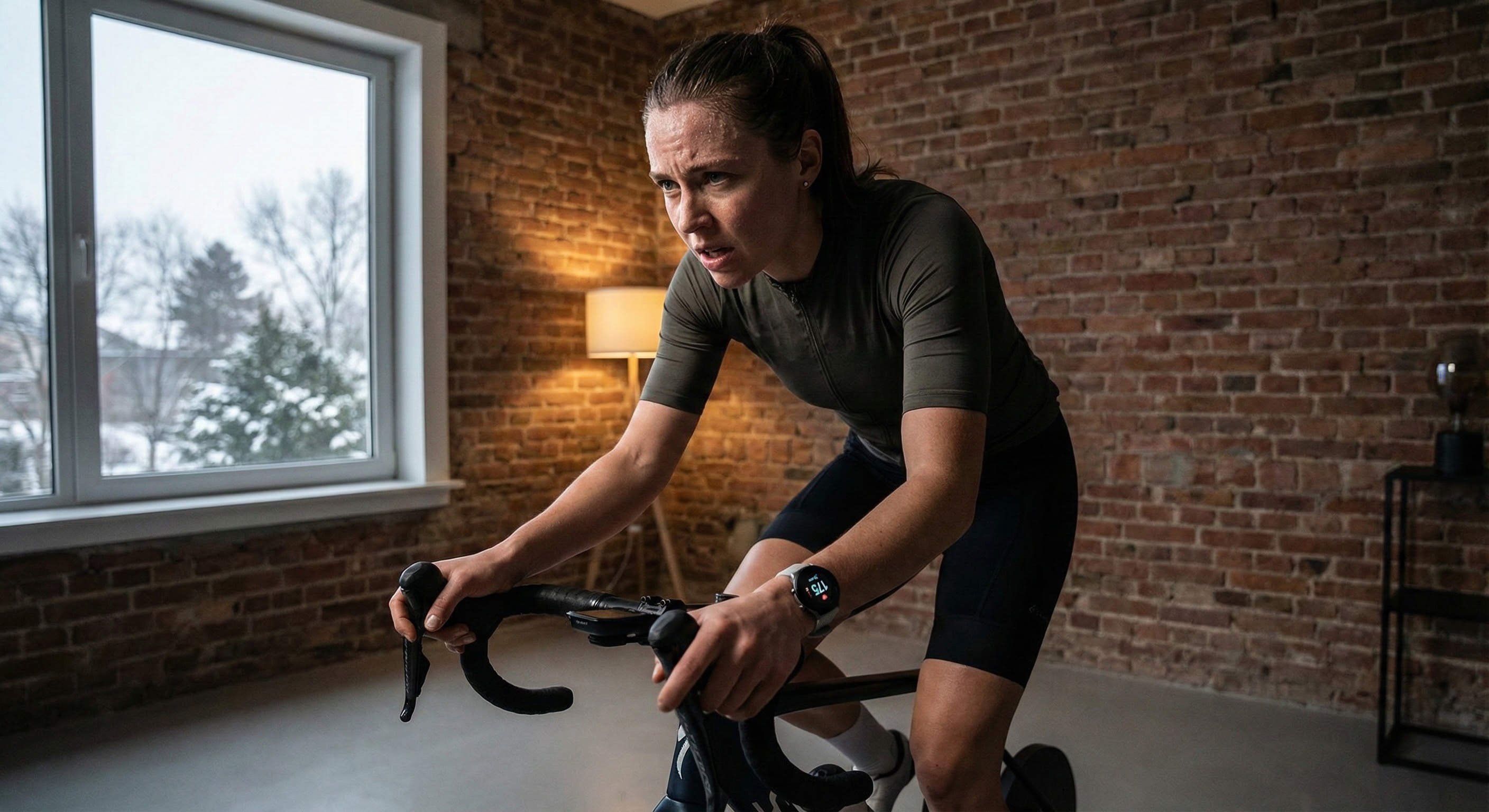
VO2 max is the single strongest predictor of all-cause mortality. Here's the research-backed indoor training protocol to improve yours this winter.

New research in Cell reveals dramatic biological changes between ages 45-55. Understanding this window could reshape how you approach midlife health.
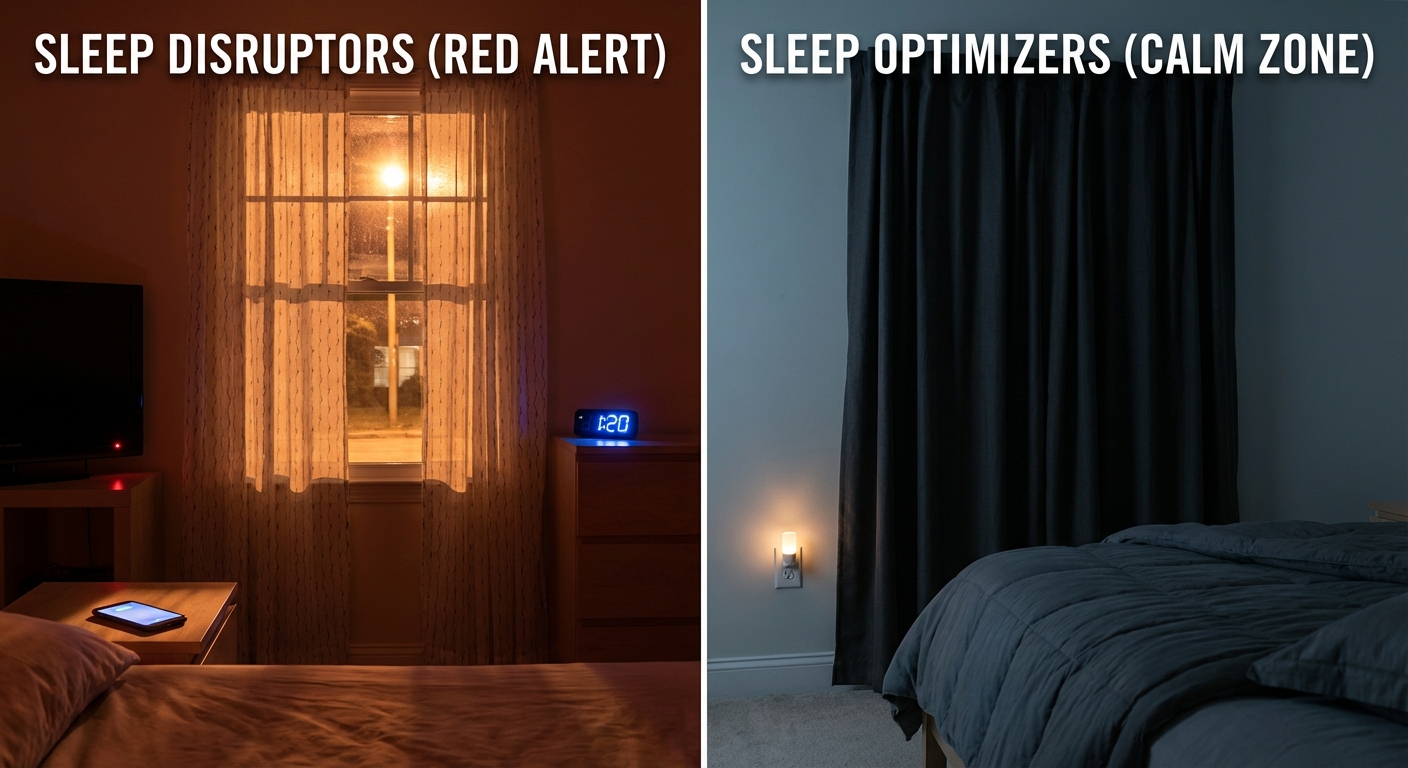
New research from Harvard reveals that sleeping with light exposure dramatically increases cardiovascular disease risk. Here's what the science says and how to protect yourself.
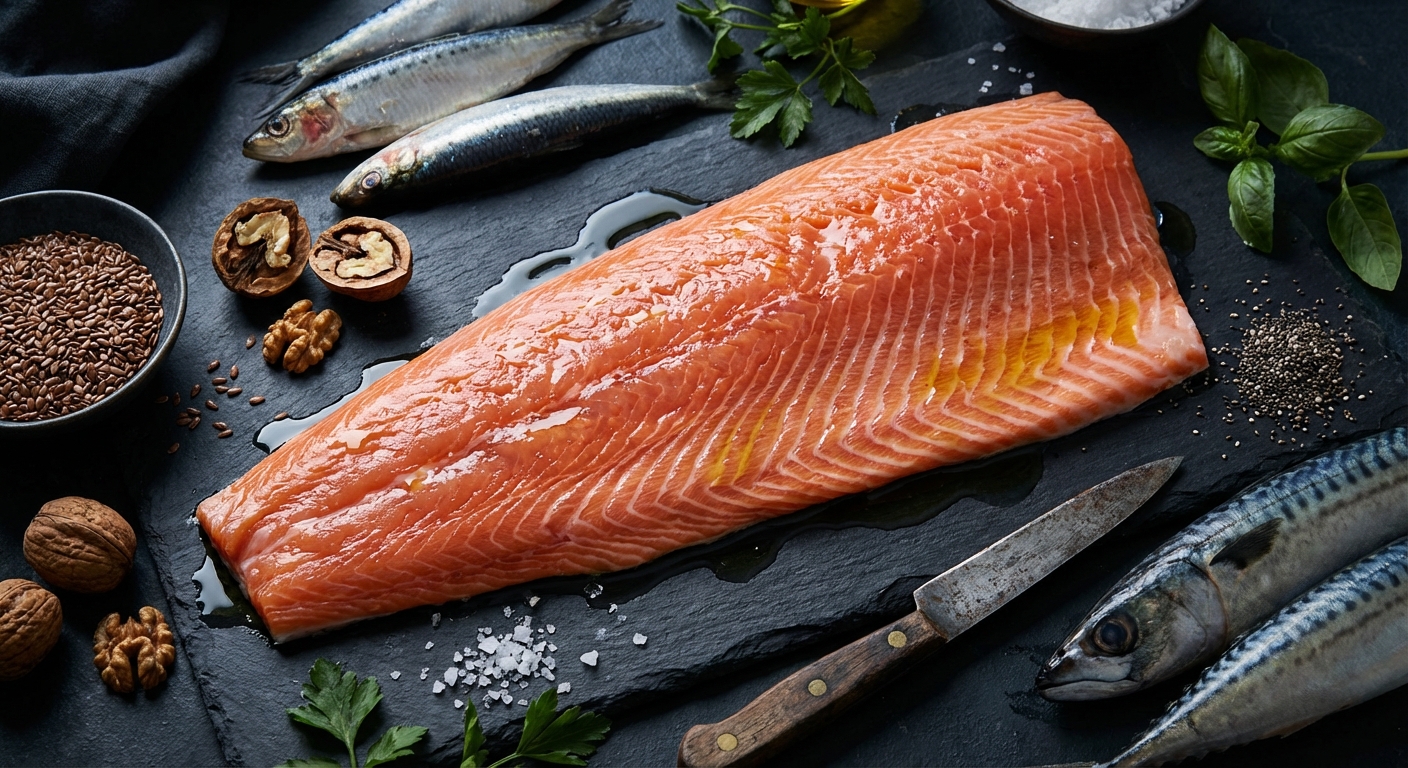
New research confirms a worldwide omega-3 deficiency affecting brain, heart, and cellular health. Here's what the science shows and how to close the gap.

New research links low brain choline levels to anxiety disorders. Discover how this essential nutrient supports mental health and where to find it.
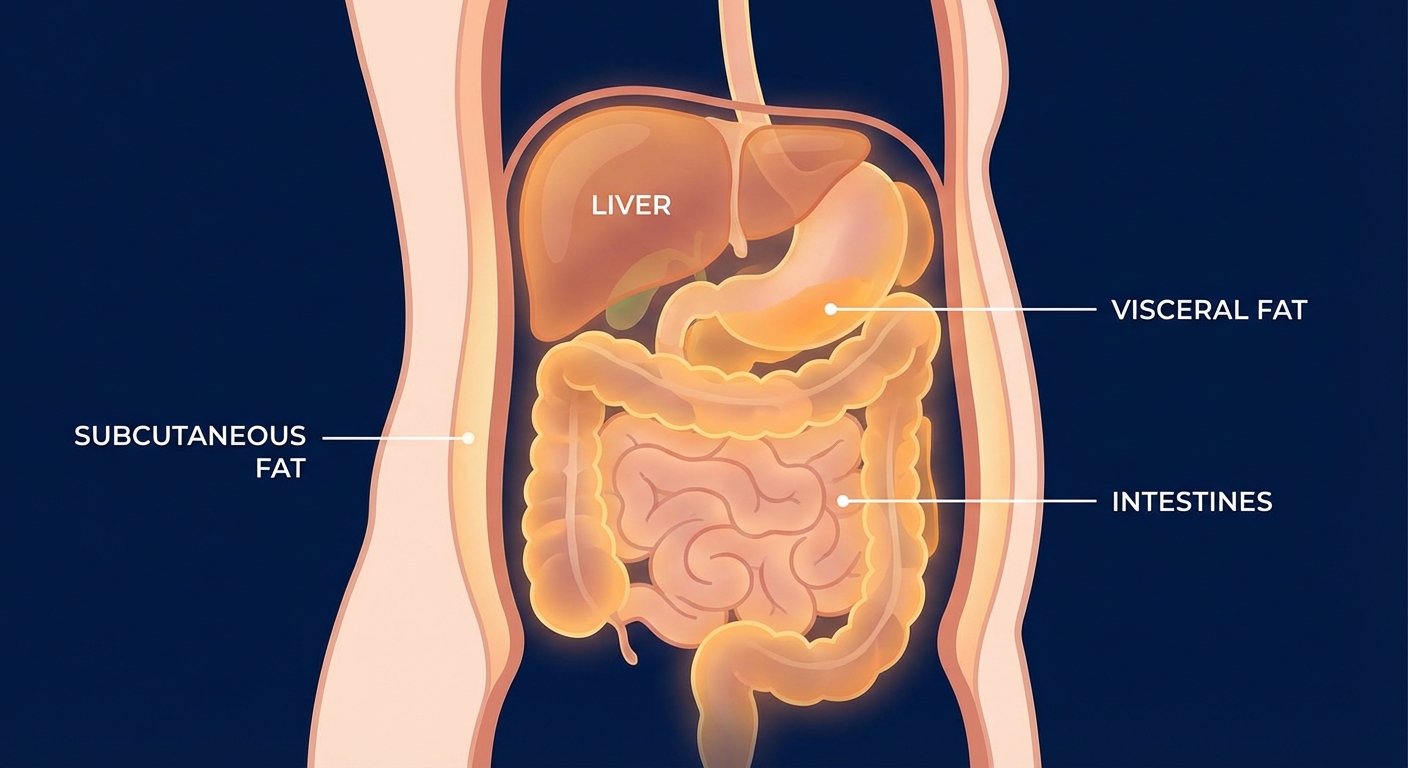
New research reveals deep abdominal fat damages arteries even in fit-looking people. Learn how to assess and reduce your visceral fat risk.

Research shows resistance training releases BDNF and reduces depression and anxiety. Here's how to use strength work to fight winter mood dips.

You don't need 20 minutes or a quiet room to start meditating. Research shows 3 minutes daily builds the neural pathways that reduce anxiety and improve focus.

Flexibility lets you reach a position passively. Mobility lets you control it under load. Here's why this distinction matters and how to train the quality that actually prevents injury.