UC Berkeley researchers extended lifespan by 70% in elderly male mice using two existing compounds. Here's what this means for human longevity.

UC Berkeley researchers extended lifespan by 70% in elderly male mice using two existing compounds. Here's what this means for human longevity.
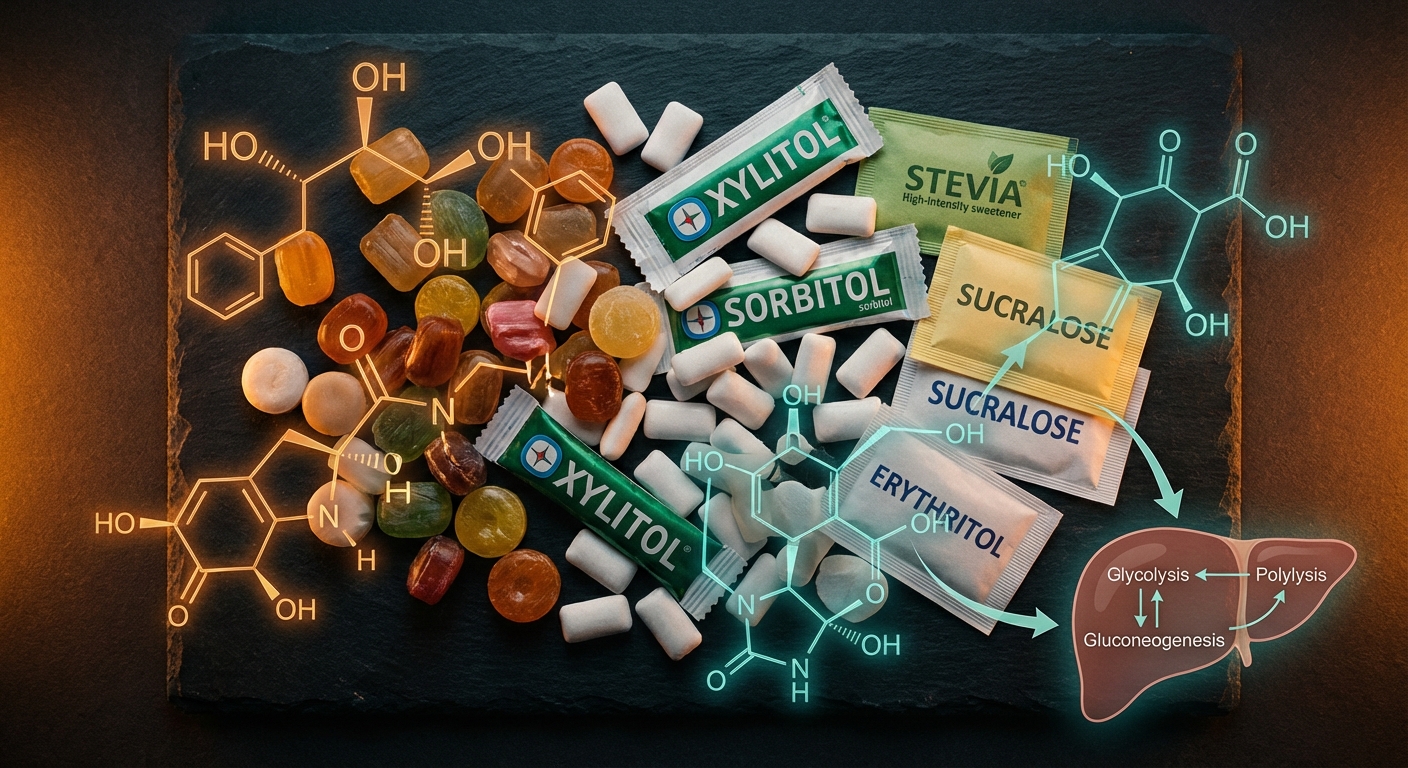
New research reveals sorbitol converts to fructose in the liver, potentially causing the same metabolic damage as regular sugar. Here's what you need to know.
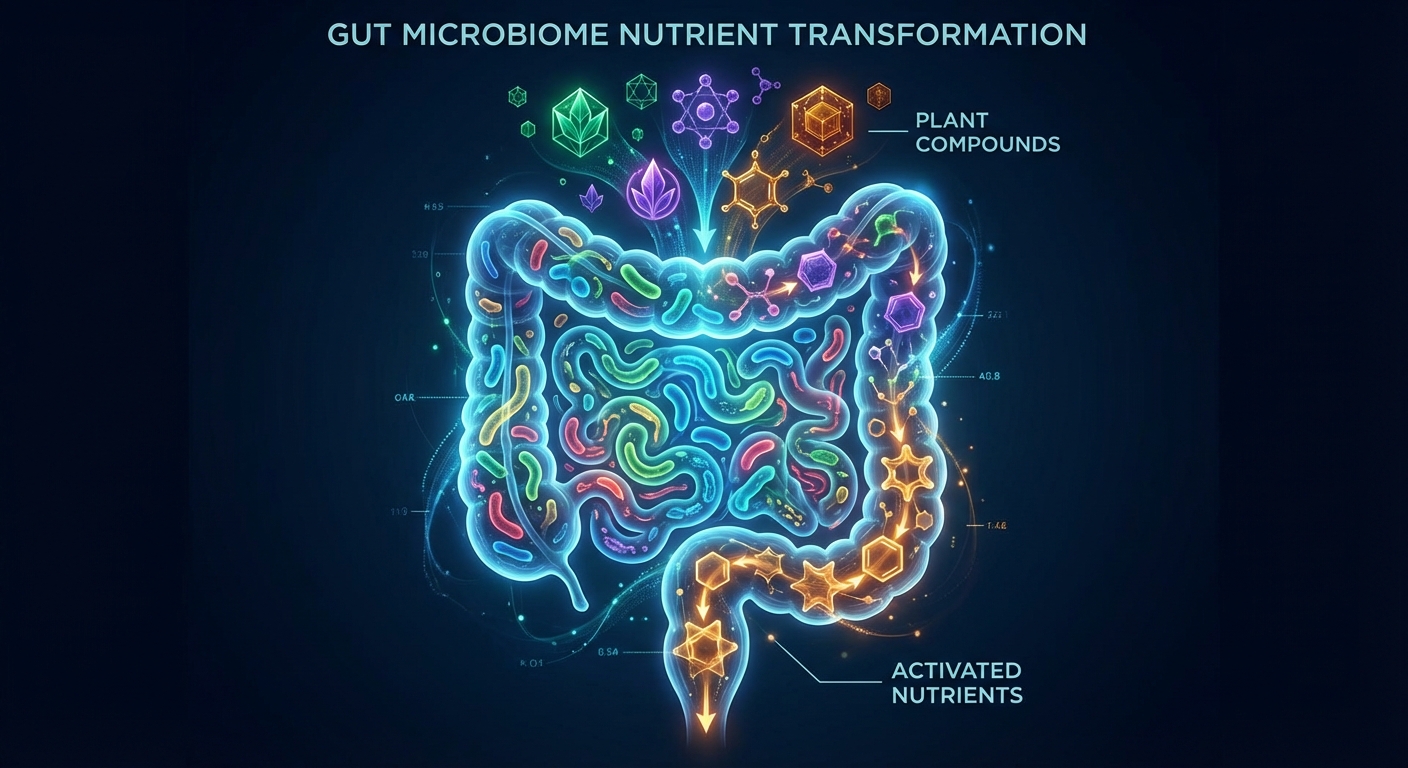
A groundbreaking Nature study reveals that gut bacteria transform plant nutrients into their beneficial forms, and this transformation varies dramatically between individuals and across disease states.
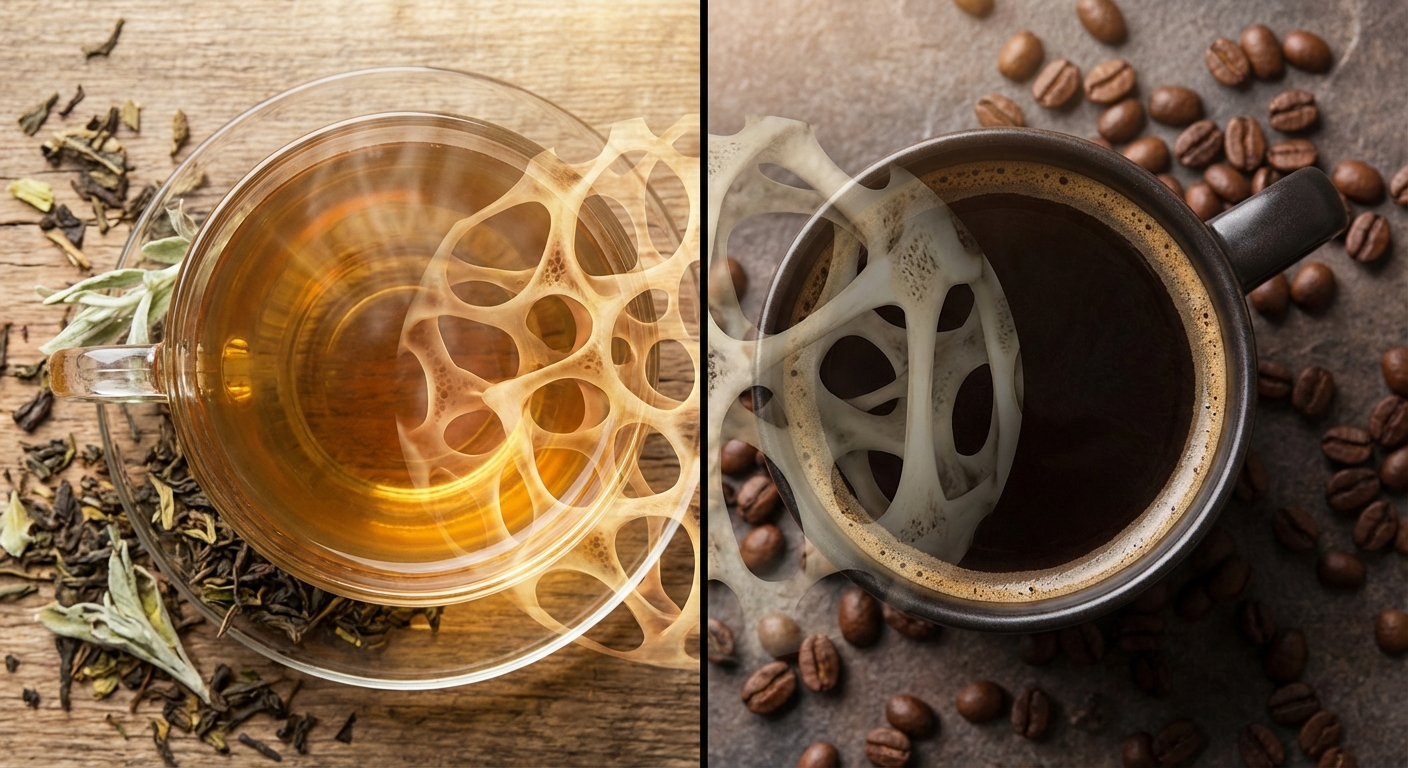
A decade-long study of nearly 10,000 older women reveals that tea drinkers had slightly stronger bones, while drinking more than five cups of coffee daily was linked to lower bone density.
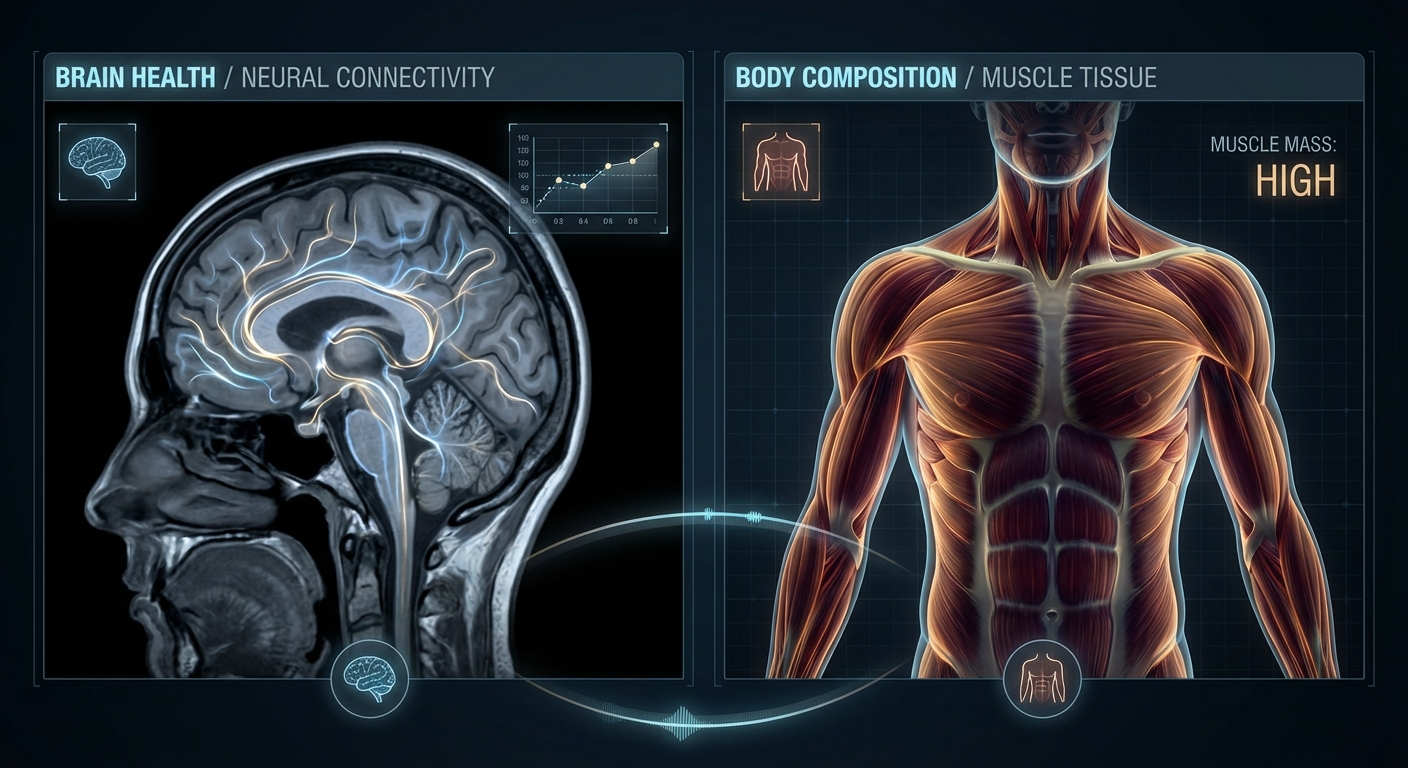
Research on 1,164 adults reveals that higher muscle mass correlates with younger brain age, while visceral fat accelerates cognitive aging. Here's what it means for your fitness strategy.
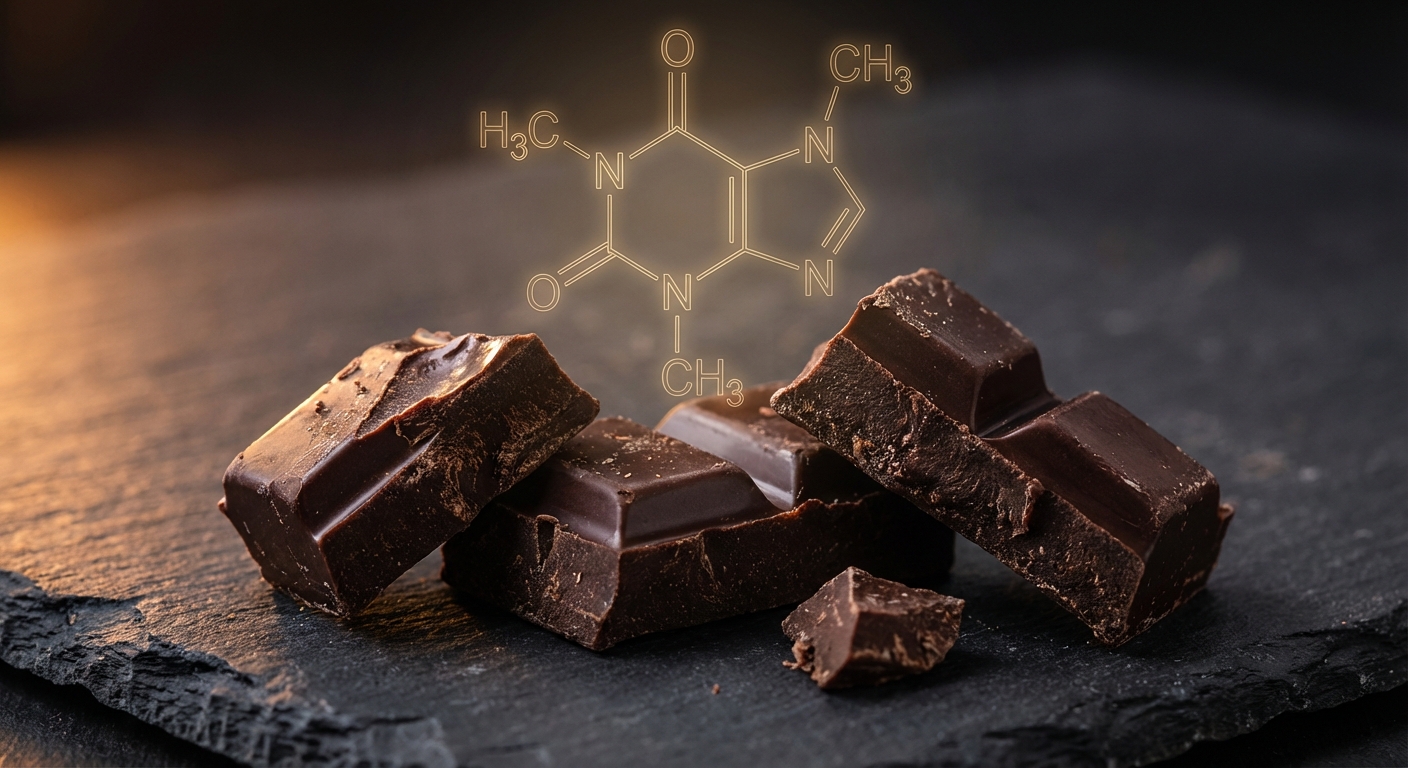
King's College London researchers found that higher blood levels of theobromine, a compound in dark chocolate, correlate with younger biological age across 1,669 adults.

Mental health professionals report unprecedented SAD severity this year. The explanation lies in how multiple stressors amplify seasonal depression beyond what darkness alone would cause.
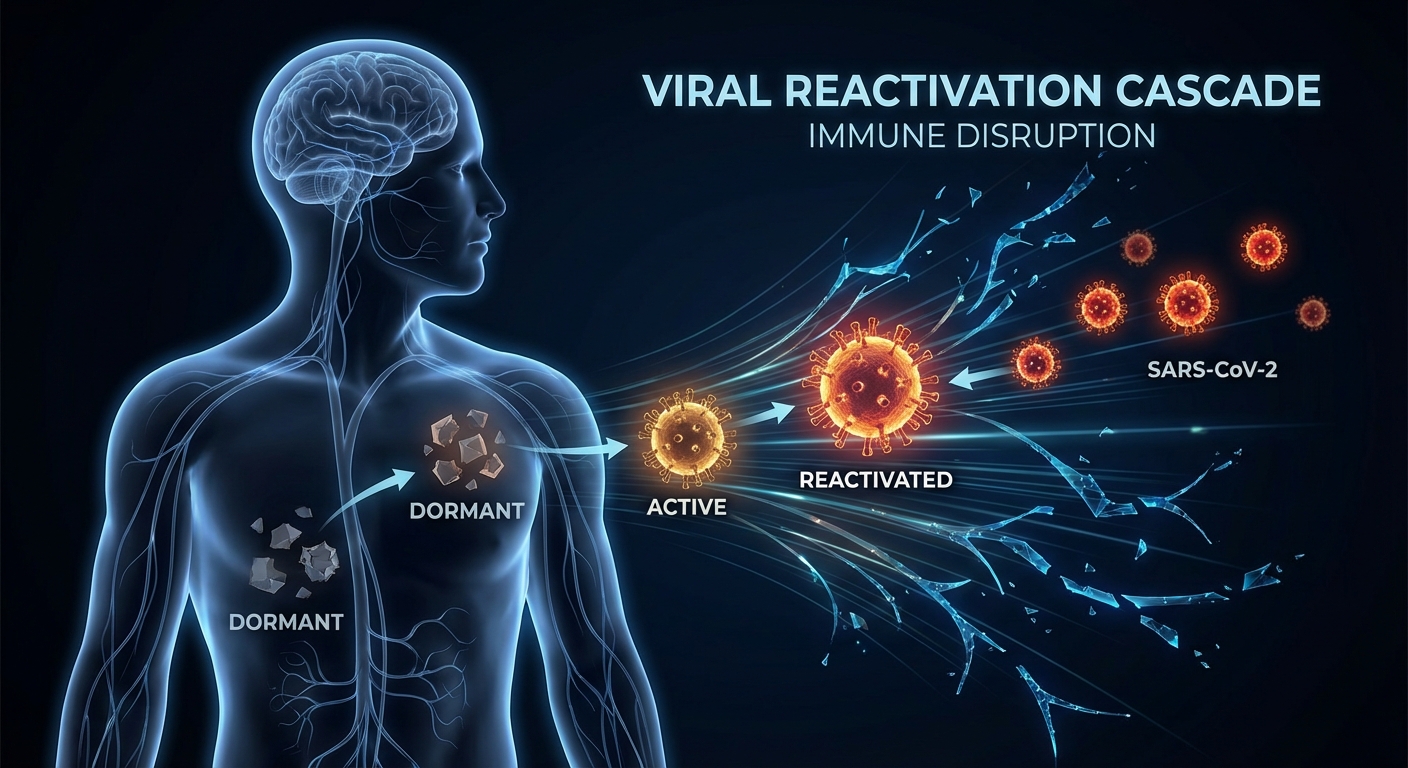
New research reveals that Epstein-Barr virus reactivation may explain why two-thirds of long COVID patients experience persistent fatigue and brain fog.
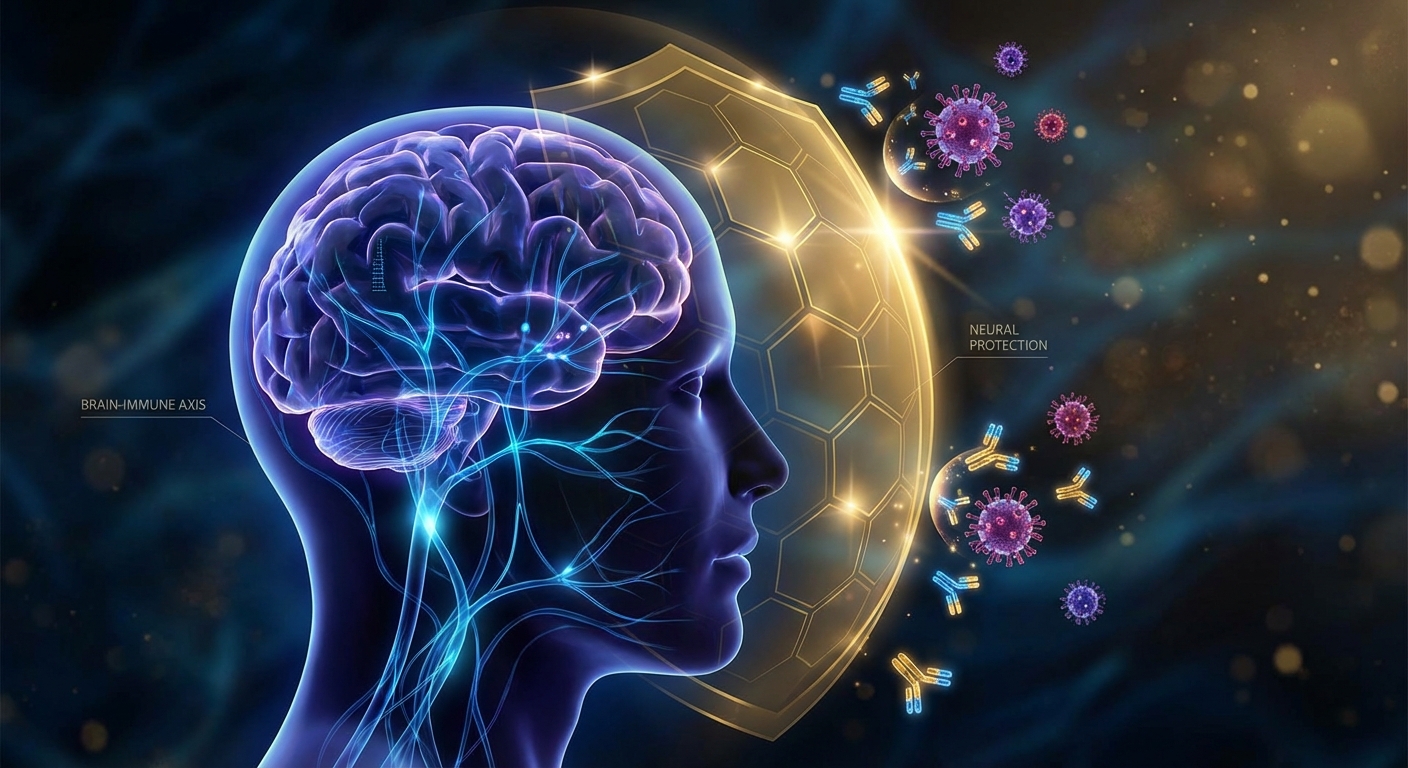
A Welsh vaccination policy created a natural experiment revealing that the shingles vaccine may prevent dementia and slow its progression in those already diagnosed.
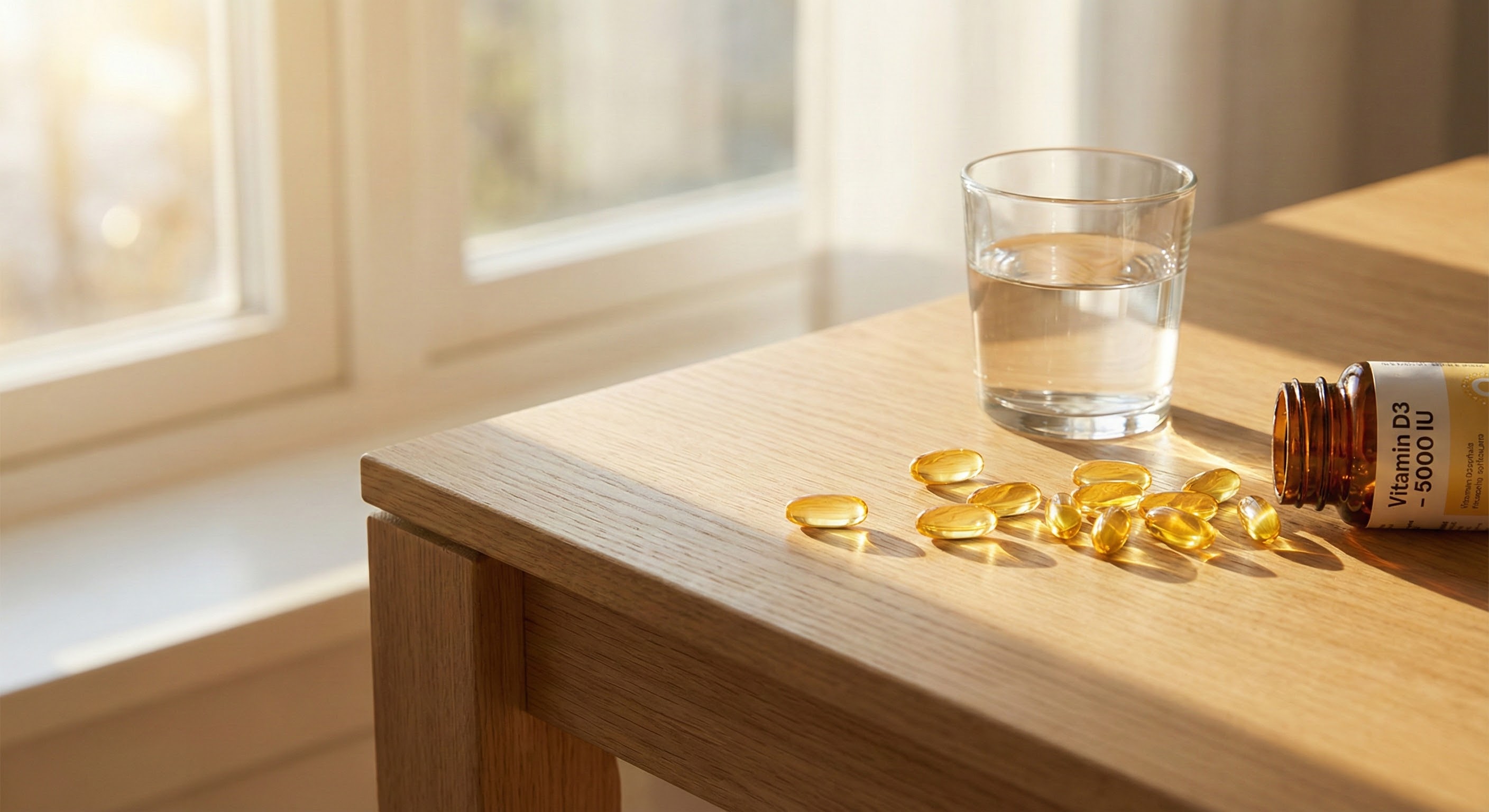
Most people take too little vitamin D for too long. Here's the research-backed dosing strategy based on body weight, blood levels, and cofactors.
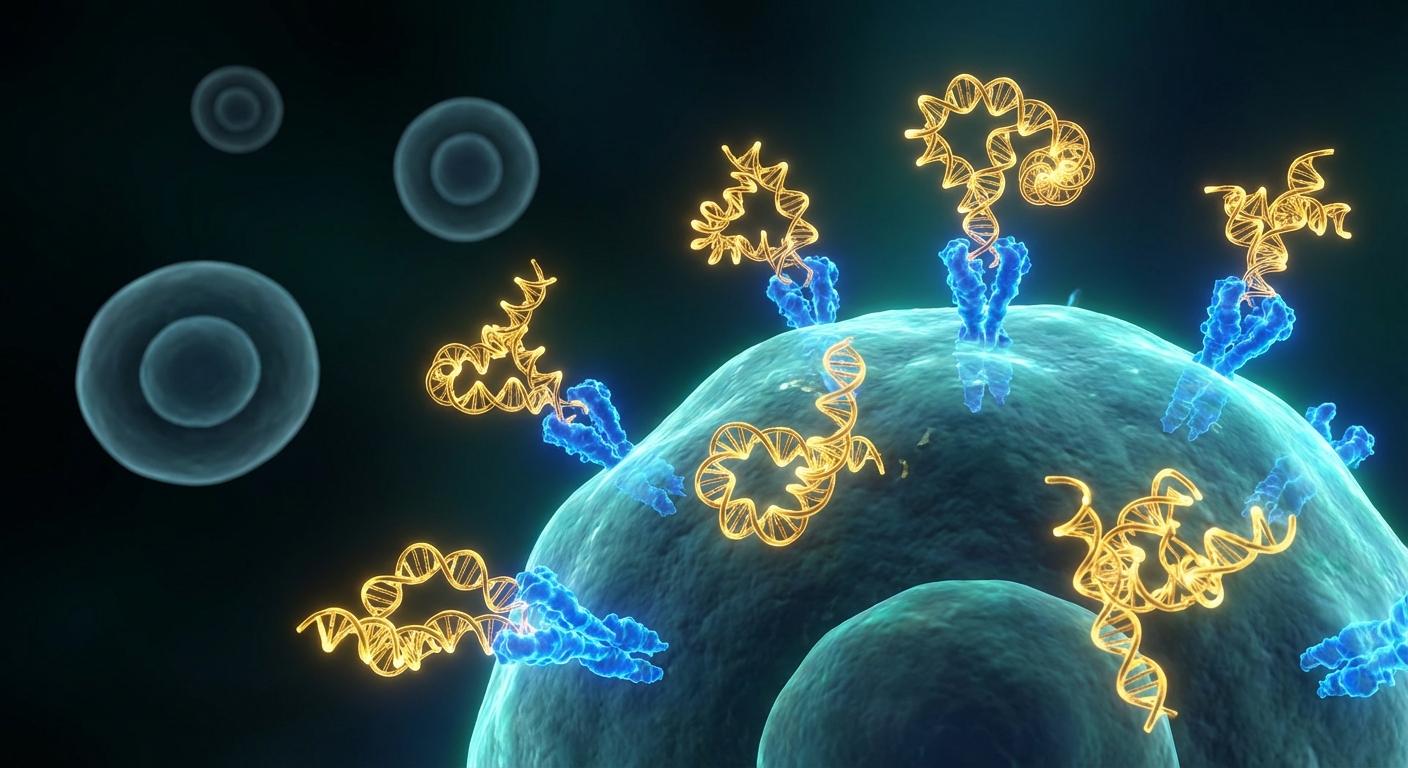
Mayo Clinic researchers discovered DNA aptamers that can identify senescent 'zombie cells' linked to aging and disease, opening the door to targeted anti-aging therapies.

New University of Birmingham research shows flavanol-rich foods prevent vascular dysfunction from prolonged sitting, even when fitness alone cannot.