How you breathe affects sleep quality, athletic performance, oxygen uptake, and even facial structure. Here's why nasal breathing matters and how to retrain yourself.



How you breathe affects sleep quality, athletic performance, oxygen uptake, and even facial structure. Here's why nasal breathing matters and how to retrain yourself.

Consistent evidence shows morning routines predict success. Here's what neuroscience and psychology reveal about optimal morning practices.

Compounds in berries, tea, and cacao activate longevity pathways. New research quantifies benefits and optimal intake.
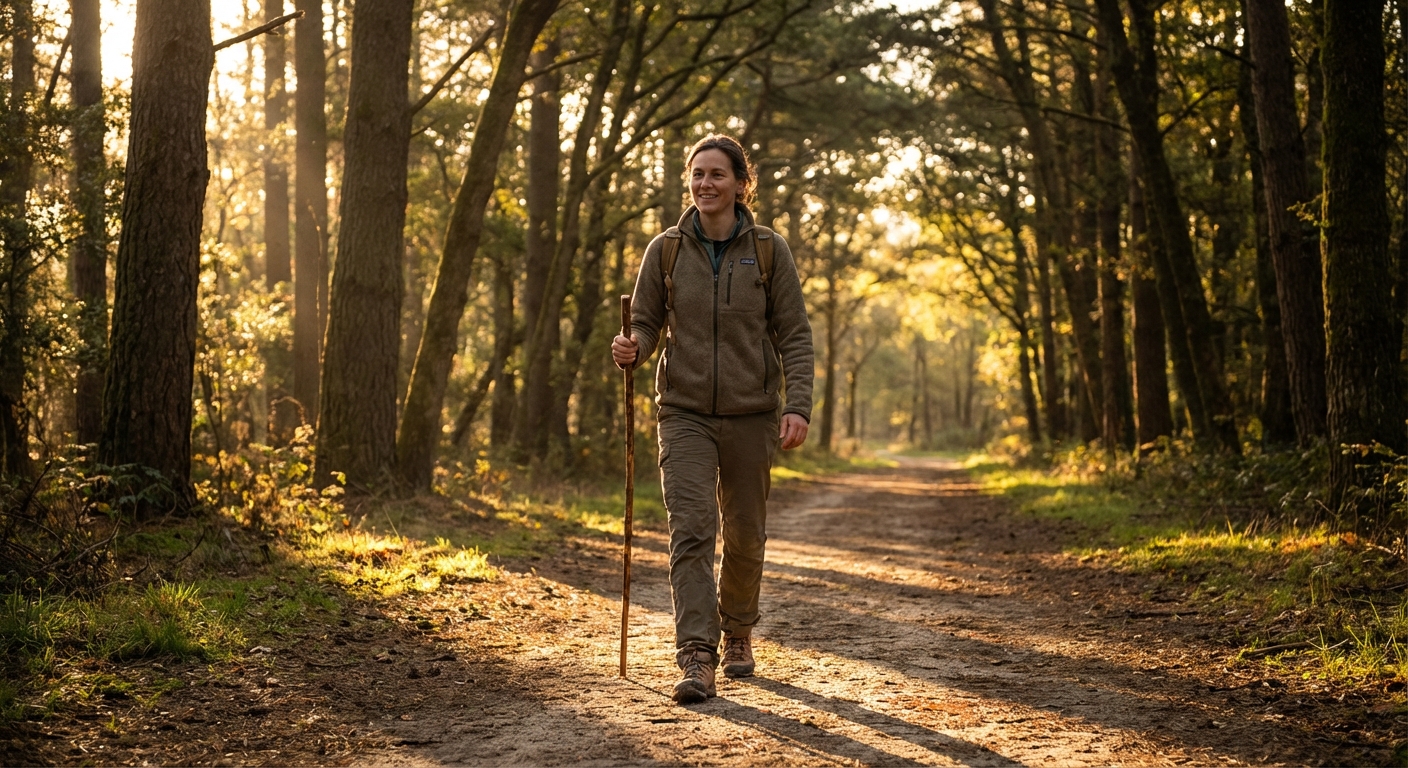
Walking reduces all-cause mortality by 15-20%, and the benefits start far below 10,000 steps.

Time-restricted eating and periodic fasting trigger cellular cleanup and metabolic improvements. Here's what different protocols actually do.

Morning light exposure and evening darkness regulate circadian rhythms, crucial for mood, energy, and sleep.

VO2 max is the strongest predictor of all-cause mortality, and high-intensity intervals can improve it at any age.

Loneliness increases mortality risk by 26%, comparable to smoking 15 cigarettes daily. Social connection is as critical to health as nutrition and exercise.
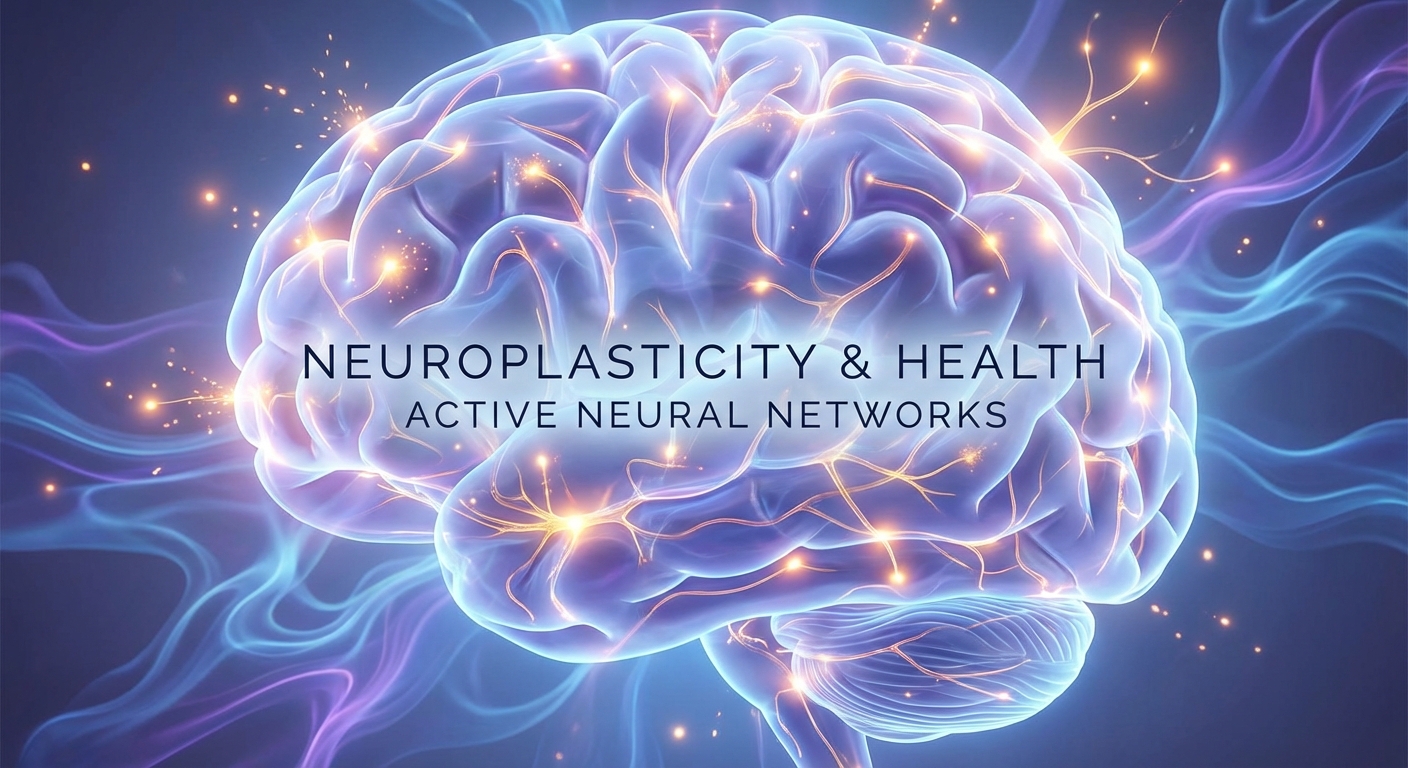
Brain-derived neurotrophic factor (BDNF) drives neuroplasticity, and you can increase it through lifestyle.

Address economic pressures with private-label functional foods and natural swaps for ultra-processed items.

GLP-1 agonists like Ozempic reduce appetite dramatically, but without proper nutrition, muscle loss and deficiencies follow.

Ashwagandha, rhodiola, and holy basil help the body adapt to stress. What does clinical research actually show about these popular supplements?