Elite athletes spend 80% of their training in Zone 2 for good reason. Learn why the 'easy' pace builds the metabolic engine that powers everything else.



Elite athletes spend 80% of their training in Zone 2 for good reason. Learn why the 'easy' pace builds the metabolic engine that powers everything else.

Political tension hijacks your nervous system. These science-backed protocols protect your mental health while staying informed through election season.

Functional mushroom coffee promises jitter-free energy and cognitive enhancement. Here's what clinical research actually shows about dosage, efficacy, and value.

That groggy feeling after the time change isn't just in your head. Here's the science-backed protocol to realign your biological clock quickly.

New research overturns decades of conservative advice for older adults. The updated strength training guidelines might surprise you, and could add years to your life.
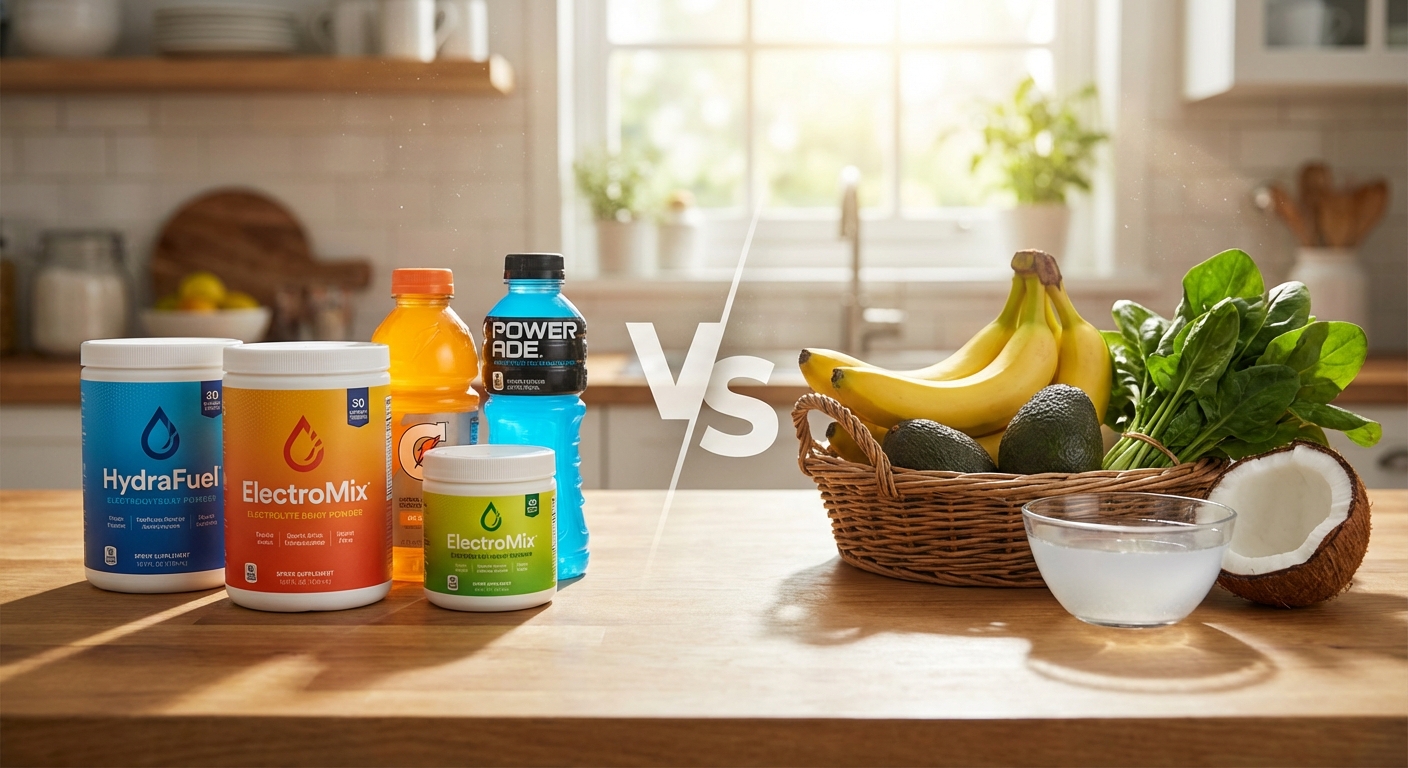
The electrolyte supplement market hit $2.3 billion last year, but research shows most people are wasting their money. Here's what science actually says.

Research shows that physical clutter increases cortisol, impairs focus, and degrades mood. The science of minimalism reveals why owning less creates psychological freedom.

The biggest nutrition trends of 2025 center on personalized approaches, high-protein innovation, gut health optimization, and sustainable eating practices backed by emerging science.
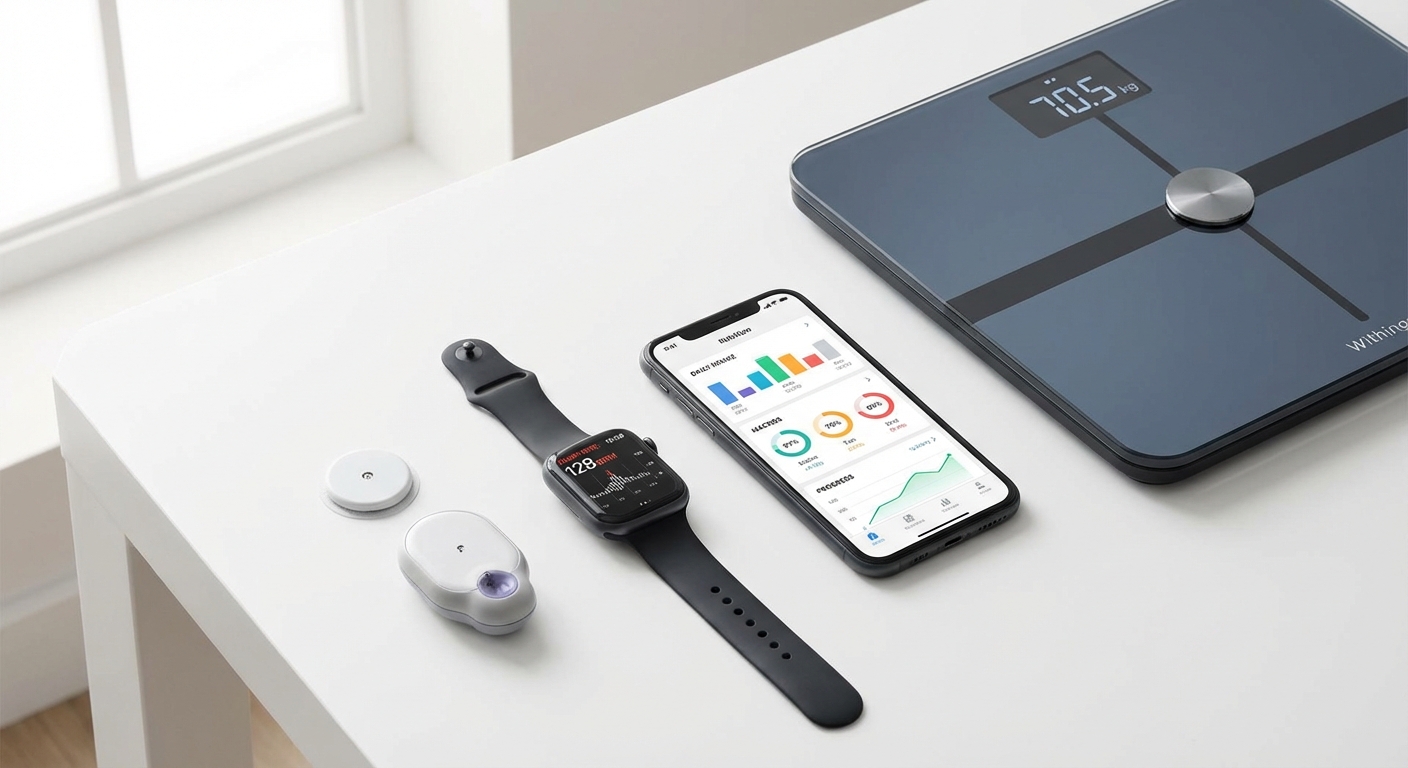
From next-generation GLP-1 medications to continuous glucose monitors and AI apps, discover the science-backed technologies reshaping weight management in 2025.

Does protein timing matter for muscle growth? A synthesis of recent systematic reviews reveals what the anabolic window really means for your training.

Comprehensive meta-analysis shows regular exercise reduces multiple cancer types by 20-40%. Here's what the science proves and how much you need.

Social media claims seed oils are toxic, but what does peer-reviewed research actually show about canola, soybean, and sunflower oils?