wellness
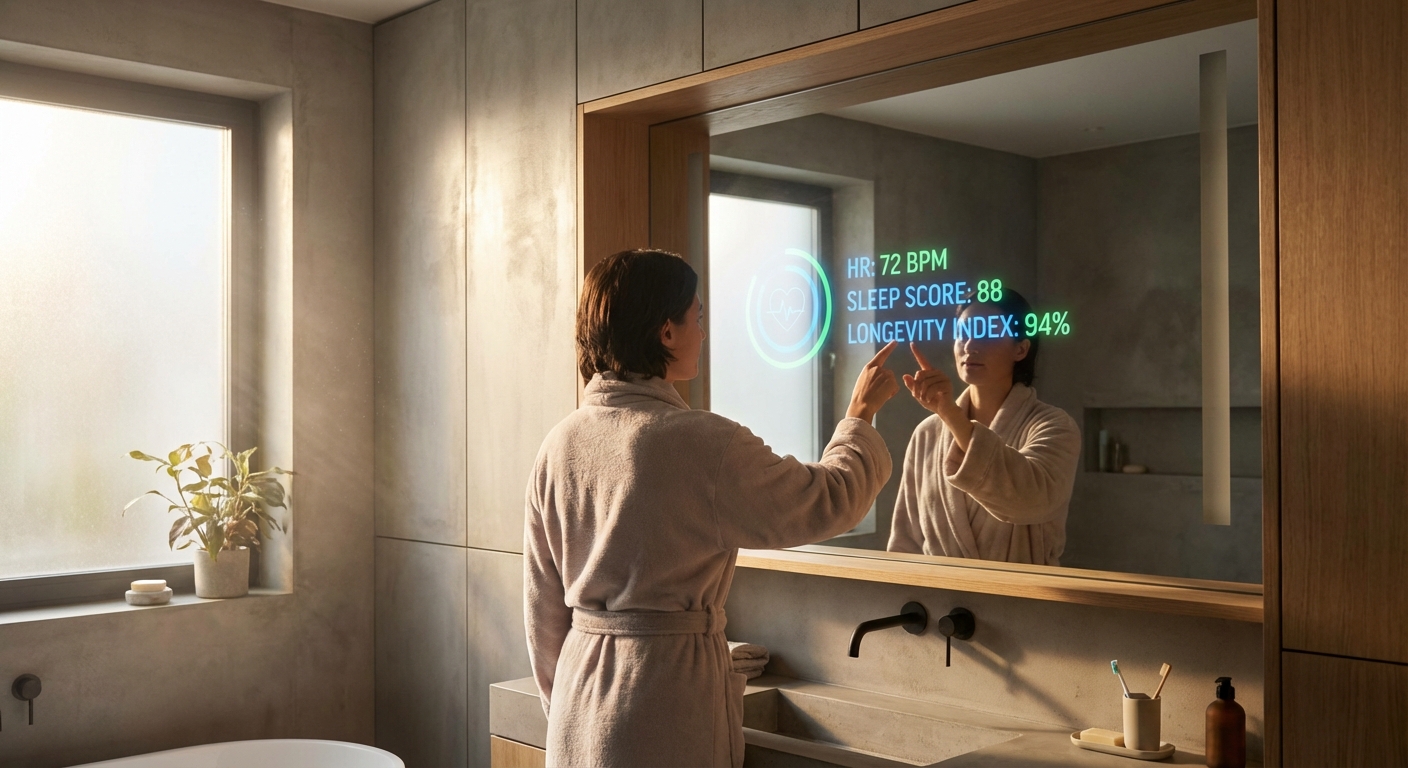
Longevity Tech Comes Home: The New Era of Personal Health Monitoring
From AI-powered mirrors to continuous glucose monitors, longevity technology is moving from labs to living rooms. Here's what works and what to expect.

From AI-powered mirrors to continuous glucose monitors, longevity technology is moving from labs to living rooms. Here's what works and what to expect.

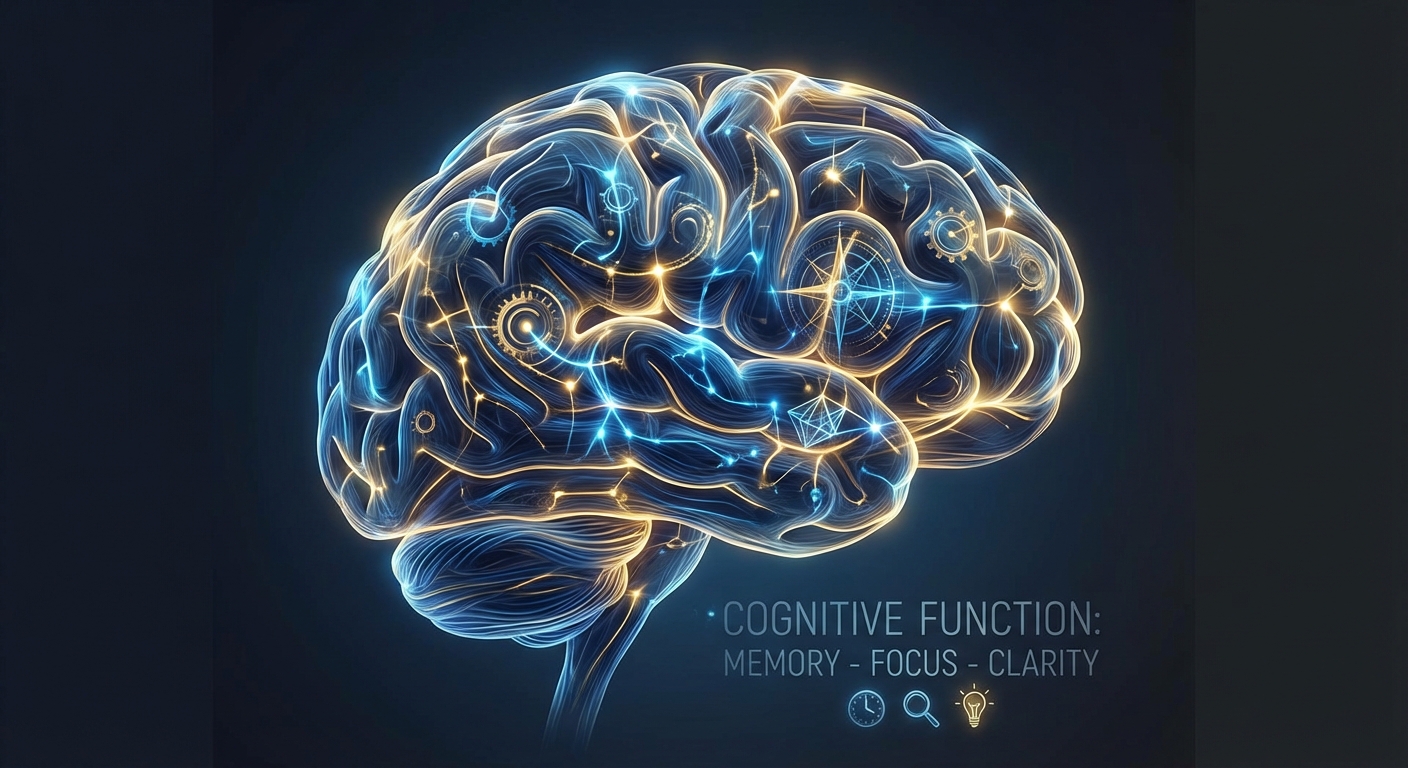
Cognitive wellness has become a health category of its own. Here's what actually works to protect and enhance brain function, backed by current research.
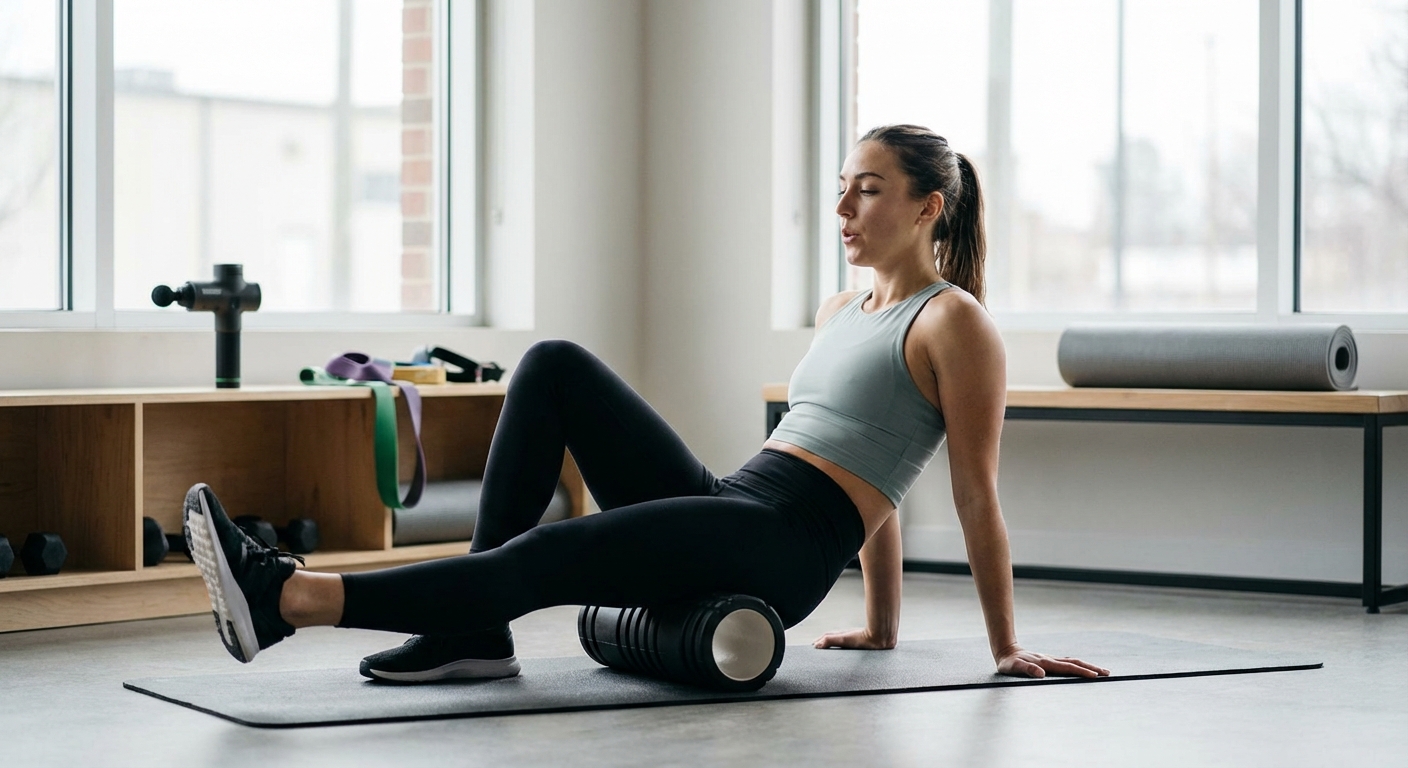
Recovery has evolved from passive rest to an active science. Here's how strategic recovery protocols can accelerate your gains and prevent burnout.
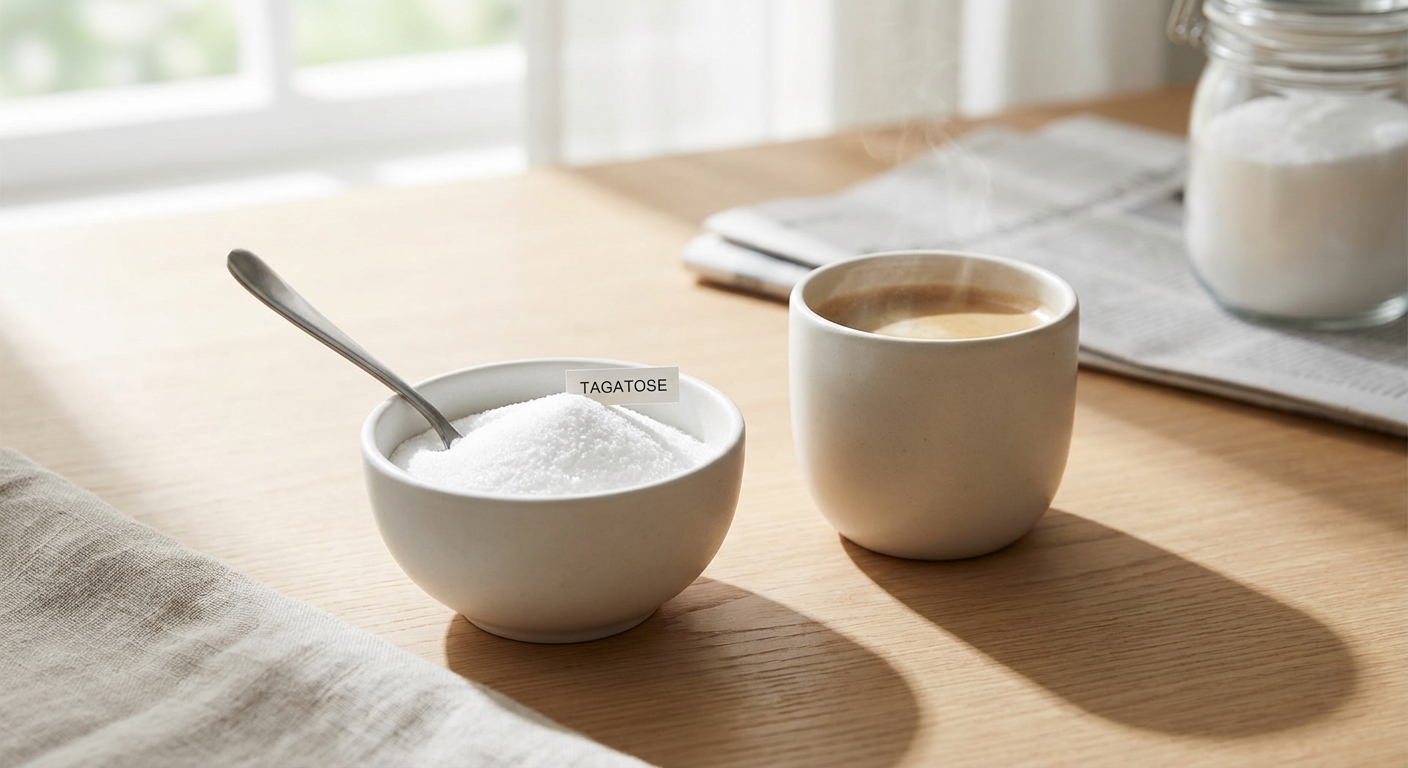
Scientists at Tufts have engineered bacteria to produce tagatose efficiently. Here's why this rare sugar alternative could change how we think about sweeteners.

New research reveals bamboo shoots offer significant benefits for blood sugar control, inflammation, and digestive health. Here's what the science shows.

Morning larks and night owls respond differently to exercise timing. Here's how to align your workouts with your chronotype for better results.
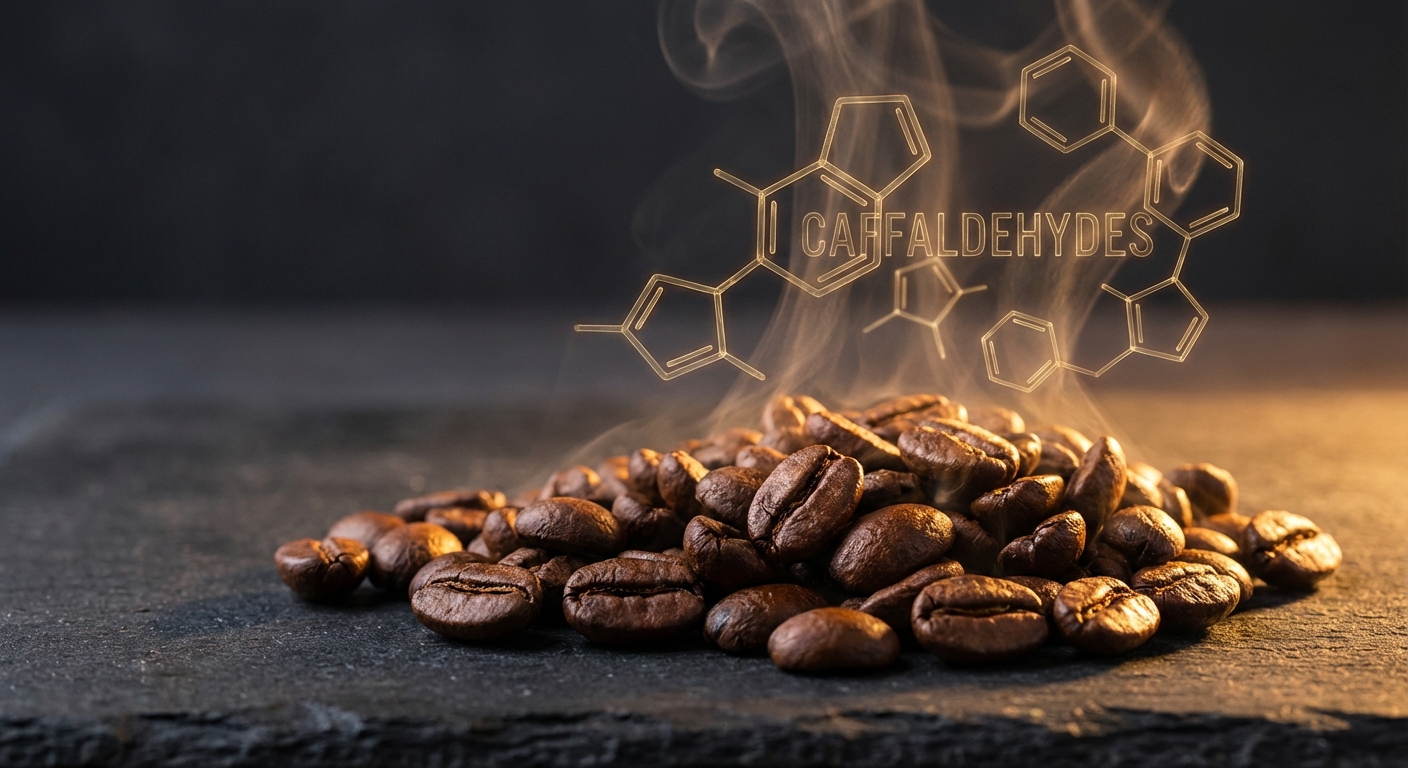
Chinese researchers identified three novel diterpene esters in roasted coffee that inhibit blood sugar-regulating enzymes more potently than the prescription medication acarbose.

Pentadecanoic acid (C15:0) shares cell-protective activities with rapamycin and metformin, and people in blue zones have significantly higher levels. Here's what the research shows.
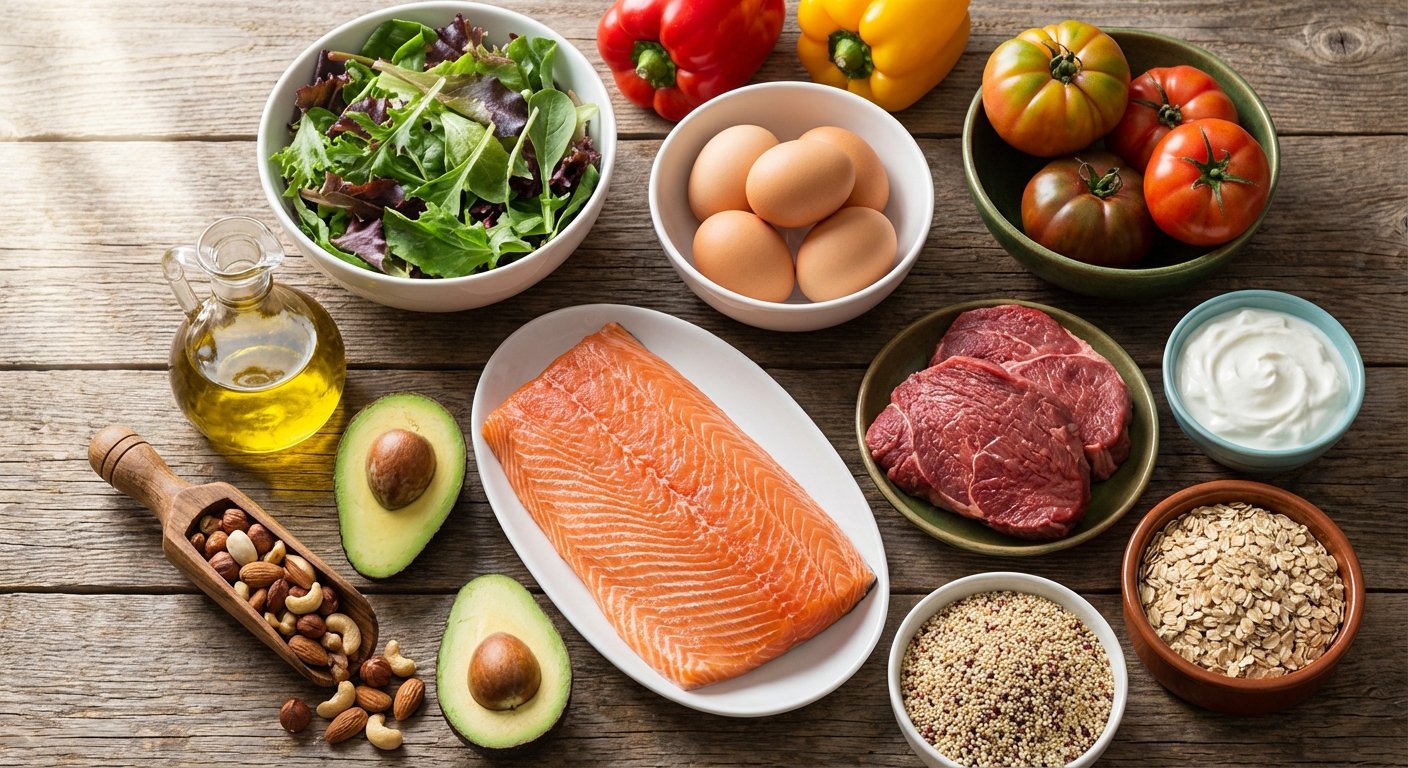
The 2025-2030 Dietary Guidelines emphasize protein and healthy fats while limiting ultraprocessed foods. Here's what changed and what experts think.

Beyond vitamin C and chicken soup, here's what the latest research says about using winter nutrition to strengthen your immune defenses and maintain energy through the cold months.

A new Virginia Tech study using gold-standard methodology found no evidence that the body reduces energy expenditure elsewhere when you exercise more, debunking a discouraging fitness theory.

Newcastle University research reveals brief high-intensity workouts trigger exerkines that alter 1,300+ genes in cancer cells, activating DNA repair and suppressing tumor growth.

New research confirms exercise improves memory and cognitive function in just 12 weeks. Here's what happens in your brain and how to get started.
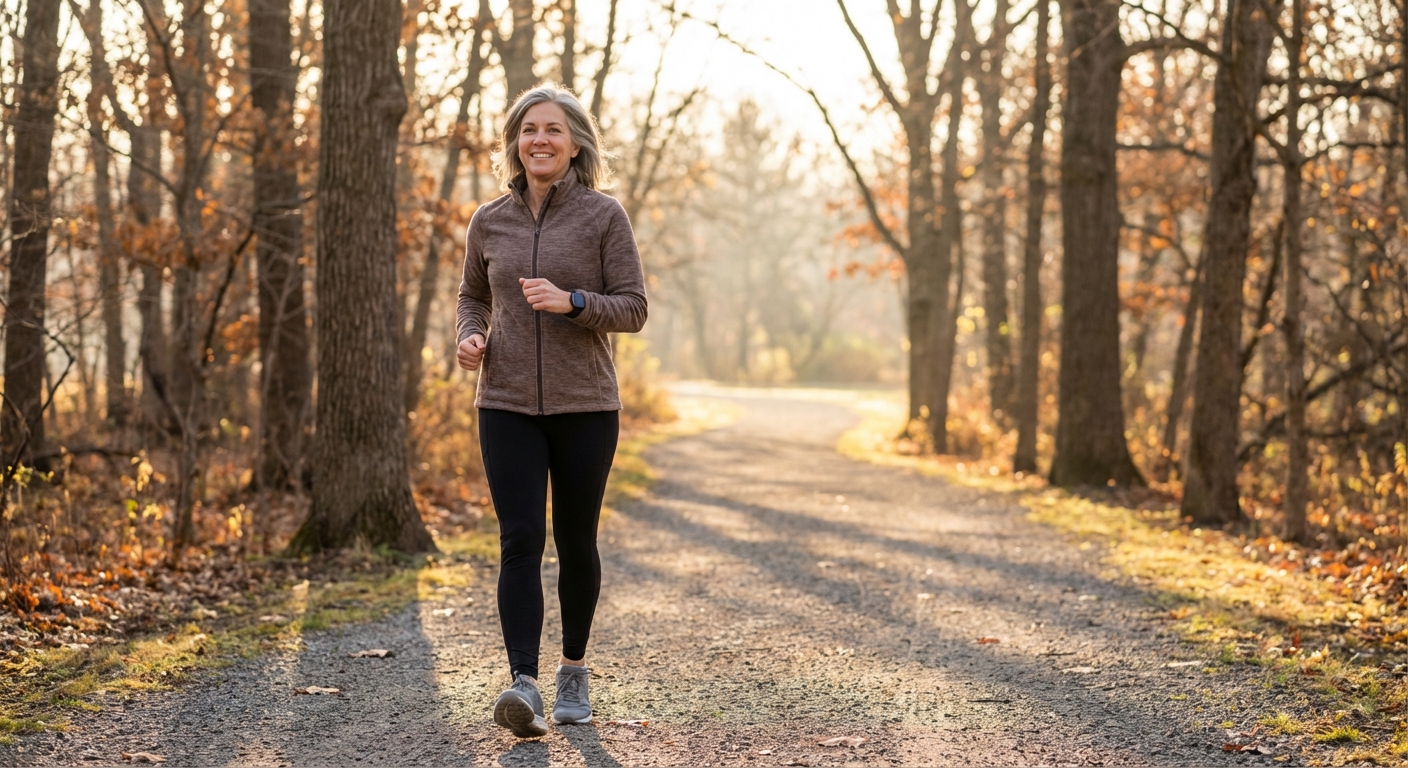
Japanese researchers discovered that alternating fast and slow walking for 3-minute intervals delivers superior fitness gains compared to walking at a constant pace.

New research challenges the 'consistent sleep schedule' advice, finding that letting teenagers sleep in on weekends may protect their mental health.

A new study finds that teens and young adults who sleep in on weekends have significantly lower depression risk, challenging assumptions about consistent sleep schedules.
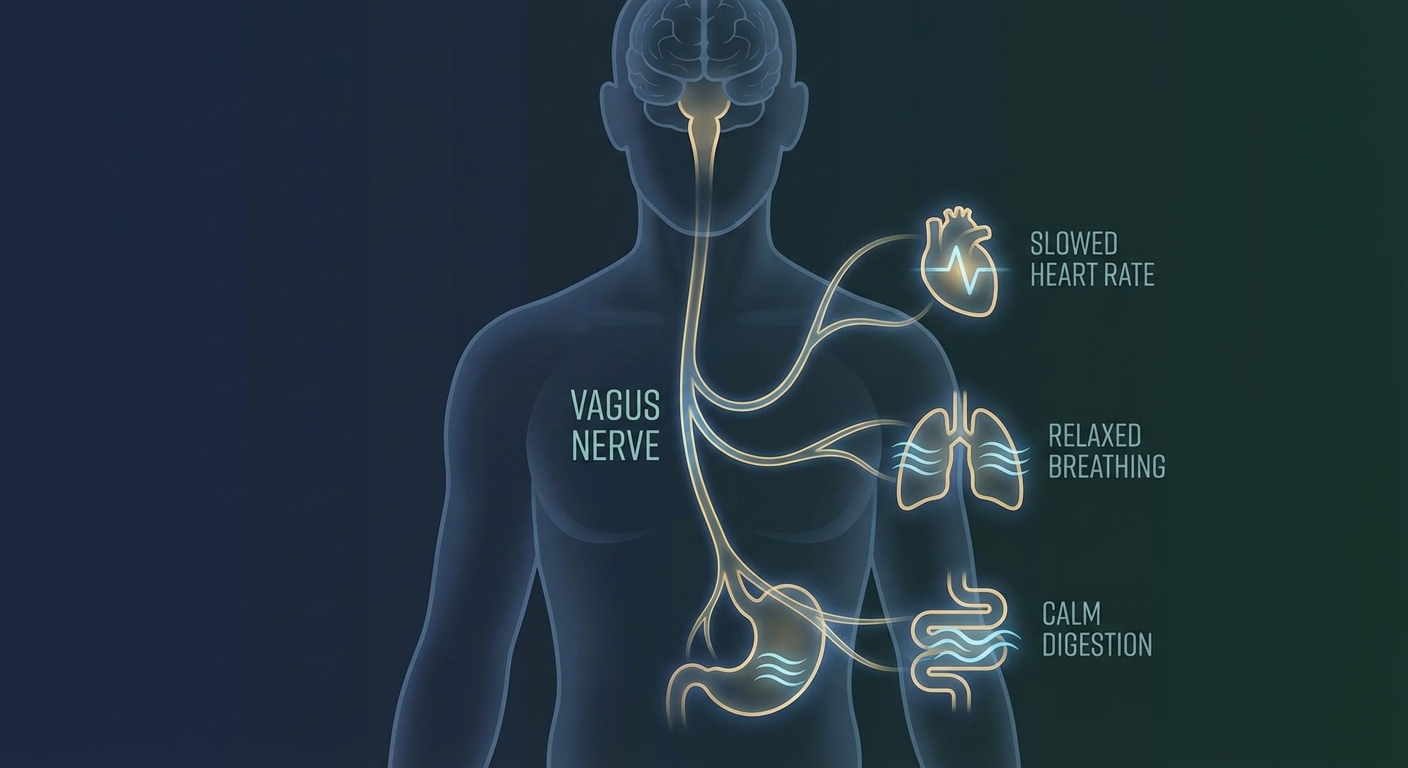
The vagus nerve is having a moment. Here's what the science says about nervous system regulation and why somatic practices actually work.

Your tolerance for carbon dioxide predicts your anxiety levels. Research shows that training this tolerance through breathing practice can rewire your stress response.
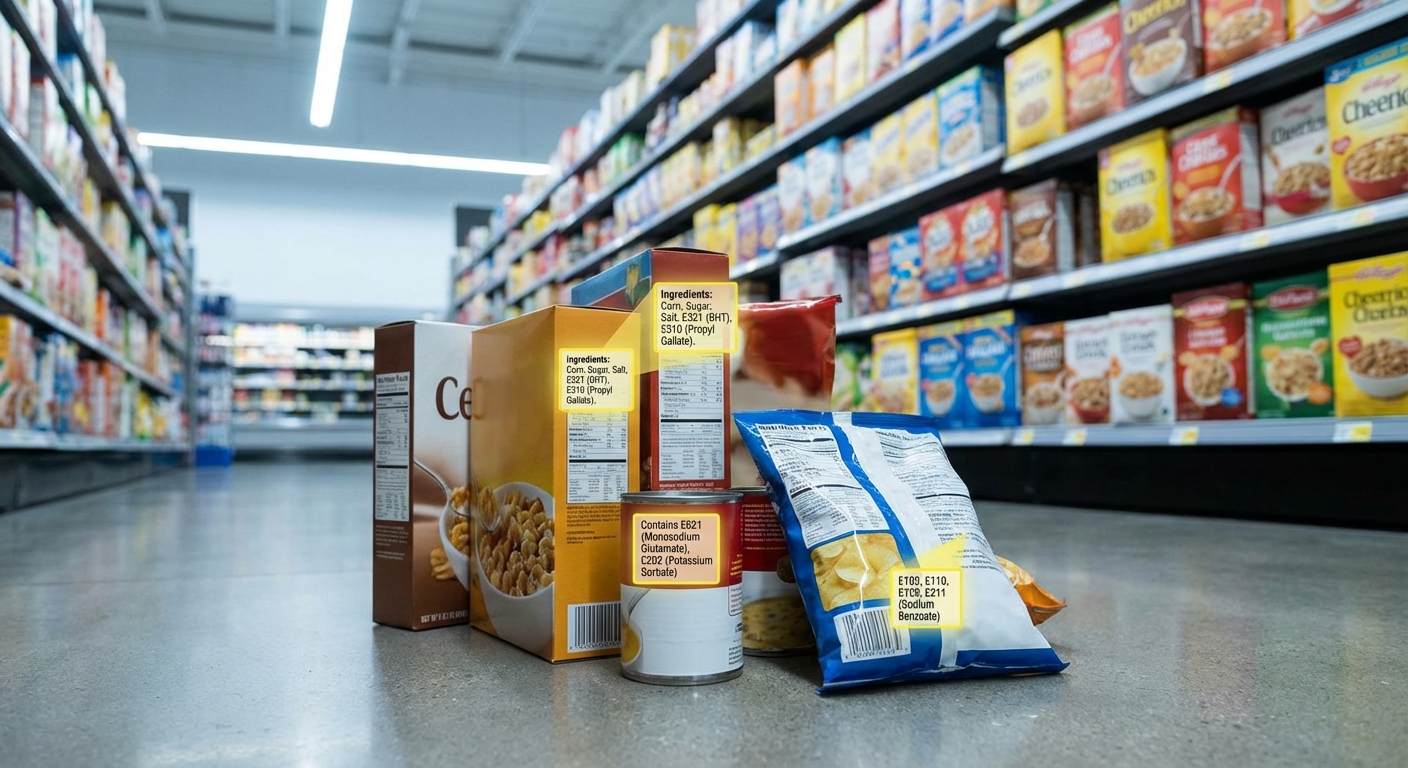
A 14-year study of 108,723 adults found that high consumption of everyday preservatives like potassium sorbate and sodium nitrite significantly increases type 2 diabetes risk.

Rigorous demographic analysis confirms blue zones are legitimate longevity laboratories, with lifestyle factors, not genetics, driving exceptional lifespans.
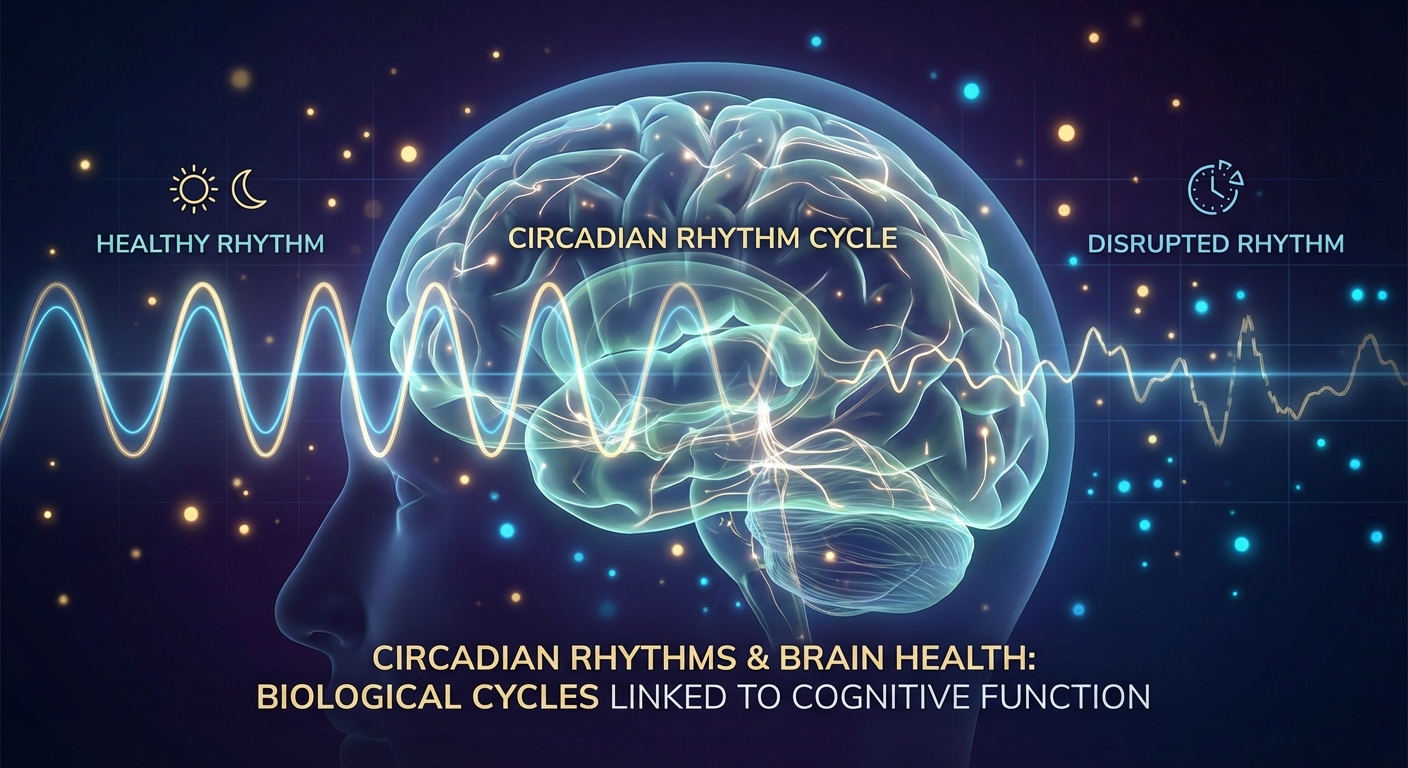
New research reveals that disrupted daily activity patterns may be an early warning sign for cognitive decline, with actionable steps to strengthen your biological clock.

SleepFM analyzes your brain, heart, and breathing patterns during sleep to identify Parkinson's, cancer, and dementia years before symptoms appear.

Up to 50% of Americans don't get enough magnesium, and your sleep may be suffering. Here's what the research shows and how to optimize your intake.
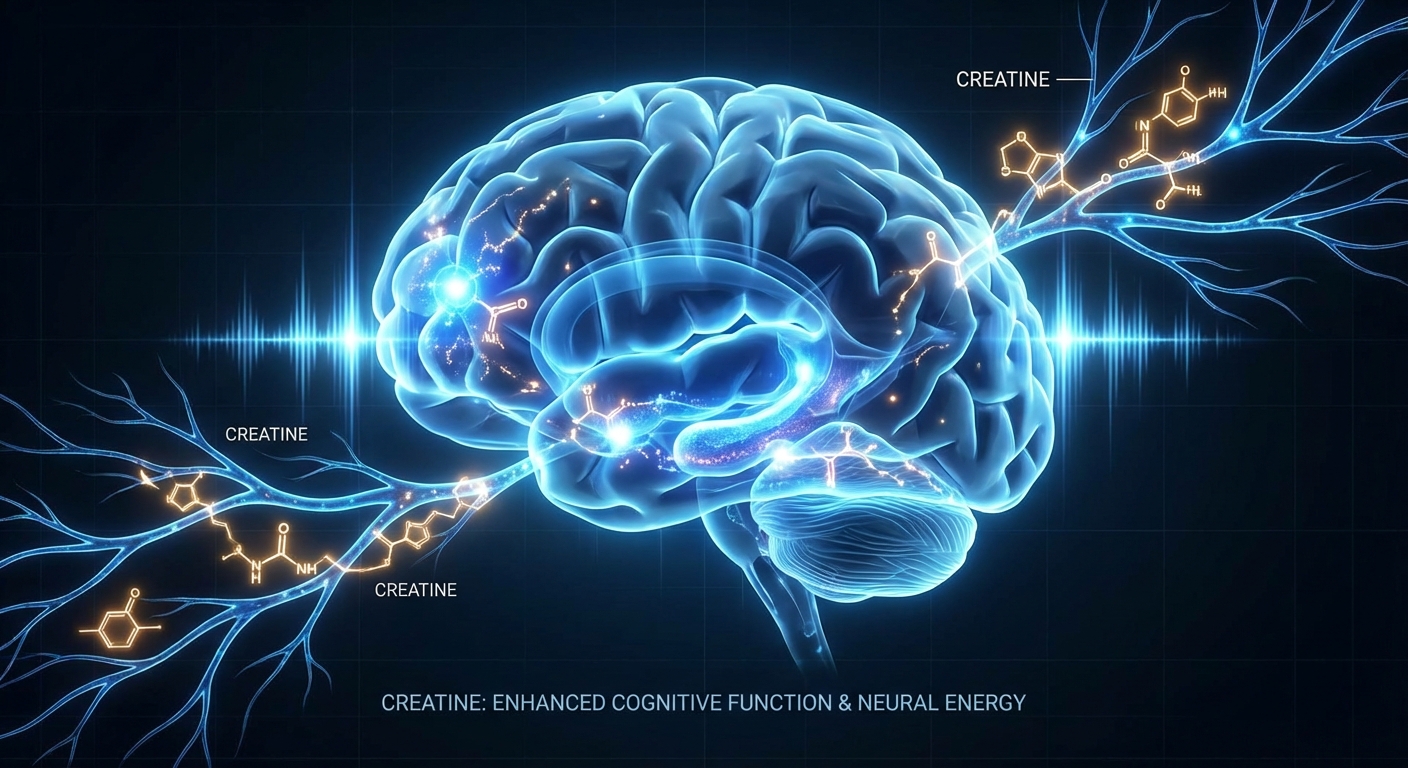
New research shows creatine supplementation may boost memory and protect against cognitive decline. Here's what the science actually supports.
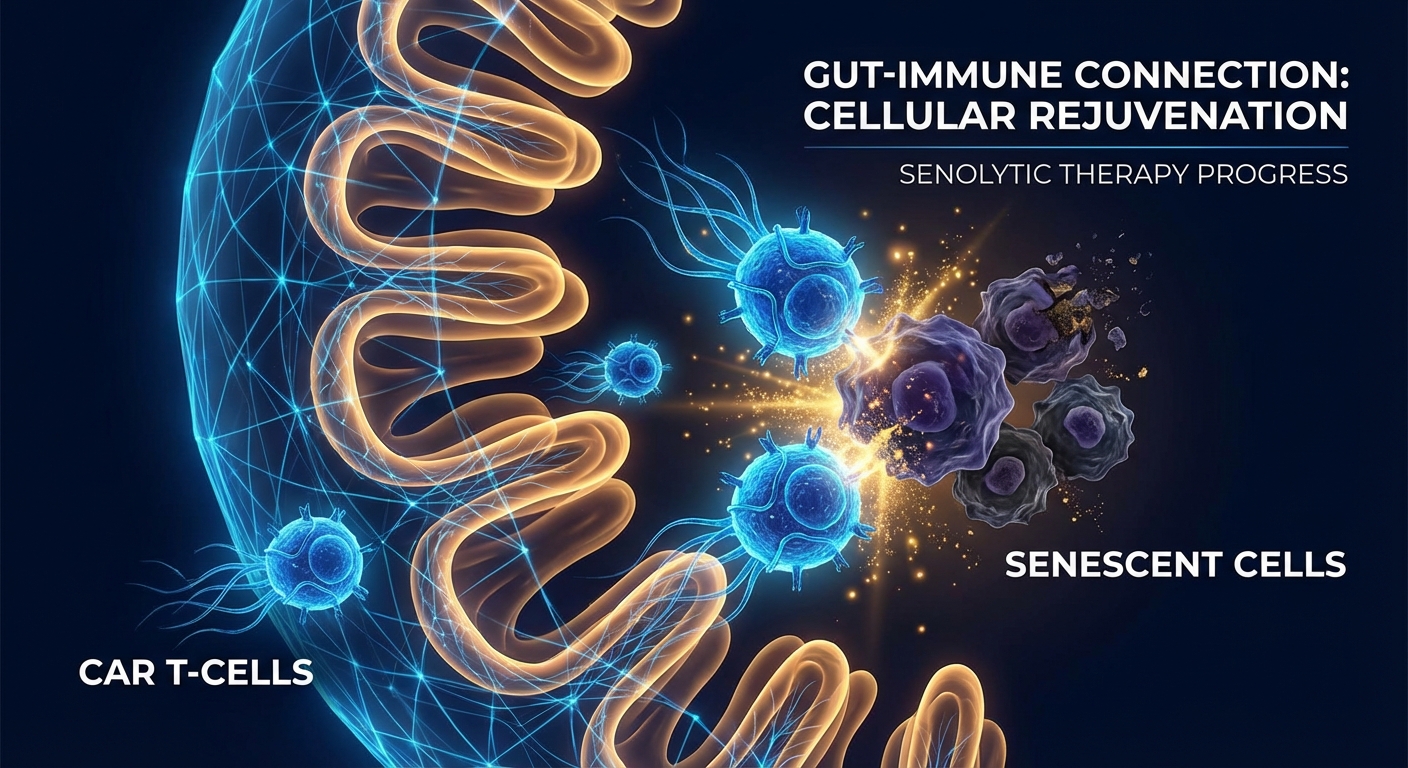
A single treatment with engineered immune cells restored gut regeneration, reduced inflammation, and improved nutrient absorption in aging mice for up to a year.
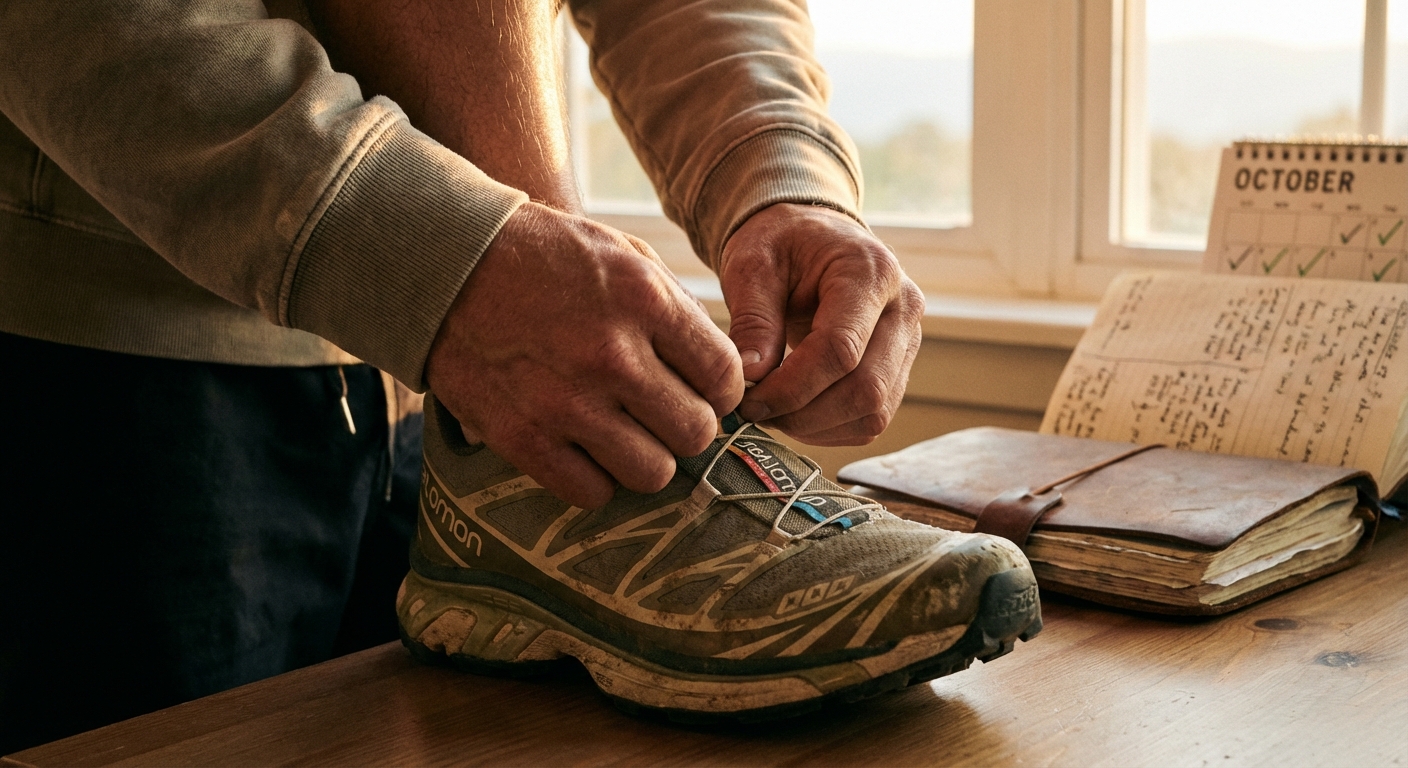
Research shows most fitness resolutions fail by mid-January. Here's what neuroscience reveals about building exercise habits that actually stick, from dopamine loops to the 30-day threshold.
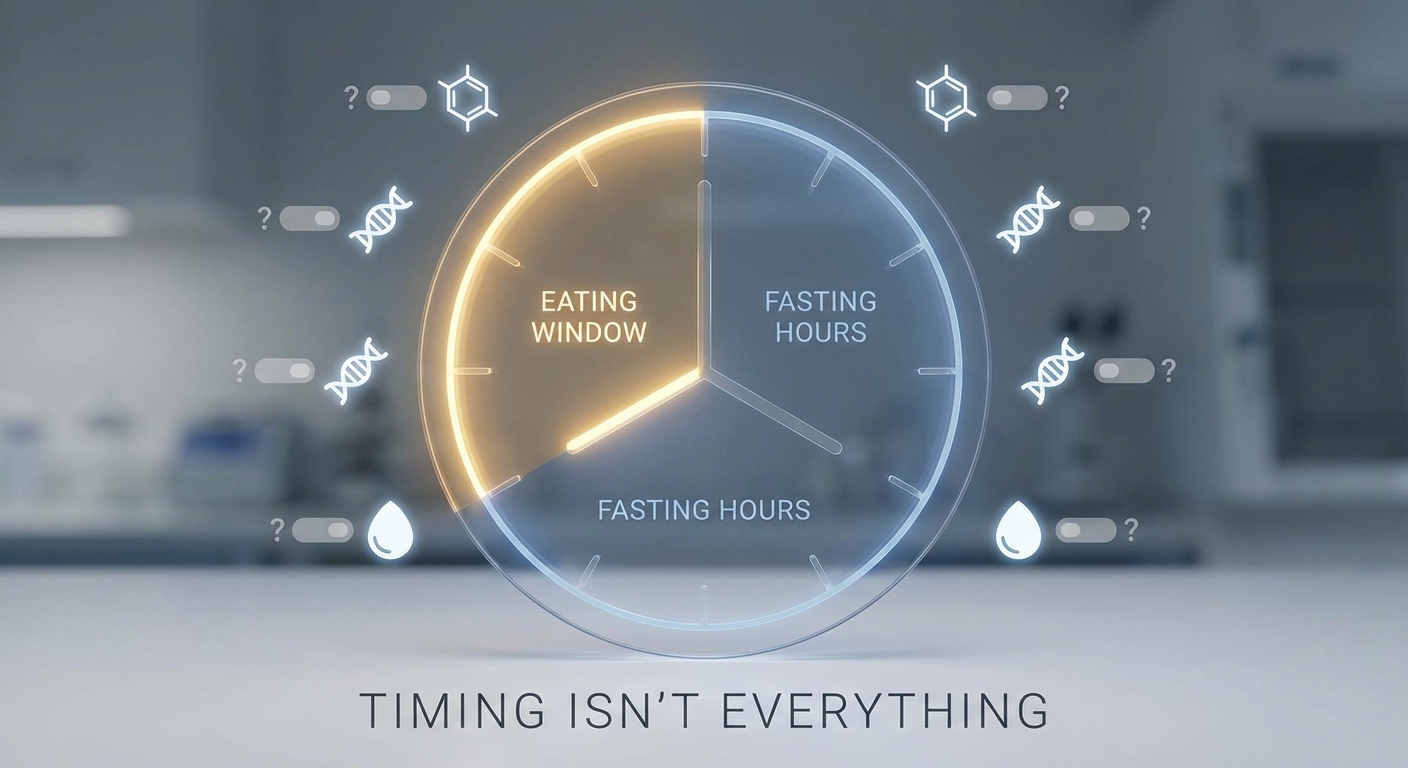
New research challenges the metabolic magic of time-restricted eating. When calories stay the same, an 8-hour eating window shows no measurable health benefits.

New research reveals diabetes doesn't just raise heart disease risk. It fundamentally changes how your heart produces energy and maintains structure.